NEW JOURNAL NOTES ON SPACE, OBJECTS, AND EVERYDAY ATMOSPHERE
Visit Shop
Back to All Articles

How to turn a balcony into a ‘relaxation space’ at home.

In this article
Why balconies affect how you feel (more than you think) Step 1: Clear it—not perfectly, just enough Step 2: Let light and air actually move Step 3: Add one or two “soft” elements Step 4: Give it a simple purpose Step 5: Keep it light, not perfect Final thought: a small space can change the whole home
For many people, the balcony ends up as a purely practical space:
drying clothes, storing random items, maybe holding a few forgotten boxes.

It works—but it rarely feels good.

Yet in both Feng Shui and modern Environmental Psychology, spaces that connect indoors and outdoors play a unique role. They act as a transition—between activity and rest, between inside and outside, between tension and release.

In other words, your balcony has the potential to become something much more valuable:
a light recovery zone for your daily life.

Why balconies affect how you feel (more than you think)

From a Feng Shui perspective, the balcony is one of the places where Qi enters, exits, and circulates. It’s closely connected to light, air, and openness.

If it’s cluttered, blocked, or rarely used, that flow becomes weak or stagnant.

From a psychological point of view, access to natural light, fresh air, and even a small visual connection to the outside world can:

  • reduce stress
  • improve mood
  • help your mind reset after long periods of focus

That’s why even a small, simple balcony can change how your entire home feels.

Step 1: Clear it—not perfectly, just enough

Before adding anything, start by removing what doesn’t belong.

Balconies often become “overflow zones”:

  • old boxes
  • unused items
  • broken or forgotten objects

In Feng Shui, this creates stagnation.
In daily life, it simply makes the space feel heavy and unused.

Start here:

  • Remove items you haven’t touched in months
  • Keep only what serves a clear purpose
  • Don’t aim for empty—aim for breathable

Even a partially cleared balcony can feel completely different.

Step 2: Let light and air actually move

A recovery space needs flow.

If your balcony is blocked by large objects, thick curtains, or crowded corners, it loses its main function.

Simple adjustments:

  • Keep at least part of the space open
  • Let natural light come through without obstruction
  • Open windows or doors regularly to allow airflow

You don’t need a perfect view.
You just need a sense of openness.

Step 3: Add one or two “soft” elements

Now you can gently bring life back into the space.

In Feng Shui, balance matters—especially between hard and soft elements.

Try adding:

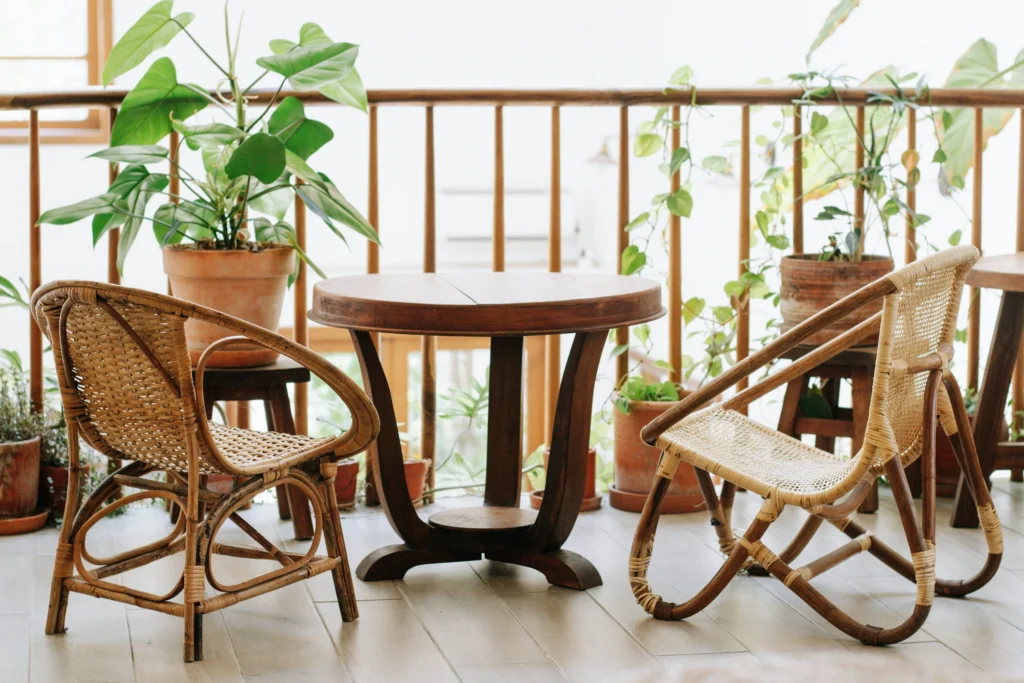
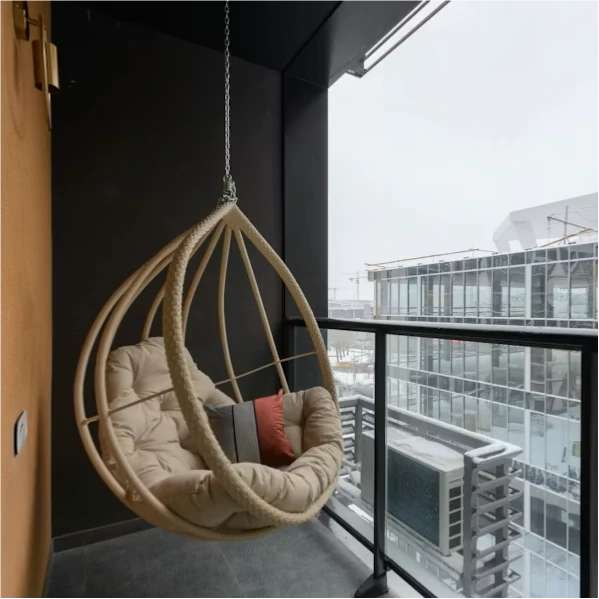
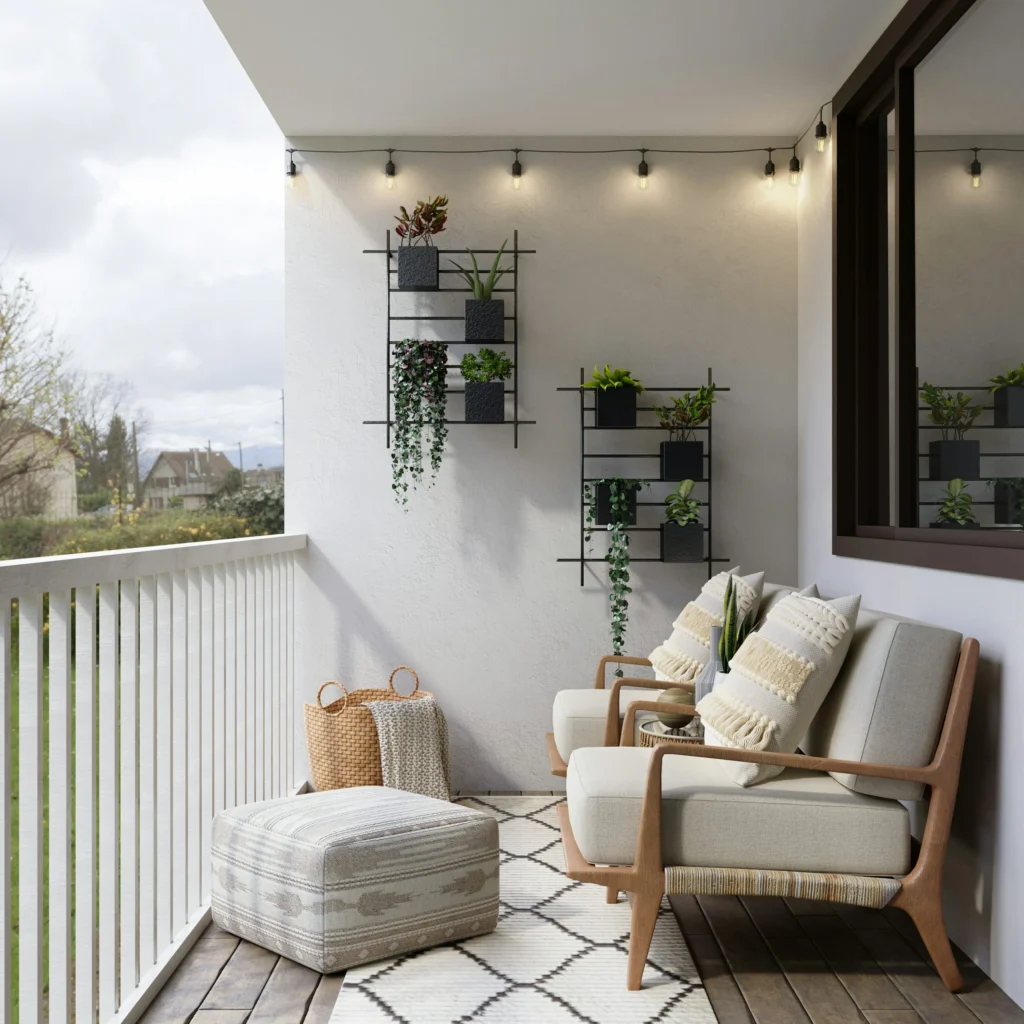
  • a small chair or cushion
  • a plant or two
  • a light fabric (like a throw or curtain)

These soften the space and make it more inviting.

From a psychological perspective, natural elements—especially greenery—can help reduce stress and restore attention.

Even one plant can make a difference.

Step 4: Give it a simple purpose

A space becomes meaningful when it has a role.

Your balcony doesn’t need to be complex.
It just needs to support one small part of your life.

It could be:

  • a morning coffee spot
  • a quiet place to sit for 5 minutes
  • a small reading corner
  • a place to pause between tasks

In Feng Shui, this creates intentional use.
In modern terms, it creates a micro-habit space—a place your brain associates with a certain feeling.

Step 5: Keep it light, not perfect

This is important.

Your balcony doesn’t need to look like a design magazine.

If it’s too styled, too full, or too “precious,” you’ll stop using it.

The goal is not decoration.
The goal is ease.

  • easy to step into
  • easy to sit down
  • easy to leave

A good recovery space doesn’t demand attention.
It quietly supports you.

Final thought: a small space can change the whole home
You don’t need a big renovation to improve how your home feels.

Sometimes, all it takes is reclaiming one overlooked area.

In Feng Shui, flow starts where space is allowed.
In daily life, recovery starts where you can pause.

Your balcony doesn’t have to be perfect.
It just needs to be usable, open, and yours.

And that’s often enough to shift the energy of the entire home.


Same category navigation

More to read next

From reading to action

Keep thoughtful guides close as you shape a calmer home.

Save ideas for later, explore room-based guidance, or share what you would like us to write about next.

Explore Room Guides Use room-based guides when you want a calmer way to choose placement, materials, and daily-use pieces.
Share A Future Topic Tell us what spaces, objects, or topics you'd like us to explore next. We’re always open to new ideas and inspiration.
Journal Dispatch

A quiet letter for spatial living.

Receive calm notes on placement, materials, and living with more spatial clarity.