NEW JOURNAL NOTES ON SPACE, OBJECTS, AND EVERYDAY ATMOSPHERE
Visit Shop
Back to All Articles

Don’t Put These 4 Things on Your Coffee Table

In this article
First, Placement Matters More Than You Think Now, the 4 Things You Shouldn’t Put on Your Coffee Table The Hidden Issue: Visual Noise So What Should Be on a Coffee Table? Final Thought

A small surface, but a big impact on comfort, safety, and energy

In recent years, many people have embraced the idea of a “no-coffee-table living room.” It’s often seen as minimalist, spacious, and modern.

And yes—coffee tables do take up space. They can also be a source of bumps and bruises if poorly placed.

But after trying to live without one, many people (myself included) realize something:
a coffee table isn’t the problem—how you use it is.

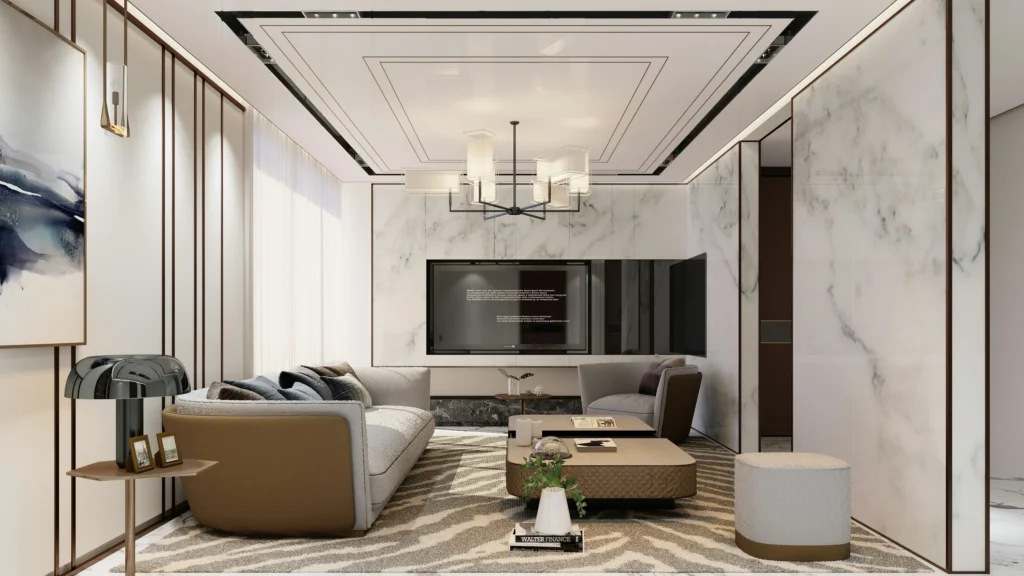
A well-placed, thoughtfully arranged coffee table can make your living room more functional, more welcoming, and more relaxing. But when it becomes cluttered or unsafe, it quickly turns into visual and physical stress.

From both a practical perspective and ideas rooted in Feng Shui, your coffee table sits right in the middle of your daily life—literally and energetically.

So before you get rid of it entirely, it’s worth asking:
what shouldn’t be on it?

First, Placement Matters More Than You Think

Before we talk about what goes on the table, let’s quickly look at where it sits.

A comfortable layout isn’t random—it follows basic principles of movement and flow, similar to what Feng Shui calls energy circulation (often described as Qi (life energy)).

  • Keep about 35–45 cm (14–18 inches)between the sofa and the coffee table
  • Make sure there’s enough space to walk without squeezing
  • Choose a table about two-thirds the length of your sofa
  • Ideally, the height should be similar to your seat cushions

When movement feels easy, the whole room feels lighter. When it doesn’t, even a beautiful space can feel stressful.


Now, the 4 Things You Shouldn’t Put on Your Coffee Table

These aren’t superstitions—they’re about safety, comfort, and mental clarity.

1. Fragile Glass Items

Glass tea sets or decorative pieces may look elegant—but they’re risky.

People stand up, sit down, shift around. Accidental bumps happen. And when glass breaks, it’s not just inconvenient—it can be dangerous.

From a design perspective, fragile objects placed in high-traffic areas increase cognitive tension—your brain subconsciously stays alert to avoid accidents.

From a Feng Shui lens, unstable or breakable items in central areas can disrupt a sense of calm and grounding.

Better idea:
Display delicate items on shelves or cabinets, where they can be appreciated without constant risk.

2. Electric Kettles or Hot Appliances

It might seem convenient to boil water right on the coffee table—but it’s not worth the risk.

Hot water + unstable surfaces + movement = accidents waiting to happen.

There are real cases of burns caused by:

  • Kettles tipping over
  • Glass kettles cracking from heat stress
  • People accidentally knocking into cords

From a safety standpoint, this is straightforward.
From an environmental psychology angle (see Environmental Psychology), spaces feel more relaxing when potential hazards are minimized.

Better idea:
Keep hot appliances in the kitchen or a dedicated beverage station.

3. Large or Poorly Placed Plants

Plants are great—just not everywhere.

Placing a plant right in the center of a small coffee table can:

  • Block movement and usability
  • Reduce available surface space
  • Create maintenance issues (water spills, soil, insects)

Also, most indoor plants need proper light and airflow. A coffee table is rarely the best environment.

From a Feng Shui perspective, balance matters. Plants represent growth, but too much or poorly placed greenery can disrupt spatial harmony.

From a scientific view, plants contribute to well-being through Biophilia hypothesis—but only when placed where they can thrive.

Better idea:
Use windowsills, corners, or balconies where plants can actually grow well.

4. Sharp or Heavy Tools

This one is simple but often overlooked.

Items like:

  • Scissors
  • Knives
  • Screwdrivers
  • Toolkits

…don’t belong on a coffee table.

They create obvious physical risks, especially in homes with children or pets. But they also introduce subtle psychological discomfort—your brain registers them as potential threats, even if you’re not consciously aware of it.

Feng Shui traditionally avoids sharp objects in shared relaxation spaces because they introduce a sense of “cutting” or tension into the environment.

Better idea:
Use tools when needed, then store them away immediately.
 

The Hidden Issue: Visual Noise

Here’s the deeper point.

A cluttered coffee table isn’t just messy—it creates visual noise.

Research on attention shows that too many visual elements compete for processing in the brain (see Cognitive load theory). This makes it harder to relax, even if you think you’ve “gotten used to it.”

In Feng Shui terms, this is often described as blocked or chaotic flow.
In modern terms, it’s simply mental fatigue.

So What Should Be on a Coffee Table?

Less than you think.

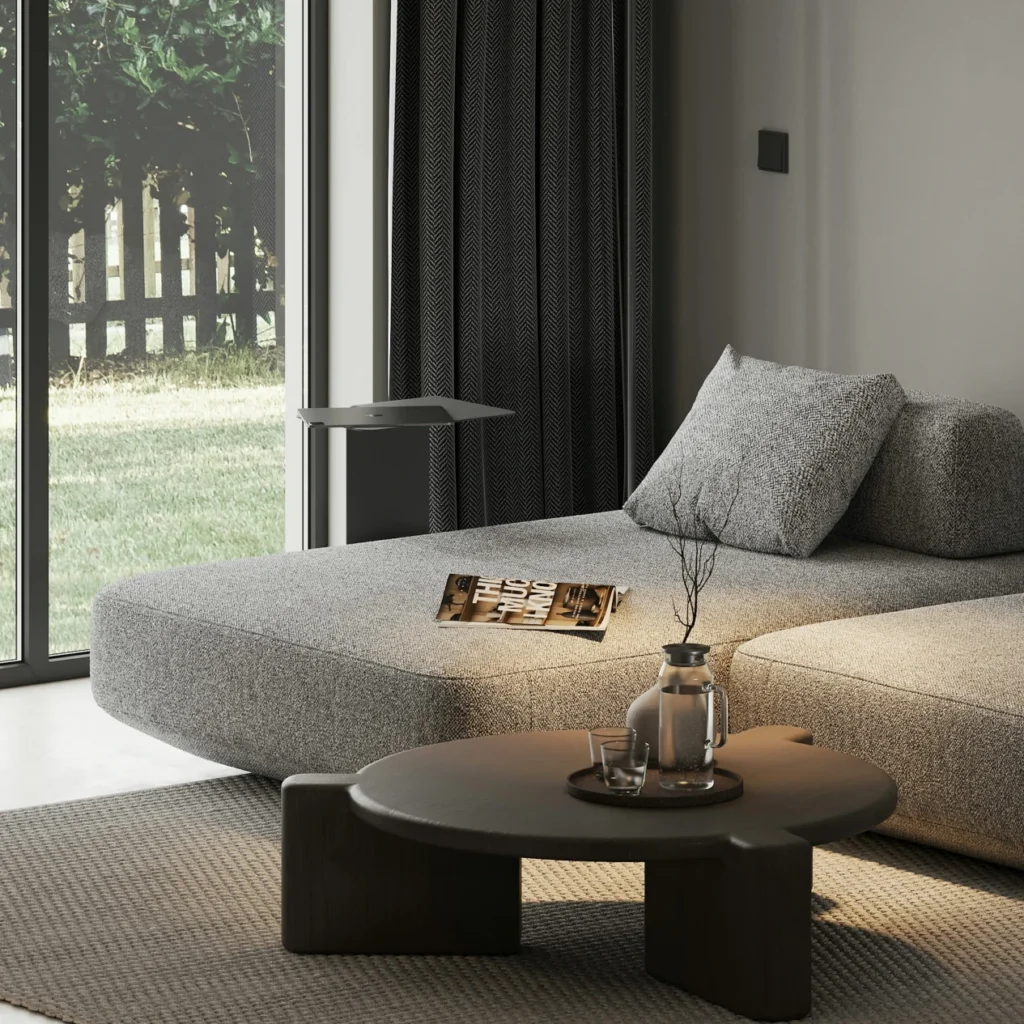
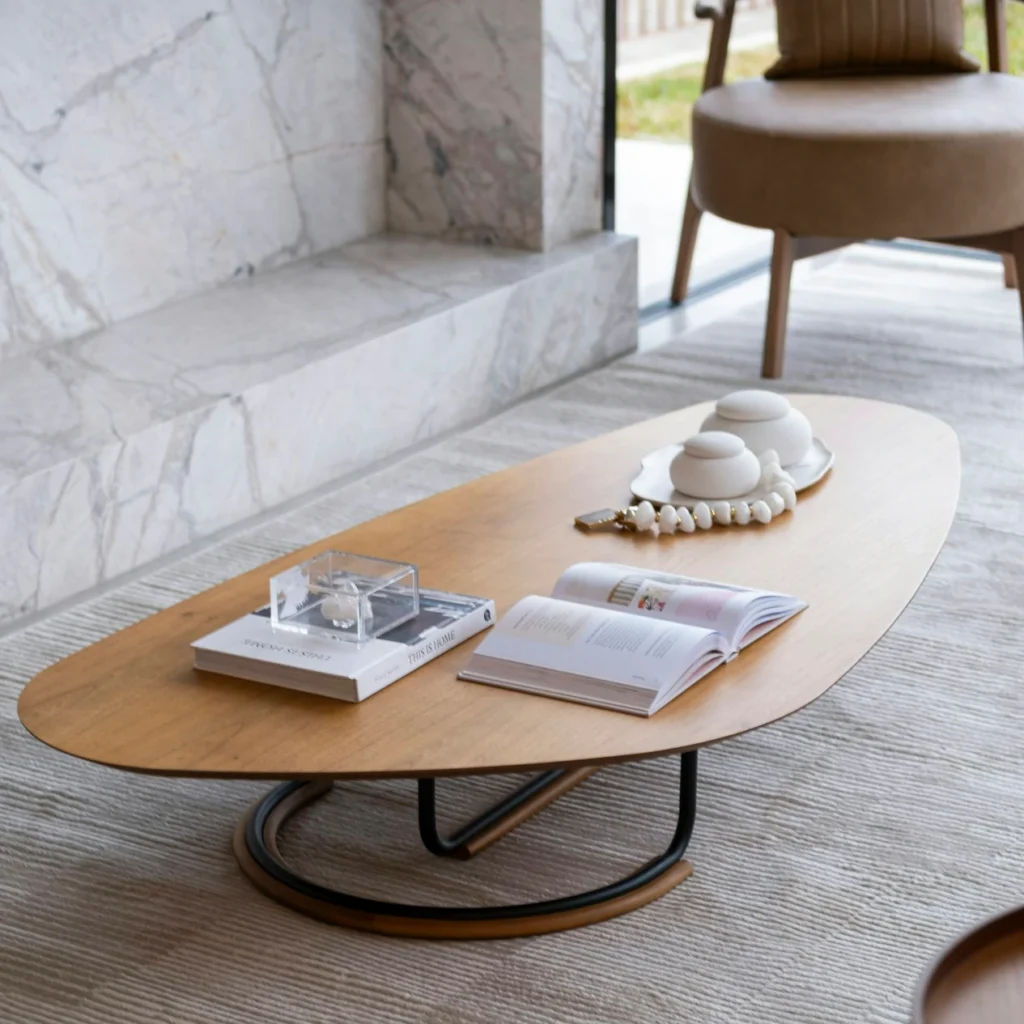
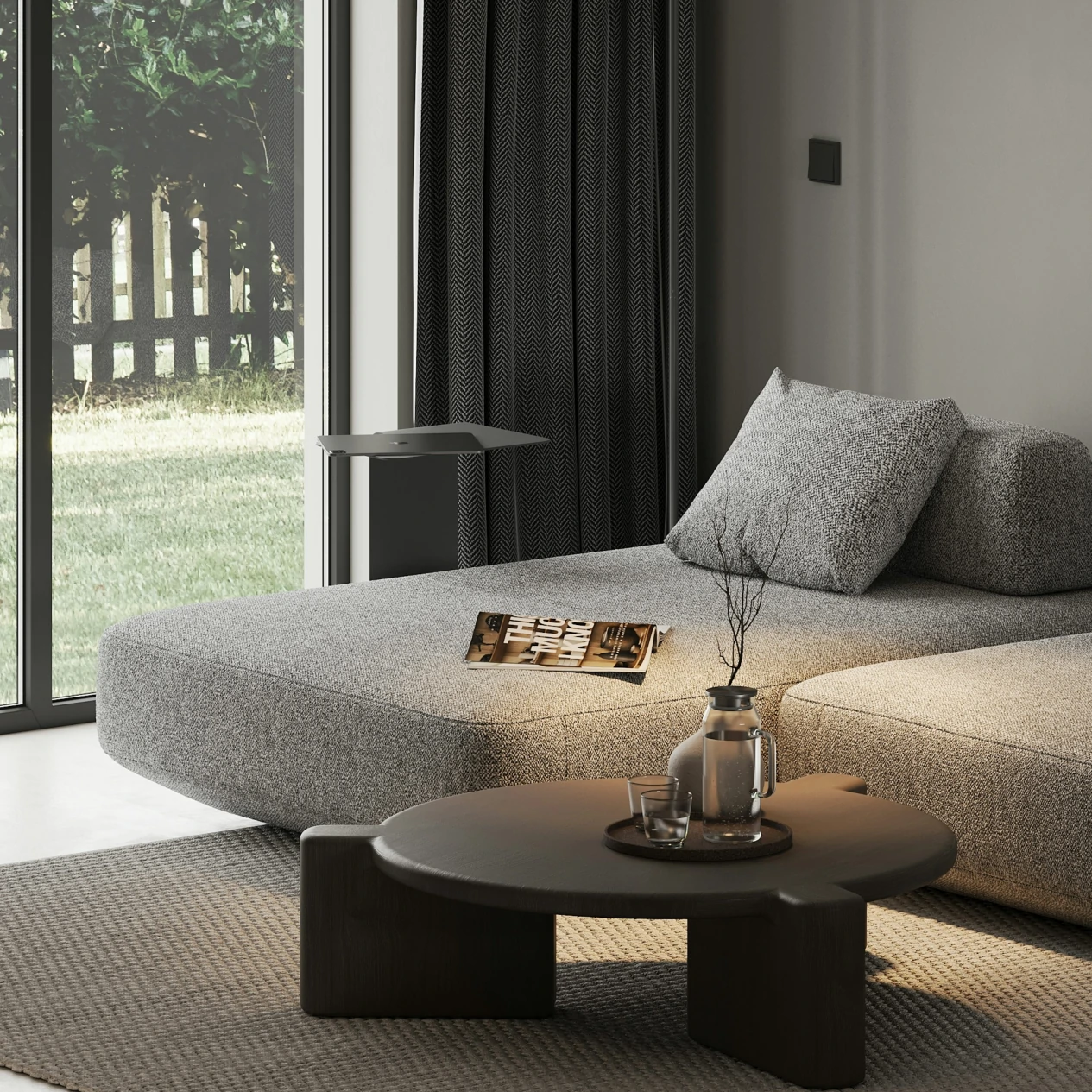
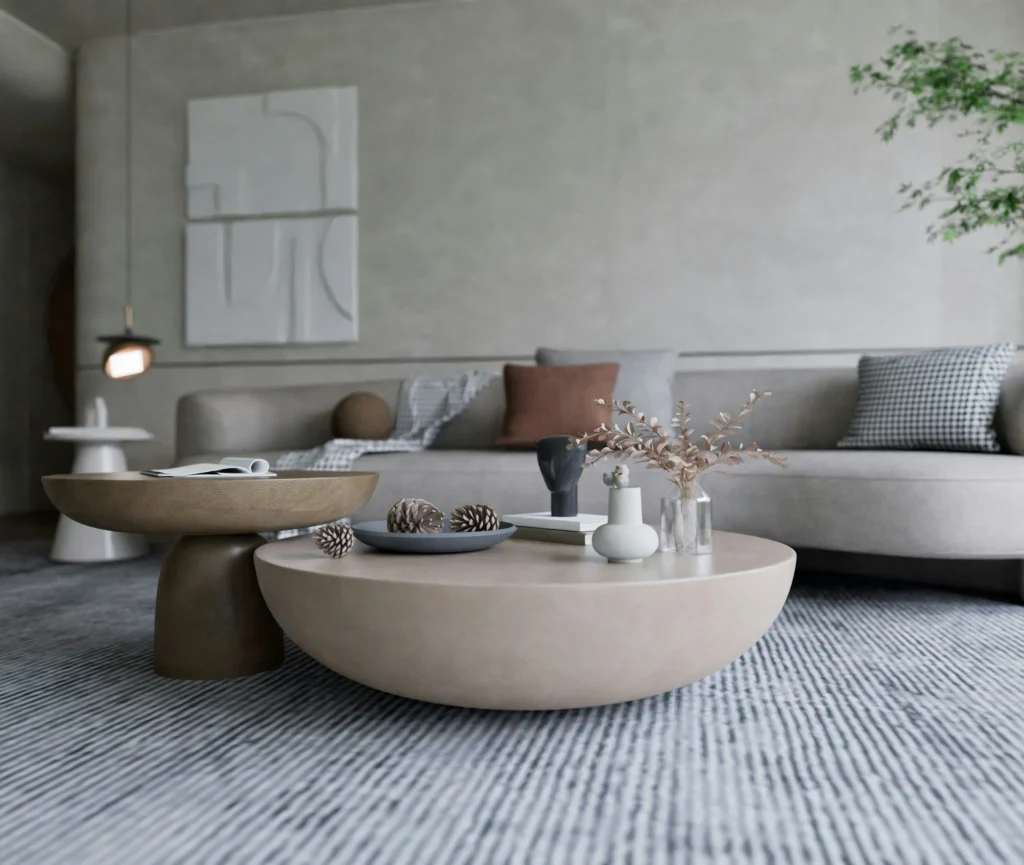
A calm, functional setup might include:

  • A cup or two
  • A book or magazine
  • A small tray
  • Maybe one decorative object

That’s it.

The goal isn’t to make your home look like a showroom.
It’s to make it feel easy to live in.

Final Thought

A coffee table is a small thing—but it sits at the center of your daily life.

It holds your coffee, your conversations, your quiet moments, your lazy afternoons.

And because it’s so central, it quietly reflects your habits, your priorities, and your state of mind.

You don’t need to remove it.
You just need to treat it with intention.

Sometimes, improving your home doesn’t mean adding more.

It simply means removing what doesn’t belong.

Same category navigation

More to read next

From reading to action

Keep thoughtful guides close as you shape a calmer home.

Save ideas for later, explore room-based guidance, or share what you would like us to write about next.

Explore Room Guides Use room-based guides when you want a calmer way to choose placement, materials, and daily-use pieces.
Share A Future Topic Tell us what spaces, objects, or topics you'd like us to explore next. We’re always open to new ideas and inspiration.
Journal Dispatch

A quiet letter for spatial living.

Receive calm notes on placement, materials, and living with more spatial clarity.