NEW JOURNAL NOTES ON SPACE, OBJECTS, AND EVERYDAY ATMOSPHERE
Visit Shop
Back to All Articles

What Kind of “Fullness” in Your Home Is Draining You?

In this article
1. Visual Fullness: When Your Eyes Have Nowhere to Rest 2. Functional Fullness: When Everything Gets in Your Way 3. Sensory Fullness: When Your Brain Never Gets a Break 4. Temporal Fullness: When Your Space Feels “Out of Sync” So… Which Type of Fullness Is the Worst? Create Space, Not Just Change

How crowded spaces quietly create mental stress—and how to fix it

There’s a clear difference between a home that feels cozy and one that feels heavy.

One feels warm, comfortable, and personal.
The other feels tight, noisy, and somehow… exhausting.

If you’ve ever walked into your own space and suddenly felt drained—without knowing exactly why—it may not be about how much you own, but how that fullness shows up.

From a modern perspective, this connects to Environmental Psychology.
From a traditional perspective, Feng Shui describes it as how space influences the flow of qi (life energy).

Different language, same idea:
your environment shapes your mental state.

Let’s break down the types of “fullness” that most often overwhelm us—and what you can do about them.

1. Visual Fullness: When Your Eyes Have Nowhere to Rest

This is the most common—and most underestimated—type.

A room can look clean but still feel overwhelming. Why? Because every surface is filled:

  • Shelves packed edge to edge
  • Countertops covered with items
  • Walls crowded with decor
  • Furniture placed too closely together

It may not look “messy,” but everything is competing for attention.

From a cognitive perspective, this aligns with Cognitive Load Theory. The brain has limited capacity to process visual information. When too many elements are present, they compete for attention—leading to subtle mental fatigue.

In Feng Shui terms, this is often described as blocked or stagnant qi—too much density disrupts natural flow.

What helps:

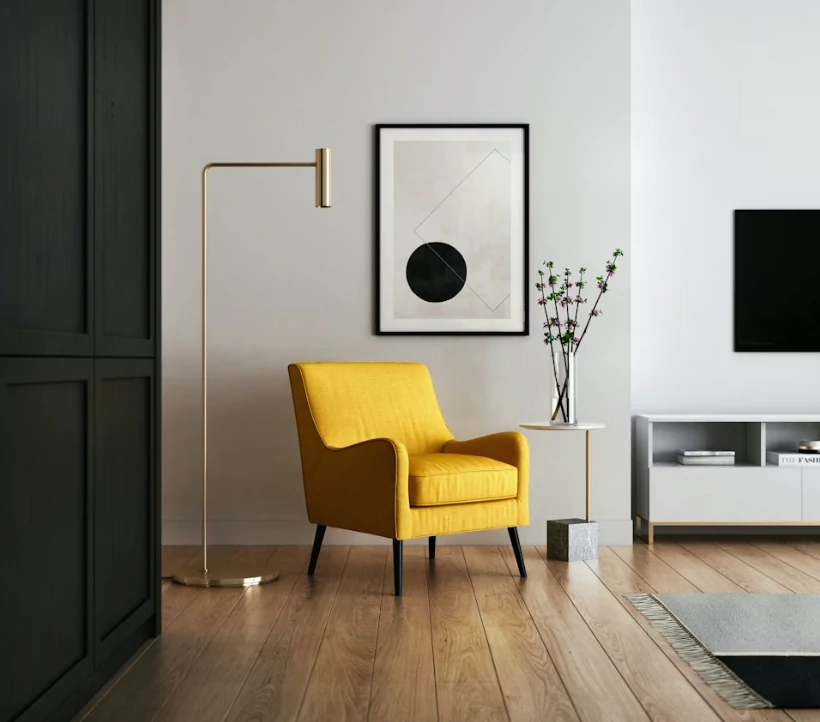
  • Intentionally leave empty space on surfaces
  • Group items instead of scattering them
  • Keep at least one visually calm area in each room

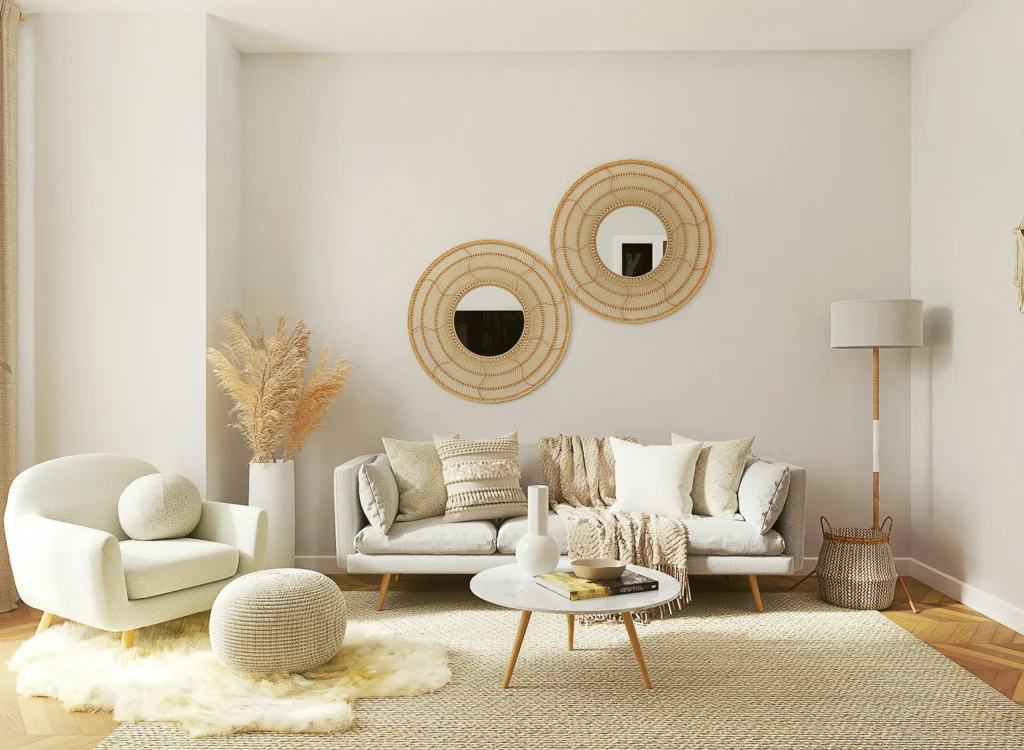
Sometimes, your space doesn’t need more decoration—it needs more breathing room.

2. Functional Fullness: When Everything Gets in Your Way

This one is about movement.

Have you noticed yourself:

  • Squeezing between furniture
  • Walking around boxes or baskets
  • Constantly moving things just to use a surface

This isn’t just inconvenience—it’s friction.

In Feng Shui, smooth pathways are essential for healthy energy flow. In modern design, this aligns with Ergonomics and spatial efficiency.

When your physical pathways are blocked, your body stays in a subtle state of tension. Over time, that tension builds.

What helps:

  • Keep pathways clear (especially entrances, living areas, bedrooms)
  • Avoid oversized furniture in tight spaces
  • Make key areas (sofa, bed, desk) easy to access

Your home should support your movement—not work against it.

3. Sensory Fullness: When Your Brain Never Gets a Break

Not all clutter is visible.

Sometimes it’s:

  • Too many colors
  • Harsh lighting
  • Constant background noise
  • Strong or competing smells

Your senses are always processing—even when you’re not aware of it.

Research in Sensory Processing shows that overstimulation can increase stress and reduce your ability to relax.

Feng Shui emphasizes balance—anything too intense can disrupt calm.

What helps:

  • Use softer, layered lighting instead of a single harsh source
  • Limit strong, competing scents
  • Create at least one calm, low-stimulation zone

Your home doesn’t need to be silent or neutral—it just needs moments of ease.

4. Temporal Fullness: When Your Space Feels “Out of Sync”

This one is subtle—but very real.

It shows up as:

  • Unopened packages
  • Half-finished setups
  • Seasonal items left out
  • Spaces that don’t match your current lifestyle

In other words, your home is stuck between the past and the present.

In Feng Shui, timing and flow matter—spaces should evolve with life.
In modern terms, this reflects a mismatch between environment and behavior.

What helps:

  • Finish small incomplete setups
  • Store items that no longer fit the current season or routine
  • Update spaces based on how you actually live now

Your home should reflect your present—not your past.

So… Which Type of Fullness Is the Worst?

It’s not about quantity.

You can own a lot and still feel calm.
You can own very little and still feel overwhelmed.

The real issue is this:

When fullness takes away space—visually, physically, or mentally—it creates stress.

From a Feng Shui perspective, it blocks the flow of qi.
From a psychological perspective, it increases cognitive and sensory load.

Either way, the result is the same:

your body feels it before you can explain it.


Create Space, Not Just Change

A better home doesn’t always mean buying, upgrading, or redesigning.

Sometimes it’s about:

  • Leaving one spot empty
  • Clearing a single pathway
  • Letting go of one unnecessary item
  • Softening one overstimulating corner

Small changes create space.
Space creates ease.

And when we say,
“I just want my home to feel better,”

what we’re really looking for…
is a little more room to breathe.

Same category navigation

More to read next

From reading to action

Keep thoughtful guides close as you shape a calmer home.

Save ideas for later, explore room-based guidance, or share what you would like us to write about next.
Explore Room Guides Use room-based guides when you want a calmer way to choose placement, materials, and daily-use pieces.
Share A Future Topic Tell us what spaces, objects, or topics you'd like us to explore next. We’re always open to new ideas and inspiration.
Journal Dispatch

A quiet letter for spatial living.

Receive calm notes on placement, materials, and living with more spatial clarity.