NEW JOURNAL NOTES ON SPACE, OBJECTS, AND EVERYDAY ATMOSPHERE
Visit Shop
Back to All Articles

Feng Shui Front Door Guide: Orientation, Design, and Energy Flow

Meta Description
Learn how feng shui views the front door of a home. Discover tips on entrance orientation, door design, colors, and common feng shui principles that influence the flow of energy.

Why the Front Door Matters in Feng Shui

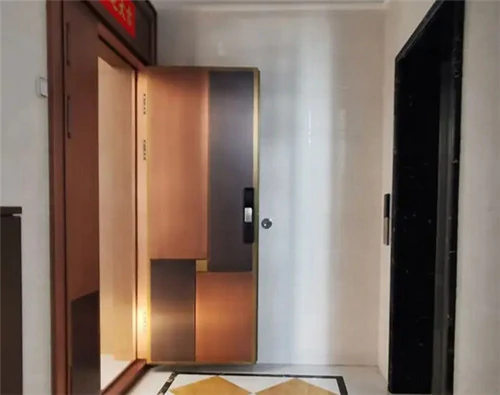
In feng shui, the front door is considered the “mouth of Qi”, the main point where energy enters a home. The way this entrance is positioned and designed can influence the overall atmosphere of the living space.

A well-placed entrance is believed to allow positive energy to circulate smoothly, creating a comfortable and harmonious environment for the people living inside.

Because of this, traditional feng shui pays close attention to the orientation, surroundings, and visual design of the main entrance.

1. Choose an Open and Welcoming Direction

The direction the front door faces is an important factor. Ideally, the entrance should open toward an open and unobstructed space.

If the door directly faces a large mountain or a narrow mountain gorge, it may block the view and symbolically restrict the flow of energy. In feng shui interpretation, a narrow mountain pass can resemble a trap, which is generally considered unfavorable for a home’s entrance.

An entrance that looks toward open space or a pleasant landscape is often associated with better energy flow.

2. Avoid Sharp Corners Facing the Door

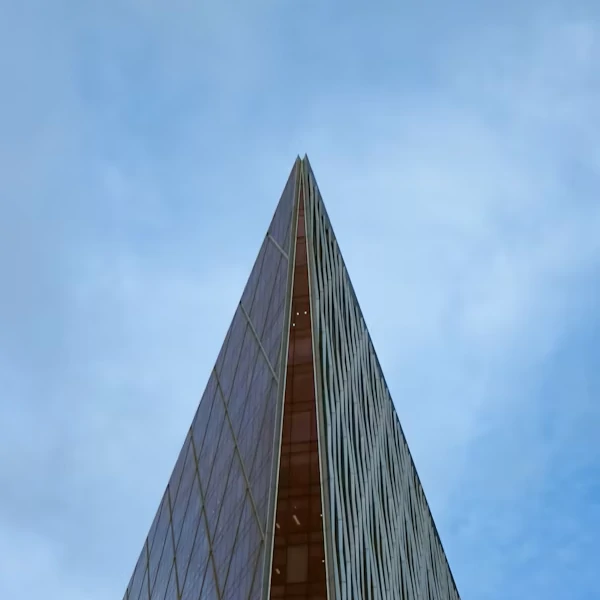
Another commonly mentioned principle is avoiding situations where the front door or windows face the sharp corner of another building.

In traditional feng shui symbolism, these sharp architectural edges are sometimes compared to a blade pointing toward the house. While modern architecture often includes such angles, many feng shui practitioners recommend softening this effect with landscaping, screens, or thoughtful design adjustments.

3. Front Doors Should Not Face Each Other

Feng shui also suggests that two homes should avoid having their main doors directly facing each other at close distance.

This arrangement is believed to create tension between households and may symbolically lead to misunderstandings or strained relationships. When possible, slight offsets in entrance placement can create a more comfortable spatial dynamic.

4. Door Colors and Designs in the Five Elements

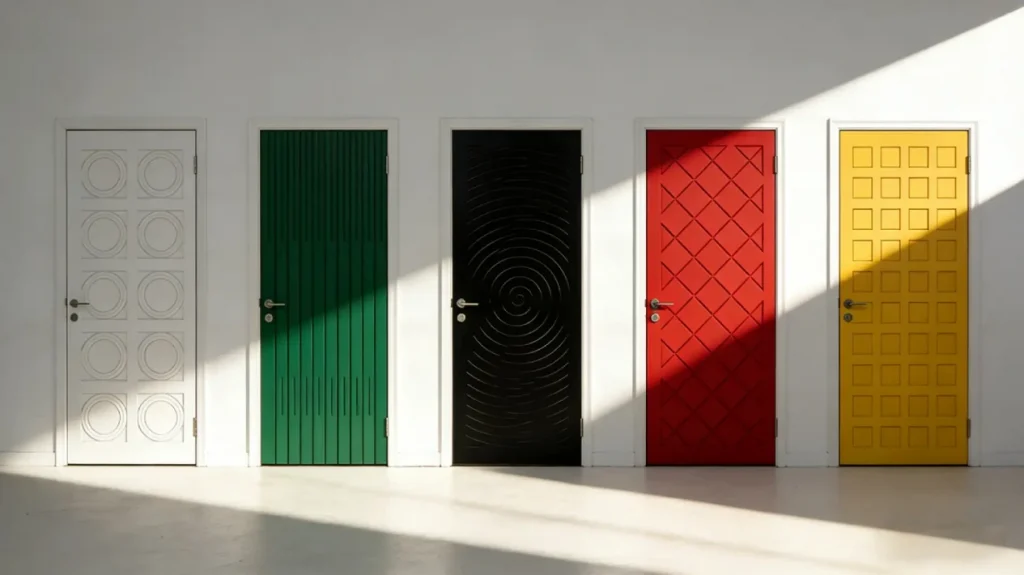
In feng shui theory, colors and shapes can represent the Five Elements, each associated with different forms of energy.

Common associations include:

Element

Color

Shape

Metal

White

Circular

Wood

Green

Straight lines

Water

Black

Curved lines

Fire

Red

Diamond / angular shapes

Earth

Yellow

Square

When the door’s orientation, color, and decorative patterns align harmoniously, feng shui traditions believe they can help create a balanced flow of energy within the home.

Feng Shui as Cultural Design Wisdom

Today, many people view feng shui not only as a traditional practice but also as a way to think about spatial balance, emotional comfort, and environmental design.

Ideas such as open views, balanced shapes, and harmonious colors often overlap with modern architectural principles that emphasize well-being and thoughtful living spaces.

Whether used strictly or simply appreciated as cultural insight, feng shui continues to inspire how people think about the spaces they live in.

Same category navigation

More to read next

From reading to action

Keep thoughtful guides close as you shape a calmer home.

Save ideas for later, explore room-based guidance, or share what you would like us to write about next.
Explore Room Guides Use room-based guides when you want a calmer way to choose placement, materials, and daily-use pieces.
Share A Future Topic Tell us what spaces, objects, or topics you'd like us to explore next. We’re always open to new ideas and inspiration.
Journal Dispatch

A quiet letter for spatial living.

Receive calm notes on placement, materials, and living with more spatial clarity.