What “leaving space” really means
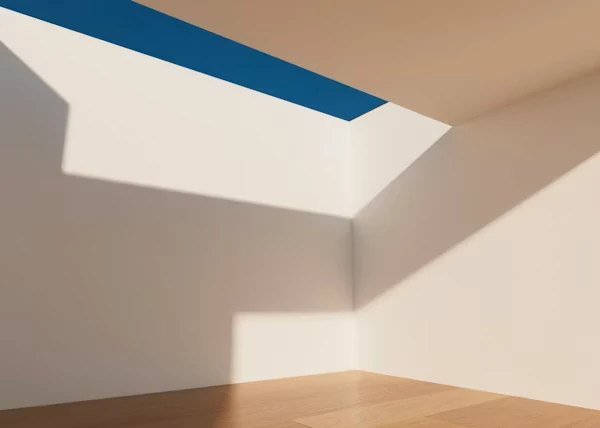
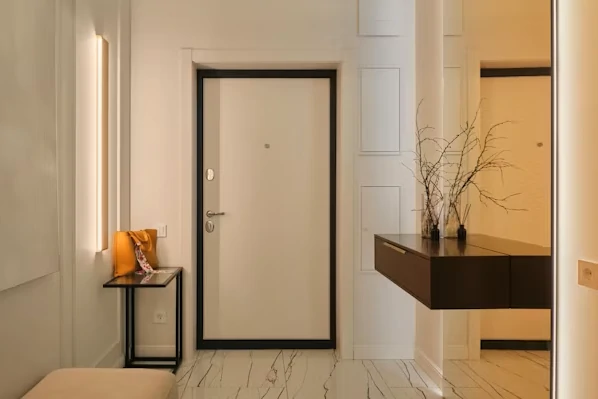
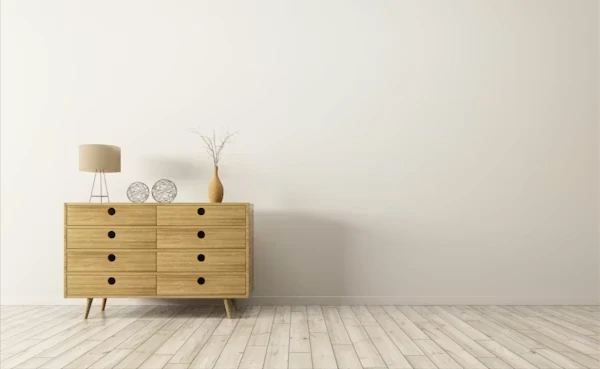
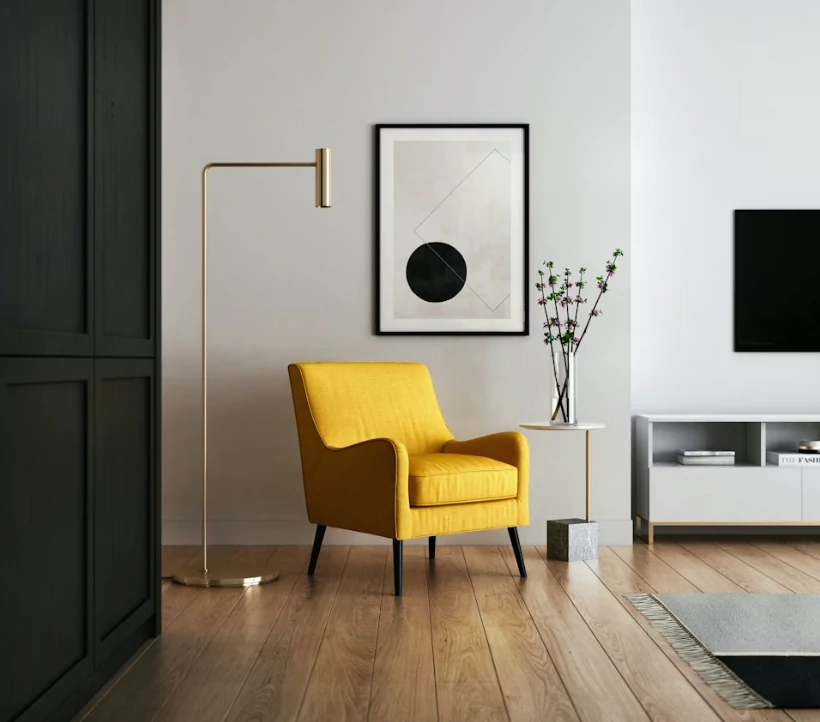
In design, this is often called Negative Space—the empty areas between objects that allow everything else to stand out.
In Feng Shui, a similar idea exists. Space isn’t wasted—it’s what allows Qi to move smoothly through a home.
And in Environmental Psychology, open and uncluttered environments are linked to reduced stress and better mental clarity.
Different fields, same intuition:
what you don’t fill matters just as much as what you do.
Why a “full” space feels tiring
When every surface is occupied, even if it’s tidy, your brain is still processing a lot.
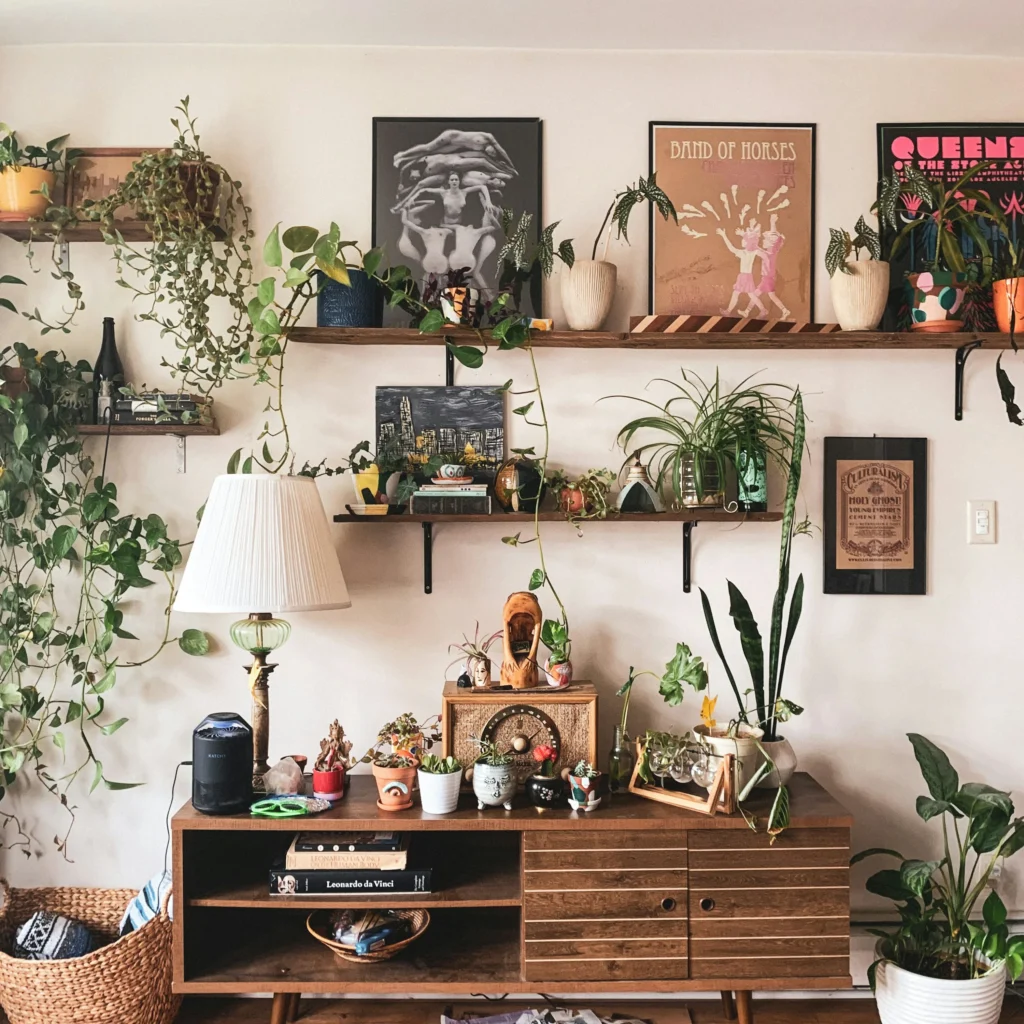
Books, decor, small objects, storage boxes, cables, textures—it all adds up.
Research in attention and perception suggests that when too many visual elements compete at once, they demand more mental effort to process.
You may not consciously notice it.
But your brain does.
And the result often feels like:
- subtle tension
- difficulty focusing
- a sense of heaviness in the room
Feng Shui would describe this as blocked or stagnant Qi.
Modern psychology would call it cognitive overload.
Either way, the experience is the same:
the space feels “loud,” even when it’s quiet.
Why “more space” doesn’t mean “less living”
One common misunderstanding is that leaving space means making a home feel empty or cold.
It doesn’t.
Good space is not about removing personality.
It’s about giving your space—and your mind—room to breathe.
Think of it this way:
- A shelf with 3 meaningful objects feels intentional
- A shelf with 15 objects feels crowded
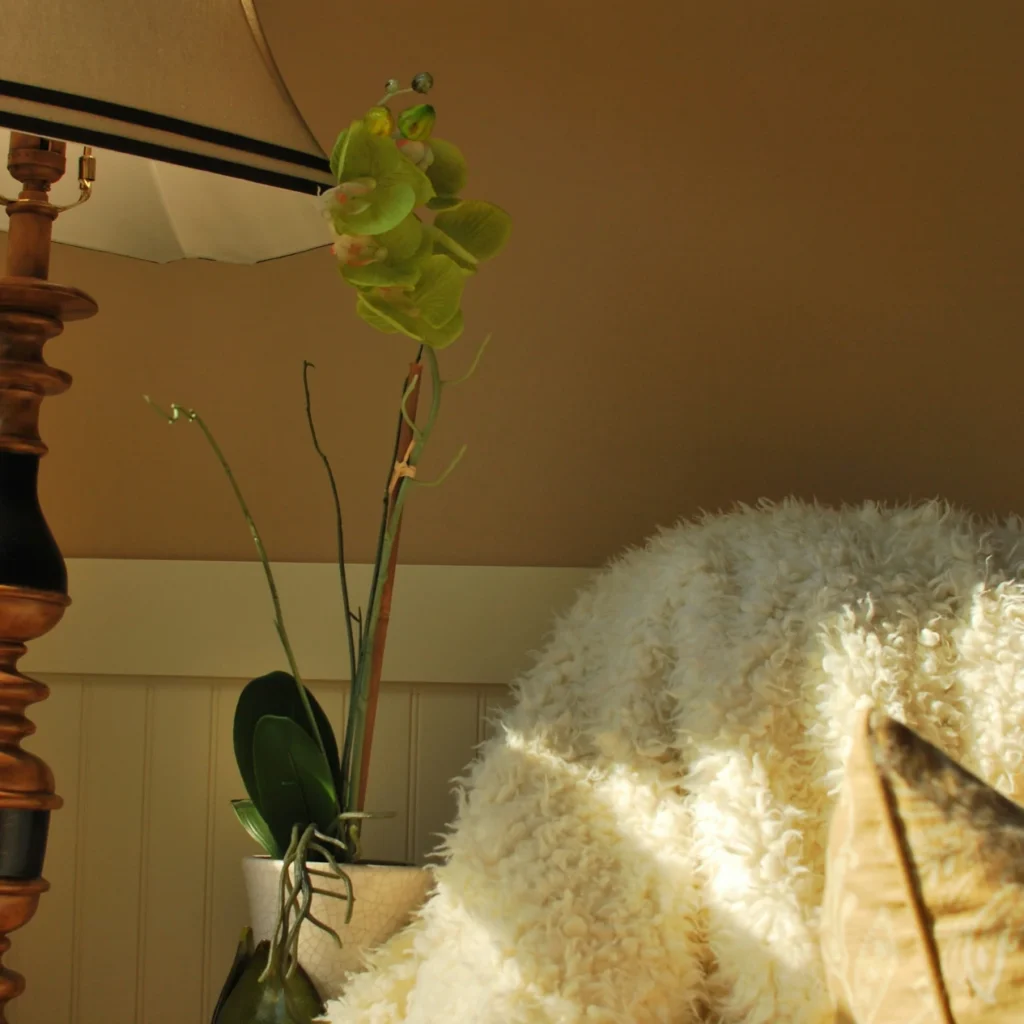
- A wall with one piece of art feels calm
- A wall fully covered can feel visually heavy
It’s not about having less.
It’s about letting what you have actually be seen and felt.