NEW JOURNAL NOTES ON SPACE, OBJECTS, AND EVERYDAY ATMOSPHERE
Visit Shop
Back to All Articles

Always Struggling to Let Go of Things? Start Here Instead.

In this article
Why Most People Get Stuck Step 1: Start with the Entrance Step 2: Clear Visible Surfaces Step 3: Handle “In-Between Clutter” Step 4: Finally, Tackle Storage & Sentimental Items A Small Shift in Mindset Final Thought: Start Small, Start Smart

This Feng Shui–inspired organizing method actually works.

In today’s fast-paced world, many people find it surprisingly difficult to throw things away.
This isn’t just about clutter. More often, it’s emotional—memories, “just in case” thinking, or simply not knowing where to begin.

From a Feng Shui perspective, organizing is not just about discarding objects. It’s about restoring the flow of qi (energy) through your home. When items accumulate, that flow slows down or becomes stagnant.

Interestingly, modern environmental psychology points to something very similar: clutter increases cognitive load, making it harder to focus, relax, and feel in control of your environment.

So instead of asking, “What should I throw away?”
A more helpful question is: “Where should I start?”

Because in organizing, direction matters more than effort.

Why Most People Get Stuck

A common mistake is starting with the hardest areas:

  • Closets full of old clothes
  • Boxes of sentimental items
  • Storage spaces you’ve avoided for years

These areas carry heavy emotional weight. Starting here often leads to decision fatigue—and eventually, giving up halfway.

Feng Shui suggests a gentler approach:

Start with flow, not emotion.

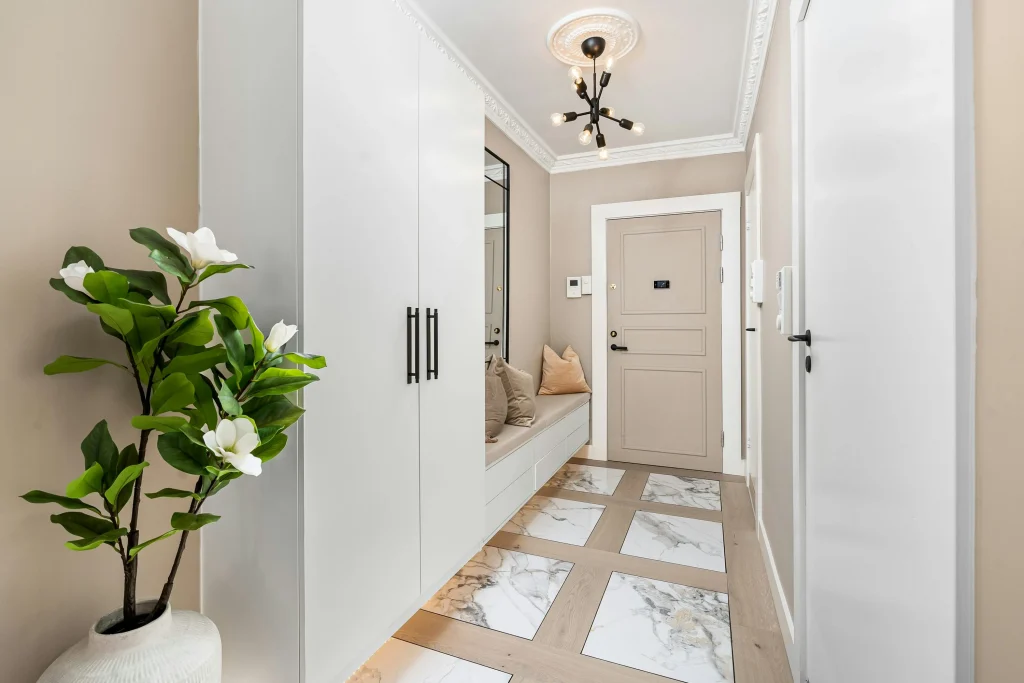
Step 1: Start with the Entrance

In Feng Shui, the entrance is where energy first enters your home—like the “first breath” of your space.

If this area is cluttered with shoes, boxes, or random items, the whole home already feels more crowded before you even step inside.

Why start here?

  • It’s usually small and manageable
  • The results are immediately visible
  • It sets the tone for the entire home

Simple actions:

  • Clear the floor
  • Group shoes in one place
  • Remove anything that doesn’t belong there

A clean entrance instantly makes the entire home feel lighter and more open.

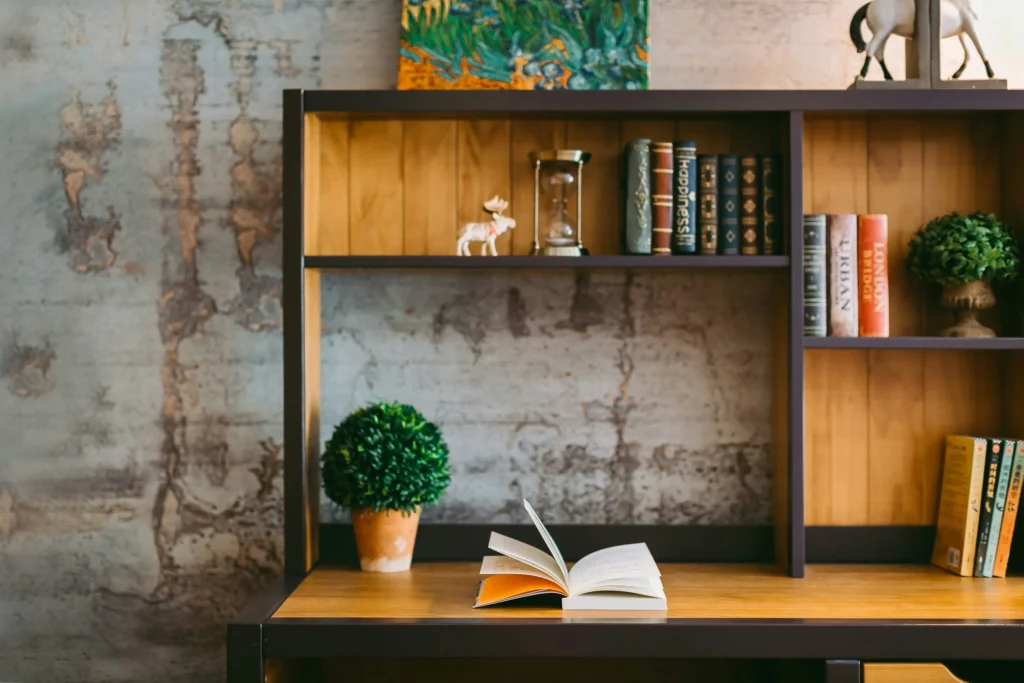
Step 2: Clear Visible Surfaces

Next, move to surfaces you see every day:

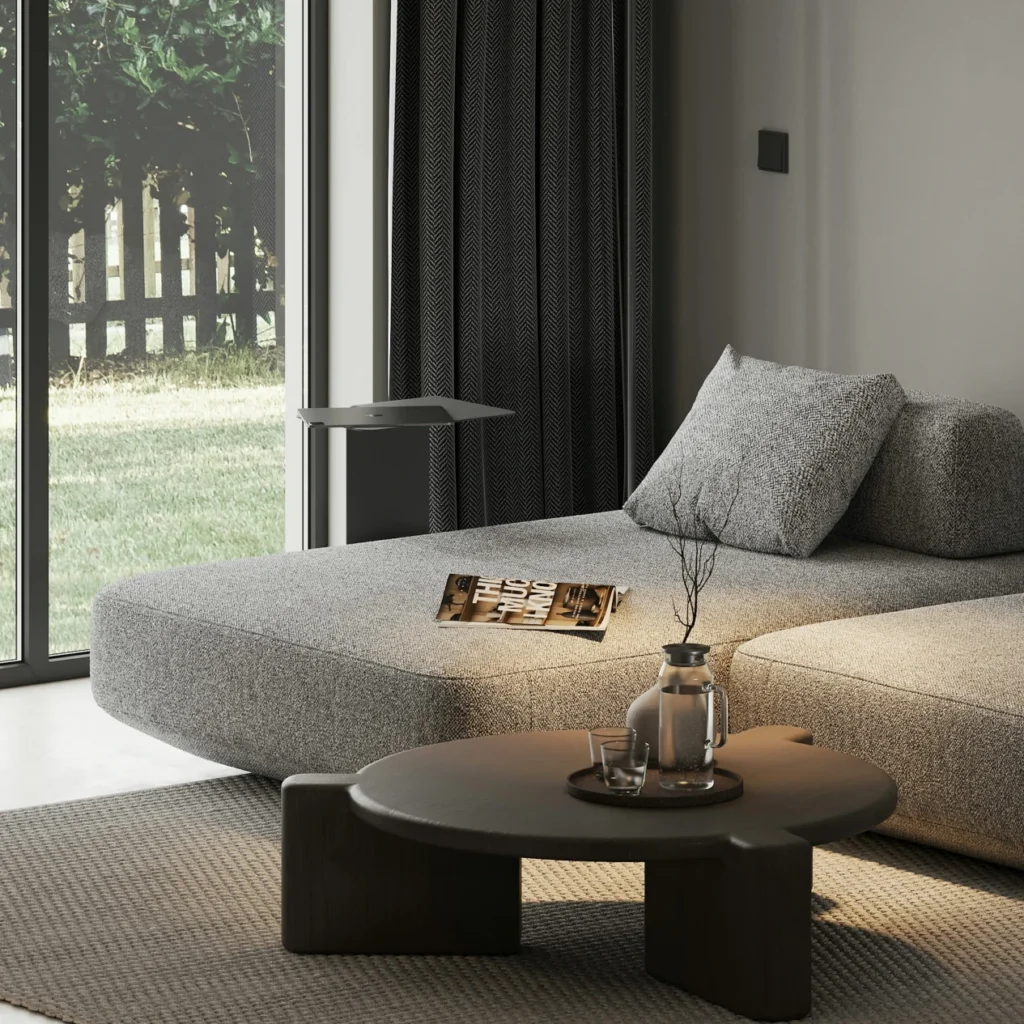
  • Coffee tables
  • Kitchen counters
  • Desks
  • Nightstands

These are the spaces your eyes return to constantly.

From a psychological perspective, even if you think you’ve “got used to it,” visual clutter continues competing for your attention in the background.

Simple actions:

  • Keep only what belongs to that space
  • Remove “temporary” items
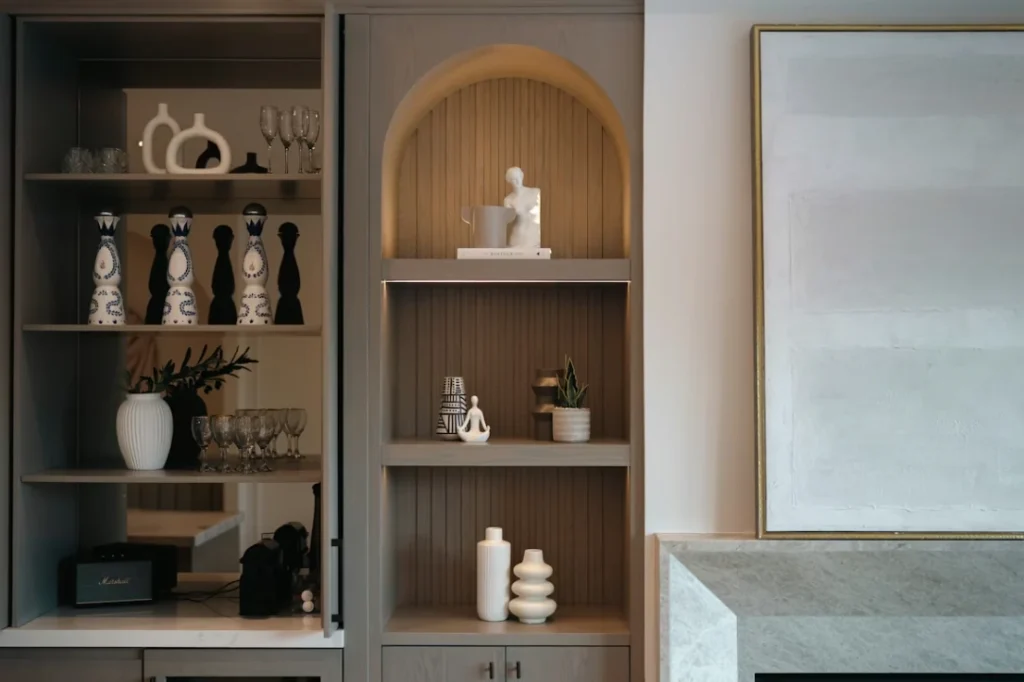
  • Leave a bit of empty space

You’ll likely notice a surprising sense of calm almost immediately.

Step 3: Handle “In-Between Clutter”

Now focus on items that don’t clearly belong anywhere:

  • Clothes draped over chairs
  • Unopened bags
  • Things you plan to deal with “later”

These represent postponed decisions.

In Feng Shui, this is often associated with stagnant qi.
In modern terms, it creates low-level mental stress that quietly drains your energy.

Simple actions:

  • Make quick decisions: keep, relocate, or discard
  • Avoid creating new “temporary piles”
  • Don’t overthink it

This step builds momentum and confidence.

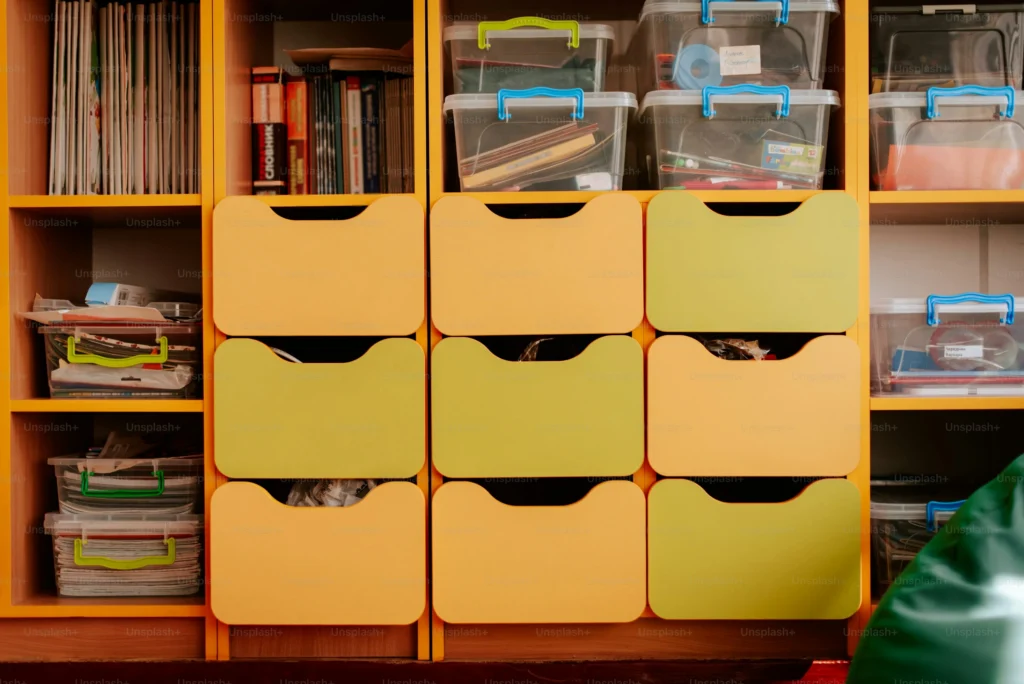
Step 4: Finally, Tackle Storage & Sentimental Items

Only after the previous steps should you open:

  • Closets
  • Drawers
  • Storage boxes
  • Memory items

At this point, your space already feels different—and your mind is clearer.

Simple actions:

  • Work in small sections (one drawer at a time)
  • Keep what still fits your current life
  • Let go of what only belongs to the past

If you didn’t feel overwhelmed earlier, this stage becomes much easier.

A Small Shift in Mindset

Many people hesitate because of thoughts like:

  • “What if I need this later?”
  • “What if I regret it?”

Feng Shui offers a different perspective:

Letting go is not loss.
It is making space for what comes next.

In practical terms:

  • Less clutter = less visual stress
  • Simpler spaces are easier to maintain
  • Open space allows more flexibility in daily life

You are not losing things—you are creating room for clarity, calm, and ease.

Final Thought: Start Small, Start Smart

You don’t need to declutter everything at once.

Start with:

  • The entrance
  • One surface
  • One small decision

Let the space shift gradually.

Because a good home isn’t the one with the most things—
It’s the one that feels good to live in.

Sometimes, progress simply begins by starting in the right place.

Same category navigation

More to read next

From reading to action

Keep thoughtful guides close as you shape a calmer home.

Save ideas for later, explore room-based guidance, or share what you would like us to write about next.
Explore Room Guides Use room-based guides when you want a calmer way to choose placement, materials, and daily-use pieces.
Share A Future Topic Tell us what spaces, objects, or topics you'd like us to explore next. We’re always open to new ideas and inspiration.
Journal Dispatch

A quiet letter for spatial living.

Receive calm notes on placement, materials, and living with more spatial clarity.