NEW JOURNAL NOTES ON SPACE, OBJECTS, AND EVERYDAY ATMOSPHERE
Visit Shop
Back to All Articles

Defying Gravity: How China’s Hanging Temple Transmits Ancient Wisdom to the Modern World

In this article
The Architecture of Resonance: A Universal Language The “Trojan Horse” of Philosophy: Three Faiths Under One Roof Engineering as Cultural Diplomacy: The Wisdom of “Yielding” More Than Wood and Stone

There is a particular kind of magic that happens when human architecture refuses to obey the laws of nature. We see it in the cliffside monasteries of Meteora, the mesa villages of the Puebloans, and most strikingly, in the jagged peaks of Mount Hengshan in China’s Shanxi Province.

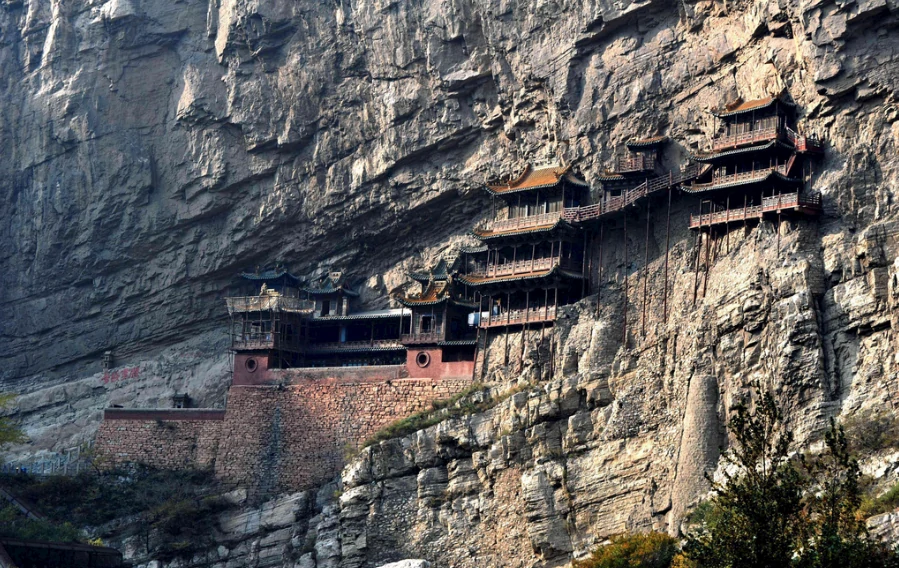
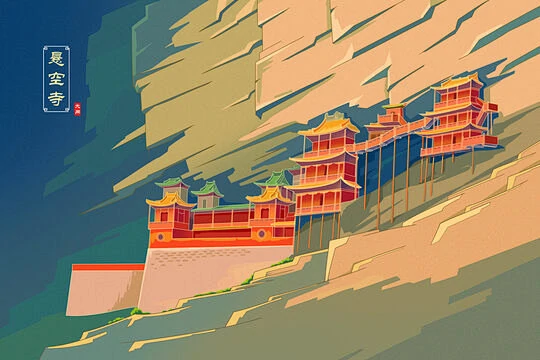
Here, pinned impossibly to a sheer rock face 50 meters above the ground, lies the Xuankong Si—better known in English as the Hanging Temple.

As a traveler and writer obsessed with how cultures speak to one another across time and borders, I’ve seen many wonders. But the Hanging Temple is different. It isn’t just a monument of architectural bravado; it is a profound vessel of cultural transmission. It doesn’t just hang off a cliff; it hangs at the intersection of philosophy, engineering, and global human curiosity.

Here is how this 1,500-year-old marvel continues to broadcast China’s ancient soul to the modern world.

The Architecture of Resonance: A Universal Language

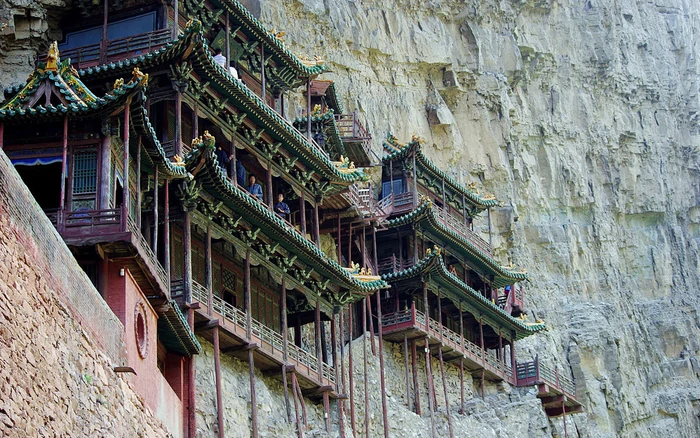
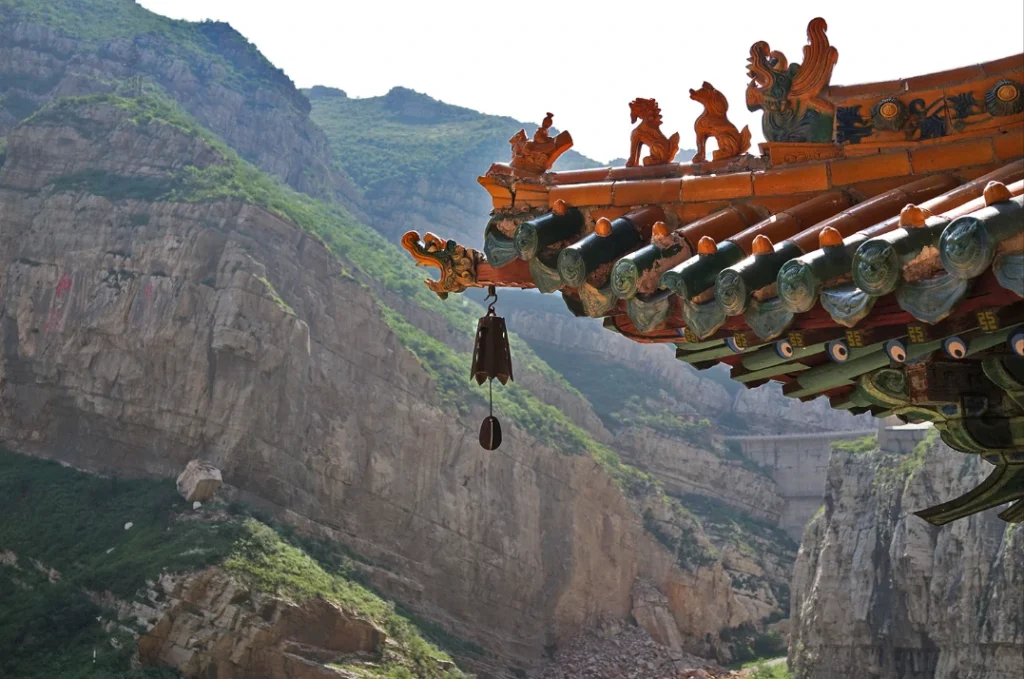
Before a foreign visitor even learns the history of the Hanging Temple, they feel its impact. The sheer visual audacity of a wooden structure clinging to a concave cliff, propped up by slender wooden pillars that seem far too fragile to hold its weight, triggers a universal human reaction: awe.

In the realm of cultural transmission, awe is the ultimate icebreaker. Language barriers, geopolitical differences, and cultural unfamiliarity all dissolve in the face of this gravity-defying structure. The visual spectacle acts as a universal hook. It draws people in, making them ask, “How? Why?” And once they ask, the transmission of culture has already begun.

The “Trojan Horse” of Philosophy: Three Faiths Under One Roof

When you climb the steep, creaking staircases and step into the tight corridors of the Hanging Temple, the deeper cultural narrative unfolds.

Built during the Northern Wei Dynasty (around 491 AD), the temple was conceived as a solution to a practical problem: the floods of the Hengshan river below. But it evolved into something far more significant—a rare, physical manifestation of philosophical harmony.

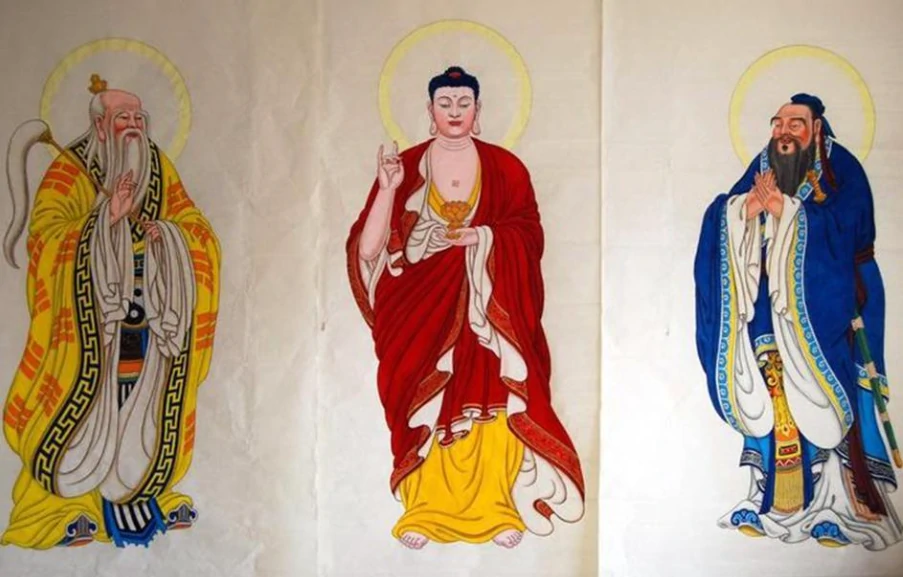
The Hanging Temple is unique in the world because it is dedicated to not one, but three distinct Chinese philosophies: Buddhism, Daoism, and Confucianism.

In the central hall, you will find the founder of Confucianism, Confucius, sitting alongside the founder of Daoism, Laozi, and the historical Buddha. For a global audience, this is a mind-bending concept. In a world often fractured by religious dogma, a 1,500-year-old Chinese temple quietly preaches a message of syncretism and tolerance. It transmits a core tenet of traditional Chinese thought: that different paths can coexist, complement each other, and even share the same roof.

This physical manifestation of inclusivity speaks volumes to overseas visitors, offering a nuanced understanding of Eastern spirituality that goes far beyond the stereotypes often portrayed in Western media.

Engineering as Cultural Diplomacy: The Wisdom of “Yielding”

How has the Hanging Temple survived 15 centuries of harsh winds, earthquakes, and the very laws of gravity? The answer is another profound cultural lesson.

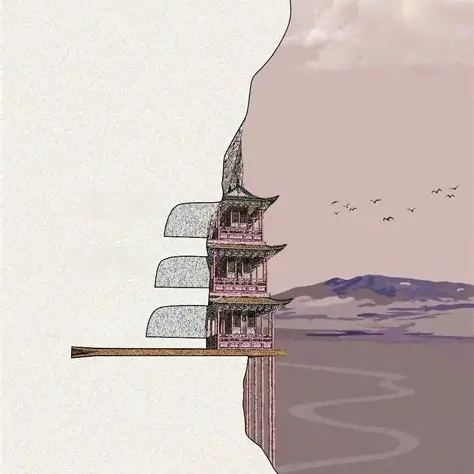
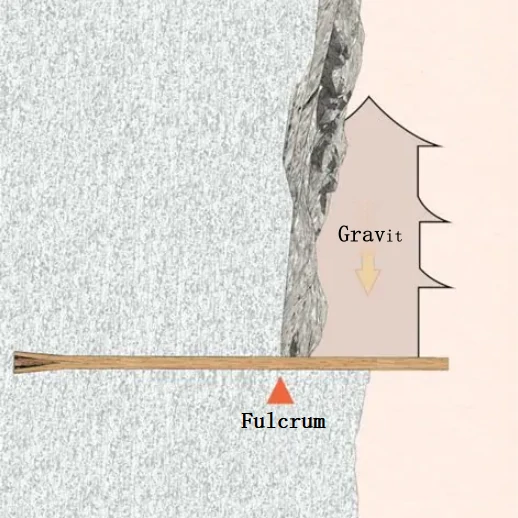
Many foreign engineers who visit are baffled by the structure. The secret lies not in resisting nature, but in yielding to it—a core Daoist principle. The temple is built into a natural concave pocket of the cliff, which shields it from rain and rockfalls. The wooden pillars that look like they are bearing the weight are actually moveable; the real weight is transferred into deep, horizontal beams carved into the rock.

During an earthquake, the structure sways and flexes rather than snapping. It is an architectural embodiment of the Daoist concept of Wu Wei (effortless action) and the philosophy of “yielding to overcome.”

When international architects and travelers study this ancient engineering, they aren’t just learning about old construction techniques; they are absorbing a deeply Chinese worldview. They are learning that true strength often lies in flexibility and working with nature, rather than conquering it—a message the modern world desperately needs.

More Than Wood and Stone

The Hanging Temple reminds us that the most successful cultural transmission is rarely didactic. It doesn’t preach; it demonstrates. Through its breathtaking audacity, its embrace of three philosophies, and its ingenious harmony with nature, it whispers a story about the Chinese spirit: resilient, inclusive, and deeply attuned to the natural world.

As I stood on its wooden planks, feeling the gentle sway and looking down at the riverbed below, I realized that the Hanging Temple isn’t just hanging off a cliff. It is hanging across time, holding onto the wisdom of the ancients and offering it freely to anyone willing to make the climb.

Have you ever visited a place whose architecture completely changed how you understood a culture? 

Same category navigation

More to read next

From reading to action

Keep thoughtful guides close as you shape a calmer home.

Save ideas for later, explore room-based guidance, or share what you would like us to write about next.

Explore Room Guides Use room-based guides when you want a calmer way to choose placement, materials, and daily-use pieces.
Share A Future Topic Tell us what spaces, objects, or topics you'd like us to explore next. We’re always open to new ideas and inspiration.
Journal Dispatch

A quiet letter for spatial living.

Receive calm notes on placement, materials, and living with more spatial clarity.