Can a More “Open” Home Actually Save Energy?
Feng Shui says these three areas should always have room to breathe
Empty space does not mean lack. In many ways, it is one of the smartest ways to make room for good energy.
Have you ever had this experience? You walk into a room filled with clutter and immediately feel tense, heavy, or slightly overwhelmed. Then you step into a clean, open home and your whole body relaxes.
In feng shui, this is not just about tidiness. It is about how space affects the flow of qi, the vital life force traditionally understood to move through everything. When a home becomes too crowded, that energy is thought to stagnate; when a space feels open, bright, and orderly, the home often feels calmer and more comfortable.
There is an old Chinese idea that when something is too full, it begins to spill over. The same idea applies to the home. More is not always better. In fact, feng shui suggests that if you want your home to feel truly supportive and nourishing, there are three important areas that should stay relatively open, bright, and able to “breathe.”
So whether you live in a city apartment or a larger house, these are three places where less may actually bring more.

01. The Entryway: Your Home’s Energy Gateway
Why should it stay open?
In feng shui, the entryway is one of the most important transition points in a home. It is where outside energy meets your inner world. You can think of it as the front gate of the house, not only physically, but emotionally too.
If this area is crowded with scattered shoes, delivery boxes, shopping bags, or dust, the space quickly feels cramped and chaotic. Even without using feng shui language, most people can feel the difference. A cluttered entrance creates stress before you have even fully stepped inside.
From a feng shui point of view, when the entry is clear, bright, and open, qi has room to enter and move. From a modern point of view, it simply makes coming home feel easier. You walk in, and you can finally exhale.
Easy ways to create more space here
- Keep the floor clear. Store shoes in a cabinet instead of leaving them by the door.
- Avoid tall storage units or bulky furniture near the entrance, especially if they make the area feel visually heavy.
- Make sure the space feels bright and fresh, ideally with soft lighting and a little airflow.
In short: A clear entryway helps the whole home feel more welcoming, open, and easy to settle into.

02. The Kitchen Stove Area: The Heart of Daily Nourishment
Why shouldn’t it feel crowded?
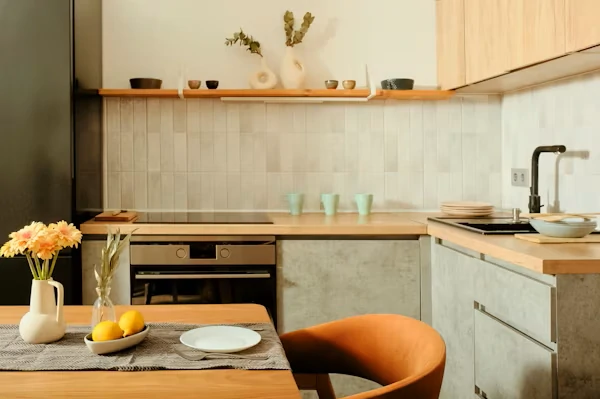
In traditional feng shui, the kitchen is closely connected to nourishment, vitality, and the household’s material well-being. The stove is especially important because it is tied to warmth, food, and the rhythm of everyday life.
That is why a cluttered stove area can feel especially oppressive. Piles of unwashed cookware, random items left on the counter, or too many exposed sharp tools can make the space feel tense, crowded, and visually chaotic. In feng shui terms, this can weaken the sense of flow and abundance in the home.
There is another layer to this as well: the kitchen should not feel lifeless. In many modern homes, people cook less often, and the kitchen slowly becomes a storage zone rather than a living space. Feng shui sees active use of the kitchen — heat, warmth, movement, preparation — as a positive sign of life and energy in the home.
Easy ways to create more space here
- Try to keep the countertop clear after cooking.
- Store knives and sharp tools neatly rather than leaving them exposed.
- Use the kitchen regularly, even for small things like boiling water, making tea, or preparing simple meals.
In short: The kitchen does not need to look empty, but it should feel clean, lively, and well cared for.
03. Under the Bed: The Quiet Zone of the Bedroom
Why should it stay breathable?
Many people love under-bed storage, especially in smaller homes, because it feels practical. But in feng shui, the area beneath the bed is more than extra storage. It is also part of the energetic environment around sleep.
A bedroom should feel calm, restful, and emotionally soothing. If the space under the bed is packed with old clothes, documents, shoes, boxes, or forgotten belongings, the room can feel heavier than it needs to.
In feng shui, this is often described as stagnant qi. In simpler terms, clutter under the bed can make the bedroom feel less restful and less peaceful. Even if you do not consciously notice those items, the room may still feel stuffy, heavy, or slightly unsettled.
Easy ways to create more space here
- If possible, choose a bed frame with open space underneath.
- If you must store things there, keep it limited to clean, neatly packed seasonal items.
- Avoid using that area for clutter, shoes, old books, or anything that feels forgotten or emotionally heavy.
In short: More open space under the bed can help the bedroom feel lighter, calmer, and more supportive of real rest.
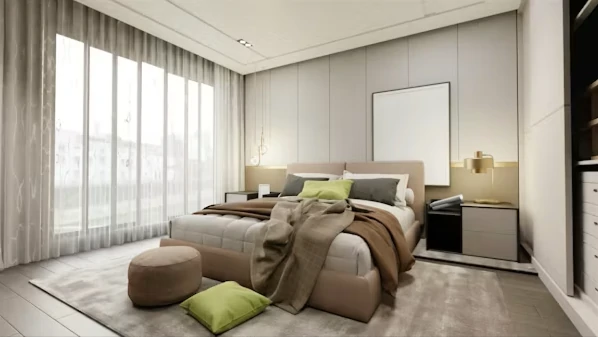
A final thought: Empty space does not mean an empty life
Traditional Chinese thought, including ideas shaped by yin and yang, values balance rather than excess. The goal is not to live in a bare, cold house. It is to leave enough room for light, movement, stillness, and comfort to exist.
So when feng shui talks about keeping certain places “empty,” it is really talking about intentional space.
Not scarcity.
Not performative minimalism.
Just thoughtful breathing room.
If you want to start small, begin with these three places:
- Clear the entryway so coming home feels easier.
- Simplify the stove area so the kitchen feels more alive and intentional.
- Open up the space under your bed so the bedroom can truly become a place of rest.
A good home does not need to be filled with things to feel abundant.
Sometimes, the best way to add more to a space is to leave a little more space in it.