Moving Into a Rental? A Feng Shui-Inspired Guide to Starting Well
More people than ever live in rentals for work, school, or simply flexibility. A rental may not be your forever home, but it still affects how you sleep, think, and feel every day. In traditional feng shui, the arrangement and condition of a home are linked to the flow of qi, or vital energy; in modern terms, things like cleanliness, ventilation, dampness, lighting, and basic safety clearly shape comfort and wellbeing too.
So when you move into a rental, the goal is not to chase superstition. It is to create a space that feels clean, calm, safe, and easy to live in. Here is a practical, feng shui-friendly way to do that.
1. Clean first — always
If there is one thing to do on move-in day, it is this: clean the place thoroughly and air it out.
From a feng shui point of view, this helps clear out the stagnant energy left behind by previous occupants. From a practical point of view, it helps remove dust, odor, moisture, and whatever has been sitting in the room before you arrived. The EPA recommends controlling moisture and addressing mold promptly, and both EPA and CDC stress that airflow and ventilation matter for healthier indoor air.
Open the windows if conditions outside are good. Wipe surfaces, sweep corners, clean the bathroom and kitchen, and pay attention to any musty smell. If you spot signs of leaks, dampness, or mold, flag them immediately with the landlord rather than hoping they will disappear on their own. Damp buildings are associated with respiratory and other health problems, and both EPA and CDC recommend fixing water problems quickly.
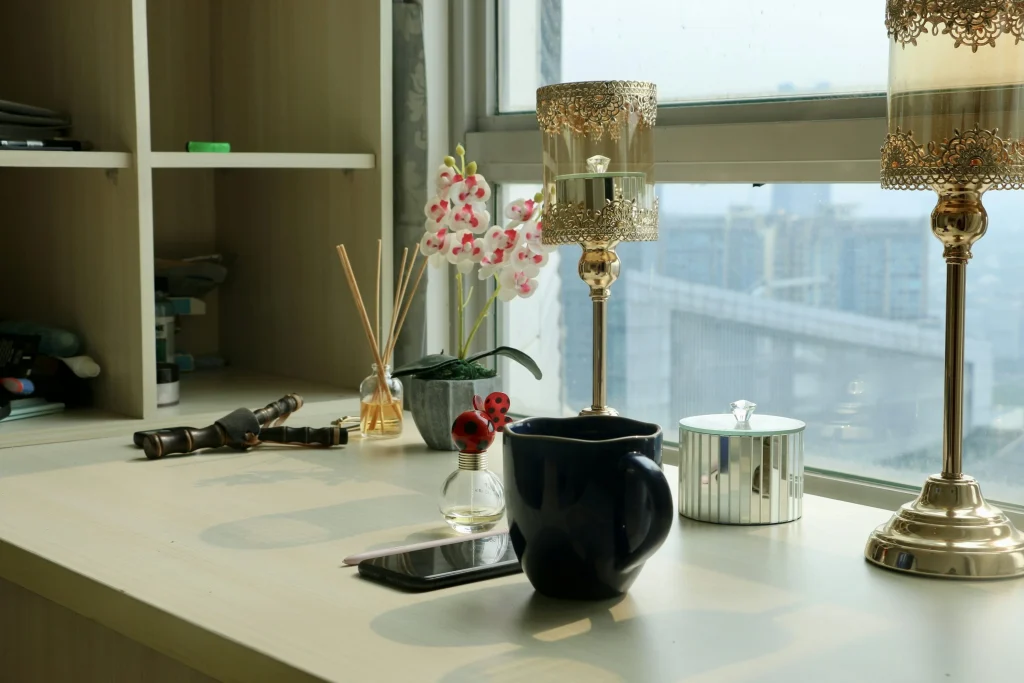
2. Treat move-in day like a reset, not just a task
In feng shui, the first day in a home is often treated as the moment you set the tone. That does not have to mean anything mystical. It can simply mean being intentional.
Try to move in with a reasonably good mindset. Play music. Bring in a little light. Make the bed. Brew tea. Eat something simple. A calmer start usually makes the space feel more like yours, faster. From a feng shui perspective, that supports smoother energy; in everyday life, it supports emotional ease and a better start.
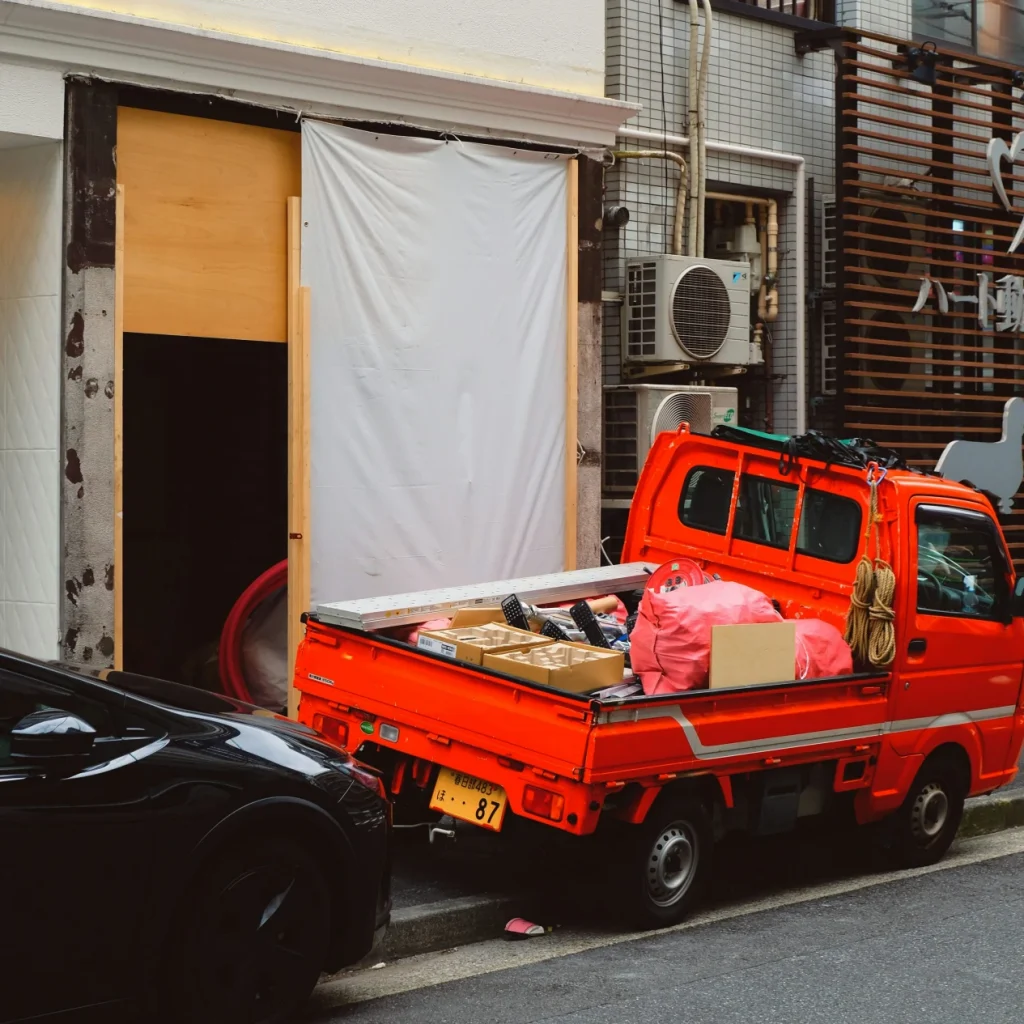
3. Check the basics before you settle in
This part matters a lot more than people think.
As you clean, do a proper walk-through. Check the locks, windows, lights, electrical outlets, faucets, sink drainage, exhaust fans, floors, and any signs of cracks or water damage. HUD’s sample move-in inspection forms specifically include doors and locks, lighting, electrical outlets, faucets, exhaust fans, smoke/fire alarms, and other equipment as part of a safe move-in checklist.
Also check smoke alarms and fire safety equipment right away. A rental should feel not just cozy, but safe and sanitary. HUD’s move-in inspection language explicitly uses that standard: “decent, safe, and sanitary condition.”
If something is broken, leaking, loose, or unsafe, report it to the landlord as early as possible and keep a record. This is not just good feng shui. It is good self-protection.

4. Be careful with “too good to be true” rent
If a rental is priced far below the local market, slow down and look harder.
That does not automatically mean anything sinister. But it can mean hidden problems: a poor location, bad ventilation, dampness, safety issues, noise, broken systems, or lease complications. A low price is only a bargain if the unit is actually livable and in safe condition.
For overseas readers, this is probably the most practical translation of an old feng shui warning: do not let price blind you to the condition of the space.
5. Older rentals need closer inspection, not automatic rejection
Older homes are not automatically bad. In fact, many are beautiful. But older rentals do deserve a more careful look.
Pay extra attention to light, airflow, leaks, dampness, aging fixtures, worn outlets, weak locks, and signs that maintenance has been delayed. The EPA and CDC both emphasize moisture control and ventilation as major indoor-air issues, and HUD’s move-in inspection forms show just how many basic systems should be checked before settling in.
So instead of thinking “old house equals bad feng shui,” a more grounded rule is: older rental, closer inspection.
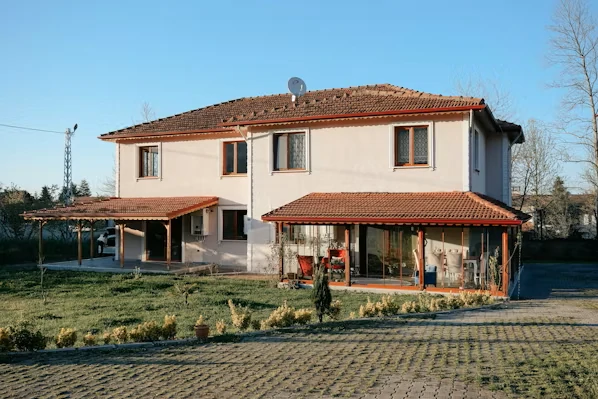
6. Do not choose isolation unless you truly want it
Location matters.
From a feng shui perspective, a home that feels too isolated can feel low-energy or unsupported. In practical life, a very remote rental can also mean weaker day-to-day convenience, fewer nearby services, darker surroundings, and a stronger sense of disconnection.
That does not mean everyone needs a busy city block. It just means the surrounding environment affects how a place feels. A home with reasonable access, some human activity nearby, and a sense of everyday life around it often feels easier to settle into.
7. Small things that help a rental feel better fast
Once the place is clean and the essentials are checked, a few simple touches can make a big difference.
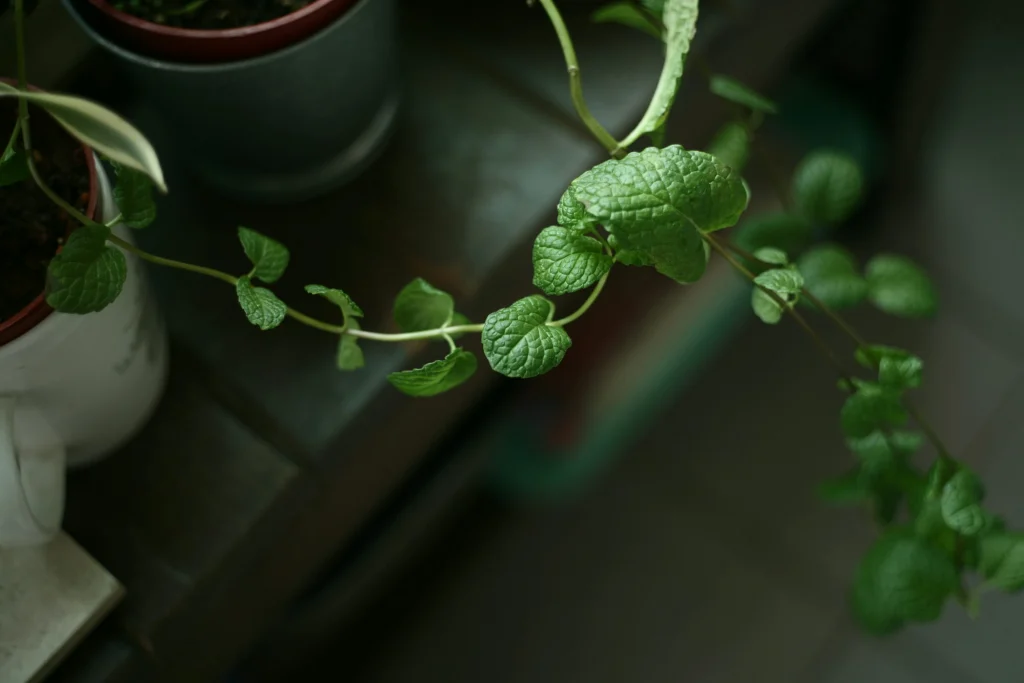
Add one or two plants. From a feng shui perspective, plants symbolize growth and vitality. In everyday design terms, they soften a room and make it feel less temporary. Just keep them appropriate to the light and your lifestyle.
Hang something warm or meaningful on the wall. Art with a calm, uplifting feeling can make a rental feel less anonymous and more like home. From a feng shui angle, imagery matters because it affects the emotional tone of the room.
Keep the place orderly. Clutter does not just look messy. It makes a small space feel tighter and harder to relax in. In feng shui terms, clutter blocks flow; in modern life, it just creates friction.
8. The real point of rental feng shui
Whether a home is rented or owned, the basics do not really change.
A good living environment supports your mood, your health, and your routines. Feng shui frames that in terms of harmony, flow, and energy. Modern housing guidance frames it in terms of ventilation, moisture control, safe fixtures, and livable conditions. These are not enemies. Very often, they point in the same direction.
So if you are moving into a rental, you do not need a dramatic ritual. Start with the basics:
clean it well,
air it out,
check everything,
fix what you can,
and set the tone with intention.
That alone will take you surprisingly far.