Don’t Rush to Buy a Feng Shui Object — Do This First
A lot of people make the same mistake when they start paying attention to feng shui: they get the order wrong.
Maybe this sounds familiar.
You have been feeling a little off lately, then you see a post online saying a crystal cluster or a bagua mirror can attract abundance or block bad energy, and suddenly you want to click “buy.” Or maybe you just moved into a new home, something feels slightly wrong, and your first instinct is to shop for a few feng shui objects to fix it.
Hold on.
Before you spend money on any “special cure,” there is one thing that matters more than the object itself. If you skip this step, even the most beautiful or expensive piece will have limited effect—and sometimes may just add to the problem.
That thing is simple:
a real, honest declutter.
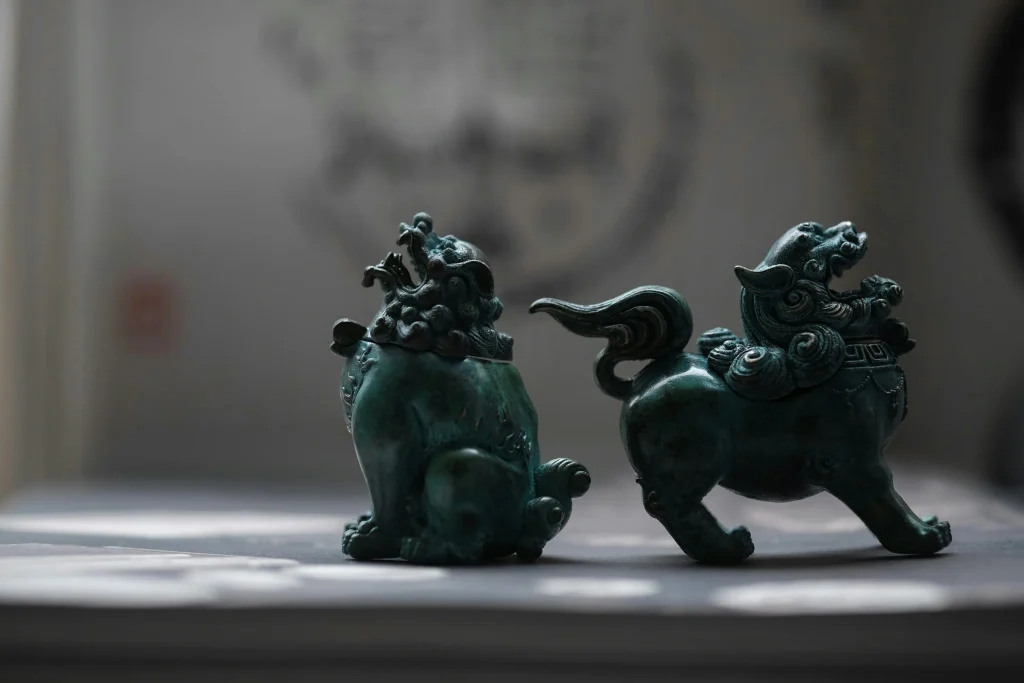
Why decluttering has to come first
1. From a feng shui perspective: if energy cannot move, nothing else really works
At the heart of feng shui is one core idea: the flow of qi, often understood as vital energy. Traditionally, feng shui is concerned with arranging spaces in ways that allow that energy to move in a supportive, harmonious way.
Imagine you are hosting an important gathering in a room. Which space feels more welcoming: a storage room packed with forgotten stuff, or a bright, open room where people can actually move around?
Feng shui often talks about “gathering” good energy, but there is an important condition built into that idea: the energy has to be alive and moving first. If your home is full of clothes you have not worn in years, dusty delivery boxes, and stacks of things with no real place, the space starts to feel stagnant. In feng shui language, you could say the flow is blocked. In plain language, the home just feels heavy.
And in a home where the energy already feels stuck, adding more objects does not magically solve the problem. Sometimes it only gives the clutter a prettier face.
2. From a scientific perspective: clutter quietly drains your brain
If the word “qi” does not resonate with you, we can say something very similar through environmental psychology and attention research. APA describes climate and environmental psychology as a field that uses psychological science to improve how people interact with the world around them.
Research tied to Princeton attention studies found that when multiple visual stimuli compete in your field of view, they compete for neural representation too. In simple terms, visual clutter makes the brain work harder to filter out what does not matter, and that mental filtering can tire cognition over time.
That is why clutter can create a kind of hidden background tax. You keep seeing the pile, even when you are trying not to. You keep postponing decisions, even when you do not consciously mean to. Over time, that can turn into mental friction, decision fatigue, and a space that feels harder to relax in.
There is also some evidence that stressful home environments can show up in the body. One UCLA-linked study found that women who described their home environments as more stressful had flatter daily cortisol slopes, a pattern associated with poorer stress regulation.
So when life feels “stuck,” it is not always because you are missing a special object.
Sometimes your environment is simply asking too much of your attention.

Do this first: a simple three-step reset
Before you add anything to your cart, take one weekend and do this first.
Step 1: Clear the entryway
Feng shui logic: the front door is where energy enters the home, so a blocked entrance makes the whole space feel less open and welcoming.
Everyday logic: the entryway is your first visual landing point when you come home. A cleaner entrance helps the home feel calmer from the very first second.
Action: throw out damaged shoe boxes, put away the shoes you are not wearing, and let the floor show again.
Step 2: Clear under the bed
Feng shui logic: the space under the bed is ideally quiet and undisturbed, so piling it with random things can make the room feel heavier.
Everyday logic: even if you cannot see the clutter all the time, you can often feel it. A bedroom tends to feel calmer when the space around sleep is lighter, cleaner, and less compressed.
Action: ideally, keep under the bed empty. If you really need storage there, limit it to clean, sealed, neatly packed items. Old clothes you do not wear anymore? Donate them or let them go.
Step 3: Clear the kitchen counters
Feng shui logic: the kitchen is often linked to nourishment and household abundance, so a crowded, greasy stove area can make the room feel blocked.
Everyday logic: messy counters raise the barrier to cooking. A clean kitchen feels easier to use, and using it more often is usually good for both your routine and your budget.
Action: put rarely used appliances back in the cabinet, group your seasonings neatly, and leave at least one part of the counter and stove area visibly clear.

Only after that, think about objects
Once you have done the clearing, you will probably notice something right away:
- the room feels bigger
- your mind feels quieter
- everyday tasks feel easier again
Some of that may feel like “better energy.” Some of it is simply less visual noise and less mental overload. Either way, the result is real.
That is the moment to think about adding something.
If the entryway still feels cold, then add a warm lamp or a healthy green plant. If a certain area still feels visually unresolved, then maybe a carefully chosen crystal or decorative piece can support the space.
The point is this:
feng shui is best as support, not rescue.
A cluttered home will not suddenly transform because one symbolic object was added to it. But a home that already feels open, breathable, and cared for often improves before any object enters the picture.
First learn how to leave space.
Then decide what deserves to fill it.
That is often the cheapest, simplest, and most effective first step.
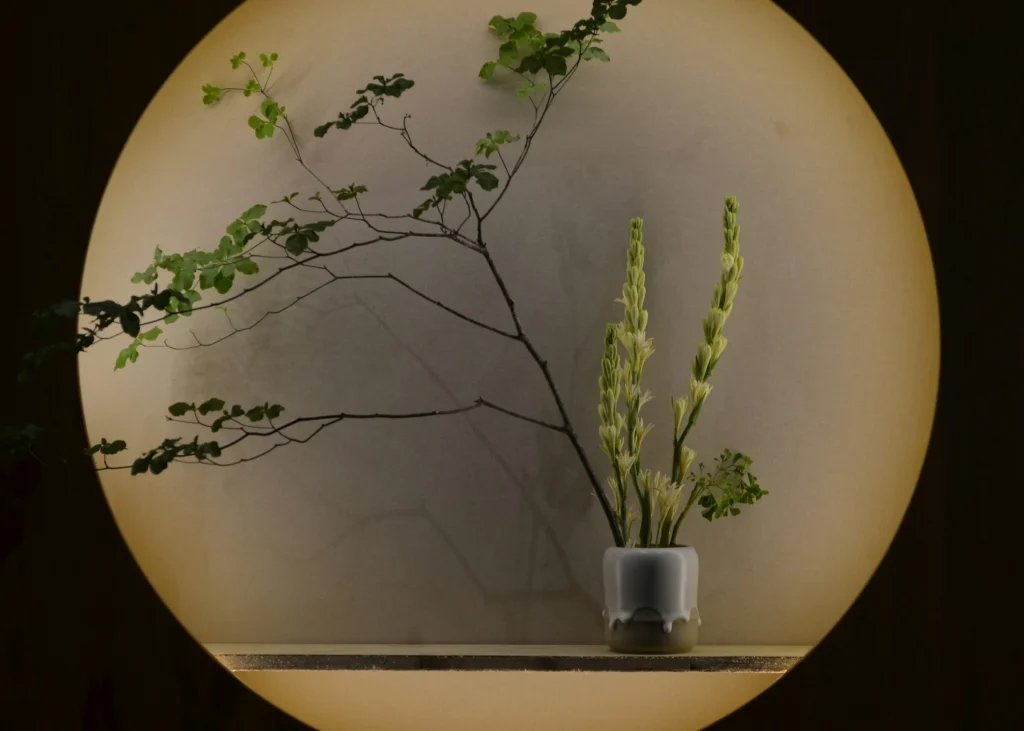
Final thought
The next time you feel tempted to buy another cute little “lucky” object, pause for a second and look around your room.
Ask yourself:
Do I really need a new object to change the energy here? Or am I trying to shop my way out of the discomfort of finally dealing with the mess?
Starting today, treat letting go as your first protective charm.
You may find that when you remove what is unnecessary, uncomfortable, or long overdue to leave, something surprisingly useful appears in its place:
space.
And sometimes, that is exactly what good energy has been waiting for.