Why the Kitchen Isn’t Always the Best Place for a Fridge
And No, It’s Not Superstition
A refrigerator is one of those appliances almost every home depends on. Modern fridges are bigger, quieter, and better insulated than they used to be, which makes buying one much easier than it was in the past.
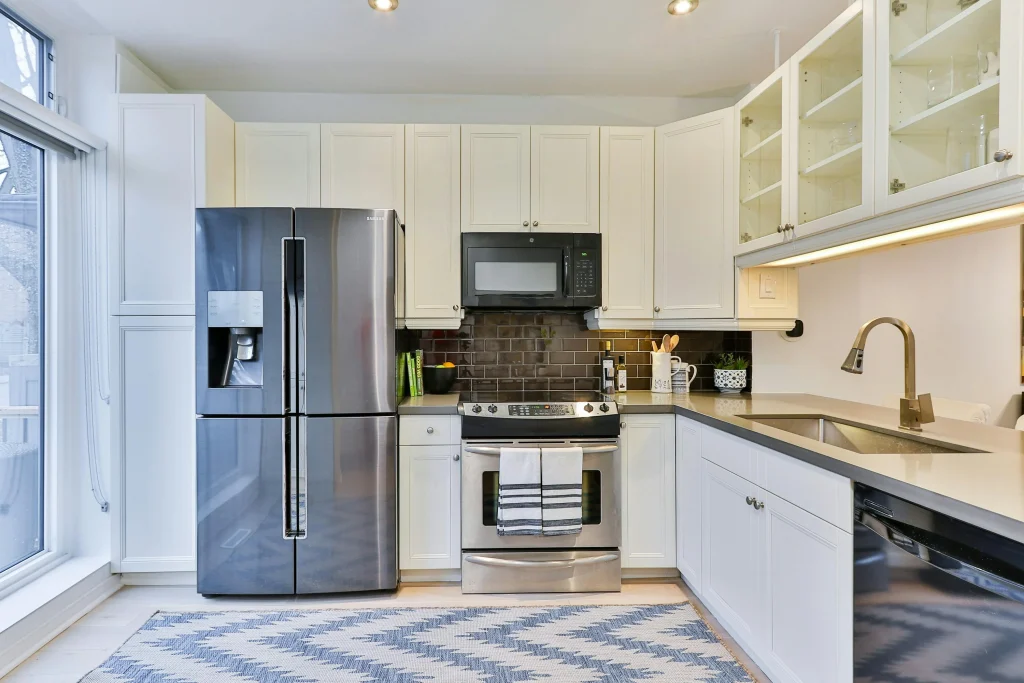
So the more interesting question is not really which fridge should you buy?
It is: where should you put it?
A lot of people place the fridge in the kitchen by default because it feels convenient. And yes, in some homes that still makes sense. But after living with it, many people realize the kitchen is not always the most practical spot.
And the reason has nothing to do with superstition.
It is mostly about space, heat, ventilation, cleaning, and day-to-day usability. Official refrigerator guidance from major manufacturers repeatedly says to keep the appliance away from heat sources and to leave enough clearance around it for airflow and door opening.
Why putting a fridge in the kitchen can be a problem
1. It takes up valuable kitchen space
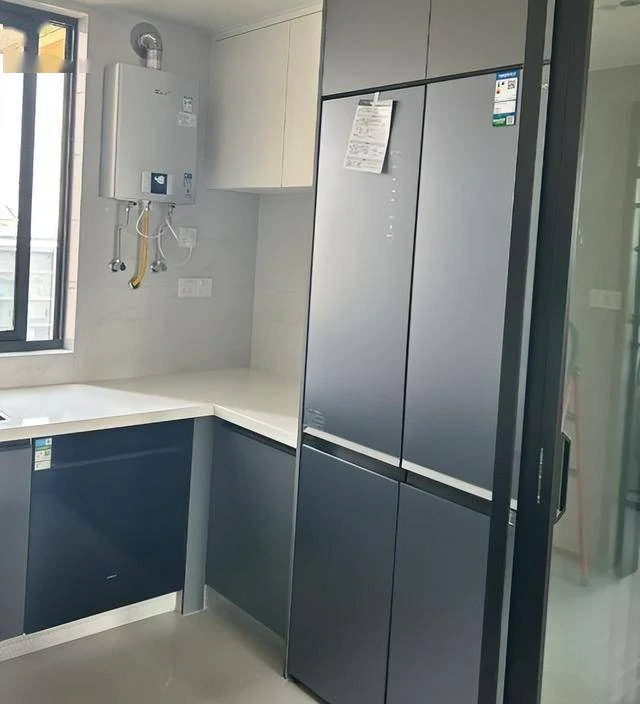
Most kitchens are already working hard. Cabinets, prep space, small appliances, storage baskets, and cookware all compete for room. Add a large refrigerator to that mix, and the kitchen can start to feel crowded very quickly.
In smaller kitchens, this often creates an annoying practical problem: the fridge door may not open fully, or it may bump into cabinets, walls, or the kitchen door itself. Manufacturer installation guides specifically mention leaving enough room for opening and closing the doors and enough surrounding space for service and clearance.
2. Heat can make the fridge work harder
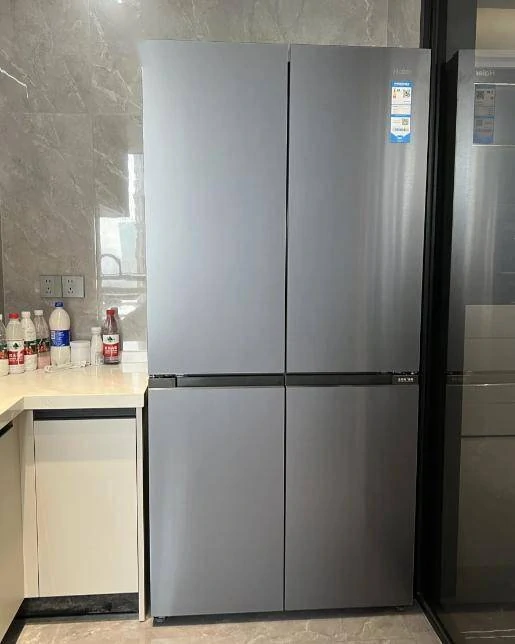
A refrigerator runs all day, every day, and it needs room to release heat. Many models vent from the back, sides, base grille, or bottom area depending on the design, which is why manufacturers stress proper installation clearance and warn against blocking ventilation. LG, Samsung, and Whirlpool all note that poor clearance can reduce cooling performance or make the unit work harder.
That matters in the kitchen, because the kitchen is also the place where heat builds up most easily. Ovens, ranges, dishwashers that vent hot air, and everyday cooking can all raise the surrounding temperature. Whirlpool’s official guidance says refrigerators should be kept away from ovens, ranges, dishwashers that vent heat, and other heat sources because extra heat raises cabinet temperature and increases run time.
Some newer built-in or counter-depth models do use bottom or front-access ventilation, which can make layout planning easier, but manufacturers still recommend checking the exact clearance rules for your model rather than assuming every fridge works the same way.
3. It can create more cleaning trouble
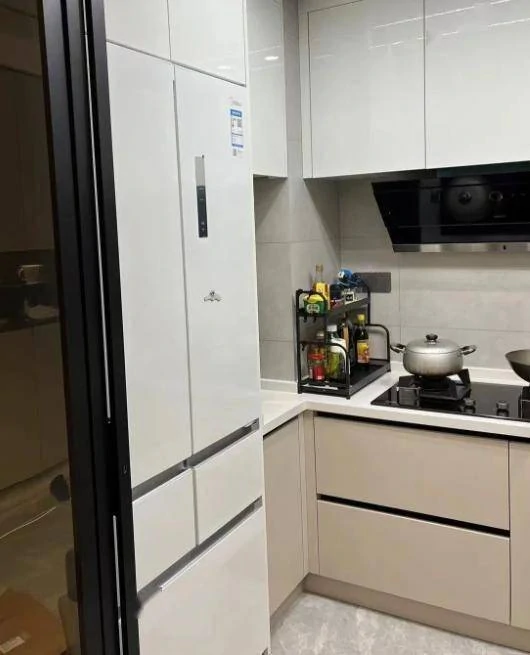
This one is simple, and anyone who cooks regularly already knows it: kitchens collect grease, steam, splashes, and food residue. When the fridge sits right in the middle of the cooking zone, its exterior tends to get dirtier faster.
That does not mean the fridge will instantly fail, but it does mean more wiping, more fingerprints, and more general upkeep. Whirlpool’s care guides recommend regularly cleaning exterior surfaces and preventing grime buildup on kitchen appliances.
4. It is not ideal right next to a heat source
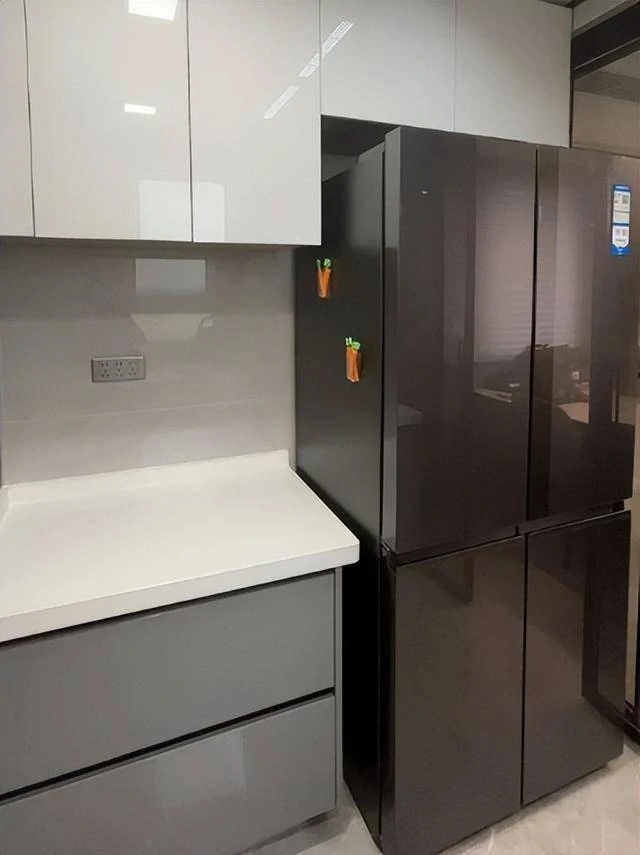
This is the part worth taking seriously: a fridge should not be placed too close to a stove, oven, radiator, or other strong heat source. That is not a feng shui rule. That is standard installation advice.
Whirlpool explicitly states that a refrigerator should not be installed next to an oven, range, radiator, or similar heat source because it may not cool properly and may run longer.
So where should the fridge go instead?
If your kitchen is spacious, well ventilated, and designed around the fridge, keeping it there may still be completely fine.
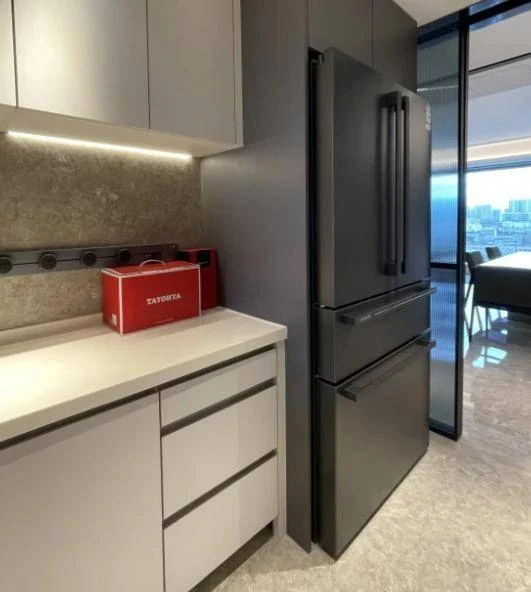
But in many homes, a dining area, breakfast area, or pantry wall right next to the kitchen ends up being the better spot.
Why? Because it is often cooler, easier to ventilate, and less cramped. That is an inference, but it follows directly from manufacturer guidance that refrigerators perform best when they have room to breathe, enough clearance to open properly, and some distance from heat-producing appliances.
1. Better environment for ventilation
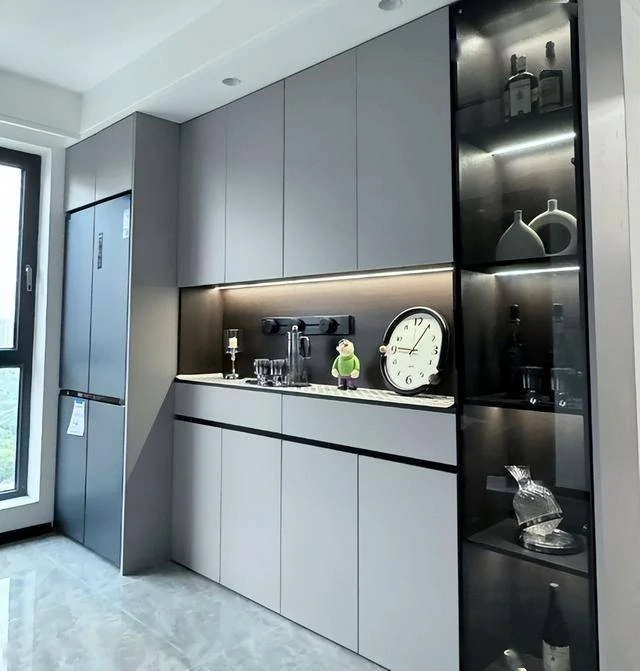
If the fridge is placed in a dining area or adjacent cabinetry wall, it is often easier to design proper ventilation around it. Many built-in looks work well here, especially when the cabinetry is planned around the fridge rather than forcing the fridge into an already hot, crowded cooking zone.
Official installation checklists from LG and Whirlpool both emphasize ambient temperature, airflow, and clearance as part of proper refrigerator placement.
2. It may help energy efficiency
A refrigerator that is not constantly fighting nearby heat generally has an easier job. Whirlpool’s installation instructions note that hotter surroundings can increase run time, and adequate clearance helps performance.
So if your dining area is cooler and better ventilated than your kitchen, placing the fridge there can be a practical way to reduce strain on the appliance and potentially help with energy use over time. That is not magic. It is just better operating conditions.
3. It can still be convenient
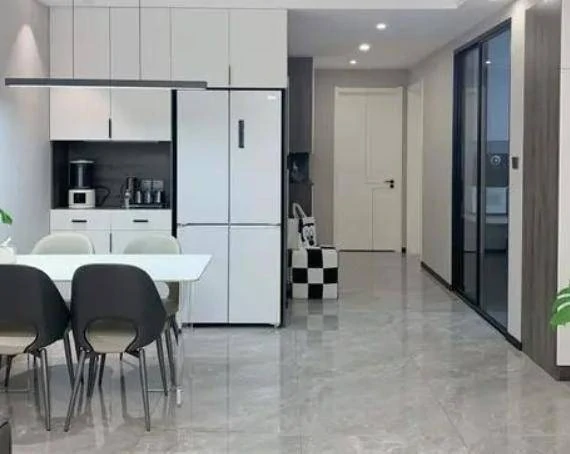
People often assume the fridge must be in the kitchen to be practical, but that is not always true. If it sits just outside the main cooking zone—especially near the dining area—it can actually feel easier to use. Drinks, fruit, leftovers, and meal prep items remain easy to grab, while the kitchen itself feels less crowded.
Final thought
So, should a fridge never go in the kitchen?
Not necessarily.
But should it go there automatically, without thinking about layout, heat, clearance, and daily use?
Probably not.
A lot of people place the fridge in the kitchen because it feels like the obvious choice. Then later they realize the door does not open properly, the space feels cramped, the appliance sits too close to heat, and the whole setup is more annoying than expected.
So before you decide where your fridge goes, do one thing first:
look at the space, not just the habit.
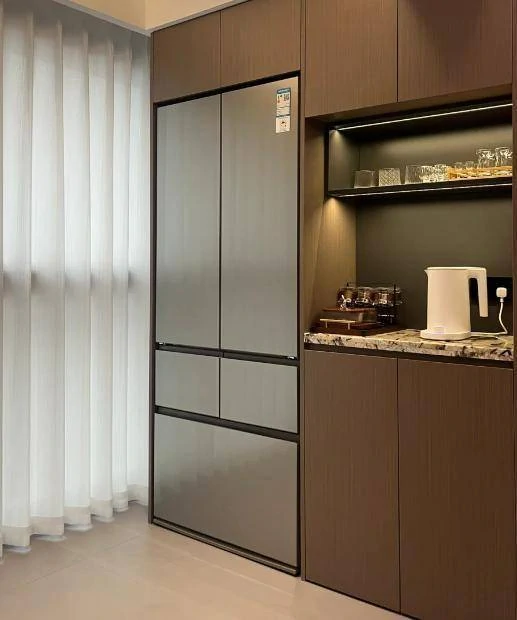
If your kitchen is roomy, cool, and well planned, the kitchen may still work.
If not, the dining area or an adjacent wall may actually be the smarter “golden spot.”
Sometimes the best home upgrade is not buying a better appliance.
It is simply putting the one you already have in a better place.