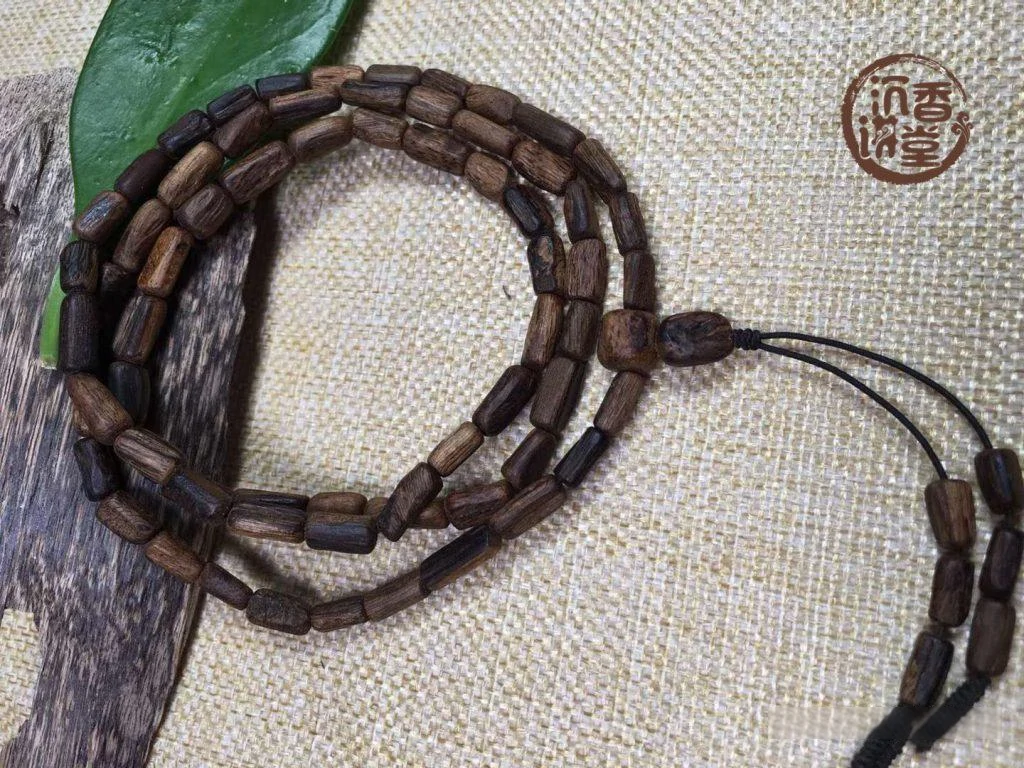
He Xiang Beads: Pressing Fragrance Into a Single Bead
Have you ever thought about wearing a scent?
Not perfume sprayed onto the skin.
Not a hanging air freshener in the car.
But a small bead — smooth, weighty, and warm against the wrist — releasing the faintest trace of herbal fragrance as you wear it.
That is he xiang beadwork.
An old craft that takes the scent of herbs and woods, kneads it into paste, rolls it into beads, and turns fragrance into something you can carry on the body.
Fragrance Was Never Just About Smelling Nice
In old China, fragrance was never only about pleasant scent.
It was the curl of smoke rising from a scholar’s desk.
It was part of ritual, a way of connecting with heaven and earth.
It was also a small daily practice — something that helped people settle the mind.
With he xiang beads, fragrance became something even more intimate: something portable.
The phrase he xiang literally means “blended fragrance.”
It refers to combining several fragrant materials into one composition.
Not randomly, of course.
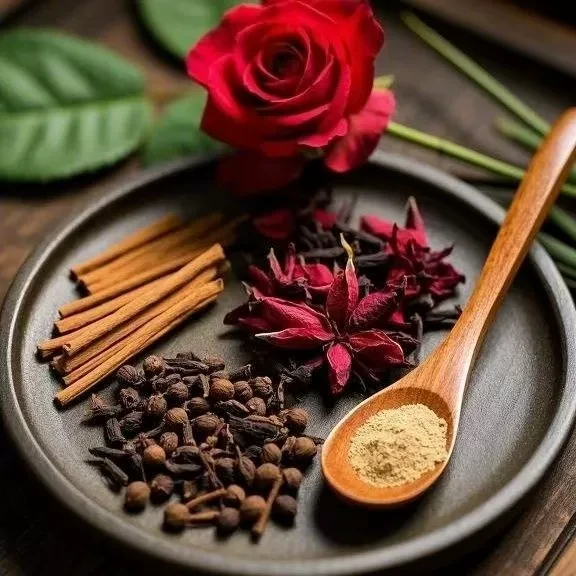
Patchouli has a fresh brightness.
Sandalwood feels calm and steady.
Nard is soft and rounded.
Angelica root brings a sharper lift.
Each herb or aromatic material has its own personality. Blending them is a little like composing music, mixing a drink, or arranging a dinner table so every guest has their place.
Once the formula is set, the materials are ground into fine powder, kneaded into paste, rolled into beads, and slowly dried.
So inside a single he xiang bead, there is not only fragrance — there is also the patience and intention of the person who made it.
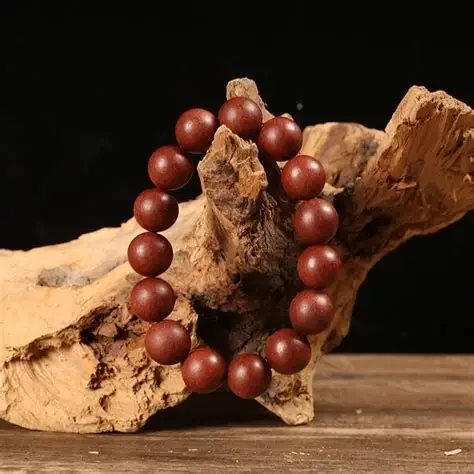
A Craft With Roots in the Song Dynasty
The history of he xiang beads can be traced back to the Song Dynasty.
It was a period when fragrance culture was highly refined. Scholars blended their own incense recipes, made scented beads and plaques by hand, and gave them to friends as gifts. Historical notes from the time often mention things like: powdered agarwood and sandalwood were blended into dozens of fragrance beads and offered to friends to wear.
At that time, these beads were not only for women.
Men wore them too — tucked into sleeves, hung from the waist, carried quietly on the body. As they moved, the scent would rise and fade in the gentlest way.
They were never meant to be loud.
They belonged to that very Eastern kind of elegance — the kind that only reveals itself when someone comes close enough to notice.
Not attention-seeking, but unmistakably present.
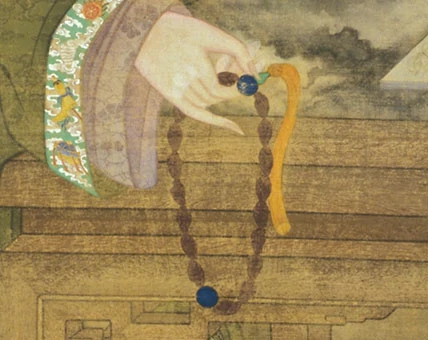
How a Single Bead Comes to Life
A he xiang bead cannot be rushed.
It begins with the materials.
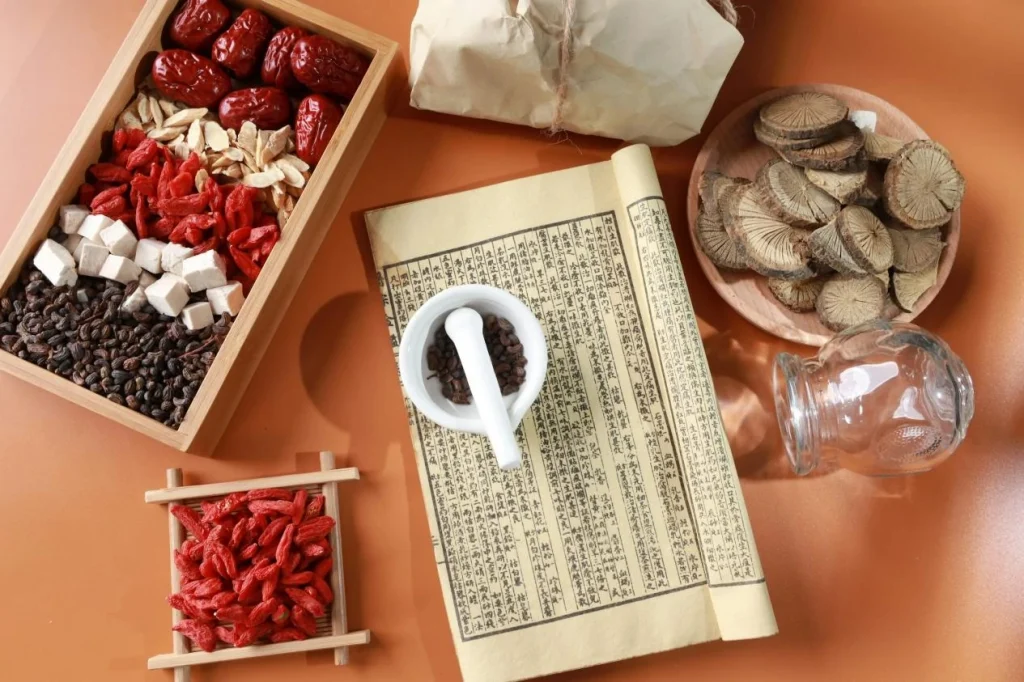
Patchouli, sandalwood, nard, angelica, ligusticum, dang gui — every ingredient must be clean, dry, and true in scent. An experienced incense maker can often tell just by smelling whether a batch is good enough.
Then comes the grinding.
The herbs and woods are milled into an extremely fine powder, often sifted through a 200-mesh screen. The resulting powder is almost smoke-like — so fine it seems to scatter at the slightest touch. If it is not fine enough, the beads will feel grainy and the scent will not diffuse evenly.
Next comes blending.
The powdered ingredients are mixed according to the recipe, then combined with a natural binder — often nanmu powder. Water is added, and everything is kneaded into a fragrant paste.
Kneading is both physical work and patient work.
Too much water, and the paste becomes weak. Too little, and it crumbles apart. It has to be worked until it is smooth, elastic, and no longer sticky — almost like dough.
But the most demanding step is pounding.
The incense paste is placed into a stone mortar and pounded again and again with a wooden mallet. Not dozens of times. Not hundreds. Often thousands upon thousands.
Why?
Because pounding pushes out trapped air and forces every particle closer together. The longer the paste is worked, the denser the bead becomes, the less likely it is to crack, and the slower the fragrance will release over time.
More than that, pounding allows all the ingredients to truly “meet” each other.
What began as separate scents slowly gets pressed into a single new character — something more blended, more rounded, more whole.
After that, the paste is sealed and left to rest for a while, allowing the fragrance to settle. Then it is rolled into evenly sized beads and pierced with a fine needle if it is going to become a bracelet.
The last step is also the longest: air-drying in the shade.
No baking. No direct sun. Just time, airflow, and patience.
Depending on the size of the bead and the weather, this may take days or even weeks.
During that time, the bead continues to change.
Its color deepens a little.
Its texture becomes firmer.
Its scent softens from strong and immediate into something quieter, more restrained.
It feels almost like watching someone grow up — less sharp on the outside, but fuller and deeper within.
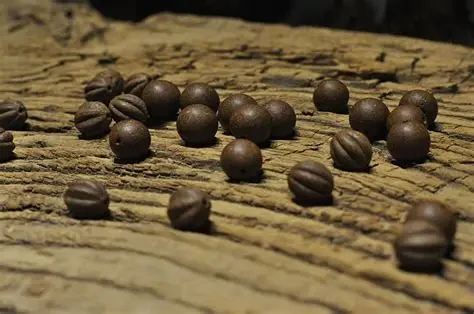
How It Differs From Perfume
Western perfume is extracted, bottled, and applied to the body. The scent is added from the outside.
He xiang beads are different.
The fragrance is pressed into the bead itself.
The bead rests against the skin, warmed gently by body heat, and the scent slowly emerges.
It doesn’t arrive all at once.
It stays with you.
When you move, it moves with you.
When you become still, it becomes still with you.
And the fragrance changes over time.
When the bead is first made, the herbal notes can feel stronger and more direct. After it has been worn for a while and warmed by the skin, the scent often becomes softer, smoother, and more layered — almost like the smell of old books or aged wood.
Some people describe it beautifully:
“It doesn’t feel like I’m wearing it. It feels like it’s gently keeping me company.”
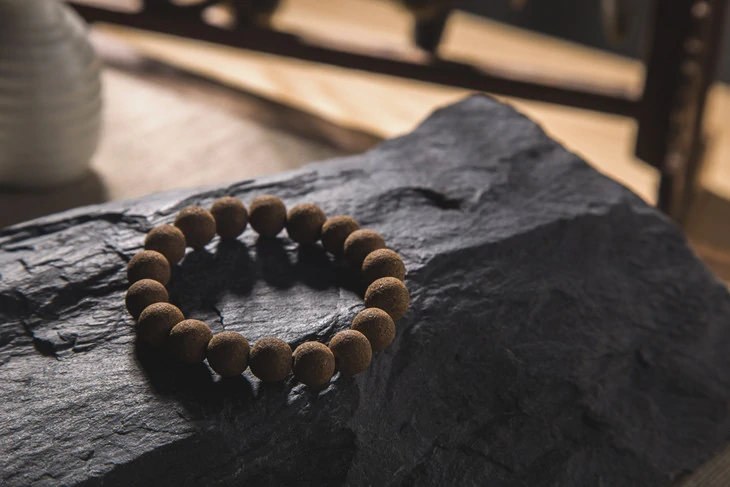
Not Just for the Wrist
The most common way to use he xiang beads is as a bracelet. But they can also be made into necklaces, earrings, or even kept as a single bead inside a pouch, on a desk, or hanging in a car.
Place one near your writing desk, and the faint herbal fragrance may make the space feel a little clearer.
Hang one in the car, and it feels gentler than synthetic air fresheners.
Keep one beside the pillow, and the scent before sleep can make the room feel quieter somehow.
It is not medicine, and it does not claim to heal.
But at the right moment, it can offer something small and real: a little stillness, a little steadiness.
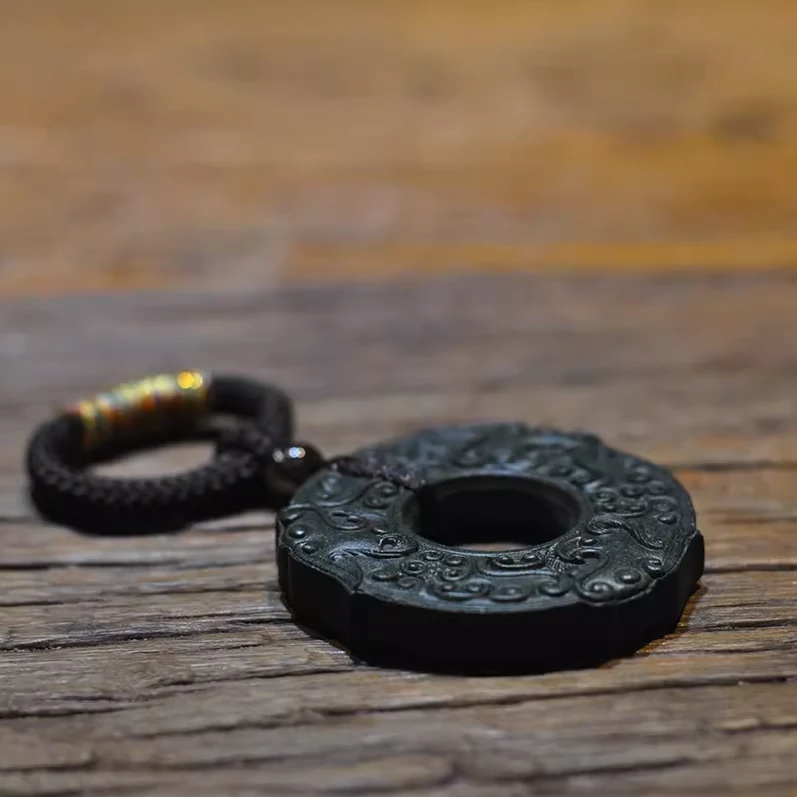
An Old Craft Being Seen Again
For a time, the craft of he xiang beads nearly disappeared.
In a modern, industrial world, this kind of slow, entirely handmade incense work seemed almost out of step. Grinding, kneading, pounding, drying — every step takes time, and none of it can be hurried.
But in recent years, more and more people have begun noticing it again.
Younger people are drawn to its quiet, distinctly Chinese atmosphere. They like its restraint, its softness, and the stories carried in the names of the ingredients — patchouli, angelica, nard, linglingxiang — names that feel almost like lines from a poem.
Some are drawn to the way the beads change over time, from rough to smooth, from sharp to mellow — as if they are witnessing a slow and quiet kind of growth.
And some people simply find it moving that, in a world where everything is expected to be fast, one small bead may have taken ten days or half a month just to dry properly.
That alone feels meaningful.
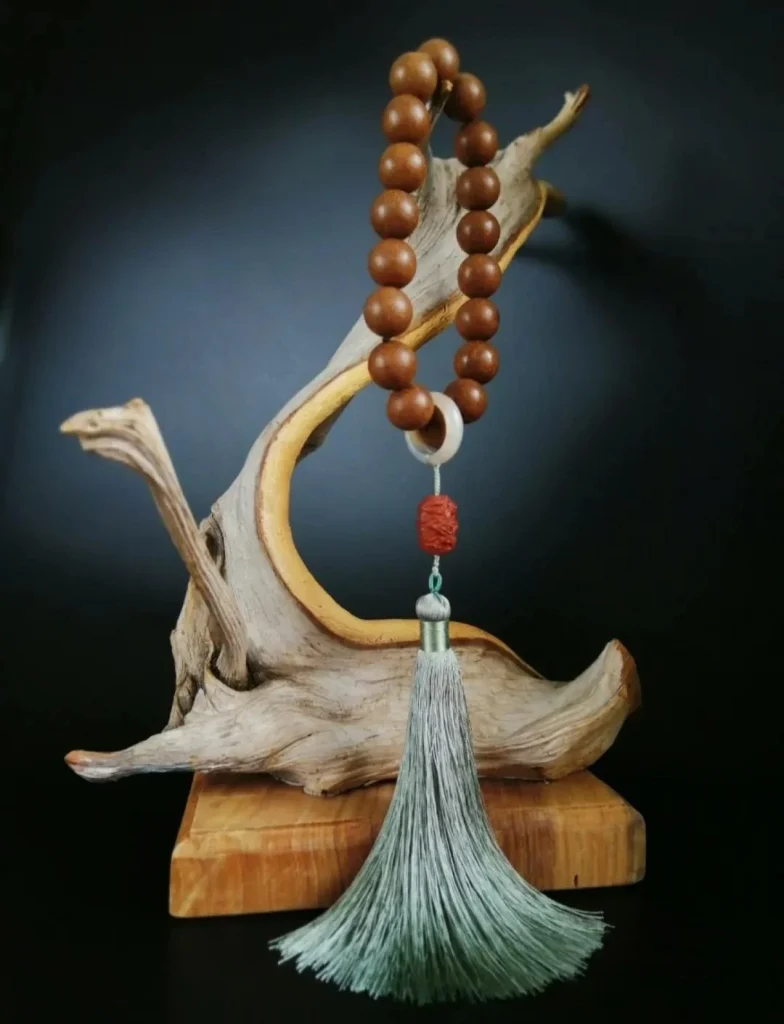
He xiang beads are not grand objects.
They are not secret formulas.
They are not miracle cures.
They are not magical solutions for every problem.
They are simply small beads.
Using an old fragrance-making craft, they take the scent of herbs and woods, knead it into paste, shape it into beads, dry it slowly, polish it gently, and then let it rest quietly against your wrist.
When you lower your head, you catch the faintest thread of scent.
Not strong.
Not overwhelming.
Just enough to help you pause.
And maybe that is already enough.
If you like how they look, how they smell, and the patience carried inside them, then wear them.
Let them stay with you through the moments when you need a little more quiet.