Lighting at Home Is About More Than Visibility
From feng shui to everyday comfort, how lighting shapes the energy of a space
When people design a home, they usually focus on flooring, sofas, wall color, or furniture. But one of the biggest mood-setters in any space is often overlooked: lighting.
During the day, we rely on sunlight to make a room feel open and alive. At night, that role shifts to lamps, ceiling lights, sconces, and everything in between. In traditional feng shui, lighting is often linked to the flow of qi, the vital energy that gives a space life and harmony. From a modern point of view, light also affects circadian rhythms, sleep, alertness, and mood. In other words, lighting does much more than help you see. It helps shape how a home feels.
A well-lit home tends to feel more welcoming, balanced, and easier to live in. Poor lighting can make even a beautifully furnished space feel flat, cold, or strangely tiring. That is why good home lighting is rarely about “adding enough fixtures.” It is about getting the right light in the right place, in the right way.
1. Why lighting changes the feeling of a home
In feng shui language, homes tend to suffer less from being small than from feeling too dark, too stagnant, or too heavy. A room that stays dim for too long often feels draining. A room with clear, balanced, layered light usually feels more stable and more alive. That traditional way of talking overlaps surprisingly well with modern research: light exposure influences circadian timing, sleep, and mood, while poorly timed or inadequate light can work against rest and emotional balance.
So whether you prefer the language of feng shui or the language of modern wellbeing, the conclusion is very similar: light changes the state of a room, and it changes the state of the people living in it.
2. The most important rule: don’t rely on one ceiling light
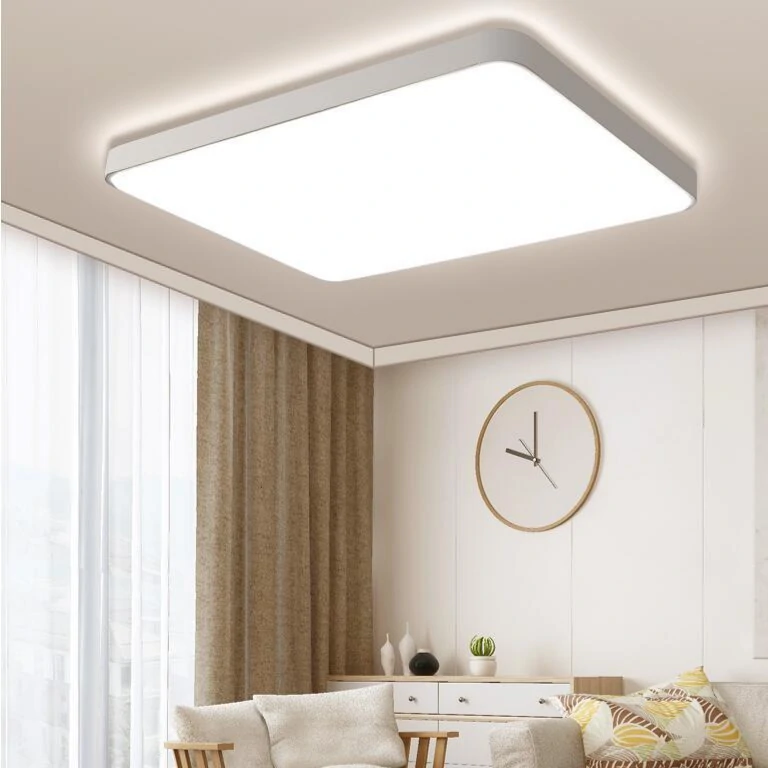
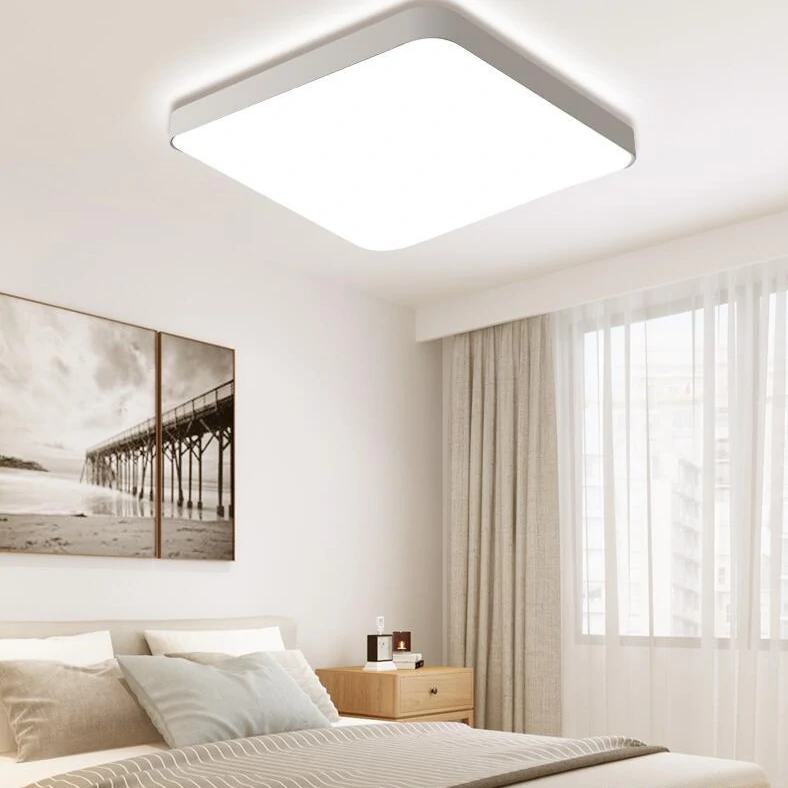
One of the most common lighting mistakes is making everything depend on a single overhead fixture. It may technically light the room, but it rarely makes the room feel good.
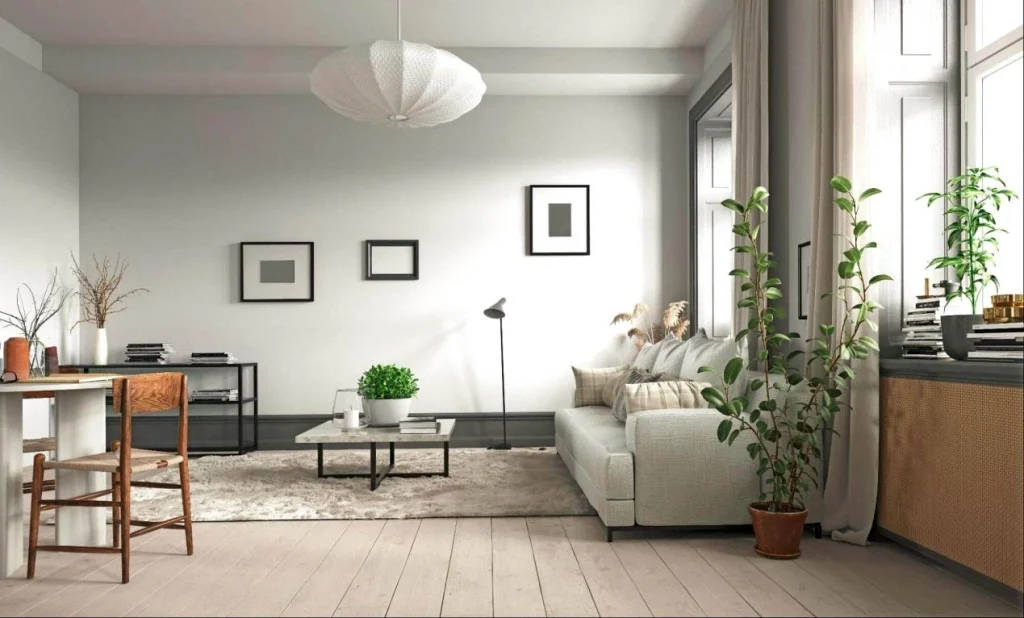
The U.S. Department of Energy makes a similar point in practical terms: more light is not always better, light quality matters as much as quantity, and lighting should match function. That is why layered lighting works so well at home. A comfortable space usually has a main source of light, but also softer secondary sources like wall lights, floor lamps, table lamps, or accent lighting. This helps prevent large dark patches while also avoiding the flat, harsh feeling that one central light often creates.
In real life, this means the living room can benefit from a main ceiling light plus a floor lamp or sconce; the dining area often feels better with a focused pendant; the study needs stronger task lighting; and the bedroom usually works best with softer light that helps the body slow down rather than stay stimulated. If possible, dimmers are especially useful, because the light you want for reading is not the light you want for dinner, conversation, or winding down at night.
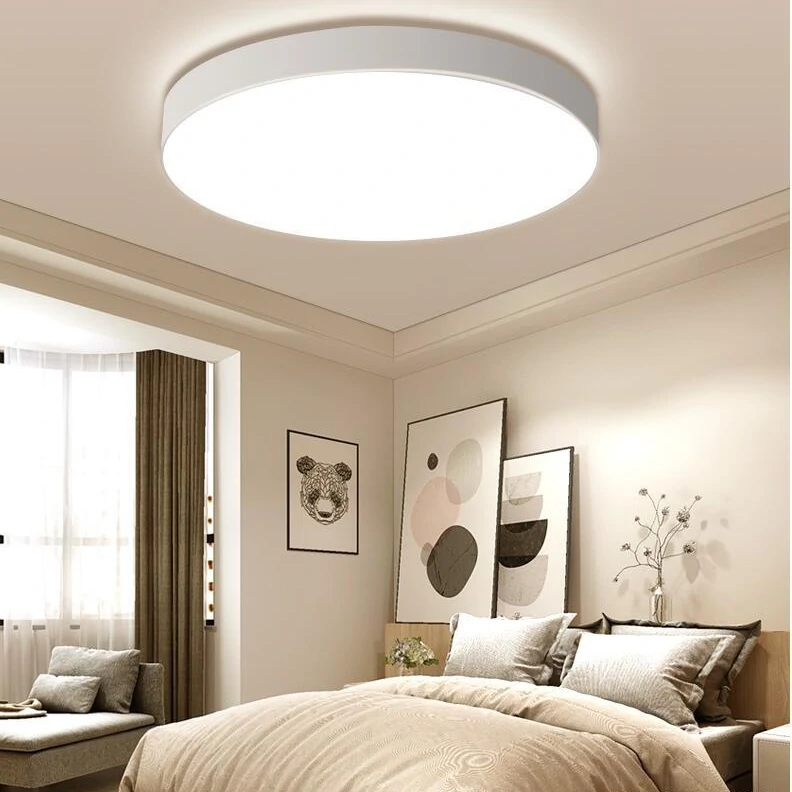
3. Light color matters too: brighter and whiter is not always better
A lot of people assume that cool, bright white light automatically looks cleaner, more modern, or more expensive. But for long-term comfort, that is not always true.
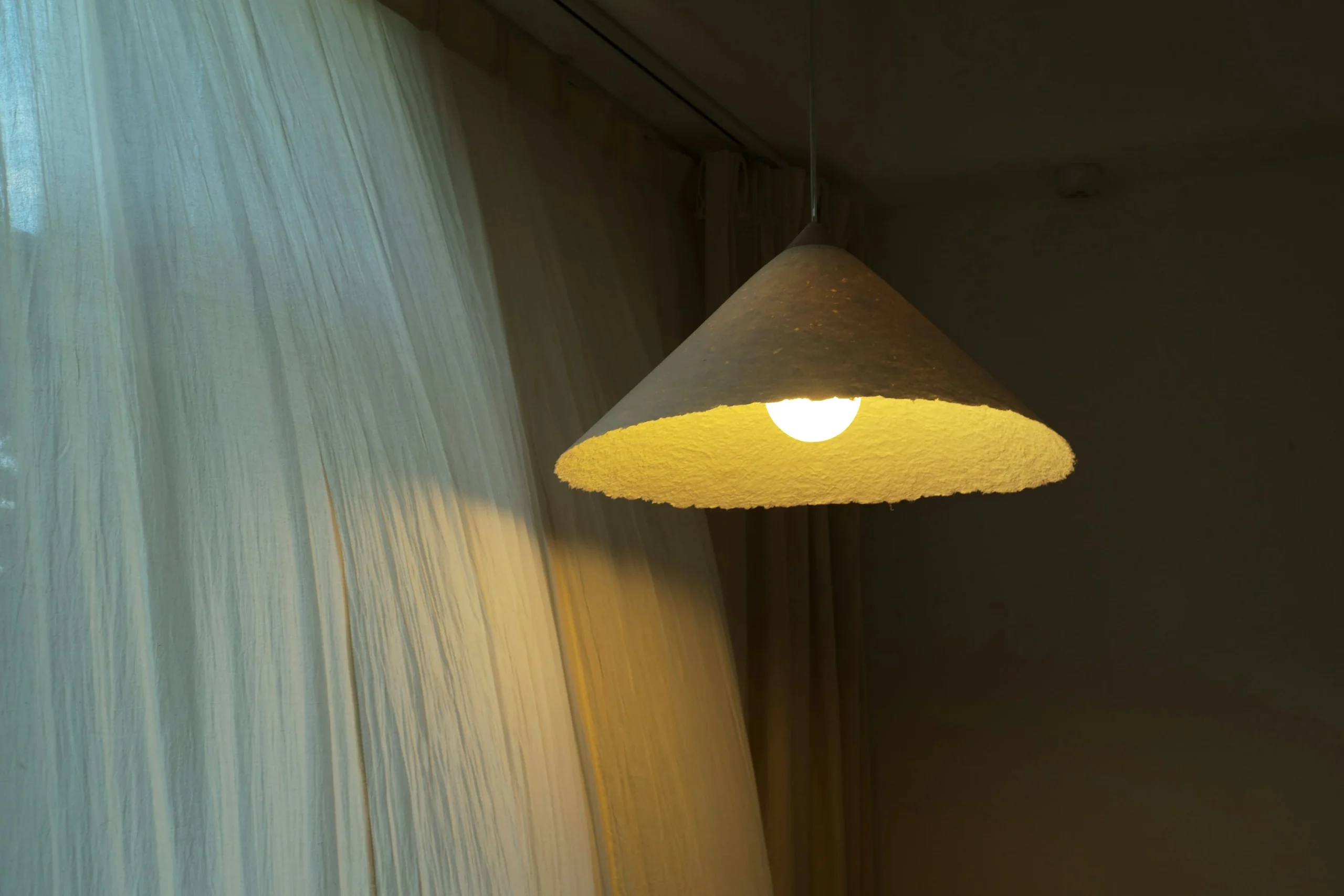
In living rooms, bedrooms, and dining areas, warmer light often feels easier to live with. Strong, cool light can be useful in task-heavy zones like kitchens or workspaces, but later in the evening it can also feel more alerting than relaxing. Research on light and circadian function shows that light exposure affects sleep timing, alertness, and mood, which is one reason softer evening lighting tends to feel more comfortable in homes.
That does not mean white light is “bad.” It just means not every room should feel like an office or a retail store. For everyday home life, variety usually works better than uniform brightness. And while colorful decorative lighting can be fun in small doses, highly saturated light is usually better as an accent than as the main source of light in a room meant for rest.
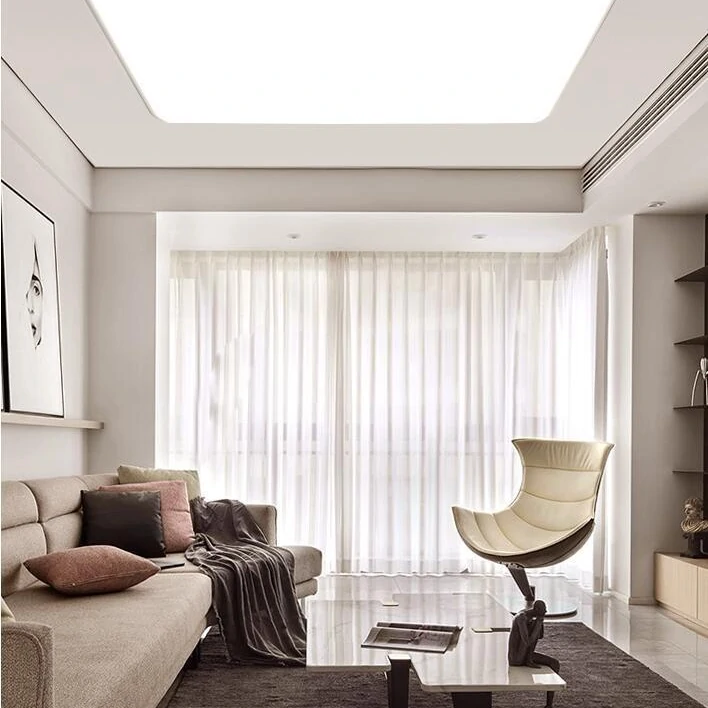
4. Fixture quantity and placement matter more than strict rules
Beyond brightness and color temperature, fixture placement makes a big difference. If one corner of a room always feels gloomy, the problem may not be the room itself. It may simply need more light. If a ceiling beam or awkward structural feature makes a space feel visually heavy, indirect lighting or upward-facing wall lights can soften that effect. Lighting cannot change the architecture itself, but it can absolutely change how that architecture is experienced.
The same goes for fixture layout. It is usually better to aim for visual balance than to obsess over rigid formulas. What matters most is that the room feels comfortable, clear, and coherent, not overly dramatic, cluttered, or harsh. In that sense, good lighting design and traditional feng shui are not really fighting each other. They are often trying to achieve the same thing: a space that feels settled and supportive.
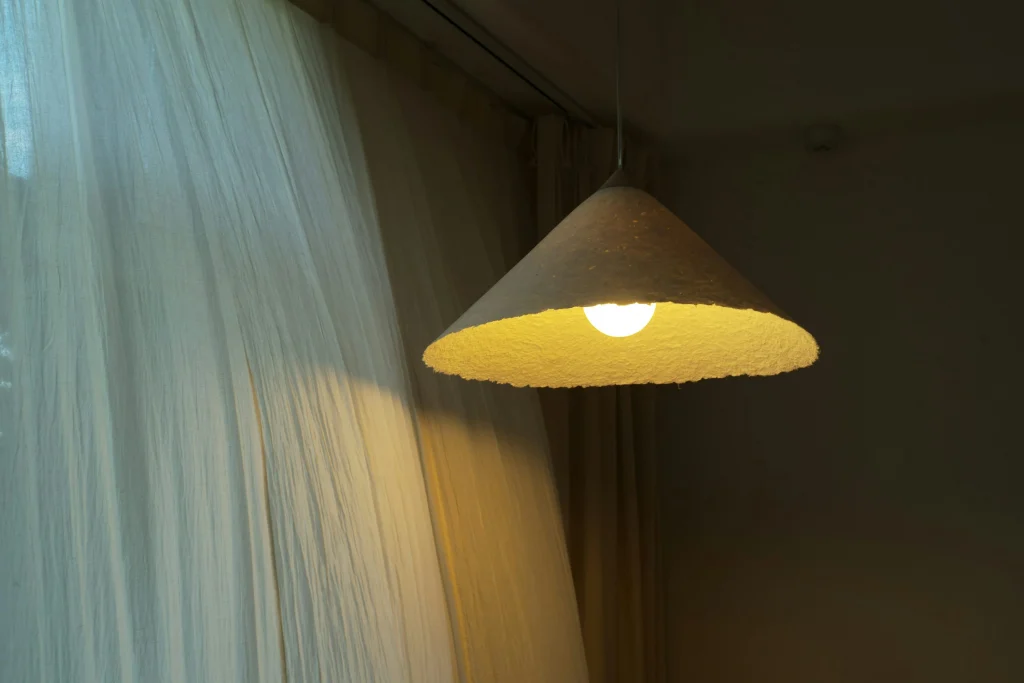
5. Why crystal chandeliers, candles, and atmosphere lighting feel so effective
Many people love a statement chandelier in the living room, especially a crystal one. Part of that is symbolic—traditional feng shui often associates crystal with clarity and uplift—but part of it is simply visual. Crystal and reflective surfaces catch and scatter light in a way that adds depth, sparkle, and a stronger focal point to a room. So even without the symbolism, it makes sense that people respond to them so strongly.
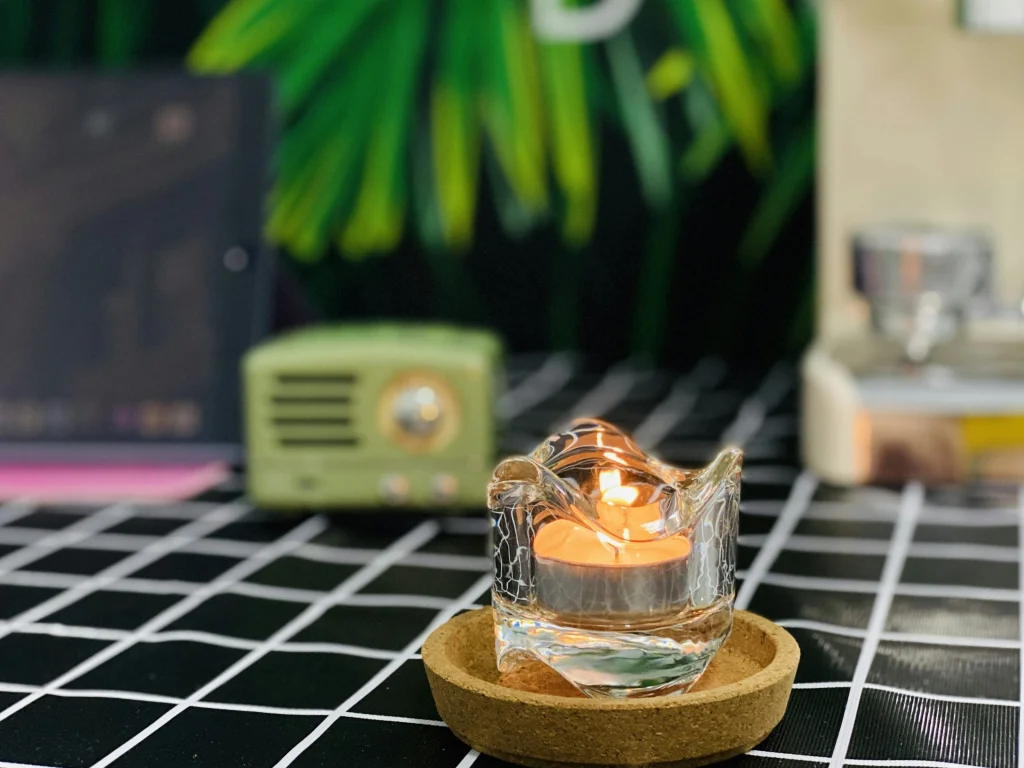
Candles work in a similar way. In feng shui, candlelight is often associated with warmth, vitality, and intimacy. In modern life, candles work because they instantly turn lighting into atmosphere. They make a room feel slower, softer, and more intentional. That is why they work so well for quiet evenings, meditation, dinner, or any moment when you want the home to feel less functional and more human.
That said, the modern rule matters more than the symbolic one here: candles should always be used carefully. The NFPA and U.S. Fire Administration both advise keeping candles away from anything that can burn, blowing them out before leaving the room or going to bed, and avoiding their use in bedrooms or sleeping areas.
6. Good lighting is not really about “boosting luck.” It is about making home feel right
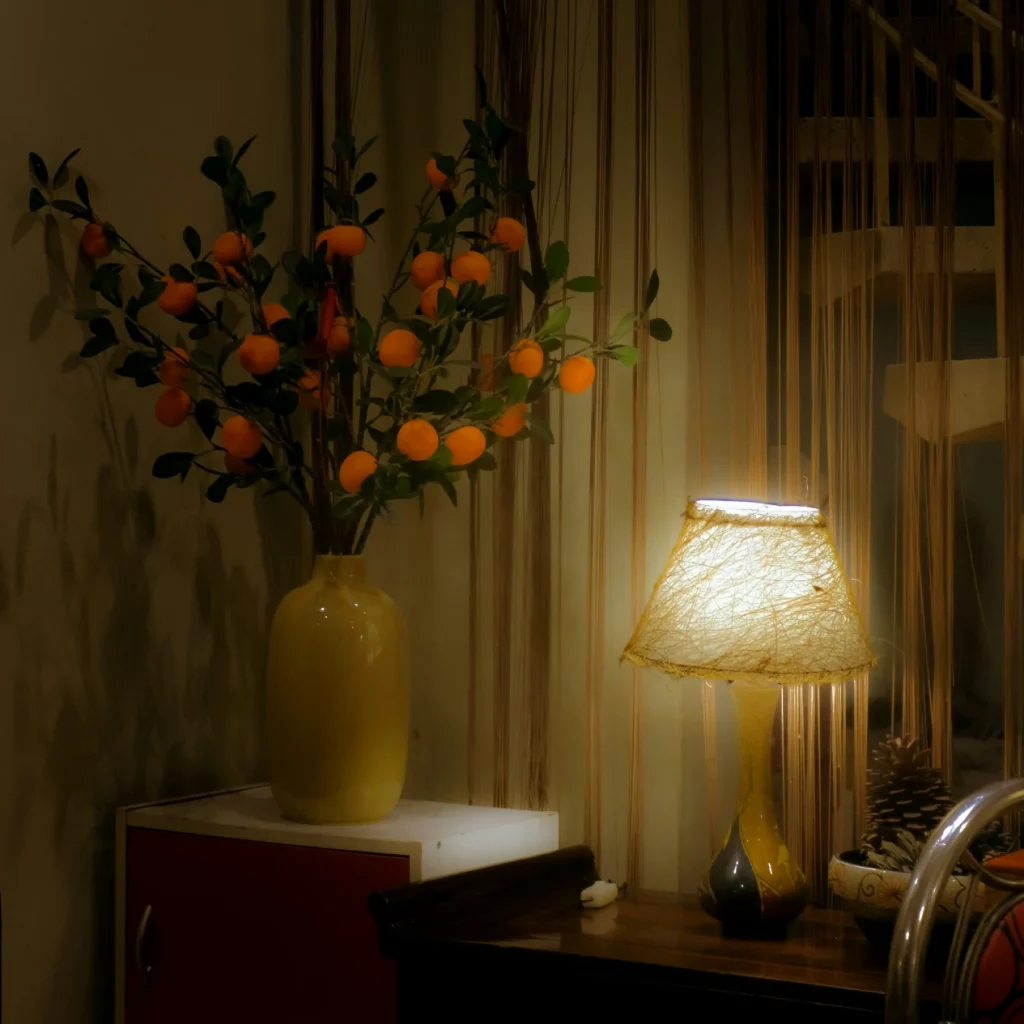
At the end of the day, the real value of good lighting is not mystery. It is comfort.
A thoughtful lighting setup makes it easier to relax when you walk in the door. It makes the living room feel more welcoming, the bedroom easier to sleep in, the kitchen easier to use, and the study easier to focus in. Feng shui may describe that as lifting the energy of the home. A modern designer might call it atmosphere, emotional comfort, and functionality. But they are often pointing in the same direction.
Lighting is not a background detail. It is part of your home’s personality.
Final thought
When people choose lighting, they often look only at style, price, or brightness. But the deeper question is whether the light supports the life happening underneath it.
A living room should not feel gloomy, but it also should not feel clinical. A bedroom should not have a harsh beam aimed straight at the bed. Kitchens and home offices need clearer task lighting. Entryways and dark corners benefit from extra light. Warm light is often easier to live with in restful areas, while brighter, cooler light can be saved for more functional zones. Chandeliers, accent lights, and candles can all work beautifully—as long as they are used with intention.
A home is not a stage set. It does not need to glow like a showroom.
But it should not feel like a cave either.
The best lighting is often the kind you barely notice—
except for one thing:
it makes you feel that your home is a genuinely good place to be.