What Should You See First When You Enter a Home?
In this article
A Modern Feng Shui Perspective on Entryway Energy
There is a traditional saying in Chinese culture: “The front door welcomes fortune from all directions.”
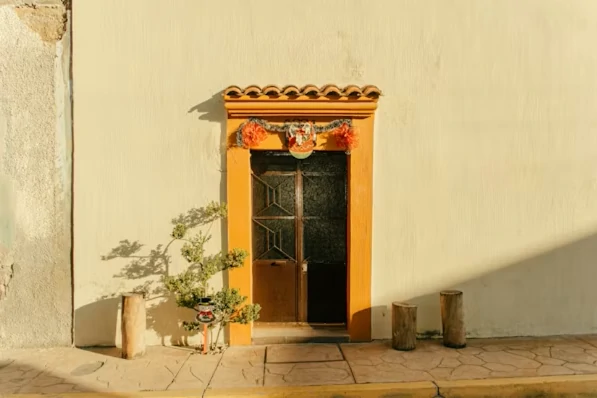
In feng shui, the front door is more than just an entrance. It is considered the point where energy, opportunity, and the overall mood of the home first arrive. It also shapes the very first impression of a space. What people see the moment they step inside can influence how they feel—whether the home feels bright, welcoming, calm, or tense.
That is why many people pay special attention to the entryway, decorating it with plants, artwork, or meaningful objects to create a positive and memorable atmosphere.
From a feng shui perspective, what you see immediately after entering a home matters. A well-designed entrance does not only look beautiful—it can also support a sense of ease, clarity, and harmonious flow throughout the space.
So, what is considered most auspicious to see first when entering a home?
1. Bright, Natural Light
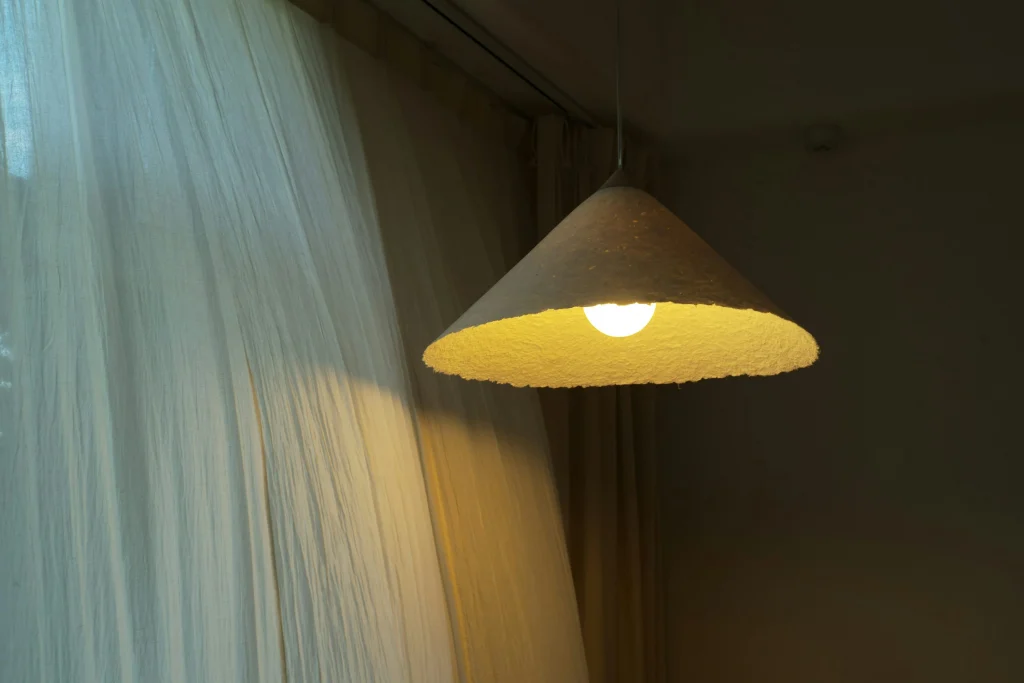
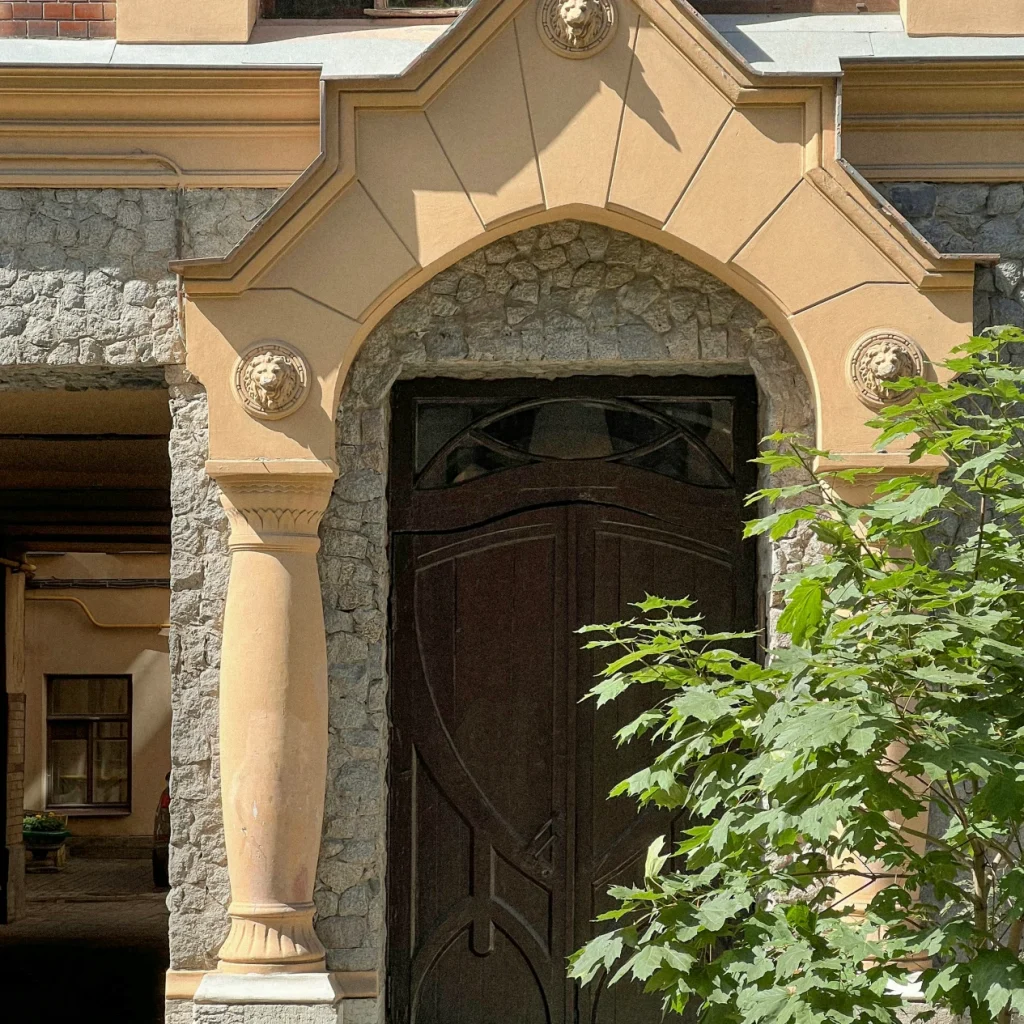
One of the best things to encounter when entering a home is good light.
Some people like to place decorative stones, large plants, or water features near the entrance. These natural elements can be beautiful and symbolic, but if they are too large or too dense, they may block light and make the area feel dark or heavy.
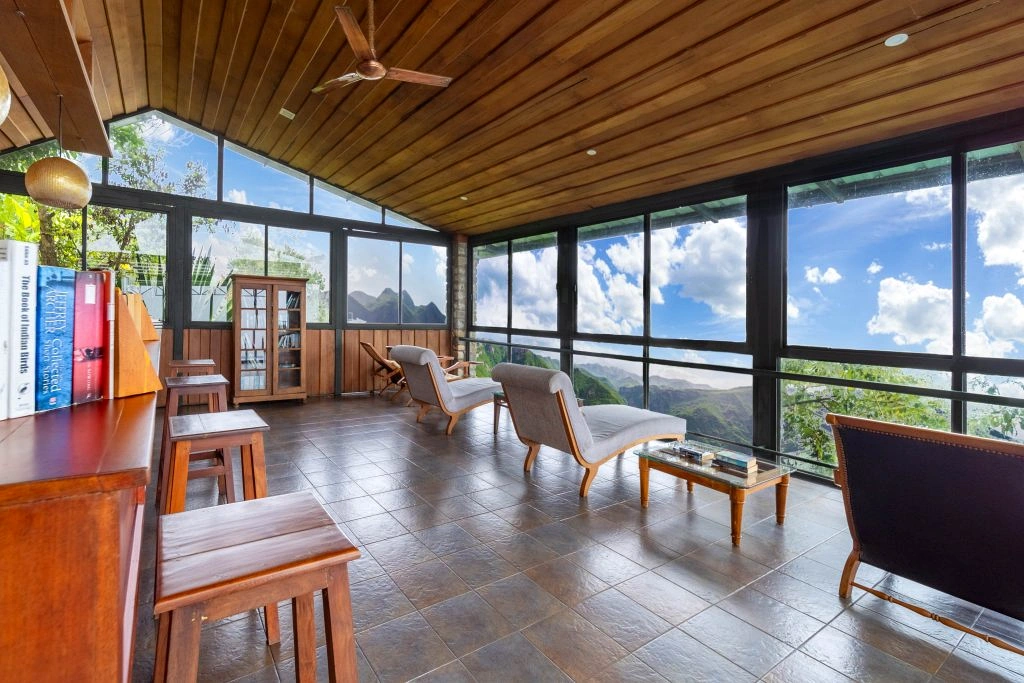
A dim entryway can feel closed, cramped, and uninviting. Even the most thoughtfully designed space can lose its impact if it lacks light. By contrast, a bright entrance tends to feel uplifting and open, helping the home feel more alive and welcoming.
In both feng shui and modern design psychology, light is closely connected to mood, visibility, and comfort. A well-lit entrance sets a positive tone for the rest of the home.
Why it matters:
- Makes the home feel open and inviting
- Supports a lighter, more positive atmosphere
- Helps create a stronger sense of warmth and vitality
2. An Open and Uncluttered Hallway
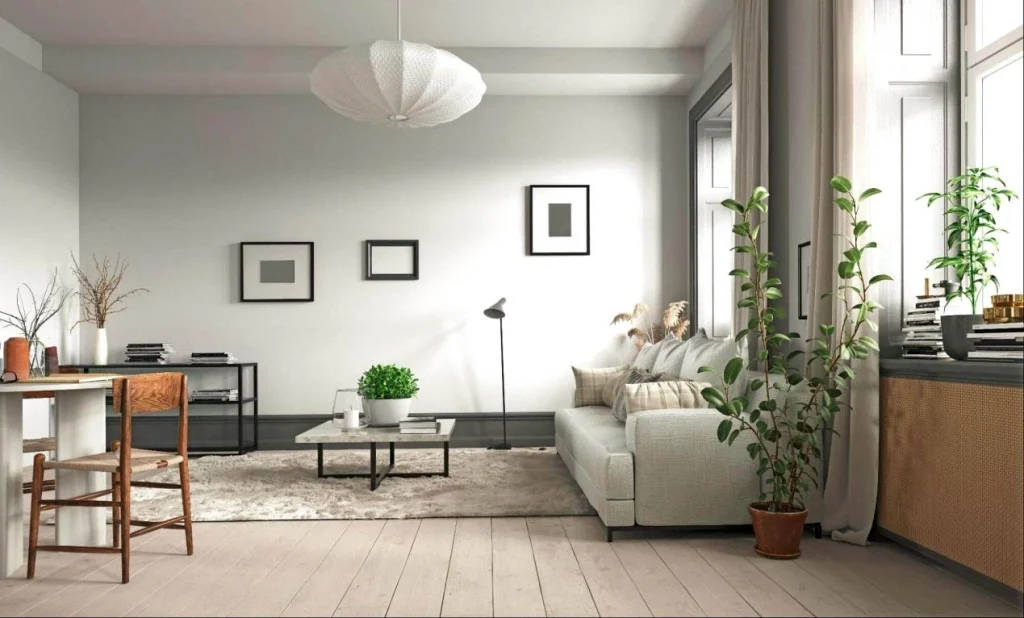
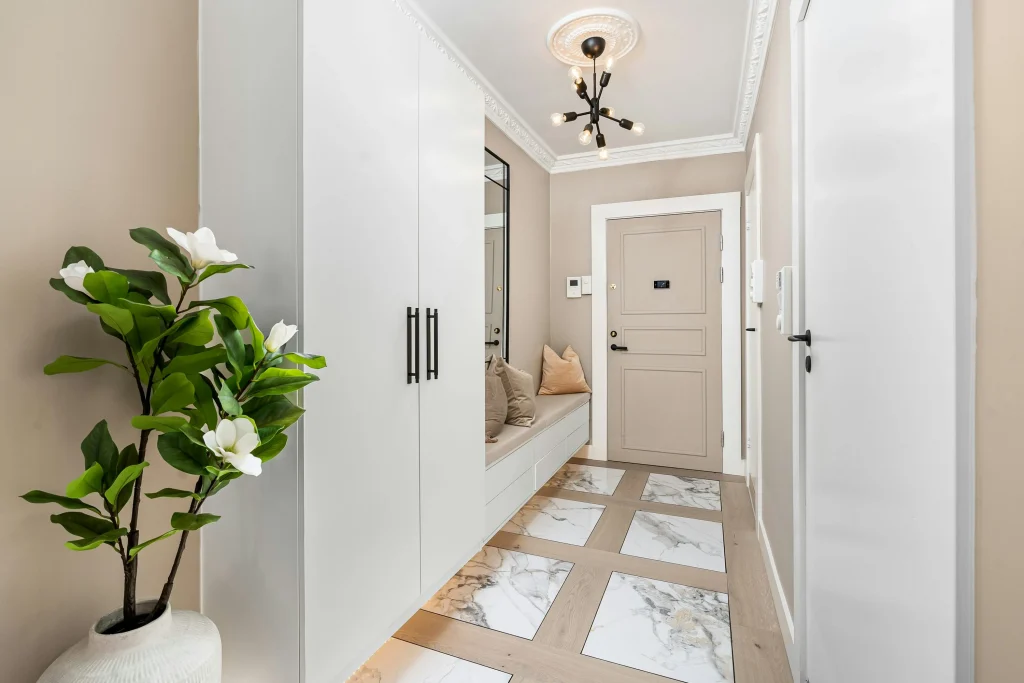
In many homes, the first thing visible after the entry is a hallway or transitional passage. Ideally, this area should feel open, clear, and easy to move through.
In feng shui, a spacious and unobstructed path allows energy to flow more smoothly through the home. When the entry sequence feels narrow, crowded, or blocked, the space can feel stagnant or stressful. When it feels open and breathable, it naturally creates a greater sense of comfort and possibility.
This idea also resonates in everyday living: people tend to feel more relaxed in spaces that are visually clear and easy to navigate.
Why it matters:
- Encourages a smoother sense of flow
- Makes the home feel calmer and more spacious
- Symbolically supports progress, opportunity, and forward movement
3. Meaningful and Beautiful Objects
What you place near the entrance can shape both the visual mood and symbolic energy of the home.
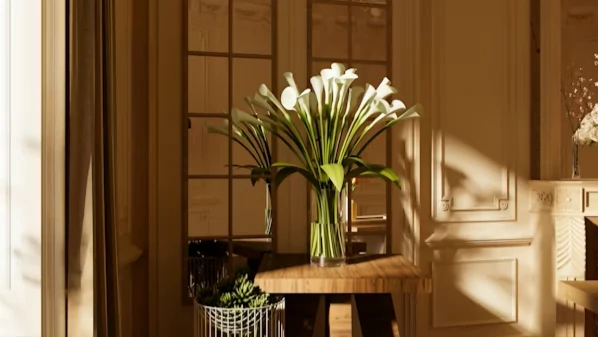
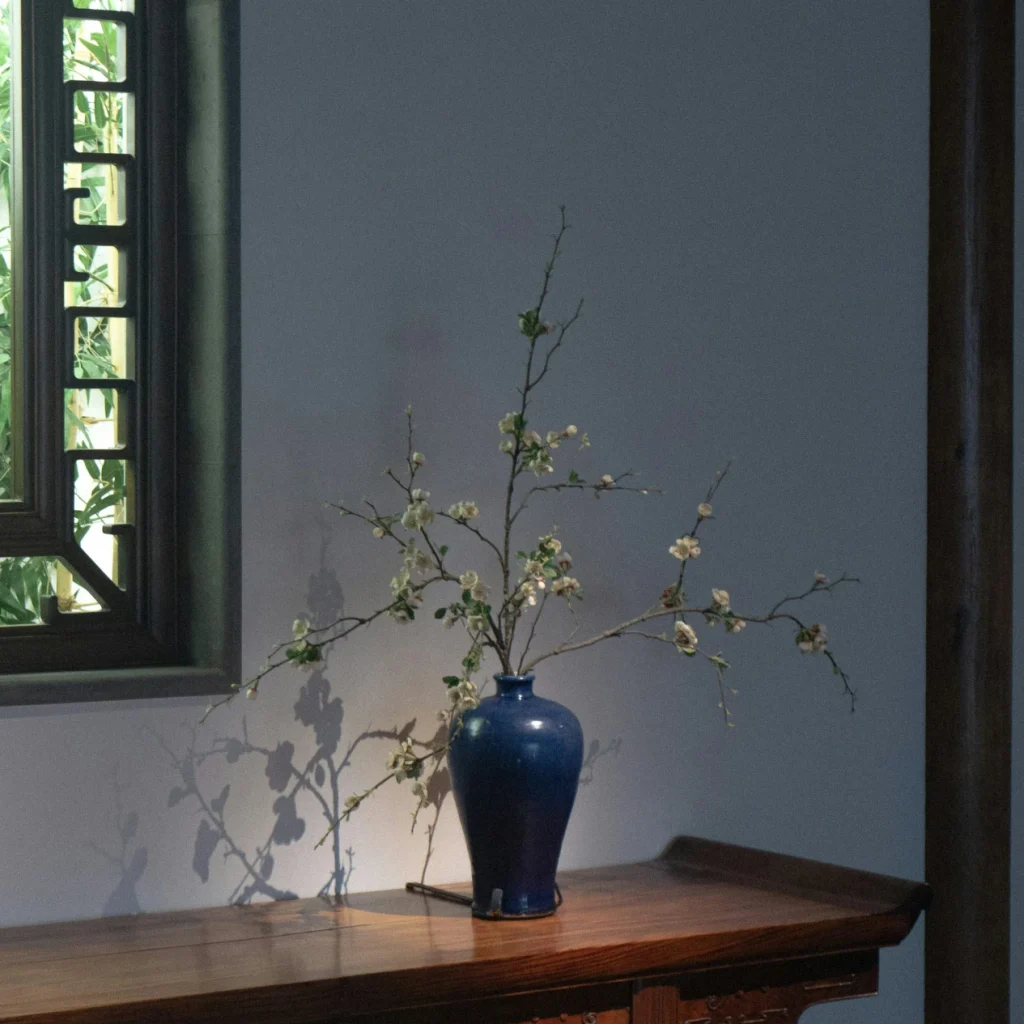
Decorative objects such as plants, ceramics, artwork, vases, sculptures, or floral arrangements can soften the transition into the interior and leave a positive impression. In feng shui, items with uplifting symbolism are often chosen to support harmony, abundance, and emotional warmth.
The key is not to overcrowd the space, but to choose a few pieces that feel intentional, balanced, and welcoming.
Red Accents for Warmth and Celebration
In Chinese culture, red is often associated with joy, celebration, and vitality. A touch of red near the entrance—whether through artwork, textiles, or seasonal décor—can bring warmth and visual energy to the space.
Used thoughtfully, it can make an entryway feel more lively and uplifting.
Green Plants for Freshness and Growth
Seeing healthy green plants when you enter a home can create an immediate sense of life and renewal. In feng shui, plants are often associated with growth, vitality, and positive movement.
They can also make a space feel softer and more breathable. Just be careful not to choose plants so large that they block light or overwhelm the entry.
Art Objects with Positive Meaning
Sculptures, ceramics, or decorative objects with a calm and uplifting presence can enhance the character of the entryway. These details add personality and a sense of care, while also helping the space feel refined and grounded.
Artwork and Calligraphy
Artwork near the entrance can strongly influence the emotional tone of a home. Landscapes, gentle abstract pieces, or meaningful calligraphy can create a feeling of peace, inspiration, and balance.
In traditional feng shui, imagery with harmonious symbolism is often preferred, as it helps establish a positive atmosphere from the very first glance.
Entryway Feng Shui: What to Avoid
Just as some things can enhance the energy of an entrance, others may make the space feel uncomfortable, chaotic, or draining.
1. An Entrance Too Close to Unclean Areas
If the first thing you encounter is a bathroom door, trash area, or anything associated with unpleasant smells and clutter, it can affect the freshness and comfort of the home.
From a practical perspective, this impacts hygiene and first impressions. From a feng shui perspective, it may weaken the welcoming quality of the entrance.
2. Clutter, Trash, or Random Storage by the Door
A messy entrance can make the home feel immediately stressful. Piles of shoes, bags, boxes, or trash near the door can interrupt flow and create a sense of disorder.
In feng shui, the entry is ideally clean and open, so that positive energy can enter without obstruction.
3. A Mirror Facing the Front Door
A mirror directly facing the front door is one of the most commonly mentioned feng shui concerns. Traditionally, it is believed to reflect incoming energy back out of the home.
Even from a non-feng-shui perspective, a mirror placed this way can feel visually abrupt or overstimulating the moment someone enters.
4. The Front Door Aligned Directly with a Window or Balcony
When the front door opens straight toward a window or balcony, feng shui describes this as energy entering and leaving too quickly, without settling in the home.
In spatial terms, this can create a feeling that the home lacks containment or grounding. The space may feel less stable and less able to hold warmth, privacy, or focus.
5. Sharp or Aggressive Objects in Immediate View
The first sightline into a home should ideally feel calm and welcoming. Sharp-edged décor, exposed corners, or aggressive-looking objects can create tension in the atmosphere.
In feng shui, these are often seen as unsettling because they introduce a harsher visual energy into a place that should feel safe and restful.
The Real Purpose of a Good Entryway
At its heart, feng shui is not only about symbolism. It is also about how a space makes people feel.
A bright entrance, a clear pathway, healthy plants, meaningful objects, and a clean visual first impression all contribute to a home that feels more comfortable, grounded, and inviting. Whether you view this through the lens of feng shui, interior design, or environmental psychology, the principle is similar:
What greets you first matters.
The entryway sets the tone for the entire home. When designed with care, it can support not only better aesthetics, but also a stronger sense of ease, balance, and wellbeing.