NEW JOURNAL NOTES ON SPACE, OBJECTS, AND EVERYDAY ATMOSPHERE
Visit Shop
Back to All Articles

The Path That Doesn’t Work at Home Is Often the Dead End in Your Mind

In this article
A light feng shui guide to the corners that quietly hold stress Why some corners feel heavier than they look The three corners most likely to hold emotional pressure Feng shui is not really asking for perfection A simple way to reset the room Final thought

A light feng shui guide to the corners that quietly hold stress

Have you ever walked into your home and felt tired before you even sat down?

Not because the place was dirty. Not because anything dramatic was wrong. Just… heavy. A chair is slightly in the way. The corner by the door has turned into a landing zone for bags, boxes, and “I’ll deal with it later.” The path through the room technically works, but it does not feel easy.

Traditional feng shui is built around how a home, its rooms, and its objects are arranged in harmony with the flow of qi, often described as vital life energy or “breath.” That is why feng shui cares so much about blocked routes, cramped corners, and rooms that feel visually or physically stuck.

Why some corners feel heavier than they look

Most people think stress lives only in the mind: deadlines, money, notifications, relationships.

But some stress is spatial too.

When a room is full of little interruptions, your body notices before your thoughts do. You slow down. You sidestep. Your eyes keep scanning. Research on visual clutter and attention suggests that when too many objects compete in your visual field, they also compete for neural representation, which makes focus harder and mental processing more tiring over time. Princeton’s coverage of this work puts it simply: visual clutter competes for attention and tires out cognitive function.

So if your home feels oddly draining, the problem may not just be “too much stuff.” It may be that certain areas are quietly creating friction every time you move through them.

The three corners most likely to hold emotional pressure

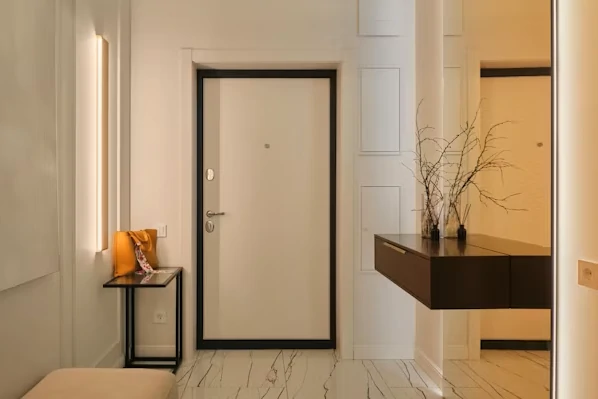
1. The entry corner

This is the first place your body meets when you come home. In feng shui terms, it is where outside energy meets your inner world. In daily life, it is the first visual message your home gives you.

If the entry corner is crowded with shoes, packages, bags, and random storage, the home immediately feels less welcoming. Even if the rest of the place is fine, this one blocked area can make the whole house feel tense before you have even fully stepped inside.

A lighter entry usually means:

  • the floor near the door is mostly clear
  • the first line of sight is not crowded
  • bags, boxes, and delivery clutter are not permanently parked there

It does not need to be perfect. It just needs to stop feeling like a traffic jam.

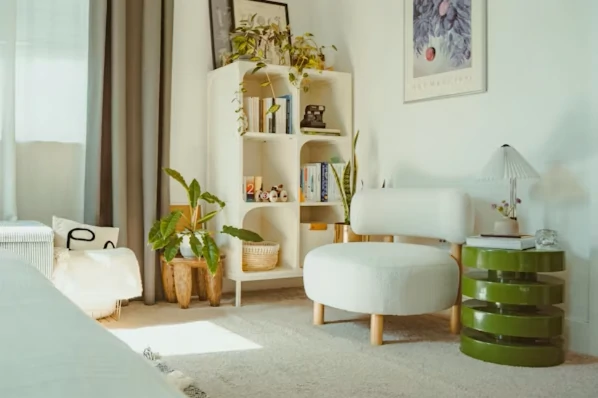
2. The corner next to where you rest most

This is often the space beside the sofa, your favorite chair, or the small zone where you always land after a long day.

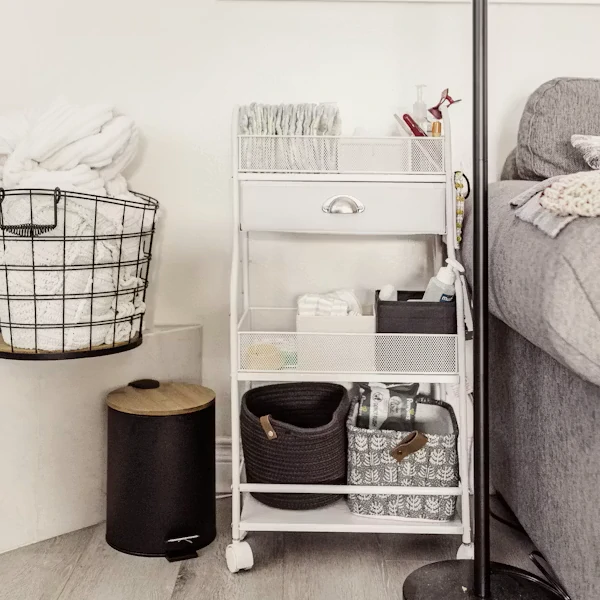
If that area is packed with chargers, blankets, unopened mail, mugs, side tables, baskets, and things without a true home, it can quietly stop being a place of recovery. Instead of helping you unwind, it keeps your eyes and attention slightly on duty.

This is where feng shui overlaps nicely with environmental psychology, a field that uses psychological science to understand and improve how people interact with their surroundings. A room does not just hold your furniture. It shapes how easy it is for you to settle.

A good test is simple: when you sit down there, does the space help you soften, or does it remind you of five unfinished things?

3. The “temporary” corner that stopped being temporary

Every home has one.

The corner where things go when there is no better answer.
A stack of boxes.
A pile of returns.
A chair covered in clothes.
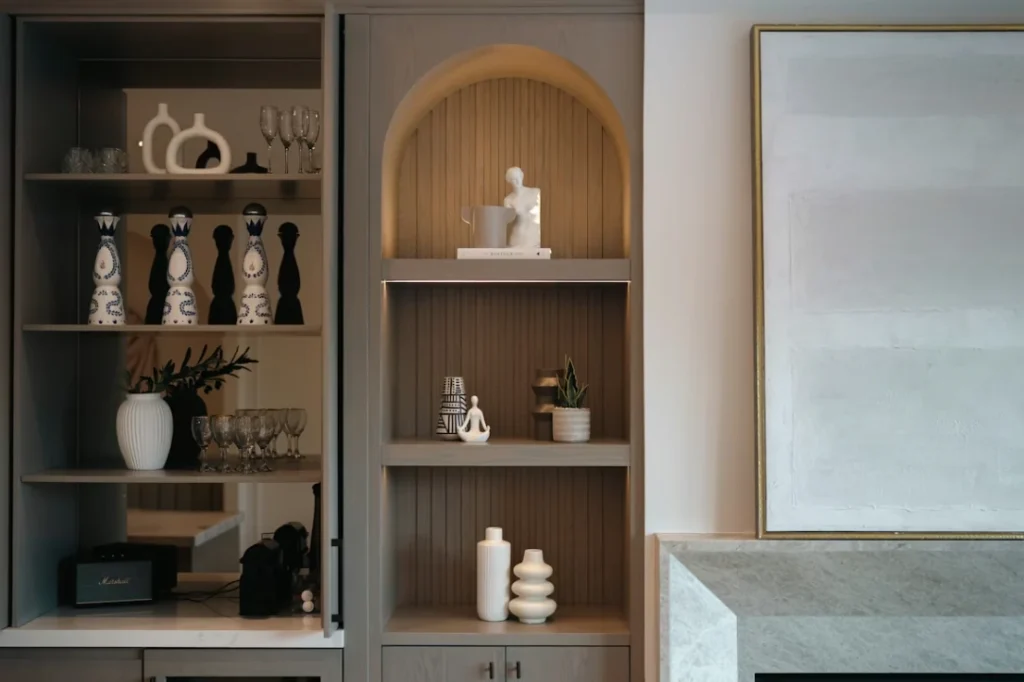
A decorative corner that slowly turned into storage.

These corners are small, but they carry a surprising amount of emotional weight. They often become visible proof of postponed decisions. And because they stay in the background, they can keep the room feeling unfinished for months.

This does not mean every slightly messy corner is a crisis. But if one part of the home always looks like life is piling up there, it often starts to feel that way emotionally too.

Feng shui is not really asking for perfection

This is important.

Feng shui is not the same thing as cold minimalism. It is not asking you to live in a blank white box with one chair and no personality. The point is not emptiness for its own sake. The point is flow.

If a room allows you to move naturally, rest easily, and see clearly, it usually feels better. If a room constantly interrupts your movement and attention, it usually feels worse. That sounds mystical in feng shui language, but it is also very human.

A simple way to reset the room

You do not need to redesign the whole house.

Start with one question:

Where do I keep having to work around my own home?

Then begin there.

Clear the entry path.
Open up the corner by the sofa.
Move the chair that is always half in the way.
Deal with the “temporary” pile that stopped being temporary three months ago.

Sometimes the fastest emotional reset is not buying something new. It is removing one obstacle that your body has been quietly negotiating with every day.

Final thought

A home can hold more than objects. It can also hold pressure, hesitation, and all the little unfinished things we do not want to think about.

That is why the path that does not work in your home is sometimes the dead end in your mind too.

Not because your room is diagnosing your soul.
But because blocked space often creates blocked feeling.

When you clear one route, soften one corner, and let the room breathe again, something inside you often does the same.

Same category navigation

More to read next

From reading to action

Keep thoughtful guides close as you shape a calmer home.

Save ideas for later, explore room-based guidance, or share what you would like us to write about next.
Explore Room Guides Use room-based guides when you want a calmer way to choose placement, materials, and daily-use pieces.
Share A Future Topic Tell us what spaces, objects, or topics you'd like us to explore next. We’re always open to new ideas and inspiration.
Journal Dispatch

A quiet letter for spatial living.

Receive calm notes on placement, materials, and living with more spatial clarity.