NEW JOURNAL NOTES ON SPACE, OBJECTS, AND EVERYDAY ATMOSPHERE
Visit Shop
Back to All Articles

Why Some Spaces Make You Anxious — While Others Help You Heal

In this article

Visual Overload and Cortisol Light and Circadian Rhythm Texture and the Embodied Mind Color and Emotional Regulation Boundaries and the Need for Control Designing for Nervous System Regulation Conclusion: Your Home Is a Tool for Your Nervous System

To understand why certain spaces feel comforting while others feel overwhelming, we must look at how the brain responds to environmental signals.

The autonomic nervous system has two main branches:

  • The sympathetic nervous system (fight-or-flight response)
  • The parasympathetic nervous system (rest-and-digest response)

Your environment constantly influences which system is dominant.

Harsh lighting, loud noise, cluttered surfaces, and poor air circulation signal threat or disorder, activating the stress response. In contrast, natural light, soft textures, open space, and warm tones support the parasympathetic system, encouraging calm and recovery.

Your brain evolved to scan its surroundings for safety. This process happens below conscious awareness. Neuroscientist Dr. Stephen Porges introduced the term “neuroception” to describe this unconscious detection of safety or danger. When a space feels visually chaotic, overly noisy, or lacks clear boundaries, your body may remain in a subtle state of alertness.

Visual Overload and Cortisol

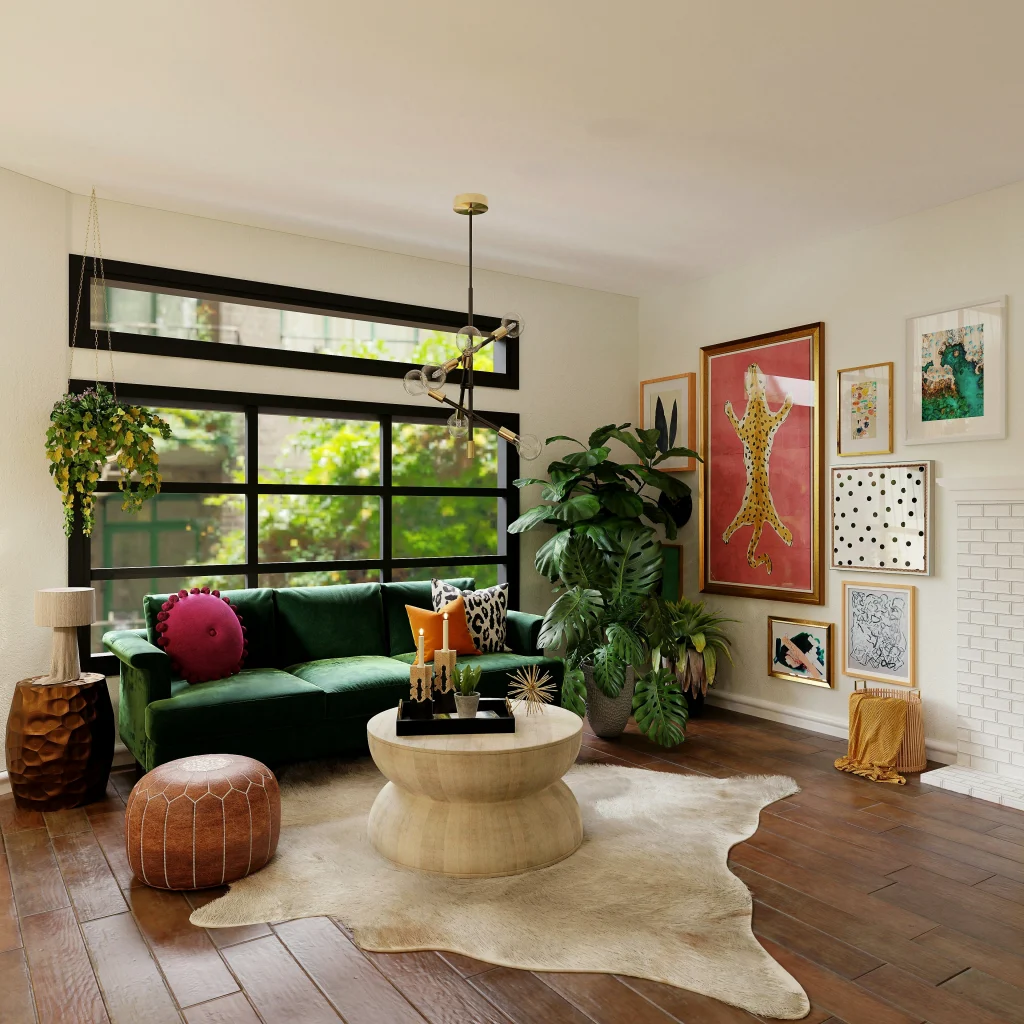
Too much visual information overwhelms the brain’s processing capacity. Research shows that cluttered or overstimulating environments elevate cortisol—the body’s primary stress hormone.

A 2010 UCLA study found that women living in cluttered homes had consistently higher cortisol levels throughout the day.

Why? Because clutter consumes cognitive resources. The brain interprets disorder as unfinished tasks, unresolved responsibilities, and potential threats. This subtle stress contributes to mental fatigue, anxiety, and sleep disturbances.

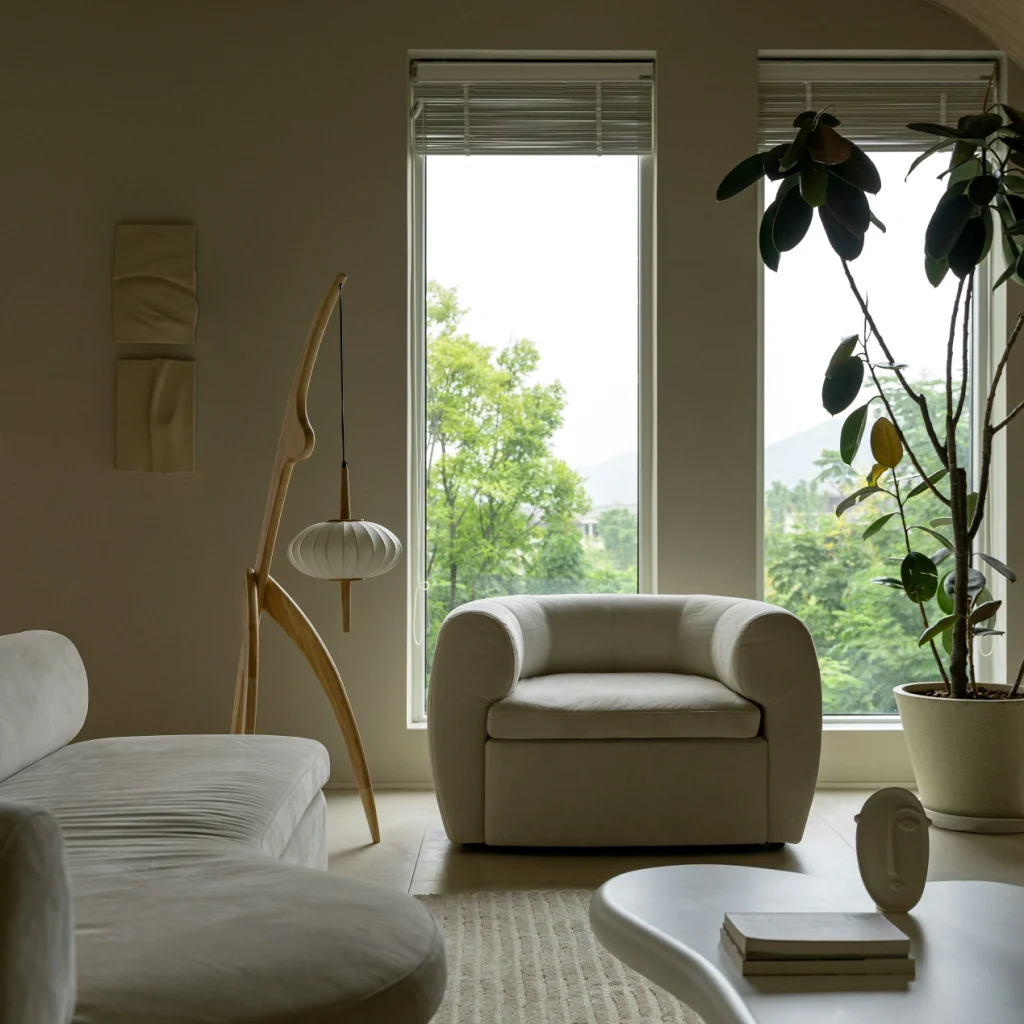
Minimalism helps reduce decision fatigue and overstimulation. Clean lines, simple color palettes, and intentional negative space give the brain room to rest.

Light and Circadian Rhythm

Lighting is one of the most underestimated elements of emotional atmosphere.

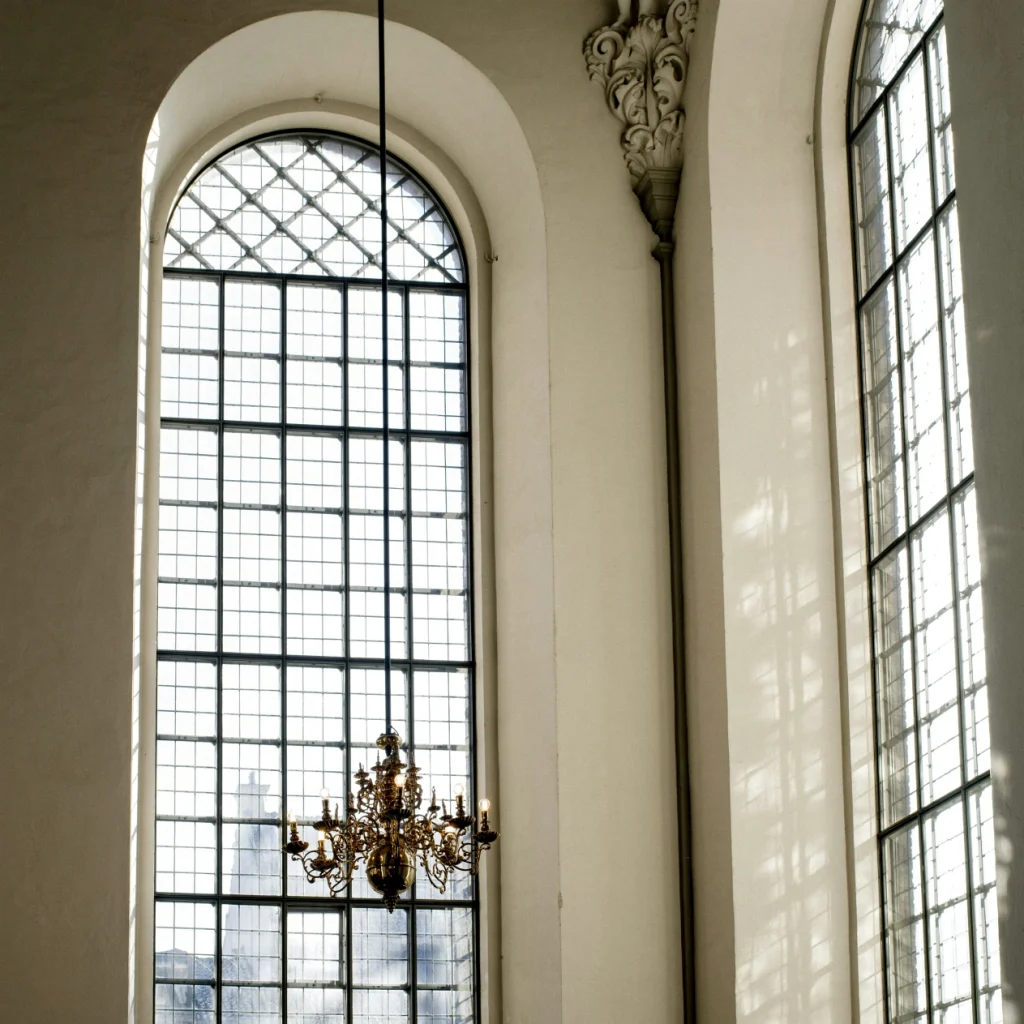
Your biological clock—your circadian rhythm—depends on exposure to natural light throughout the day. Poor lighting design, especially fluorescent lighting or insufficient daylight, disrupts this rhythm and affects sleep, mood, and energy levels.

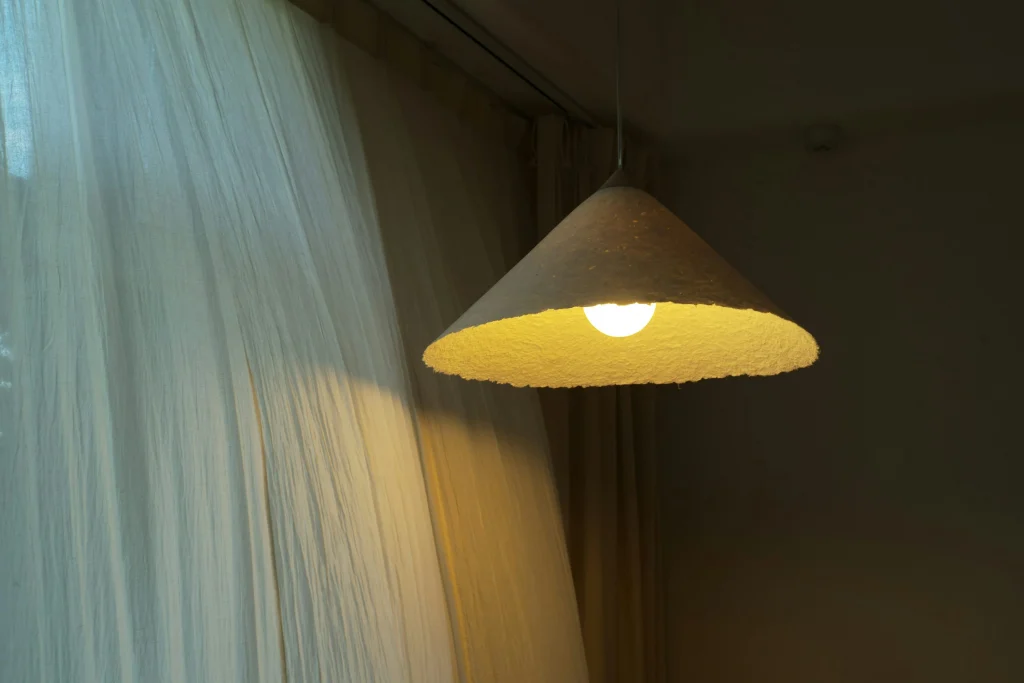
Cool white or blue light at night suppresses melatonin production, making it harder to fall asleep. Warm amber lighting in the evening supports parasympathetic activation and relaxation. During the day, even indirect sunlight through a window boosts serotonin, enhancing alertness and focus.

If you often feel tired, anxious, or disconnected at home, evaluate your lighting. The quality of light matters more than most people realize.

Texture and the Embodied Mind

The nervous system responds to tactile input.

Rough, soft, warm, cool, smooth, or raw textures directly stimulate the somatosensory cortex—the brain’s sensory processing area.

Spaces that incorporate natural materials such as wood, linen, clay, wool, or stone tend to soothe the body. They invite sensory engagement and provide what psychologist James Gibson described as “affordances”—subtle cues that invite safe, meaningful interaction with the environment.

In contrast, sterile synthetic surfaces like cold glass, plastic, or artificial leather can create emotional distance. They often lack warmth and grounding.

Color and Emotional Regulation

Color psychology is measurable and real.

Warm earth tones—terracotta, ochre, soft beige—create a sense of grounding and security. Cooler tones like sage green, lavender, and deep blue support reflection and relaxation.

Natural scents such as cedarwood, lavender, or citrus can elevate mood and reduce stress. Essential oils, candles, or diffusers should be used mindfully—excess synthetic fragrance can become a stressor rather than a comfort.

Boundaries and the Need for Control

Open-plan layouts may feel modern and spacious, but they often lack psychological boundaries. For people with trauma history or sensory sensitivity, fully open environments can feel overwhelming.

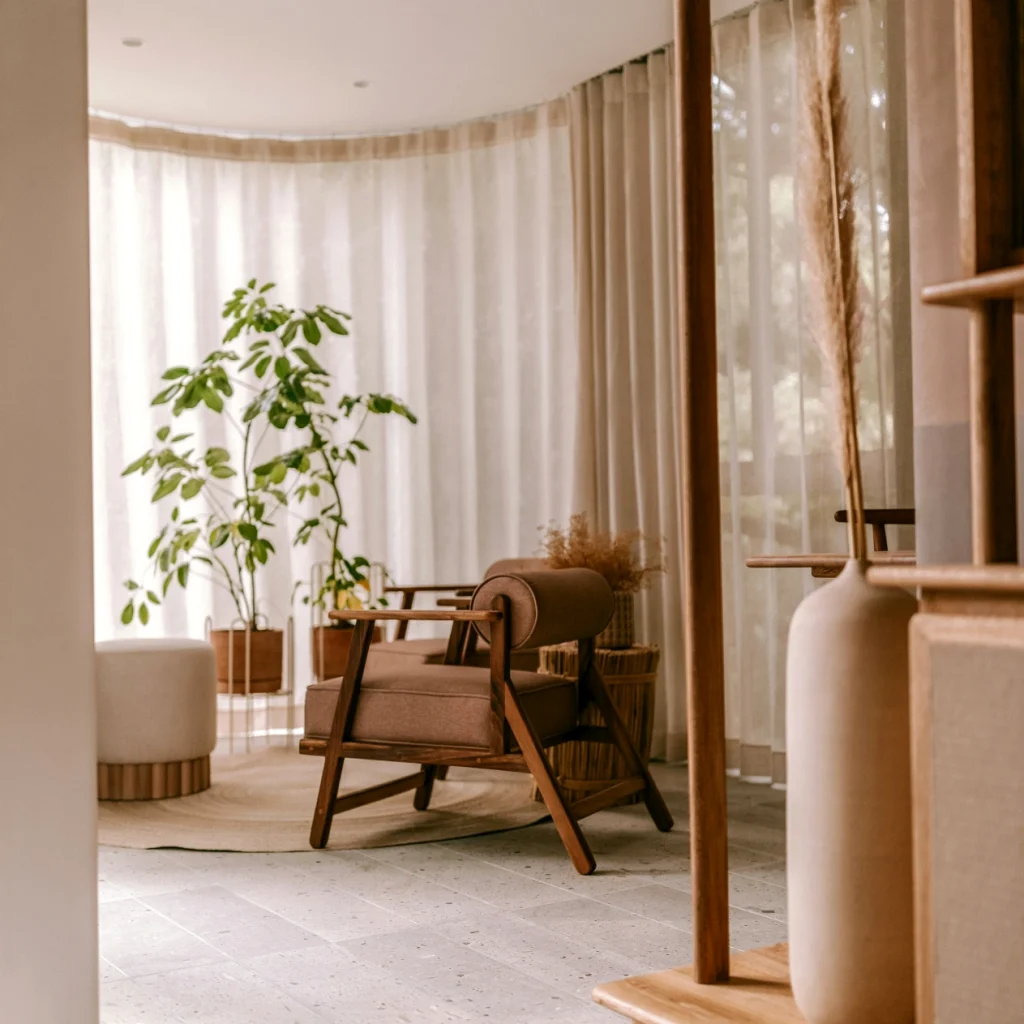
Visual separation created by curtains, bookshelves, plants, or lighting helps restore a sense of safety and belonging. Humans are territorial beings. We regulate ourselves better in environments where boundaries are clear and within our control.

Designing for Nervous System Regulation

How can you create a space that heals rather than harms?

  1. Declutter intentionally.Keep only what serves a purpose or brings genuine joy.
  2. Soften the lighting.Use warm tones, dimmable fixtures, and natural light whenever possible.
  3. Layer textures.Combine materials with different tactile qualities to enhance grounding.
  4. Choose calming colors.Select tones based on the emotional atmosphere you want in each room.
  5. Reduce harsh acoustics.Use textiles to absorb echo and soften sound.
  6. Bring in nature.Incorporate plants, wood, stone, or water elements.
  7. Respect functional zones.Create separate areas for work, rest, creativity, and reflection.

Conclusion: Your Home Is a Tool for Your Nervous System

Your home is not neutral.
It either calms you or agitates you.
It either brings you back to yourself—or pulls you further away.

When you understand the needs of your nervous system, your approach to design changes. You stop chasing trends and begin creating refuge.

The most healing homes are not the most expensive or fashionable. They are intentional, thoughtful, and aligned with the people who live in them.

You don’t need a new house.
You need a new relationship with the one you already have.

Same category navigation

More to read next

From reading to action

Keep thoughtful guides close as you shape a calmer home.

Save ideas for later, explore room-based guidance, or share what you would like us to write about next.

Explore Room Guides Use room-based guides when you want a calmer way to choose placement, materials, and daily-use pieces.
Share A Future Topic Tell us what spaces, objects, or topics you'd like us to explore next. We’re always open to new ideas and inspiration.
Journal Dispatch

A quiet letter for spatial living.

Receive calm notes on placement, materials, and living with more spatial clarity.