How Furniture Placement Impacts Your Daily Life
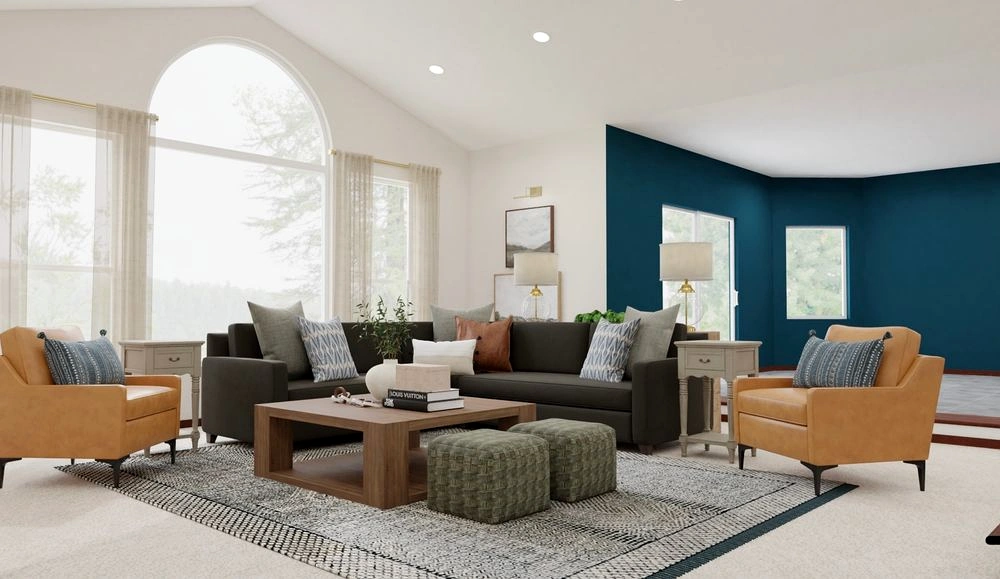
Have you ever walked into a room and instantly felt relaxed — or, for no clear reason, slightly uncomfortable?
It’s rarely random. The way furniture is arranged does far more than fill empty space. It quietly shapes how we move, think, and interact every single day.
From improving focus in a home office to making a living room feel welcoming, layout psychology is one of the most powerful — and most overlooked — tools in interior design.
At Spatial Flow, we believe a home should do more than look good.
It should support your mood, your productivity, and your everyday rhythm. Thoughtful furniture placement can transform not only a room, but how you experience daily life within it.
Why Layout Shapes Your Daily Experience
Think of a room’s layout as an invisible script.
It gently tells you where to walk, where to sit, and how to interact.
When the script flows naturally, everything feels effortless.
When it doesn’t, the space can feel crowded, awkward, or even draining — often without us knowing why.
Design psychology consistently shows that:
- Open pathways reduce stress
- Balanced arrangements create harmony
- Seating direction influences conversation and connection
In other words, layout matters just as much as the furniture itself.
The Power of Flow: Movement and Ease
“Flow” describes how easily you can move through a room. Blocked walkways or oversized furniture create friction, even if the room looks stylish. Clear movement paths, on the other hand, bring a surprising sense of calm.
Simple examples make a big difference:
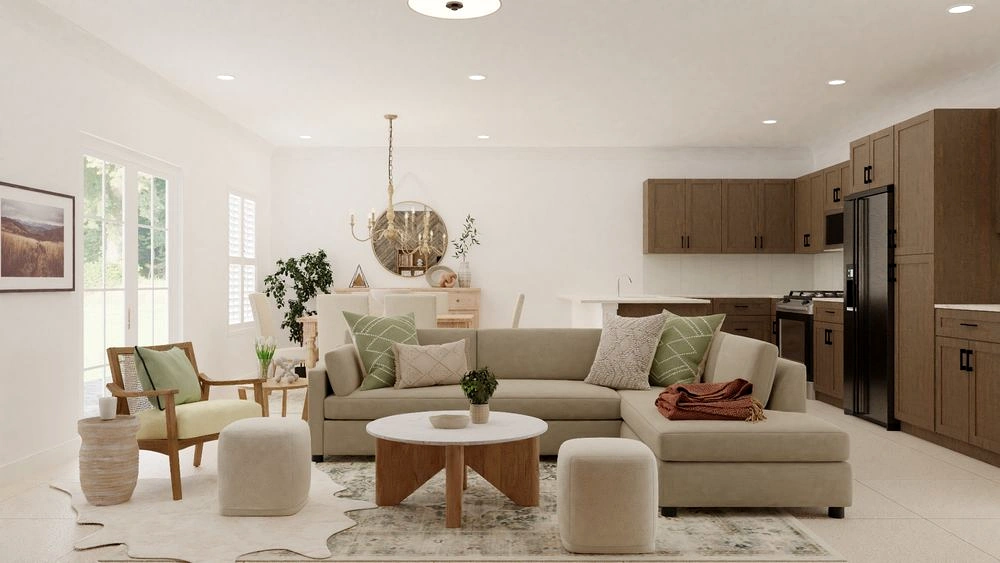
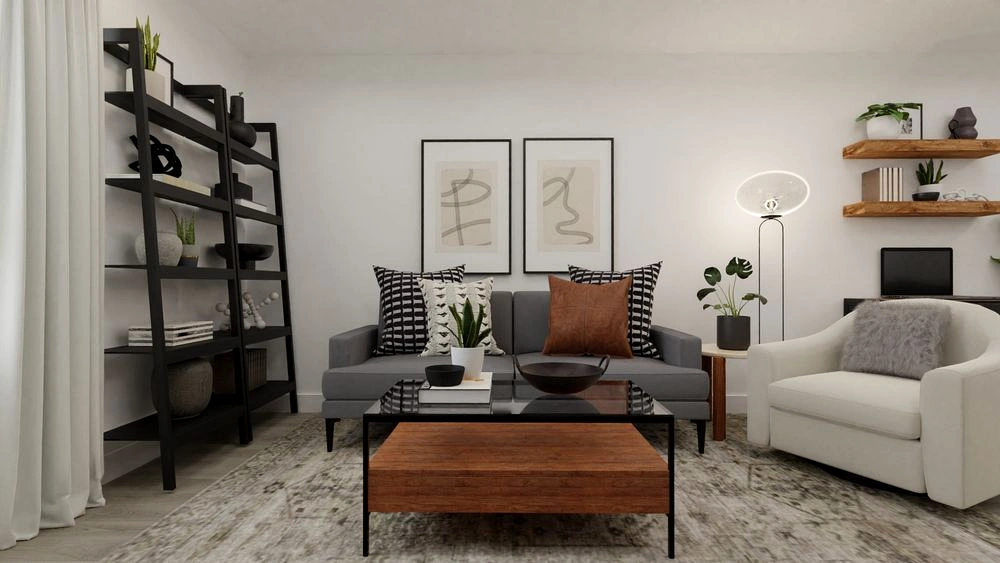
- In living rooms, avoid letting sofas or coffee tables block natural walking routes.
- In bedrooms, give the bed breathing space instead of pushing it tightly into corners.
- In dining areas, leave enough room to pull out chairs comfortably.
Good flow reduces subconscious tension.
Poor flow quietly adds stress.
Conversation and Human Connection
Furniture placement also influences how people relate to each other.
- Face-to-face seating encourages conversation, while side-by-side arrangements tend to reduce interaction.
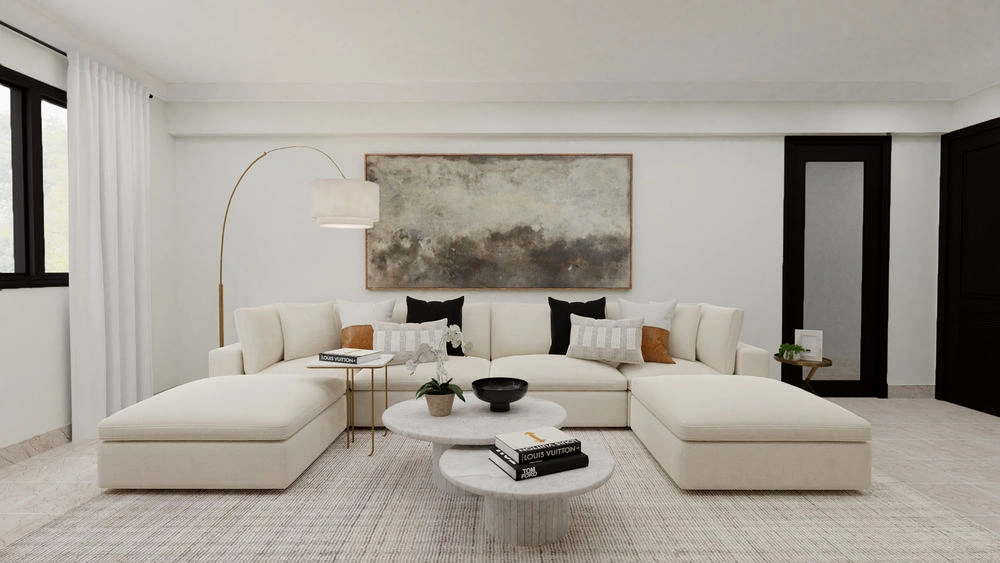
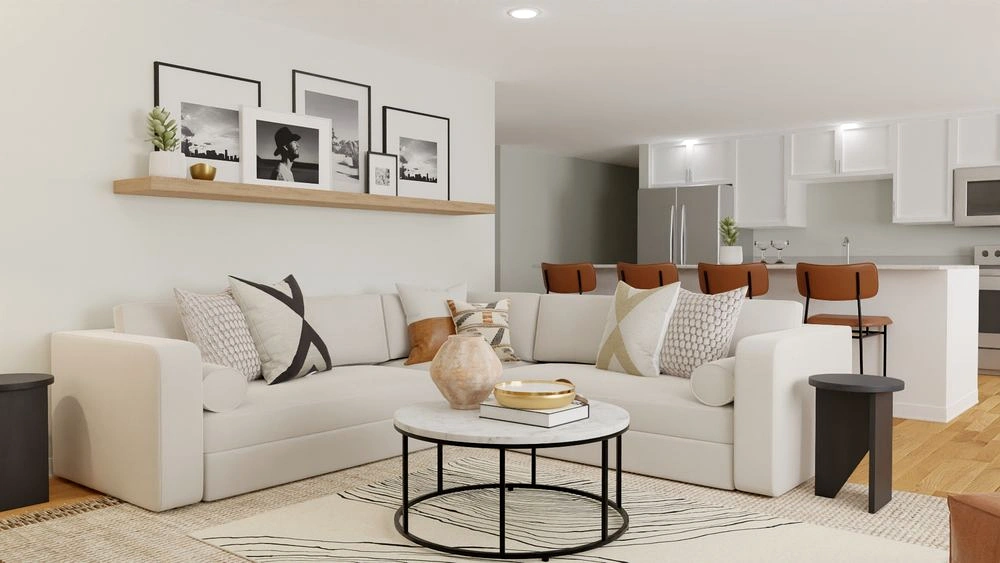
- Circular or U-shaped seating feels social and inclusive.
- A single long sofa against a wall can appear neat but sometimes distant.
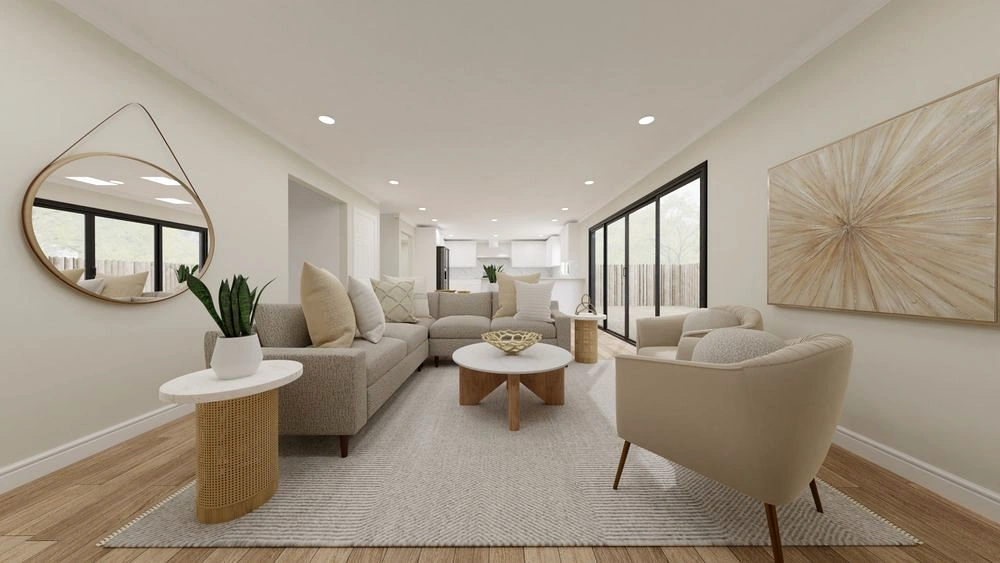
- Accent chairs placed thoughtfully can make everyone feel part of the space.
Layout is less about strict symmetry and more about supporting natural human interaction.
Light, Views, and Focal Points
Furniture never exists alone — it works together with lighting, windows, and focal points. A desk facing natural light can increase alertness. A sofa angled toward a fireplace, artwork, or television creates visual purpose. Even placing a comfortable chair near a window can turn an unused corner into a personal retreat.
One simple rule: pay attention to sightlines.
What you see when you enter a room immediately influences how you feel inside it.
Layout and Productivity
Nowhere is layout psychology more visible than in a home office.
A desk pushed into a dark corner often feels uninspiring, while one facing light or an organized backdrop naturally boosts motivation. Balanced spacing reduces mental clutter, and accessible storage keeps attention clear.
Our environment shapes our behaviour more than we realise.
A well-arranged workspace helps us focus without forcing effort.
Desgning With Intention
The beauty of furniture layout is that small changes can create noticeable shifts. You don’t always need new furniture — sometimes you only need a new perspective.
- Move a chair to open a pathway
- Rotate a sofa to improve conversation
- Reposition a bed to create more breathing space
Each adjustment subtly changes how a room feels and how you live within it.
A well-designed layout doesn’t demand attention.
It simply makes everyday life feel smoother, lighter, and more natural — the way home should feel.