NEW JOURNAL NOTES ON SPACE, OBJECTS, AND EVERYDAY ATMOSPHERE
Visit Shop
Back to All Articles

The Emotional Design Mistakes Most Homes Make (And How to Fix Them)

In this article
Mistake #1: Letting “Trend Aesthetics” Override Real Comfort Mistake #2: Over-Minimalism That Erases Meaning Mistake #3: Visual Dominance, Sensory Neglect Mistake #4: No Psychological “Retreat Space” Mistake #5: Mistaking “Expensive” for “Meaningful” How to Fix It: 3 Simple Shifts Final Thought

Have you ever had this experience: you spend a significant amount renovating your home, choose the trendiest earthy color palette, buy the same viral sofa you saw online, and even style your décor exactly like something from Pinterest.

And yet, after moving in, something feels… off.

The space looks flawless, but you can’t fully relax. Sometimes, it even feels subtly oppressive or anxiety-inducing.

If this sounds familiar, you’re not alone. In an era dominated by “visual-first” aesthetics, many of us unknowingly turn our homes into photo backdrops—forgetting their true purpose: to be a sanctuary for the soul.

Today, let’s explore the blind spots of emotional design in our homes. As Donald Norman once pointed out, good design must satisfy three levels: the visceral (how it looks), the behavioral (how it works), and the reflective (what it means). Most homes unintentionally fail across these layers in surprisingly common ways.

Mistake #1: Letting “Trend Aesthetics” Override Real Comfort

This is by far the most common trap. During the design phase, we fall in love with perfect proportions and curated visuals—only to feel the friction once we actually live there.

1. Punishingly “Beautiful” Furniture

Have you ever owned a low, backless minimalist sofa? It may perfectly embody “less is more,” but after two hours of sitting, your body protests. Or those sleek dining chairs that look sculptural—but feel like sitting on stone.

This is a classic case of the visual layer overpowering the behavioral layer. Furniture exists to support your body. If your body resists it, the design fails emotionally.

2. The Anti-Human “Handle-Free” Trend

Handle-less cabinets and hidden doors look incredibly clean. But in daily life, they create friction: fingerprints everywhere, awkward grips, constant minor annoyances.

These tiny inconveniences accumulate, increasing mental effort—something explained by Cognitive Load Theory. What seems minimal visually can feel exhausting behaviorally.

Mistake #2: Over-Minimalism That Erases Meaning

Minimalism was meant to free us—but taken too far, it strips away identity.

3. The Lifeless “Showroom Home”

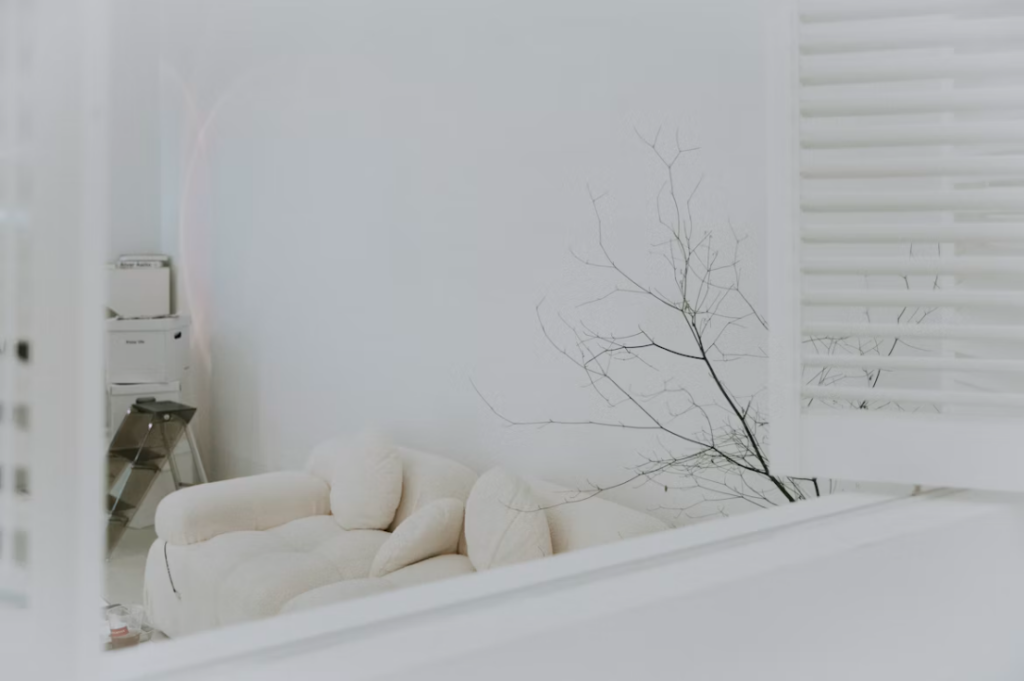
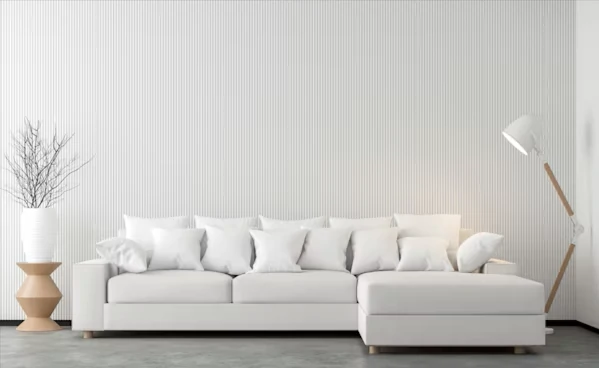
Some homes feel like sterile galleries: white walls, hidden storage, no personal traces. No books left open, no photos, no signs of life.

But humans need emotional anchors. Without them, a space feels disconnected.

This ties into Environmental Psychology—we build emotional bonds with environments through personal meaning. Remove that, and the space becomes cold.

4. Intolerance for “Organized Mess”

Real homes are dynamic. They move between order and mild chaos. Expecting perfection at all times turns living into maintenance.

A half-finished cup of coffee, a worn blanket on the sofa—these are not flaws. They are signals of life.

Mistake #3: Visual Dominance, Sensory Neglect

When 90% of effort goes into how a home looks, we ignore how it feels.

Humans are multi-sensory beings. Emotional comfort is shaped by sound, touch, and smell—not just sight.

5. Ignoring Sound: The Echo Problem

Hard floors, bare walls, and glass surfaces reflect sound. Without soft materials, even small noises become amplified.

This creates subtle tension—your nervous system stays alert instead of relaxed.

6. Ignoring Touch: Cold Materials, Cold Emotions

Stone, metal, and concrete may look premium, but they often feel uninviting. That’s why you instinctively retreat to soft spaces like beds or couches.

This aligns with Embodied Cognition—physical sensation directly shapes emotional experience.

7. Ignoring Smell: No Emotional Anchor

Scent is the only sense directly linked to emotional memory centers in the brain.

A home without a distinct scent—natural wood, fresh bread, subtle essential oils—lacks emotional grounding.

Mistake #4: No Psychological “Retreat Space”

Modern life is already overstimulating. If your home doesn’t offer refuge, stress compounds.

8. The Problem with Fully Open Layouts

Open-plan living looks spacious—but often removes privacy. Everyone shares the same visual and auditory space, leading to constant low-level interference.

Humans need both openness and protection, as described in Prospect-Refuge Theory.

9. No Personal Sanctuary

No matter how small your home is, you need a corner that’s yours. A chair by the window, a reading nook, even a quiet closet space.

This is not luxury—it’s psychological necessity.

Mistake #5: Mistaking “Expensive” for “Meaningful”

A common misconception: higher cost equals higher comfort.

10. The Emptiness of Display Consumption

Luxury materials and high-end appliances can impress—but they don’t guarantee emotional satisfaction.

In fact, they can create anxiety: fear of damage, pressure to maintain perfection.

You end up serving the house instead of the house serving you.

11. Forgetting That People Come First

Great emotional design starts with behavior, not materials.

  • If you like walking barefoot → choose warm flooring
  • If you read at night → design for soft lighting
  • If you relax in the living room → prioritize comfort there

The value of a home lies in how well it adapts to you.

How to Fix It: 3 Simple Shifts

1. Introduce Warm Materials

Add softness—textiles, wood, natural fibers. Even small changes (a rug, cushions, personal artwork) can transform emotional tone.

2. Create Zones for Activity and Rest

Use subtle boundaries—rugs, shelves, lighting—to separate lively and quiet areas. This gives your mind space to shift states.

3. Trust Your Body

Walk through your home and notice:

  • Where do you feel tense?
  • Where do you feel cold or uncomfortable?
  • Where does noise bother you?

Fixing these sensations is the most direct path to emotional design.

Final Thought

A home is not a perfectly bound magazine.
It’s more like a worn sweater you live in every day.

It doesn’t need to be flawless—but it must fit.
It must feel soft.
It must carry your scent, your habits, your life.

Stop designing for perfection.
Start designing for living.

Because the best homes aren’t the ones that look perfect—
they’re the ones that quietly make you feel at ease.

Same category navigation

More to read next

From reading to action

Keep thoughtful guides close as you shape a calmer home.

Save ideas for later, explore room-based guidance, or share what you would like us to write about next.

Explore Room Guides Use room-based guides when you want a calmer way to choose placement, materials, and daily-use pieces.
Share A Future Topic Tell us what spaces, objects, or topics you'd like us to explore next. We’re always open to new ideas and inspiration.
Journal Dispatch

A quiet letter for spatial living.

Receive calm notes on placement, materials, and living with more spatial clarity.