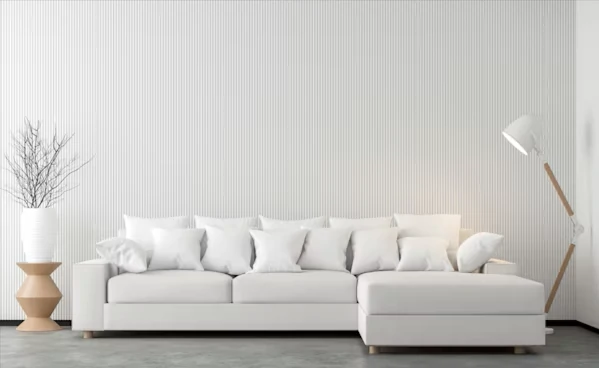
Scroll through any social media platform and you’ll quickly notice a dominant aesthetic: stark white walls, invisible handles, spotless surfaces—and the mantra that reigns supreme: “Less is more.”
Minimalism, once a thoughtful philosophy about stripping away the unnecessary to reveal what matters, has quietly morphed into something else—a kind of lifestyle Olympics where the goal is to own as little as possible.
But here’s the uncomfortable truth: minimalism isn’t always the answer.
Let’s explore why minimalism can fall short—and what actually creates a home that feels good to live in.
When “Less” Becomes “Less Living”
Minimalism promises clarity and calm by reducing what Cognitive Load Theory calls extraneous load—the unnecessary mental clutter that drains attention.
But taken too far, it creates new problems.
1. Emotional Deprivation: A Home Without a Story
Minimalist spaces often aim for neutrality and restraint. But according to Environmental Psychology, humans need emotional anchors in their surroundings.
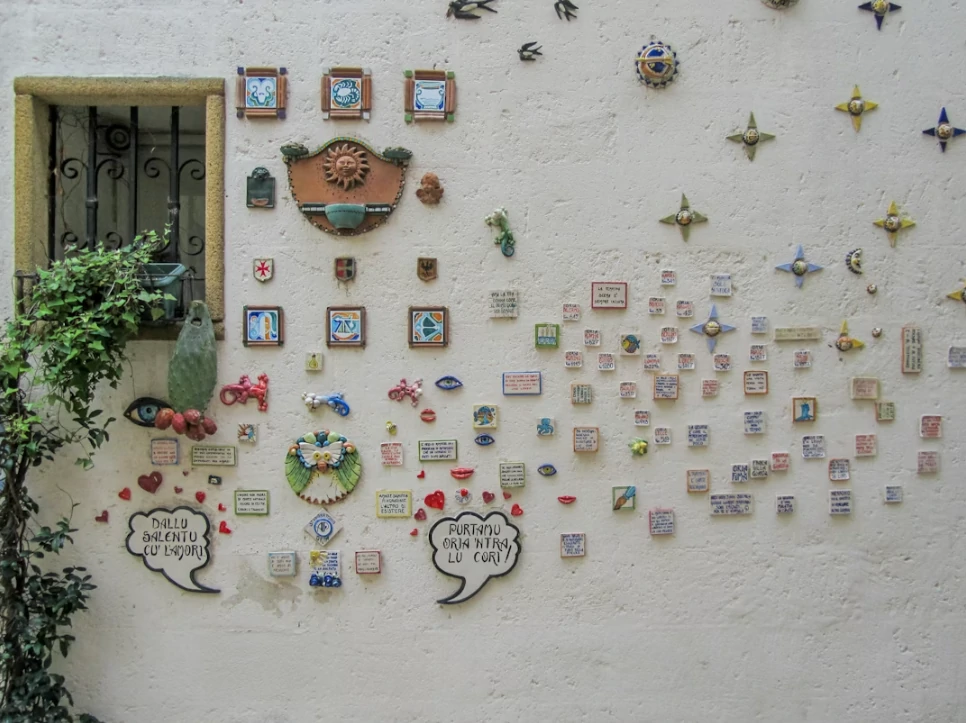
When you remove personal artifacts—travel souvenirs, children’s drawings, odd little objects with stories—you’re not just decluttering. You’re erasing memory cues.
The result? A space that looks calm but feels empty.
A home isn’t a gallery. It’s a container for your life.
2. The Hidden Stress of “Perfect Order”
Minimalism often relies on concealed storage—everything out of sight, always.
Sounds peaceful, until you’re constantly managing it.
Every item must be returned immediately. Every surface must remain untouched. What looks effortless often requires constant effort behind the scenes.
Instead of reducing stress, it can create a subtle, ongoing pressure to maintain the illusion.
3. When Form Beats Function
Minimalist design can sometimes prioritize aesthetics over usability.
You’ve probably experienced it:
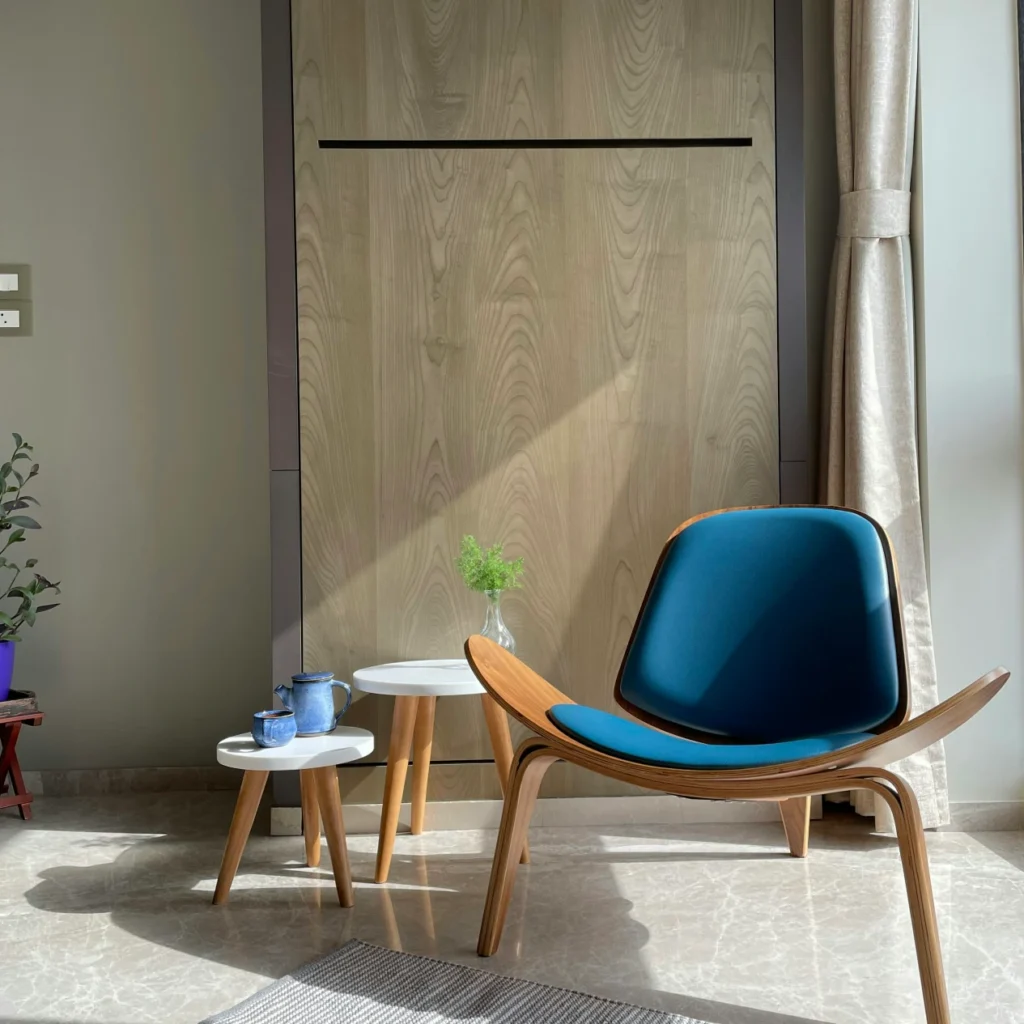
A chair that looks stunning—but is uncomfortable
Cabinets without handles that are awkward to open
Spaces that feel “clean” but aren’t practical for daily life
Real homes need frictionless living, not just visual purity.
What Actually Works: From Minimalism to Intentional Living
If minimalism is about less, a better framework is about right.
This is where intentional living comes in.
Instead of asking, “How little can I own?”
Ask: “Does this add value to my life?”
Your home can be full or sparse—but it should never feel accidental.
4. Embracing “Comfortable Maximalism”
A quiet shift is happening: people are moving toward richer, more expressive spaces.
Think:
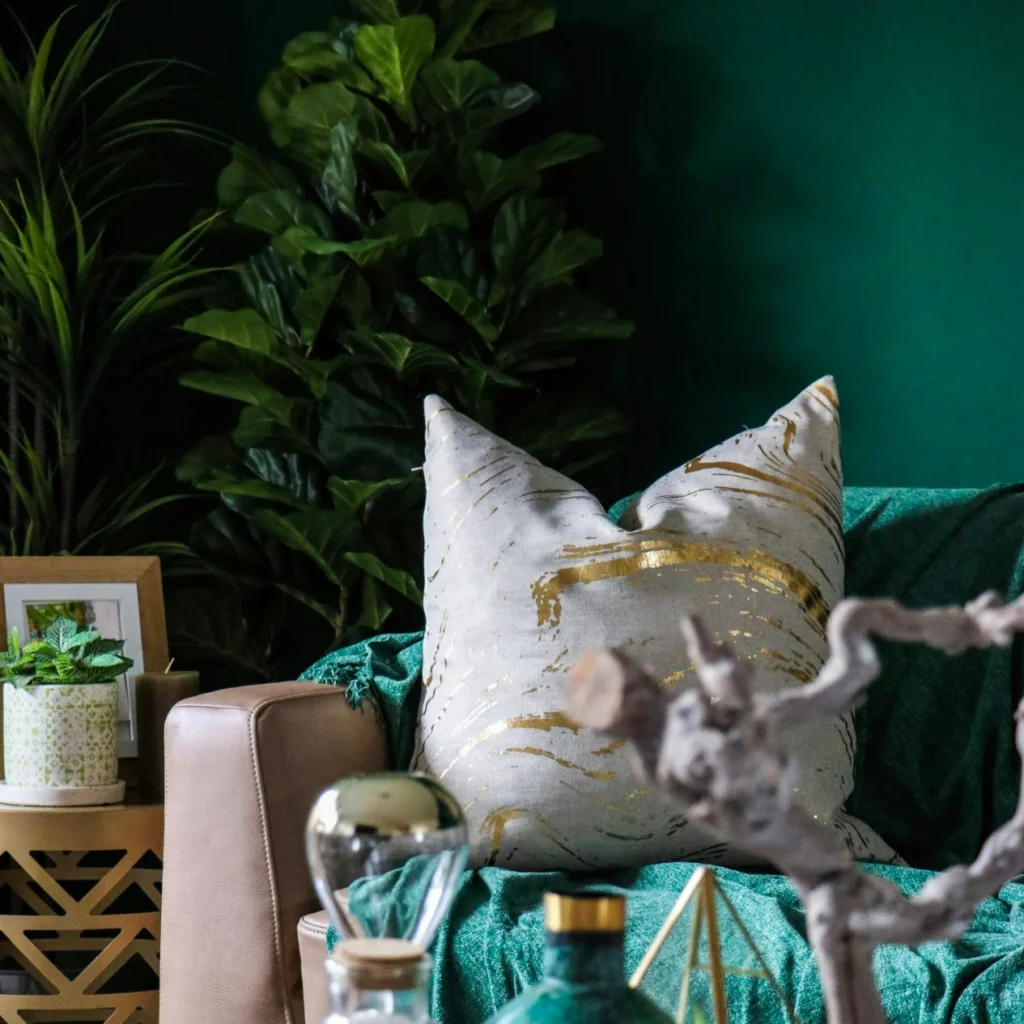
Layered textures
Personal collections
Bold colors that spark emotion
This doesn’t mean clutter—it means curation with personality.
A visually rich environment can actually energize the senses when it’s cohesive.
5. Practical Storage: The 80/20 Rule
Forget hiding everything.
Apply a simple rule:
80% of frequently used items → accessible and visible
20% of rarely used items → stored away
This reduces friction in daily routines while keeping visual order.
A well-designed open shelf or basket isn’t clutter—it’s functional design.
6. Bring Life Back In: Biophilic Design
Minimalist interiors often lean toward hard materials and rigid geometry. But humans are wired differently.
Biophilic Design recognizes our innate need to connect with nature.
Add:
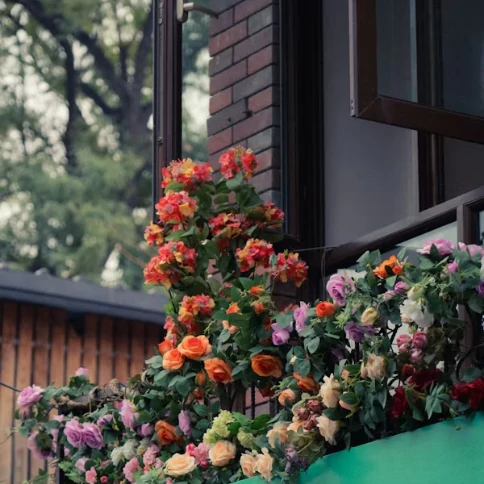
Plants that grow and change
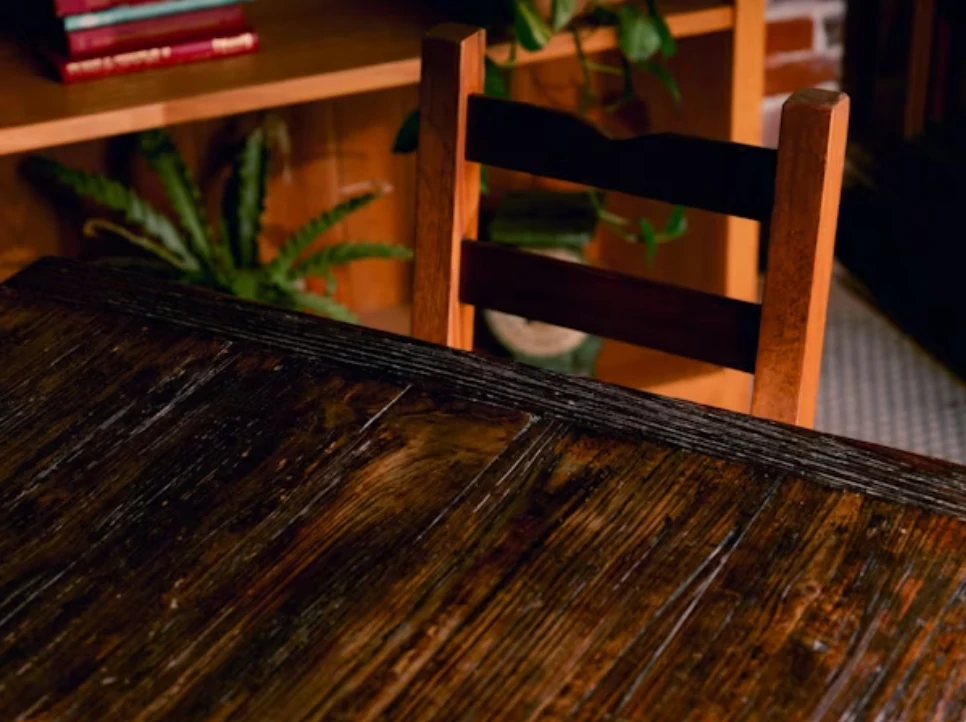
Natural materials like wood and linen
Organic shapes and imperfect textures
This kind of “living irregularity” reduces stress and increases comfort in ways sterile spaces cannot.
How to Build a Home That Actually Works
Let’s move from theory to action.
7. Design Around Life, Not Style
Don’t ask: Is my home minimalist or Scandinavian?
Ask: What do I actually do here?
If you snack and watch shows on the couch → design for comfort and convenience
If you work from home → prioritize accessibility and function
Lifestyle first. Aesthetics follow.
8. Create a Psychological Safe Zone
Not every corner needs to be perfect.
That slightly messy desk. That chair piled with clothes. That creative chaos in your studio corner.
As long as it doesn’t disrupt your movement, it can serve as a pressure-release valve—a space where you don’t have to perform.
9. Balance Empty and Full
Think of your home like breathing:
Empty space = exhale (calm, clarity)
Filled space = inhale (energy, personality)
Use minimalism where you need focus (bedroom, meditation space)
Allow richness where you need stimulation (living room, creative areas)
10. Upgrade Decluttering: From “Throw Away” to “Use Well”
Minimalism often pushes a cycle: discard → replace → repeat.
Instead, shift to utility and meaning.
Ask:
Does this still serve me?
Does it hold emotional value?
A chipped mug you use every morning might be more valuable than a brand-new “aesthetic” replacement.
Final Thoughts
Minimalism is a powerful tool—but it’s not a universal solution.
Your home isn’t a design trend. It’s your recovery space, your thinking space, your emotional basecamp.
If a colorful wall full of your creations makes you smile—keep it.
If a cozy, slightly cluttered corner makes you feel safe—honor it.
The goal isn’t to impress. It’s to support your life.
So step away from rigid rules. Build with intention.
Because the best home style has never been minimalism, maximalism, or anything in between.