NEW JOURNAL NOTES ON SPACE, OBJECTS, AND EVERYDAY ATMOSPHERE
Visit Shop
Back to All Articles

Less Noise, More Comfort: Designing a Home That Truly Lets You Unwind

In this article
When You Walk Through the Door, What Greets You? Chapter 1: Physical Quiet — Blocking Out the World Chapter 2: Visual Quiet — The Power of Less Chapter 3: Physical Comfort — Supporting the Body Chapter 4: Emotional Quiet — Designing for the Mind Conclusion: Your Home Should Recharge You

When You Walk Through the Door, What Greets You?

In today’s fast-paced world, we’re constantly bombarded—notifications, deadlines, traffic, conversations, noise.

So when you finally open your front door, what do you want waiting for you?

Chaos—or calm?

A home is never just a physical structure. It’s your emotional reset zone. A place where you don’t have to perform, compete, or keep up. A place where your nervous system can finally exhale.

This idea aligns closely with Environmental Psychology—the field that explores how our surroundings shape our emotions, behavior, and mental health.

Let’s break down how to design a home with less noise and more comfort—not just acoustically, but visually, physically, and emotionally.

Chapter 1: Physical Quiet — Blocking Out the World

True relaxation starts with reducing external noise.

1. Sound Zoning: Let Spaces Breathe Separately

A well-designed home separates functions. Social areas shouldn’t bleed into rest zones.

  • Use rugs, curtains, and upholstered furniture to absorb sound
  • Install double-glazed windows or insulated doors for bedrooms and offices

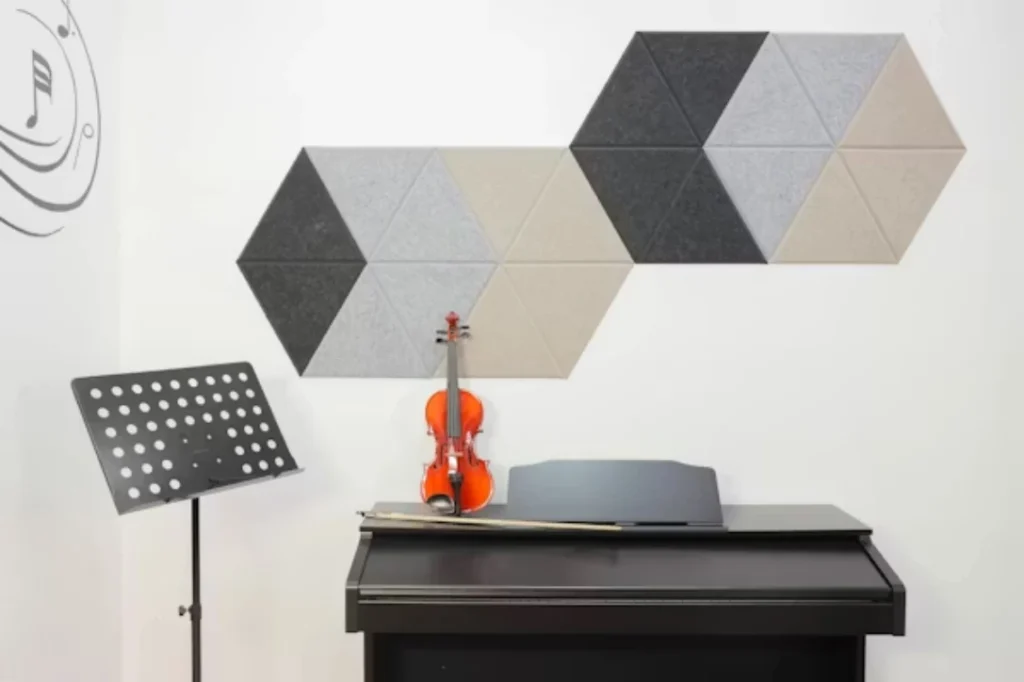
This aligns with principles of Acoustic Design, which emphasize reducing echo and controlling sound flow to minimize stress.

2. Eliminating Hidden Noise

Not all noise is obvious.

  • Pipes behind ceilings can create disruptive water sounds
  • Loose wiring and poor planning lead to vibration noise

Insulating pipes and planning electrical layouts early reduces what designers call background noise load, which contributes to chronic stress.

3. Softer Materials, Softer Living

Hard surfaces amplify sound. Soft ones absorb it.

  • Use dampened cabinet hinges
  • Add felt pads to furniture legs
  • Choose smooth-rolling chairs

Small details reduce micro-noise—those tiny, repeated sounds that slowly wear down your mental energy.

Chapter 2: Visual Quiet — The Power of Less

Your brain doesn’t just hear noise. It sees it.

Visual clutter increases mental strain through Cognitive Load Theory—the idea that your brain has limited capacity to process information.

4. Calm Colors, Calm Mind

Neutral palettes reduce stimulation:

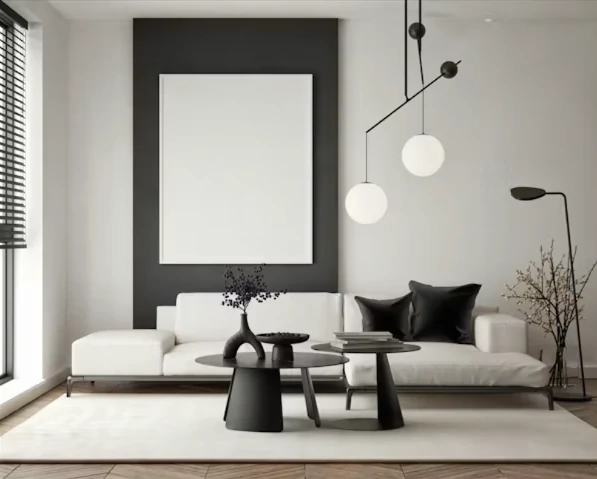
  • whites, greys, warm wood tones
  • natural textures over glossy finishes

These choices align with Biophilic Design, which shows that natural materials promote calm and reduce stress.

5. The “Hide 80%, Show 20%” Rule

Clutter isn’t just messy—it’s mentally expensive.

  • Store most items out of sight
  • Use drawers with dividers
  • Keep surfaces intentionally minimal

Less visual competition = less mental fatigue.

6. Invisible Design: Managing Cables and Systems

Messy wires are visual noise.

Plan ahead:

  • pre-measure appliances
  • hide cables within walls
  • document wiring layouts

Clean visuals create what psychologists call perceptual fluency—spaces that are easy for the brain to process.

Chapter 3: Physical Comfort — Supporting the Body

Once sound and visuals are calm, your body starts asking: Am I comfortable?

7. Ergonomic Support: Your Spine Matters

Modern life means more sitting.

Ergonomic furniture—based on Ergonomics—reduces strain and fatigue.

  • adjustable chairs
  • lumbar support
  • flexible armrests

Comfort isn’t luxury—it’s functional health.

8. Zero-Gravity Relaxation

Ever notice how you instinctively lie down after a long day?

That’s your body seeking recovery.

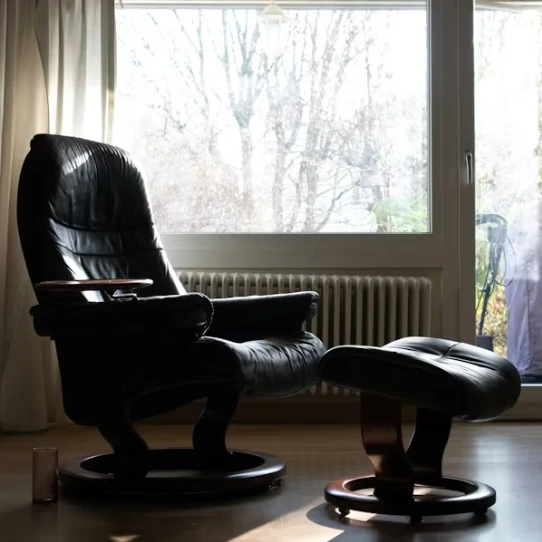
“Zero-gravity” positioning—where knees are slightly elevated above the heart—reduces pressure on the spine and improves circulation. It’s widely used in both medical and aerospace contexts (see Zero Gravity Position).

Reclining sofas or adjustable chairs can replicate this effect at home.

9. Ground-Level Comfort: What You Walk On Matters

Cold, hard flooring feels harsh.

Better alternatives:

  • wood or wood-textured flooring
  • soft textiles
  • natural materials

This connects again to Biophilia—your body relaxes when it senses natural textures.

Chapter 4: Emotional Quiet — Designing for the Mind

All physical design ultimately serves one goal: emotional safety.

10. Create a Personal Retreat Zone

Everyone needs a small space to disconnect.

  • a reading corner
  • a balcony seat
  • a quiet creative area

This reflects principles from Attention Restoration Theory—your brain needs low-demand environments to recharge.

11. Rituals Create Warmth

Comfort isn’t just physical—it’s behavioral.

  • weekly movie nights
  • morning coffee rituals
  • evening lighting routines

These small patterns create emotional grounding.

12. Reduce Emotional Noise

The most overlooked “noise” isn’t physical—it’s relational.

A peaceful home depends on:

  • communication
  • patience
  • emotional safety

No amount of design can compensate for tension. But a supportive environment amplifies everything else.

Conclusion: Your Home Should Recharge You

Designing a restful home isn’t about perfection. It’s about alignment.

  • Less noise
  • Less clutter
  • Less friction

And in return:

  • More comfort
  • More clarity
  • More emotional space

From Environmental Psychology to Attention Restoration Theory, research consistently shows one thing:

Your environment is not neutral—it actively shapes how you feel, think, and live.

So start small:

  • clear one surface
  • soften one light source
  • create one quiet corner

Because a home isn’t just where you live.

It’s where your energy either drains—or returns.

Same category navigation

More to read next

From reading to action

Keep thoughtful guides close as you shape a calmer home.

Save ideas for later, explore room-based guidance, or share what you would like us to write about next.


Explore Room Guides Use room-based guides when you want a calmer way to choose placement, materials, and daily-use pieces.
Share A Future Topic Tell us what spaces, objects, or topics you'd like us to explore next. We’re always open to new ideas and inspiration.
Journal Dispatch

A quiet letter for spatial living.

Receive calm notes on placement, materials, and living with more spatial clarity.