NEW JOURNAL NOTES ON SPACE, OBJECTS, AND EVERYDAY ATMOSPHERE
Visit Shop
Back to All Articles

How to Create a Space That Feels Light, Fresh, and Grounded

In this article
1. Lightness: Teaching Your Space to “Breathe” 2. Freshness: A Sensory Cooling System 3. Groundedness: The Emotional Anchor 4. The Balance: Where All Three Meet Final Thought

There’s a very specific—but often hard to articulate—feeling we want from our homes:

we want them to feel light, free of pressure; fresh, like a breeze on a summer day; and at the same time grounded, capable of catching us when we’re exhausted.

At first glance, these qualities might seem contradictory. But together, they form a powerful psychological triangle rooted in Environmental Psychology and Embodied Cognition.

Let’s explore how to weave these three sensations into one cohesive, deeply restorative home.

1. Lightness: Teaching Your Space to “Breathe”

Lightness isn’t just about owning fewer things. It’s about creating visual lift—where both air and attention can flow freely.

From the lens of Cognitive Load Theory, every heavy, bulky object in your field of vision quietly taxes your brain. A lighter space is, quite literally, easier to think in.

The “Ballet Effect” of Slim Furniture

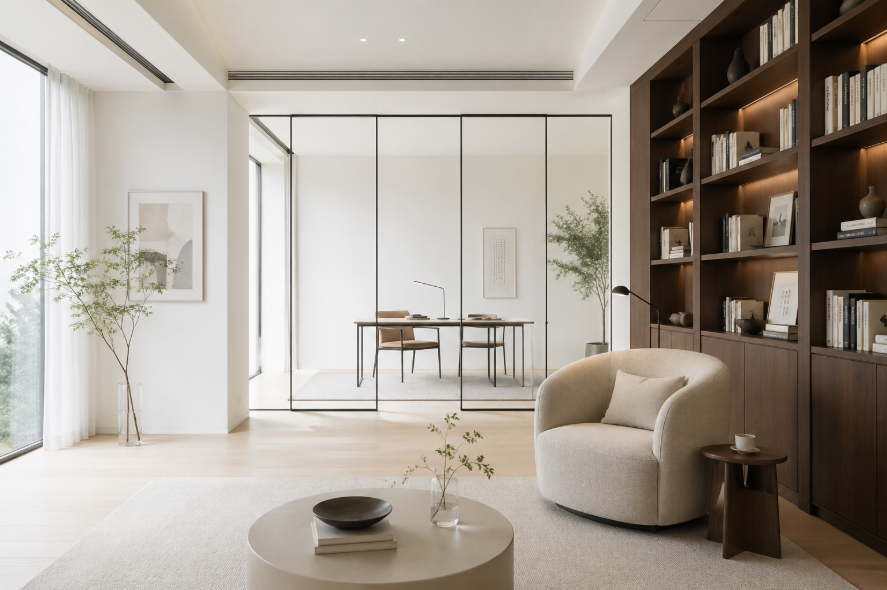
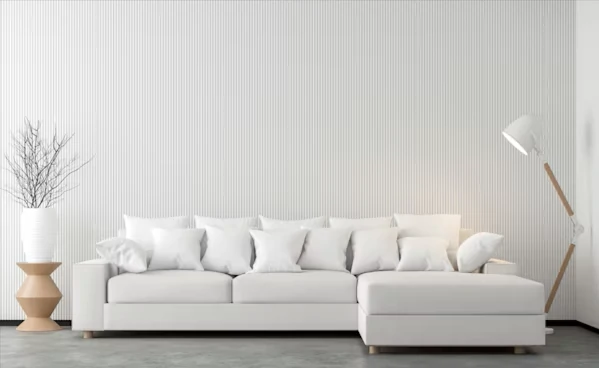
Chunky sofas and thick wooden tables act like visual anchors, weighing a room down. In contrast, furniture with slender legs—think elevated cabinets, open-frame coffee tables, or light dining chairs—creates a sense of lift.

When you can see more floor, your brain perceives more space. The room feels like it’s standing on its toes rather than sinking into the ground.

The 30 cm Rule: Breathing Room Matters

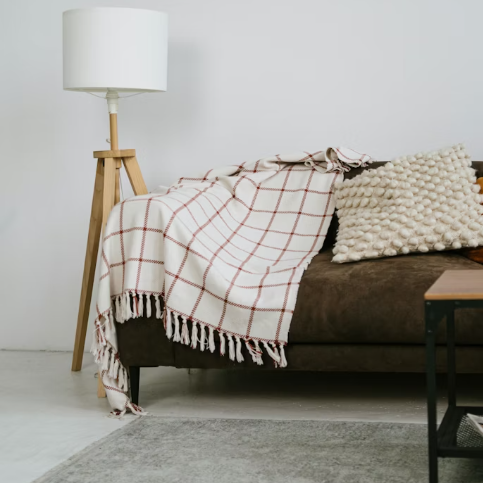
Most people instinctively push furniture against walls. Try the opposite: pull your sofa slightly forward and leave about 30 cm (12 inches) behind it.

That small gap:

  • Improves airflow
  • Breaks visual rigidity
  • Makes the room feel more fluid and dynamic

Sometimes, lightness isn’t about removing—it’s about repositioning.

Disappearing Boundaries

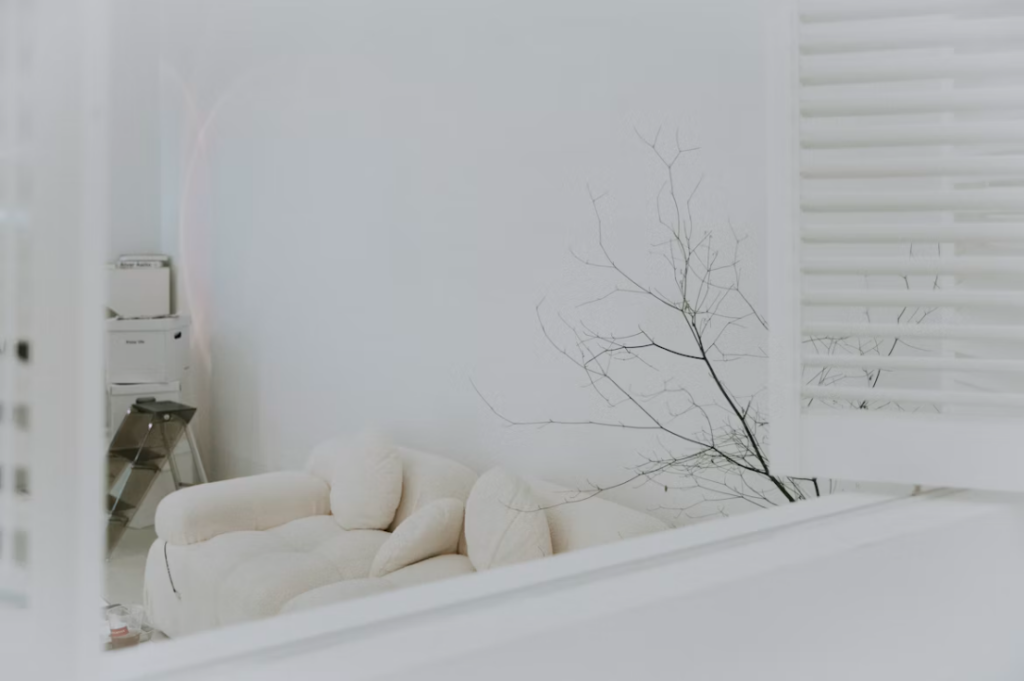
Use color continuity to visually “erase” bulky storage. Cabinets painted the same tone as walls blend in, reducing visual friction.

This is less about minimalism, and more about visual quietness—a subtle but powerful distinction.

2. Freshness: A Sensory Cooling System

Freshness is the feeling of coolness without lowering the thermostat. It’s created through color, material, and light.

Color as “Visual Air Conditioning”

Color psychology—an important branch of Environmental Psychology—shows that low-saturation tones calm the nervous system.

Think:

  • Oat beige
  • Soft ivory
  • Sage green
  • Misty blue

These hues reflect light gently and reduce sensory strain, making the entire space feel cooler and more breathable.

Natural Materials = Instant Calm

Materials shape perception just as much as color.

Linen, cotton, light wood, rattan, and ceramics don’t just look natural—they regulate how light interacts with surfaces. This reduces glare and creates a soft, diffused atmosphere.

Humans are biologically wired for this. It ties directly into Biophilia Hypothesis—our instinctive comfort with natural elements.

Let Light Flow, Not Attack

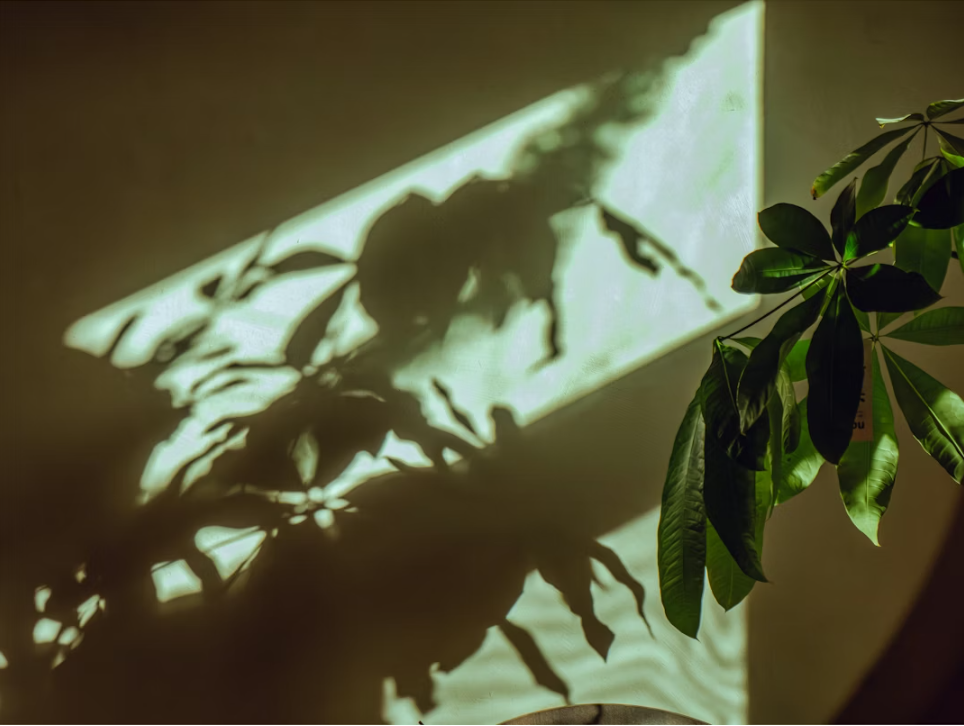
Fresh spaces maximize natural light—but soften it.

  • Sheer curtains instead of blackout blinds
  • Diffused glass partitions instead of solid walls
  • Layered lighting at night instead of one harsh ceiling light

Light should wash the space, not interrogate it.

3. Groundedness: The Emotional Anchor

If lightness lifts and freshness cools, groundedness stabilizes.

Without it, a home risks feeling like a showroom—beautiful, but emotionally hollow.

According to Embodied Cognition, physical sensations directly influence psychological states. When your body feels supported, your mind follows.

Earth Tones as Emotional Anchors

Soft browns, warm grays, and muted charcoal tones provide visual weight. They function like gravity—pulling the space into balance.

Even in a light palette, a grounded element prevents the room from feeling floaty or detached.

The Power of Curves and Enclosure

Sharp angles can feel defensive. Curves feel safe.

  • Rounded sofas
  • Circular tables
  • Arched transitions

These shapes echo the logic behind Prospect-Refuge Theory: we feel best in spaces that offer both openness (prospect) and protection (refuge).

Curves create that sense of gentle enclosure—like being subtly held.

Create “Gravity Zones”

Every home needs at least one place where your body can fully let go.

  • A deep lounge chair
  • A grounded reading nook
  • A textured floor seating area

These are not just design features—they’re physical signals to your nervous system: you can rest now.

4. The Balance: Where All Three Meet

The real art lies in blending lightness, freshness, and groundedness without letting one overpower the others.

Use Contrast Intentionally

  • Light space + one grounded chair
  • Airy layout + tactile textures
  • Minimal palette + layered materials

Think in terms of balance, not rules.

Leave Space Unfinished

Not every corner needs to be filled. Empty space is not wasted space—it’s psychological breathing room.

Let Details Echo Each Other

When colors, textures, or materials subtly repeat across a room, your brain registers coherence. And coherence reduces mental effort.

Final Thought

A home is not a collection of furniture—it’s a reflection of your internal state.

Lightness lets your thoughts expand.

Freshness clears mental clutter.

Groundedness holds you steady.

When these three coexist, something shifts: your home stops being a place you manage—and starts becoming a place that quietly supports you.

So the next time you walk through your door, pause for a second.

Take a breath.

Same category navigation

More to read next

From reading to action

Keep thoughtful guides close as you shape a calmer home.

Save ideas for later, explore room-based guidance, or share what you would like us to write about next.
Explore Room Guides Use room-based guides when you want a calmer way to choose placement, materials, and daily-use pieces.
Share A Future Topic Tell us what spaces, objects, or topics you'd like us to explore next. We’re always open to new ideas and inspiration.
Journal Dispatch

A quiet letter for spatial living.

Receive calm notes on placement, materials, and living with more spatial clarity.