NEW JOURNAL NOTES ON SPACE, OBJECTS, AND EVERYDAY ATMOSPHERE
Visit Shop
Back to All Articles

Micro-Living Luxury: Designing Small Spaces That Feel Expansive

A small space is not a limitation.

Modern micro-living is not about squeezing into less. It is about discovering luxury through comfort, balance, and thoughtful design. From multi-functional layouts to materials that enhance light and atmosphere, small-space living has become a quiet expression of refined elegance.

True spaciousness is not measured in square footage, but in how a space feels.

These are human-centered design principles that can make any compact home feel spacious, serene, and effortlessly luxurious.

1.Light, Neutral Foundations

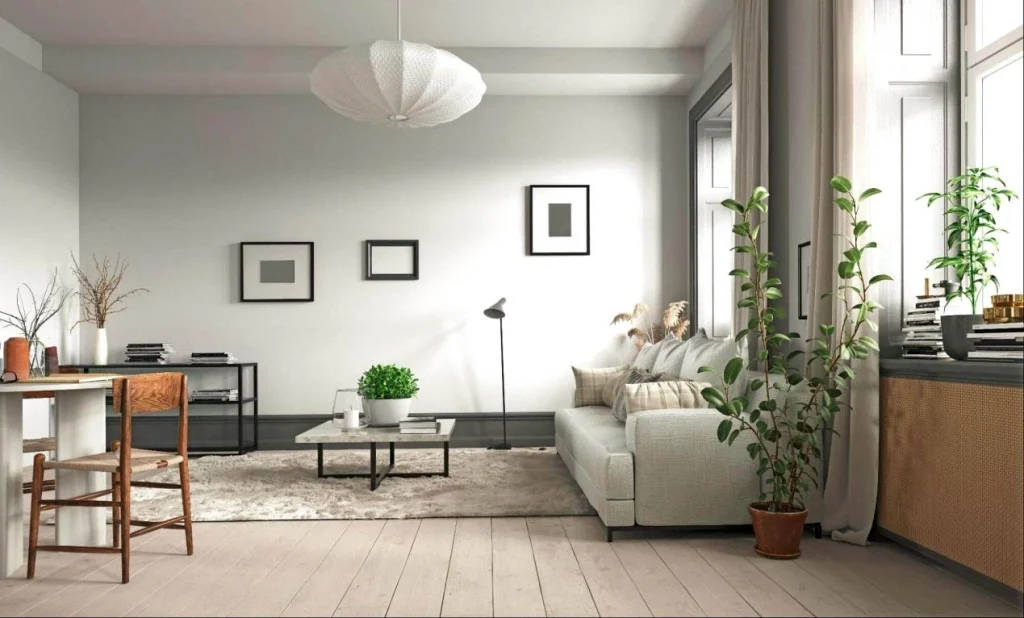
Soft neutrals instantly expand visual space. Warm whites, oat tones, pale beige, and cool greige reflect light gently and create a serene, hotel-like atmosphere.

Layer neutral textures — linen curtains, boucle seating, natural stone accents — to add depth without visual clutter. In small homes, light tones act as a quiet canvas that allows surfaces to breathe.

2.Low-Profile Furniture

Low-backed sofas, platform beds, and streamlined armchairs visually lower the center of gravity, making ceilings feel higher.

This proportional shift creates modern refinement. Pair low seating with taller elements like plants or vertical artwork to maintain balance and elegance.

3.Let Windows Lead

Windows are your greatest asset in a small home. Keep treatments light — sheer linen curtains or minimal blinds — to allow daylight to flow freely.

Avoid heavy fabrics that visually “cut” the room. Arrange furniture to frame windows rather than block them. When indoor and outdoor views connect seamlessly, the space feels far larger than its footprint.

4.Purposeful Corners

Unused corners can become mini retreats:

  • A single chair becomes a reading nook
  • A floating shelf becomes a compact workspace
  • A small round table creates a quiet coffee corner

In Feng Shui terms, activating corners enhances flow and prevents stagnant energy.

5.The Luxury of a Murphy Bed

A well-designed bed preserves floor space while maintaining full comfort. When closed, it can function as shelving or integrated cabinetry. When open, it transforms the room into a restful sanctuary.

Flexibility is the ultimate luxury in micro-living.

6.Built-In Harmony

Architectural niches, alcoves, and recessed walls are opportunities for seamless storage or seating.

Built-ins feel intentional rather than added, maintaining visual continuity and expanding perceived space.

7.The Power of White

White enhances light and softens shadow. Warm whites feel inviting; crisp whites feel modern and clean.

Used thoughtfully, white broadens hallways, brightens dark corners, and creates smooth transitions between rooms.

8.Defined Zones Without Walls

Think in zones rather than rooms.

A rug defines a living area.

A pendant light marks a dining zone.

A window desk signals focus.

Clear zoning creates structure, and structure creates psychological calm — even in open layouts.

9.A Table That Fits Real Life

A round dining table softens space.

A foldable table adapts when needed.

A slim rectangular table can sit against a wall when unused.

When proportions align with lifestyle, the entire room feels more generous.

10.Clarity Over Clutter

Clutter occupies space faster than walls.

Keep surfaces clean. Use trays and concealed storage to reduce visual noise. When the eye can move freely, the room feels larger and calmer.

Luxury in small spaces often begins with restraint.

11.Simple, Cohesive Fabrics

Busy patterns can overwhelm compact rooms. Choose soft, solid fabrics like linen, cotton, or textured neutrals.

Visual simplicity enhances sophistication and allows the architecture to breathe.

12. Mirrors as Light Multipliers

A large mirror placed opposite a window can double perceived light.

Mirrors create depth and reflection — but use them intentionally. One statement mirror often works better than multiple small ones.

13.Maximize Natural Light

Keep windows clear and unobstructed. Use reflective surfaces and pale walls to extend daylight deeper into the room.

Natural light is the most powerful spatial enhancer — it energizes, expands, and softens simultaneously.

14.Embrace Curved Forms

Rounded furniture softens compact layouts.

Curved sofas, oval tables, and circular ottomans reduce harsh visual interruptions and improve flow. In Feng Shui philosophy, curves encourage smoother movement of energy.

15. Paint the Ceiling

A light ceiling reflects both natural and artificial light, drawing the eye upward and creating vertical expansion.

Even a slightly lighter shade than the walls can subtly elevate the room.

16. Think Vertically

Tall shelving uses vertical space efficiently while drawing the gaze upward.

Vertical design not only increases storage — it increases perceived height and architectural elegance.

17.Choose One Bold Statement

In small spaces, fewer large elements often work better than many small ones.

An oversized artwork or large rug anchors the room and simplifies visual composition. Bold scale reduces clutter and enhances refinement.

18.Monochromatic Harmony

Choose one base color and layer subtle variations of tone throughout the space.

Monochromatic palettes create fluidity and reduce abrupt visual breaks. The result feels cohesive, calm, and elevated.

Conclusion: Spaciousness Is a Feeling

Micro-living does not mean sacrificing comfort.

Thoughtfully designed small spaces can feel expansive, elegant, and deeply personal. True luxury is not measured by square meters, but by emotional experience.

When storage is intelligent, light flows freely, and furniture supports daily life, even the smallest apartment can feel airy and refined.

Luxury is not about size.

It is about how your space supports the way you live.

Same category navigation

More to read next

From reading to action

Keep thoughtful guides close as you shape a calmer home.

Save ideas for later, explore room-based guidance, or share what you would like us to write about next.

Explore Room Guides Use room-based guides when you want a calmer way to choose placement, materials, and daily-use pieces.
Share A Future Topic Tell us what spaces, objects, or topics you'd like us to explore next. We’re always open to new ideas and inspiration.
Journal Dispatch

A quiet letter for spatial living.

Receive calm notes on placement, materials, and living with more spatial clarity.