NEW JOURNAL NOTES ON SPACE, OBJECTS, AND EVERYDAY ATMOSPHERE
Visit Shop
Back to All Articles

Bedroom Feng Shui: Simple Tips for Restful, Positive Energy
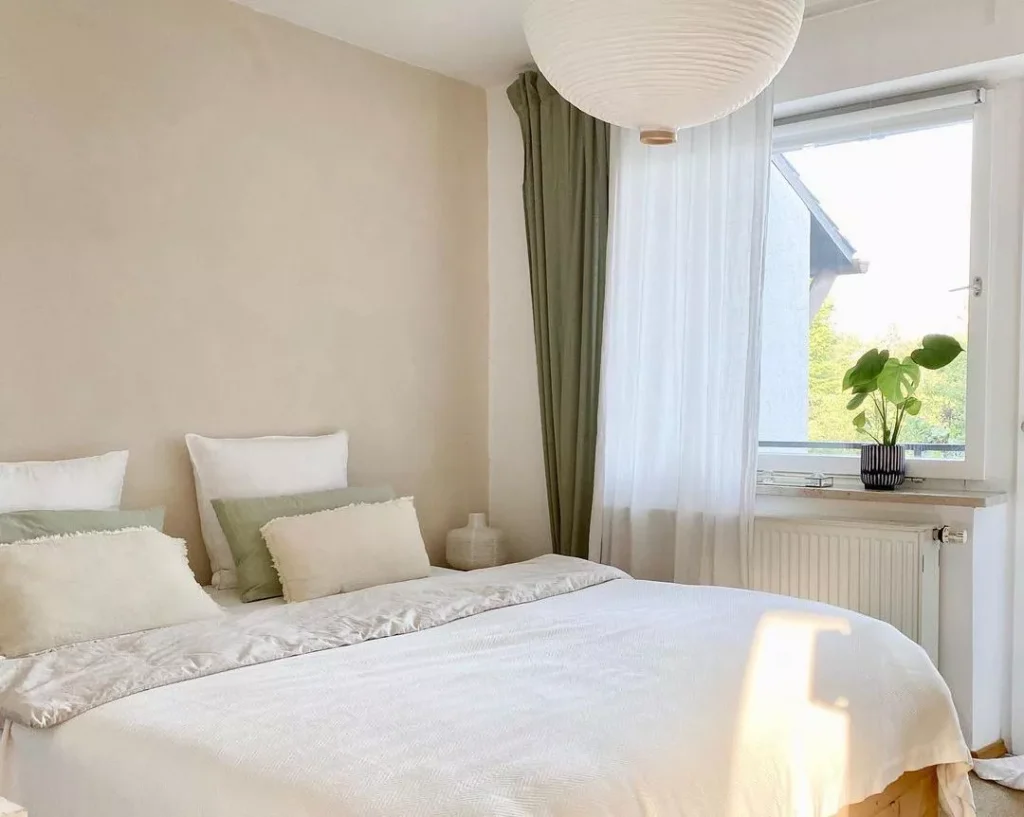
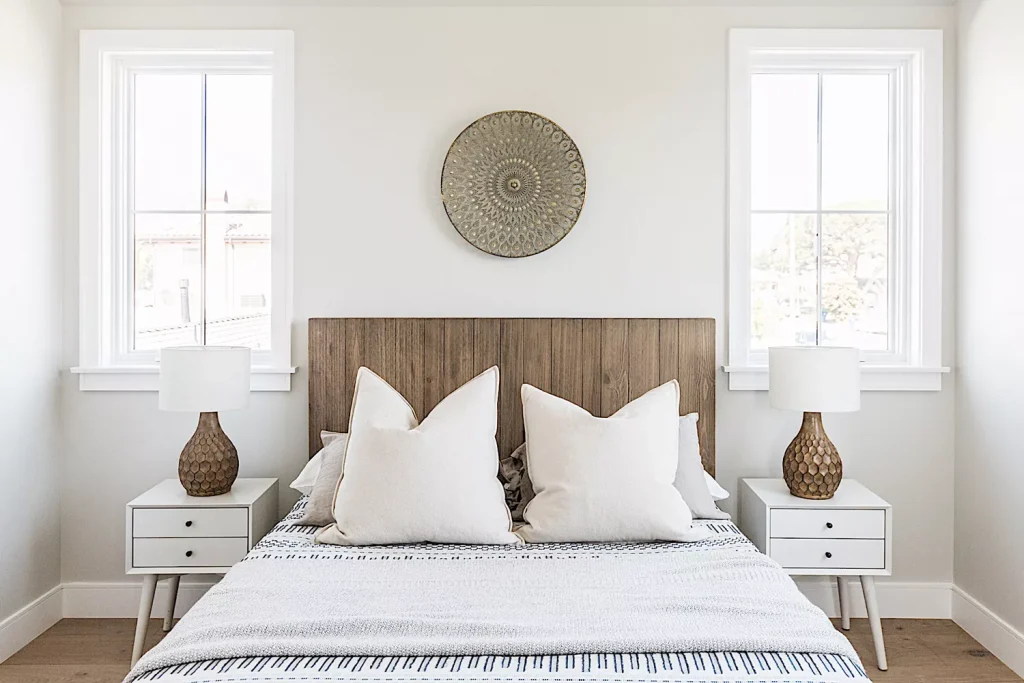
Your bedroom is where you rest, reset, and recharge. In Feng Shui, it’s one of the most important rooms in the home because it directly affects your sleep, relationships, and overall wellbeing. The good news? You don’t need a full makeover. A few thoughtful adjustments can create a calmer, more balanced space.

Here’s how to bring better energy into your bedroom — in a practical, modern way.

Start with the Bed Position

Bed placement is the foundation of good bedroom Feng Shui.

  • Position your bed so you can see the door while lying down — but avoid placing it directly in line with the door.
  • Keep the headboard against a solid wall for stability.
  • Avoid placing the bed directly under a window if possible.

This setup creates a sense of security and balance, helping you relax more easily.

Choose a Supportive Headboard

A solid headboard symbolizes stability and support, especially in relationships.

Choose one that feels sturdy and secure, ideally with soft or rounded edges.

Clear the Space Under the Bed

Energy should flow freely around you while you sleep. If possible, keep the area under the bed empty.

If you need storage, use it only for soft items like extra bedding. Avoid storing:

  • Old emotional items
  • Shoes
  • Suitcases
  • Heavy or stressful objects

Your sleep space should feel grounded, not transitional.

Limit Electronics

TVs, computers, and phones create stimulation and electromagnetic fields that may disturb sleep.

  • Keep devices out of the bedroom if possible.
  • Use a traditional alarm clock.
  • Replace scrolling with reading before bed.

Your bedroom should feel restorative, not digital.

Create Symmetry

Balance brings harmony.

If space allows:

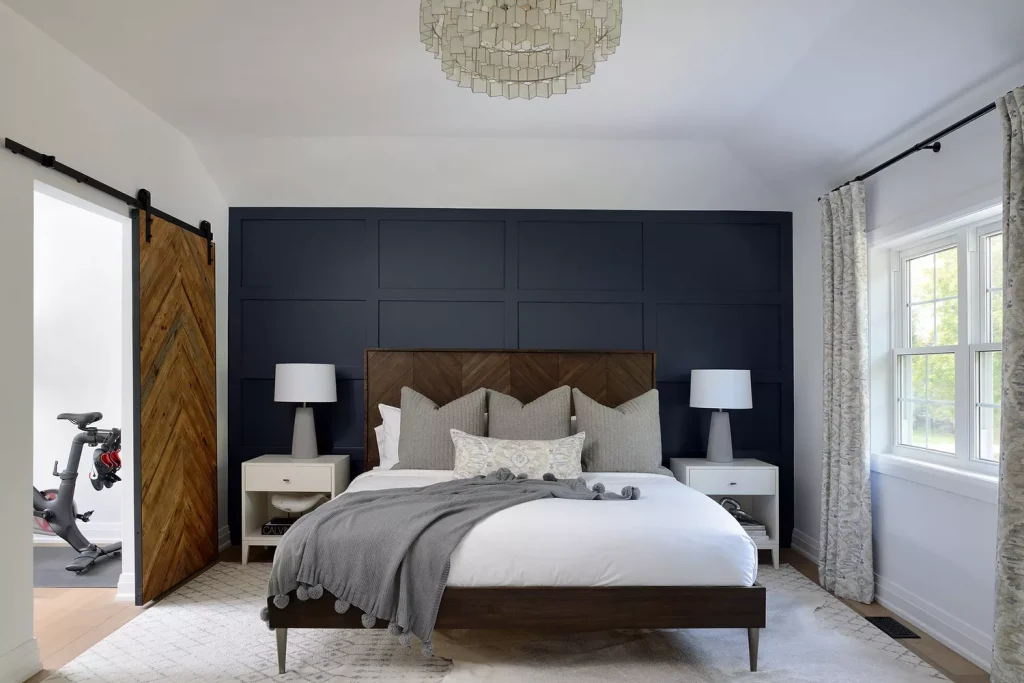
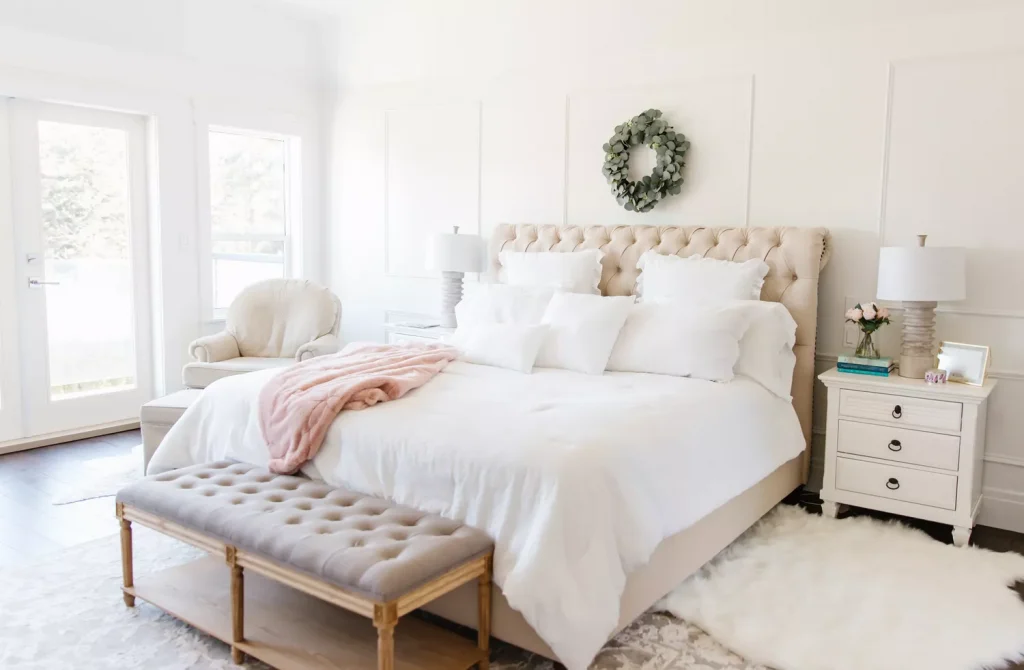
  • Leave equal space on both sides of the bed.
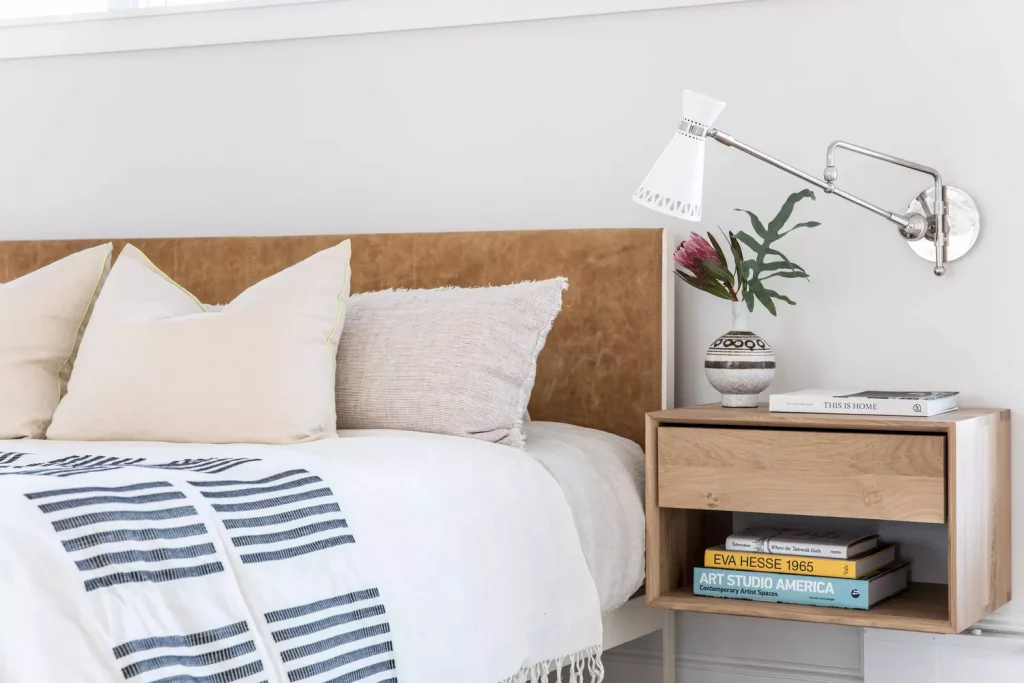
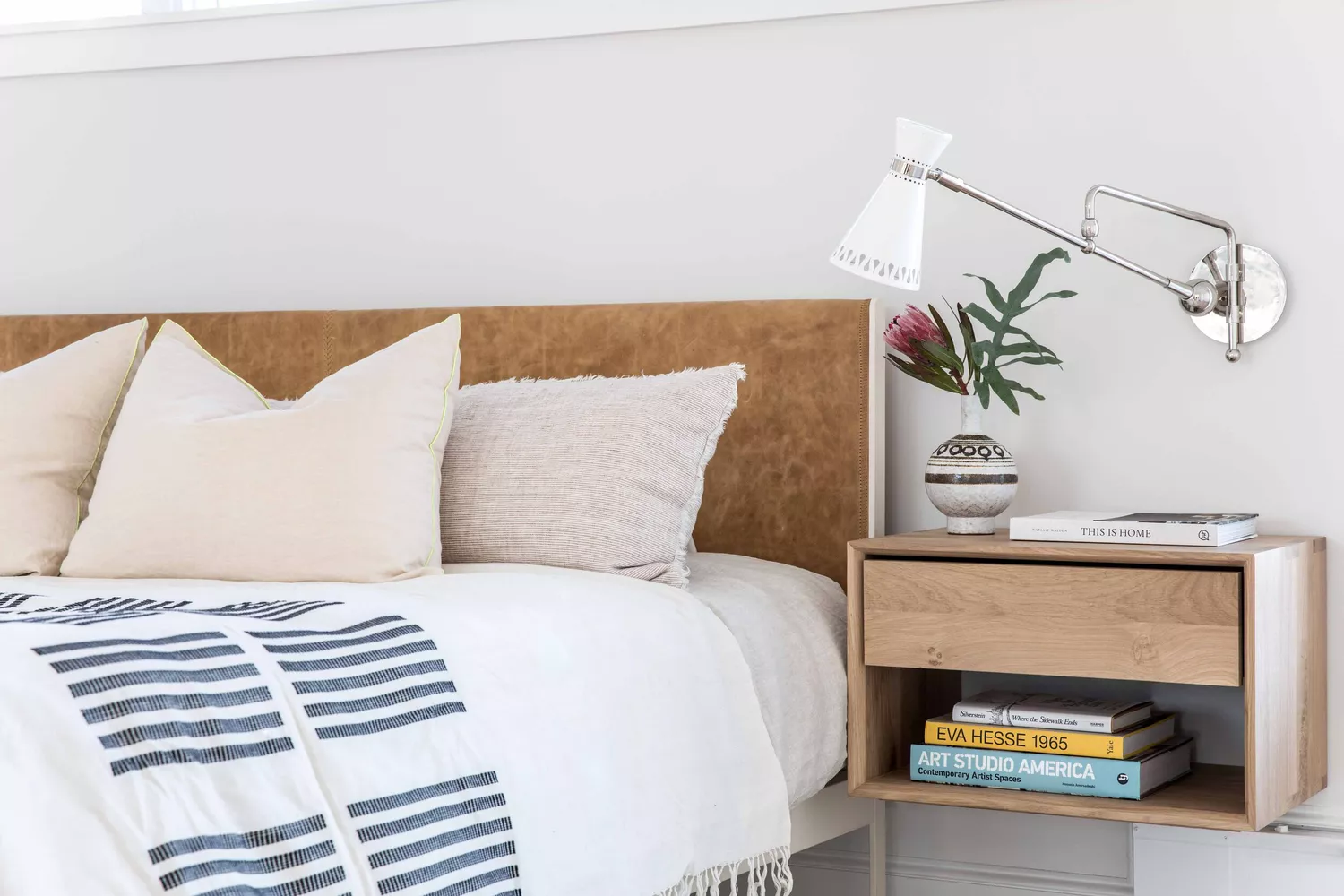
  • Use two bedside tables and lamps.

They don’t need to match perfectly, but they should feel visually balanced.

Use Soft, Neutral Colors

Calming colors support restful energy.

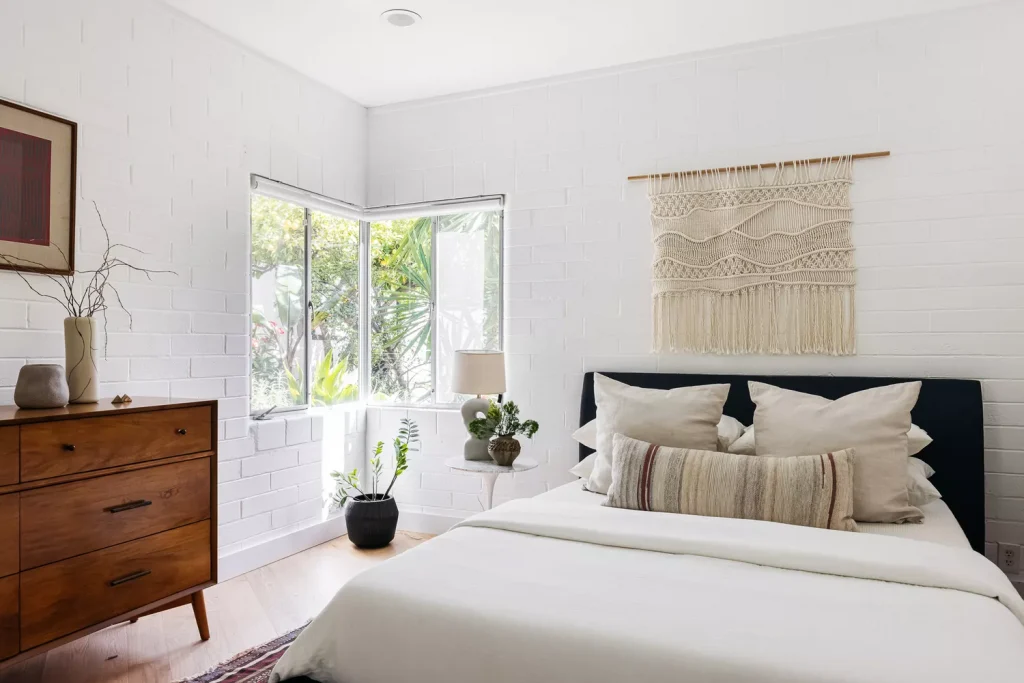
  • Beige, cream, and earth tones promote relaxation.
  • Soft blues and greens can refresh without overwhelming.
  • Add touches of pink or red subtly if you want to encourage romance.

Keep the palette gentle and supportive.

Be Selective with Artwork

What you see before sleep matters.

  • Avoid aggressive or overly intense imagery.
  • If single and seeking partnership, choose artwork that represents pairs or connection.
  • Keep family photos in shared spaces, not directly above the bed.

Choose art that makes you feel calm and positive.

Move Work Out of the Bedroom

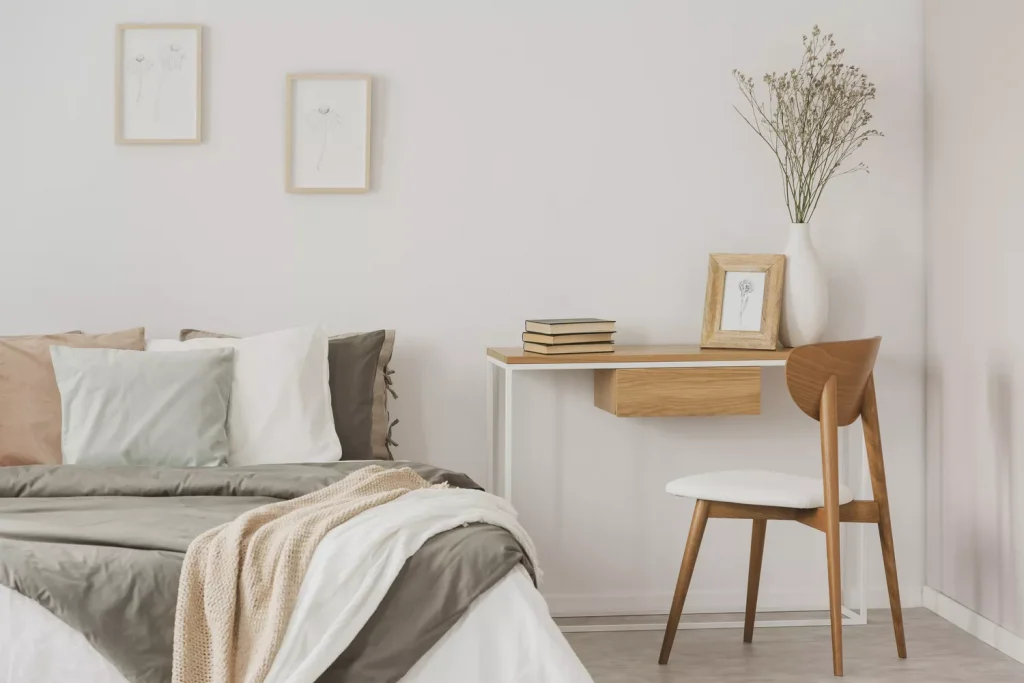
If possible, keep desks and work materials in another room.

If that’s not an option:

  • Create separation with a screen or curtain.
  • Close or cover your desk at the end of the day.

Your bedroom should support rest, not productivity.

Choose the Right Bed Size

If space and budget allow, choose a bed large enough to feel comfortable and supportive. Avoid beds that require split foundations, as they may symbolically divide energy between partners.

Add Soft Textures & Proportions

A well-sized rug helps ground the bed and balance the room.

Choose bedding that feels soft and inviting.

Less clutter, more comfort.

Plants: Use in Moderation

Some Feng Shui practitioners encourage plants for vitality; others caution against too much active energy in the bedroom.

A good compromise:

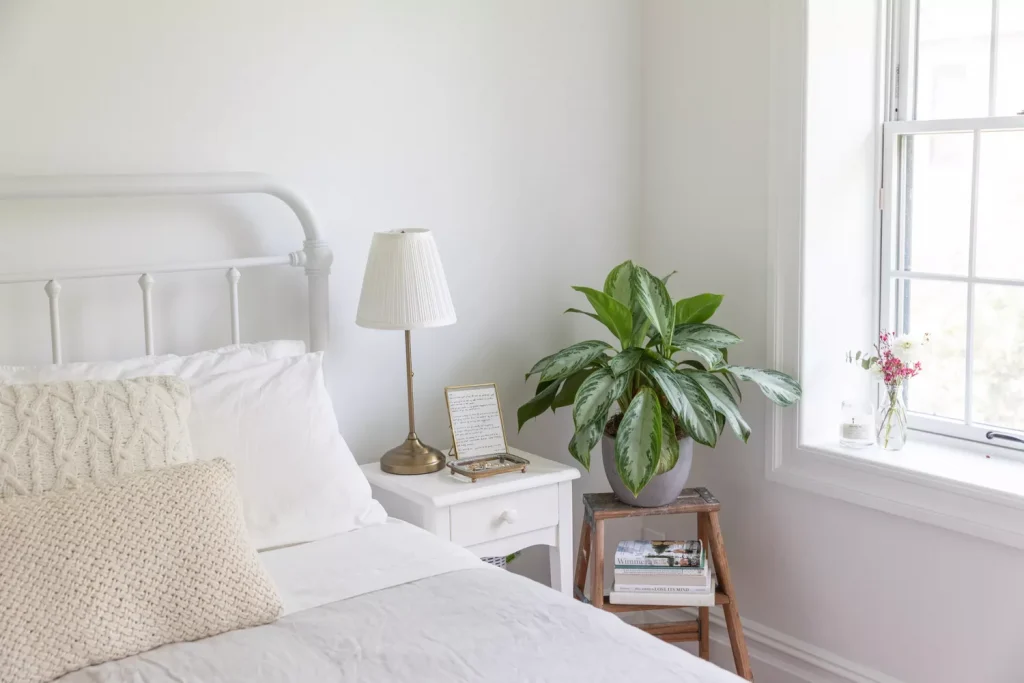
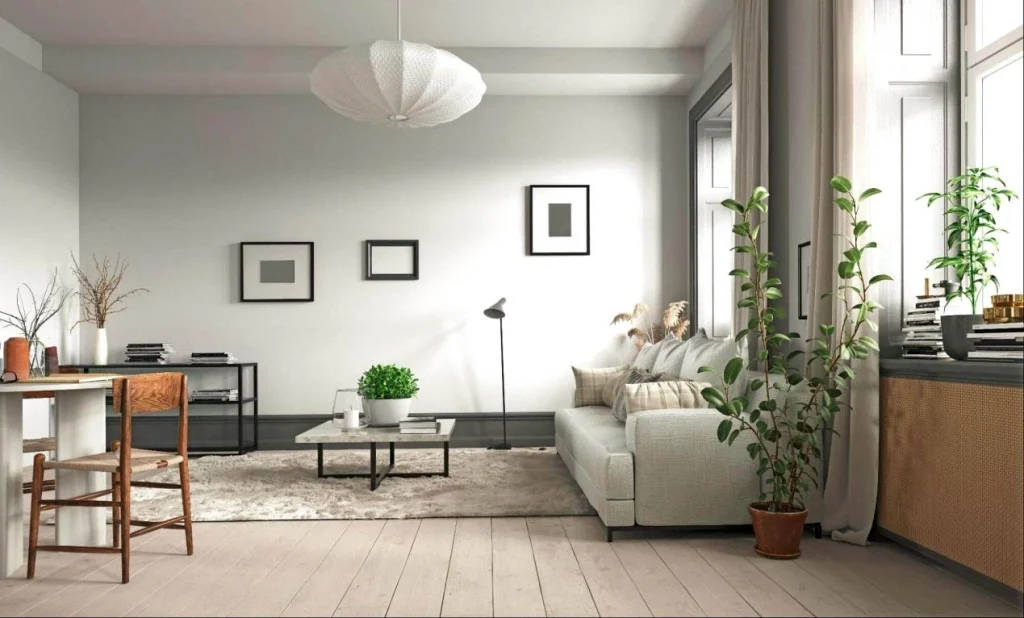
  • Keep one or two small, healthy plants.
  • Avoid turning the bedroom into a mini jungle.

Balance is key.

Fresh Flowers & Clean Energy

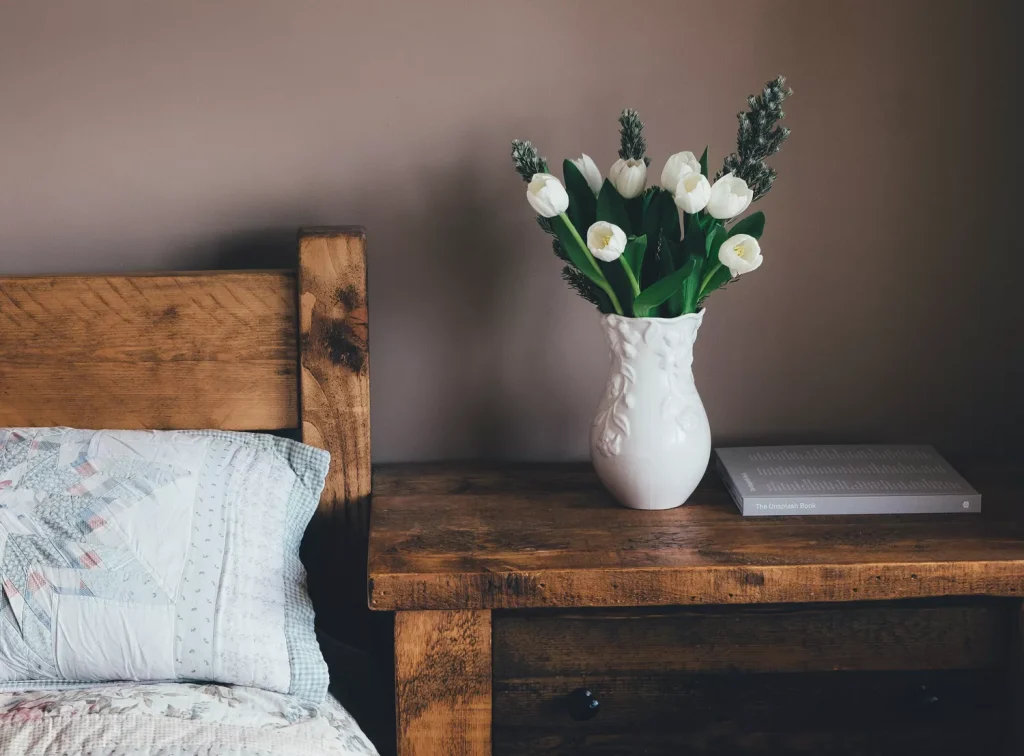
Fresh flowers add beauty and vitality — just remember to change the water and remove wilted blooms.

Regularly clean your bedroom and allow fresh air to circulate. You can also use essential oils like sweet orange or gentle incense if you enjoy scent rituals.

Mirror Placement Matters

Mirrors can expand light and space — but placement is important.

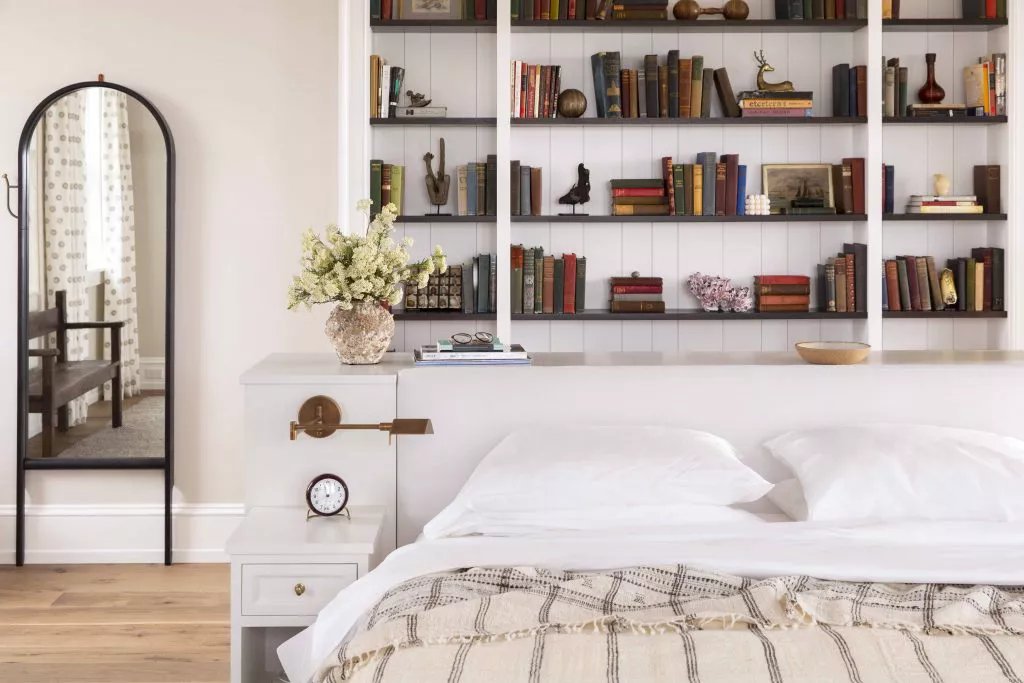
  • Avoid placing a mirror directly facing the bed.
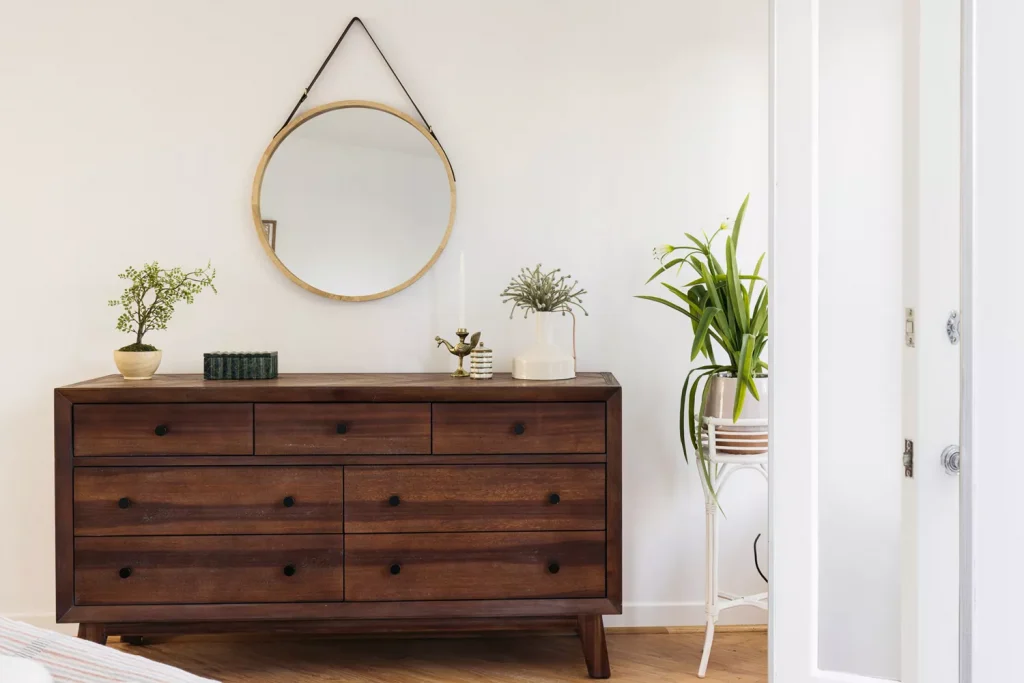
  • Position mirrors where they reflect something pleasant, like a window or artwork.
  • Avoid cracked or damaged mirrors.

What to Avoid in Bedroom Feng Shui

  • Beds directly facing the door (the “coffin position”)
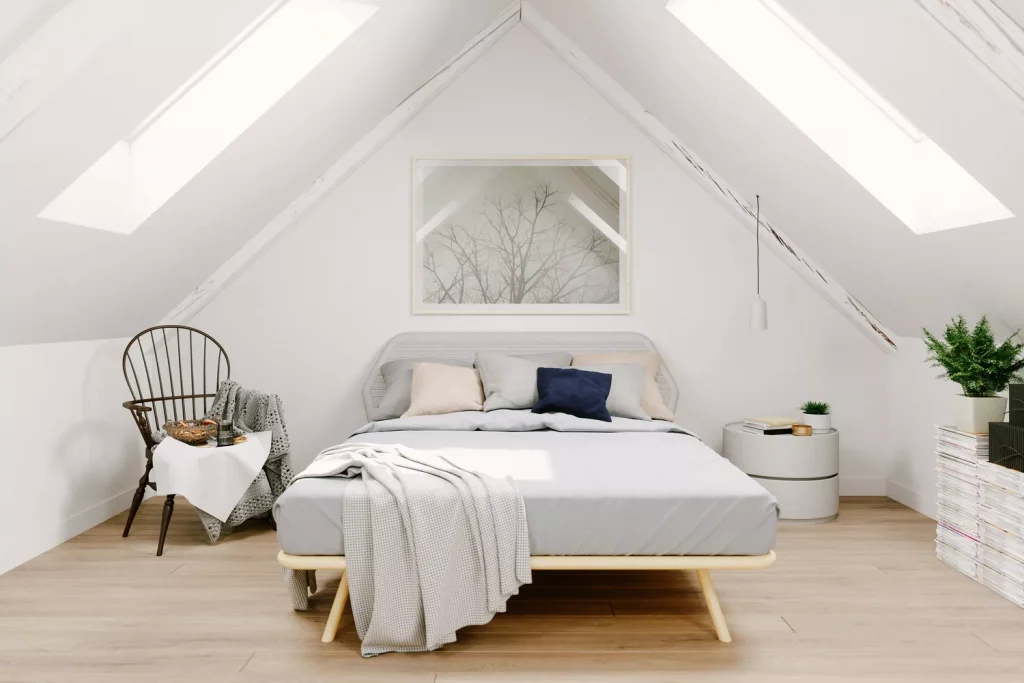
  • Beds under low beams or slanted ceilings
  • Water features or large water imagery
  • Exercise equipment
  • Overhead chandeliers directly above the bed
  • Heavy clutter or sharp furniture edges

The Most Important Rule

Keep it simple.

A good Feng Shui bedroom is:

  • Clean
  • Calm
  • Softly lit
  • Free from clutter and distractions

When your bedroom feels balanced and supportive, your sleep improves — and so does your energy throughout the day.

Your bedroom should feel like a sanctuary.

When you design it with intention, it becomes one.

Same category navigation

More to read next

From reading to action

Keep thoughtful guides close as you shape a calmer home.

Save ideas for later, explore room-based guidance, or share what you would like us to write about next.

Explore Room Guides Use room-based guides when you want a calmer way to choose placement, materials, and daily-use pieces.
Share A Future Topic Tell us what spaces, objects, or topics you'd like us to explore next. We’re always open to new ideas and inspiration.
Journal Dispatch

A quiet letter for spatial living.

Receive calm notes on placement, materials, and living with more spatial clarity.