Spatial Psychology: How Layout Affects Your Emotions
Your home is constantly communicating with you.
Not in a mystical or dramatic way—but in subtle, practical ways like: “This furniture arrangement is stressing me out.”
The layout of a room quietly influences your mood every single day. That’s why you may feel instantly calm in one corner of your home—and strangely irritated in another, even if you can’t explain why.
We often focus on decoration—pillows, paint colors, beautiful baskets—but what truly determines how we feel at home is layout. Whether you move through your space with ease and clarity, or find yourself tripping over ottomans and questioning life decisions, depends largely on invisible psychological cues embedded in your environment.
The good news? You don’t need a degree in environmental psychology to create a calmer home. A few thoughtful layout adjustments can reduce stress, improve focus, and make daily life flow more smoothly.
Let’s explore the science—without the jargon.
The good news? You don’t need a degree in environmental psychology to create a calmer home. A few thoughtful layout adjustments can reduce stress, improve focus, and make daily life flow more smoothly.
Let’s explore the science—without the jargon.
The Science Behind Space Psychology
Environmental psychology studies why some rooms make you want to curl up with tea, while others make you want to leave immediately.
Your brain constantly scans your surroundings, evaluating whether they feel:
- Safe or chaotic
- Supportive or obstructive
- Calm or overwhelming
Here are a few things your brain deeply cares about:
- Perceived control: Does the room support you—or work against you?
- Territorial clarity: Everyone needs at least one space that feels distinctly “mine.”
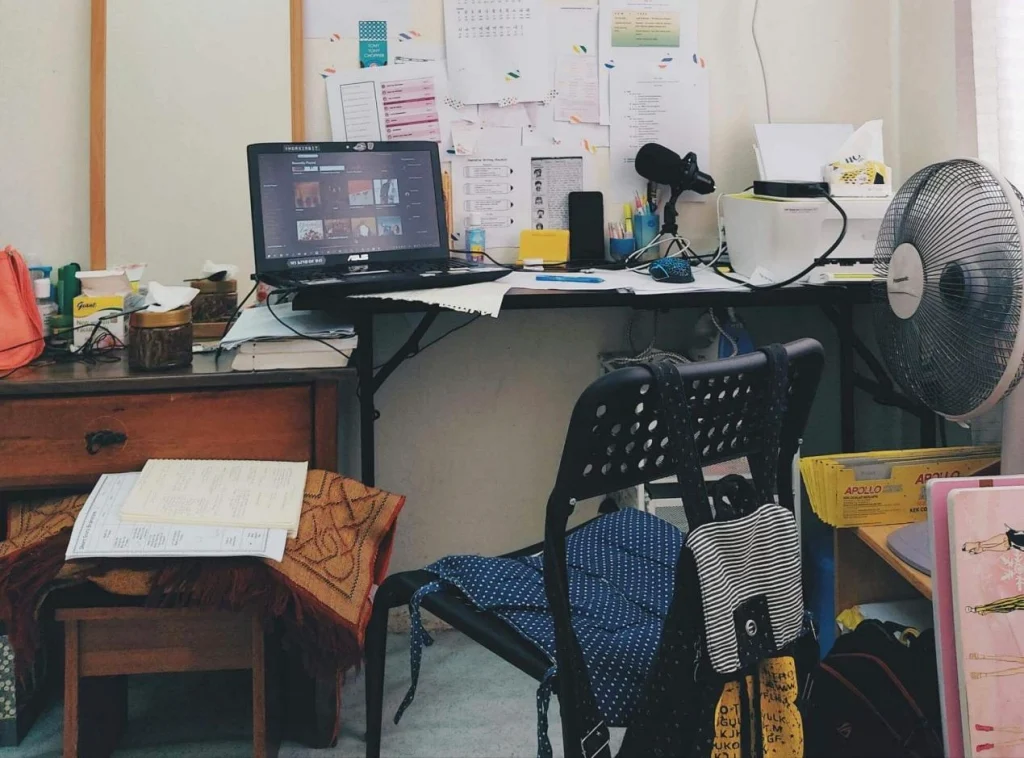
- Cognitive load: Visual clutter exhausts mental energy.
- Wayfinding: If navigating your room feels like an obstacle course, your nervous system remembers that stress.
Your brain is not overreacting—it genuinely responds to spatial arrangement. Clear pathways make your home feel like a refuge. Disrupted flow does the opposite.
Open Layout vs. Defined Space: Why Your Brain Loves Boundaries
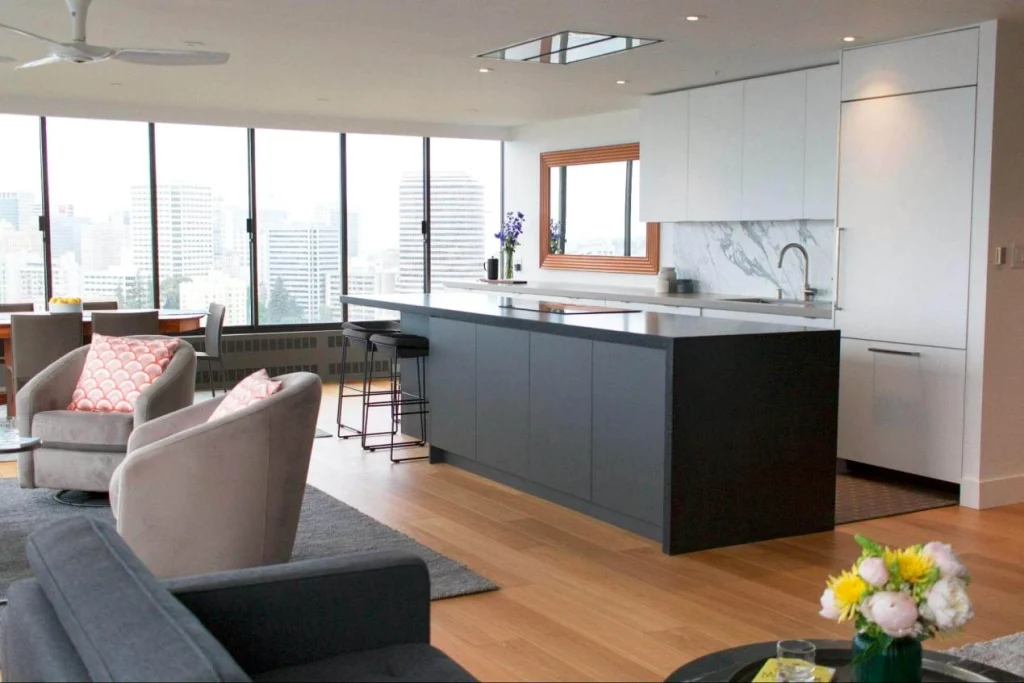
Open-plan layouts look beautiful—airy, modern, expansive. But when the kitchen, dining area, living room, and workspace blend together without distinction, your brain struggles to understand what state it should be in.
Should you relax? Work? Eat? Focus? Socialize?
Defined zones help your nervous system switch modes. A reading corner signals slow down. A work desk signals focus. These subtle cues support emotional regulation without conscious effort.
You don’t need walls to create boundaries.
Try:
- Using rugs to define functional areas
- Adjusting lighting intensity between zones
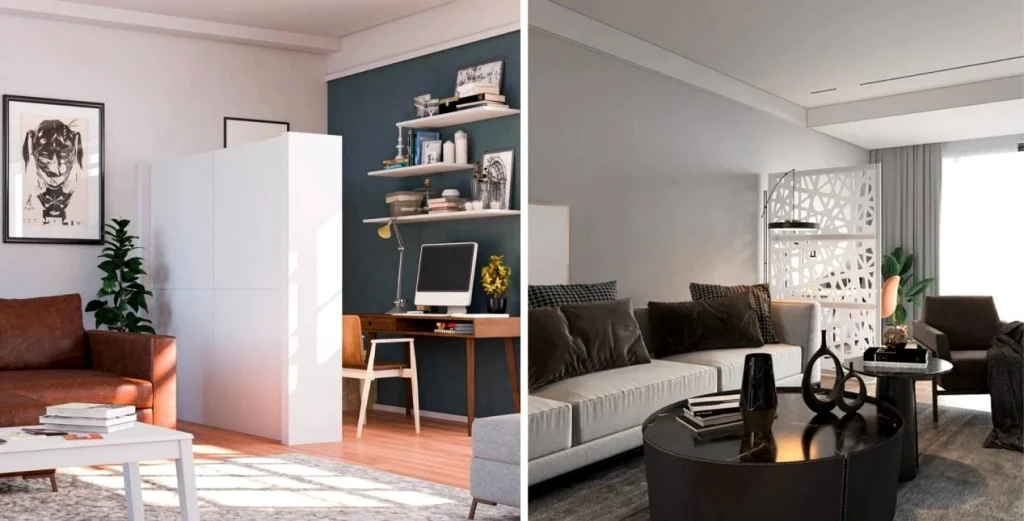
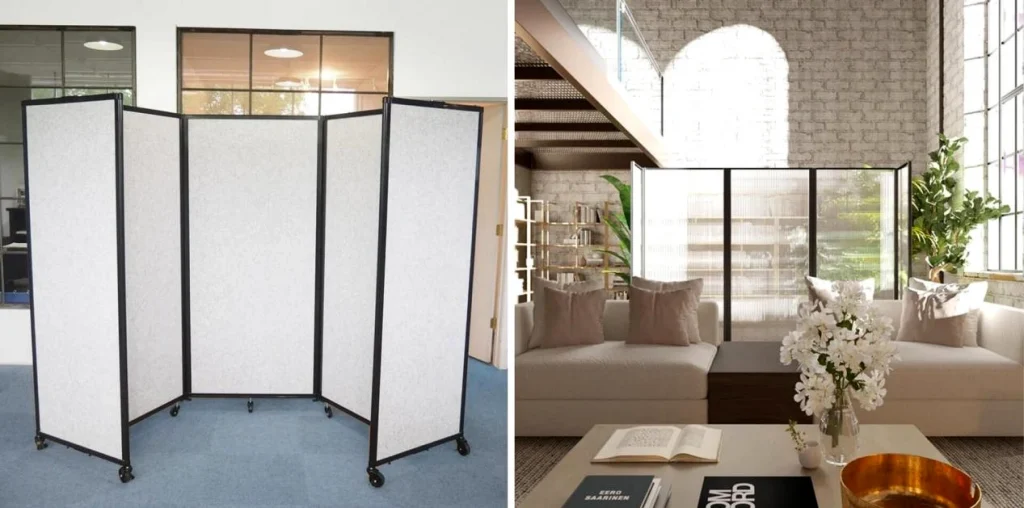
- Introducing slim partitions or decorative screens
- Rearranging furniture angles to suggest separation
The goal is not to shrink your space—but to clarify it.
Flow and Movement: Why Bumping Into Furniture Affects Your Mood
Have you ever walked into a room, hit your shin on a table, and felt your stress spike instantly?
Poor circulation creates micro-stress. These small frustrations accumulate.
Your brain prefers predictable pathways. It wants you to glide through your home—not navigate obstacles.
When movement flows easily:
- Your body relaxes
- Daily irritations decrease
- The space feels larger without increasing square footage
Simple Layout Adjustments
- Observe your natural walking paths. Where do you hesitate or sidestep?
- Move bulky furniture away from main routes.
- Align sofas parallel to movement lines rather than cutting across them.
- Replace sharp-edged tables with rounded forms.
- Pull furniture slightly away from walls to create breathing room.
Clear pathways reduce subconscious tension.
The Power of Personal Territory
Even in the most harmonious homes, everyone needs emotional space.
A dedicated chair.
A specific desk.
A shelf that belongs to one person.
Personal territory is not selfish—it is psychological grounding.
When individuals have defined areas that feel like their own:
- Stress decreases
- Focus improves
- Household tension often softens
To strengthen emotional belonging
- Designate a true personal workspace
- Use lighting to define “zones”
- Adjust furniture angles so individuals face their own direction
- Subtly separate shared areas with shelves, plants, or screens
- Boundaries create emotional stability.
Light, Space, and Emotional Energy
Layout and lighting work together. If one is off, your mood shifts.
When furniture blocks light, rooms feel heavier. When light flows freely, energy lifts.
Enhance emotional brightness by
- Moving tall furniture away from windows
- Switching heavy curtains to sheer fabrics
- Layering lighting (ambient, task, accent)
- Using uplighting to create vertical spaciousness
Even in windowless spaces, upward-facing light can create the illusion of openness.
Light supports vitality—both physically and energetically.
Clutter Zones and Storage Psychology
Clutter isn’t just visual—it raises cortisol levels.
But clutter often gathers in predictable places:
- Entryways
- Kitchen counters
- Sofa arms
- Dining tables
These “clutter hotspots” reveal missing storage near movement paths.
Instead of blaming yourself, redesign the layout.
Try:
- Installing wall-mounted mail organizers near entryways
- Adding hooks where coats naturally land
- Placing slim consoles in transitional zones
- Using closed storage benches or hidden baskets
When storage aligns with behavior patterns, chaos naturally decreases.
Room Shape Matters
Rectangular rooms feel stable and predictable.
Irregularly shaped rooms can create subtle unease because your brain struggles to categorize them.
Long narrow rooms may feel tense.
Sharp angles may feel unsettled.
Empty corners can feel incomplete.
To Stabilize Awkward Shapes:
- Divide long rooms into functional zones
- Use rounded furniture to soften harsh angles
- Activate empty corners with plants, lamps, or benches
- Add symmetry (paired lamps, balanced artwork) to visually anchor the room
Clear visual hierarchy reduces subconscious discomfort.
Your Home Is an Extension of Your Mind
Your home is not neutral.
It either supports clarity—or reinforces chaos.
When you adjust a clutter zone, define a boundary, or shift a sofa slightly, you are not just moving furniture—you are recalibrating emotional pathways.
Your home does not need to be perfect.
It only needs to support the emotional life you want to live—rather than unintentionally creating stress through overlooked layout patterns.
When layout flows well, life flows well.