The quiet power of light: how it shapes the mood of a home
Winter has a gentle way of reminding us how important light really is.
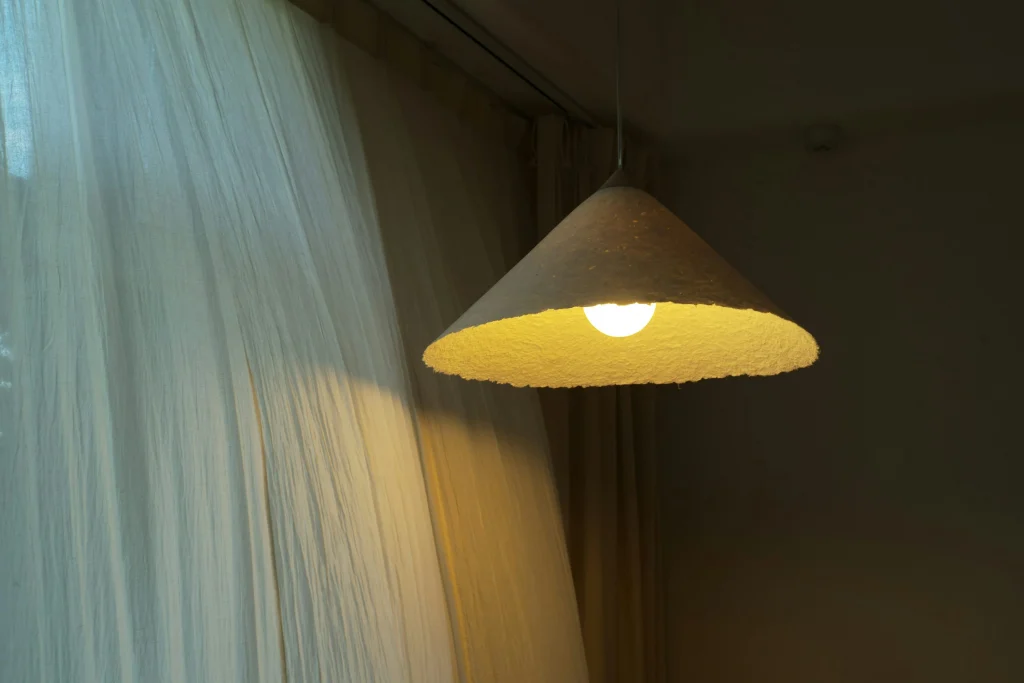
As the days grow shorter and evenings arrive earlier, we start to notice how much lighting influences our mood. On long grey afternoons or quiet winter nights, few things feel more comforting than walking into a home where the light feels warm, soft, and intentional.
When chosen thoughtfully, it brings warmth, calm, and a sense of ease. When ignored, it can just as easily create tension or fatigue. Its impact goes far beyond decoration — lighting quietly shapes how we feel, how relaxed we are, and even how energized or tired we become.
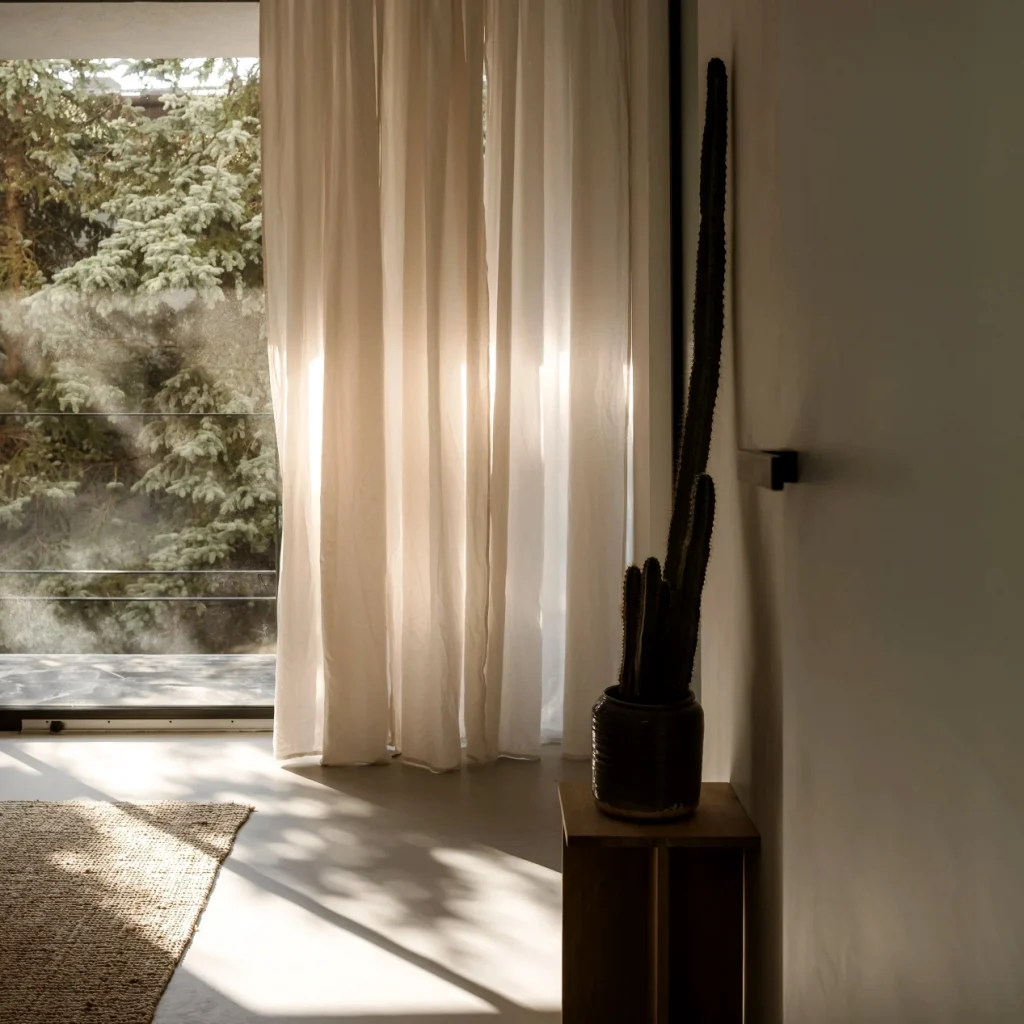
What makes light so powerful is that it works almost invisibly. It affects our internal rhythms, influences hormone balance, and guides our sleep–wake cycle. It also changes how we perceive space — a room can feel open and inviting or small and draining simply because of lighting. This is why natural daylight feels so uplifting, especially in winter when our bodies crave brightness the most.
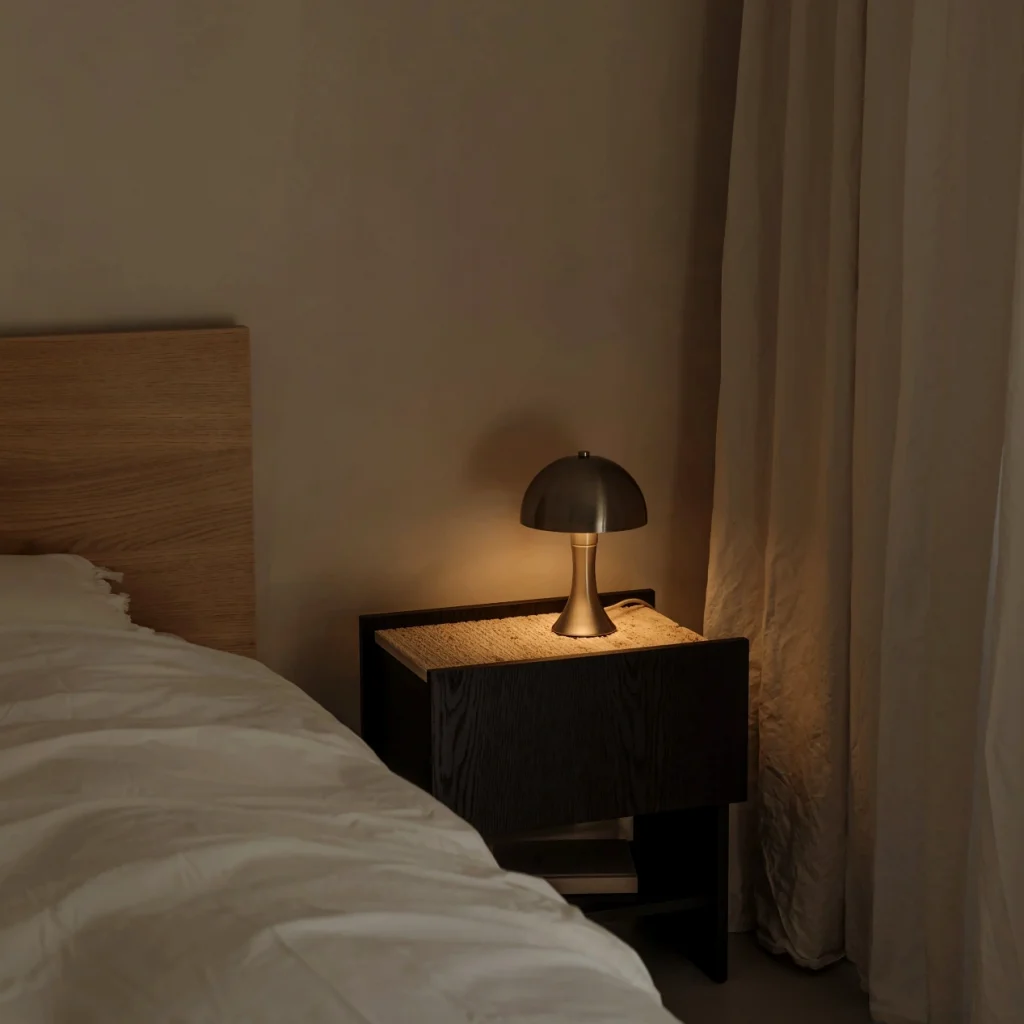
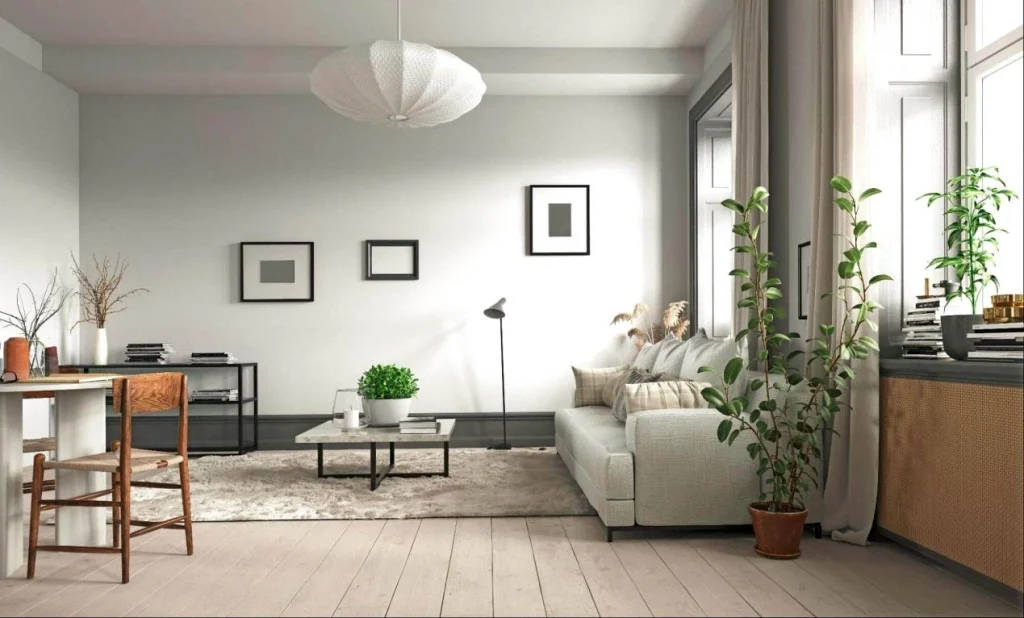
The good news is that creating a calming atmosphere with light doesn’t require complicated design. Simple adjustments can make a big difference. Many people find that using lamps instead of a single harsh ceiling light instantly softens a room. Placing several smaller light sources around the home — near a sofa, beside a bed, or in a reading corner — allows each area to serve its own purpose while keeping the overall mood gentle and welcoming. Dimmable lights are another easy upgrade, helping the space transition naturally from day to evening.
Light temperature matters just as much as placement. Measured in kelvins, light ranges from warm golden tones to cool, crisp whites. Warmer light in the evening encourages the body to relax and prepare for rest, while cooler light during the day can support alertness and clarity. Choosing the right temperature is less about rules and more about matching light to the feeling you want to create.
When used with intention, it supports our natural rhythms, softens the edges of busy days, and turns ordinary rooms into comforting spaces. Especially in winter, light becomes a subtle companion, reminding us to slow down, unwind, and create homes that feel warm not only to the eyes, but to the mind as well.