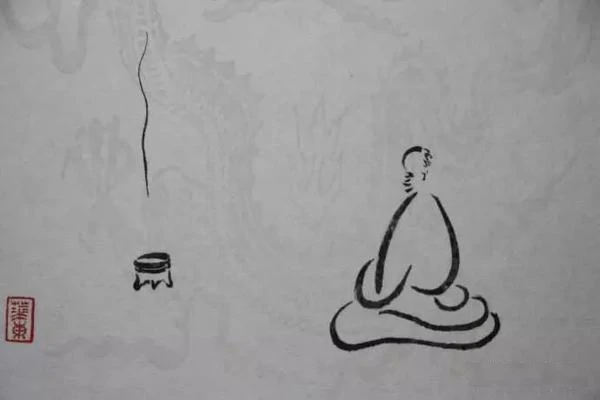
Even If I Don’t Believe in “Luck,” Why I Still Follow Feng Shui Principles
Feng Shui remains part of my modern home and mindset — not as superstition, but as practical wisdom shaped by experience.
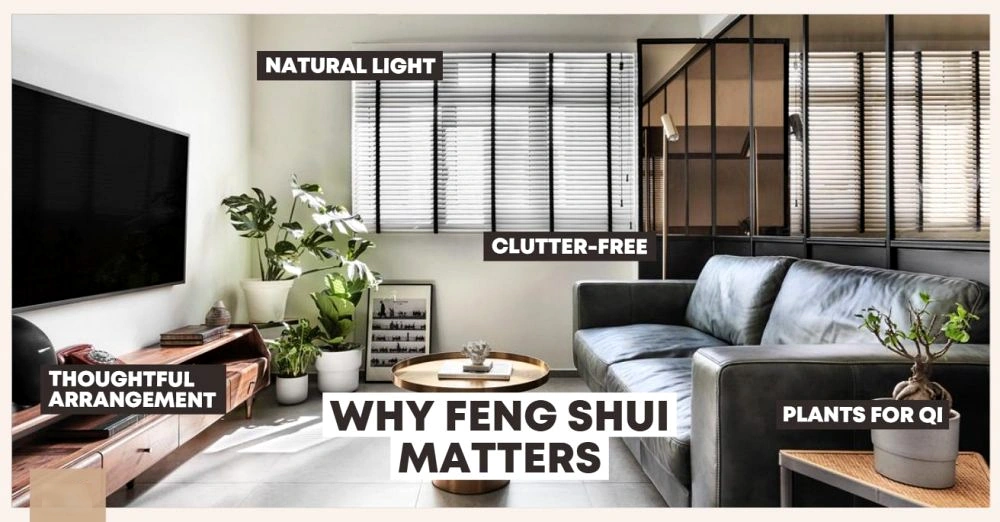
I don’t blindly follow every Feng Shui rule. But I grew up around it, and some of those ideas are hard to shake. Sometimes it’s not about luck at all — it’s about whether a space feels balanced or simply “right.”
My first memory of Feng Shui was when I was seven. My grandmother invited a Feng Shui master to our home. I don’t remember much — just that mirrors were moved, and a wooden plaque with the word “fortune” was hung outside the door.
By the time I had my own room, I wasn’t exactly a believer — but I understood Feng Shui intuitively. The rules elders treated as sacred often made practical sense.
Over time, I’ve kept some of those principles — and let others go.
The Feng Shui Rules I Still Follow (Because They Make Sense)
I may not check almanacs for lucky dates, but certain habits have quietly stayed with me.
- Never place a mirror facing the bed.
Maybe it’s about energy reflection. Or maybe it’s just unsettling to wake up at 3 a.m. and see your own silhouette in the dark.
- Don’t sit with your back to the door.
Feng Shui calls this “energy awareness.” I call it survival instinct. You never know when your cat — or a family member — will suddenly appear behind you.
- I never sleep directly facing the door.
Not because of Qi, but because surprise visits from relatives are real — and I’d rather not be seen in an awkward sleeping position.
- Decluttering matters.
Feng Shui says clutter blocks stagnant energy. I just don’t want my home to look like it survived a tornado.
I tell myself it’s not superstition — it’s common sense. Maybe it’s cultural conditioning. Or maybe, after generations of “better safe than sorry,” some habits simply stick.
Good Ventilation = Better Qi
Let’s talk about Qi — that mysterious “energy” everyone mentions.
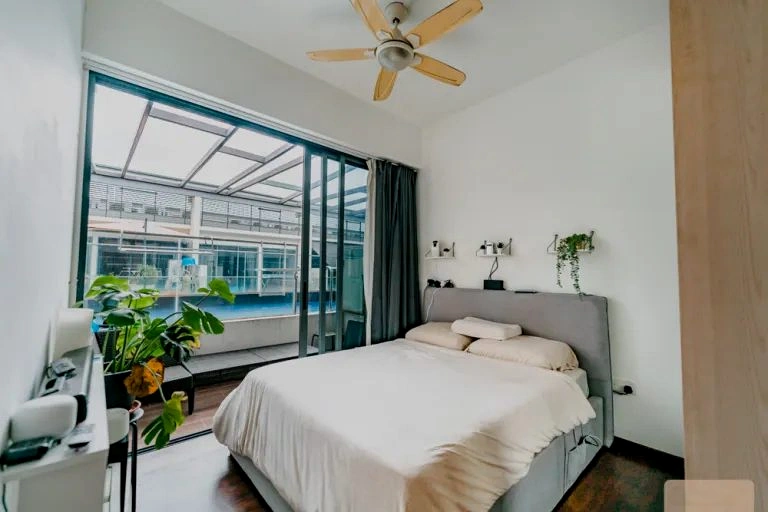
Every weekend, I open all the windows to “let the air in.”
I tell myself it’s just ventilation. But deep down, I may also believe it refreshes the space and clears out stagnant energy.
And here’s the thing: good airflow isn’t just Feng Shui — it’s science.
Proper ventilation:
- Reduces humidity and mold
- Prevents stale air buildup
- Improves breathing
- Boosts mental clarity
- A well-ventilated home feels lighter, calmer, and more alive — exactly what Feng Shui has emphasized for centuries.
The Feng Shui Advice I Don’t Follow
Not all Feng Shui rules feel equally grounded. Some are practical. Others feel theatrical. I’ve learned to take what resonates and leave the rest.
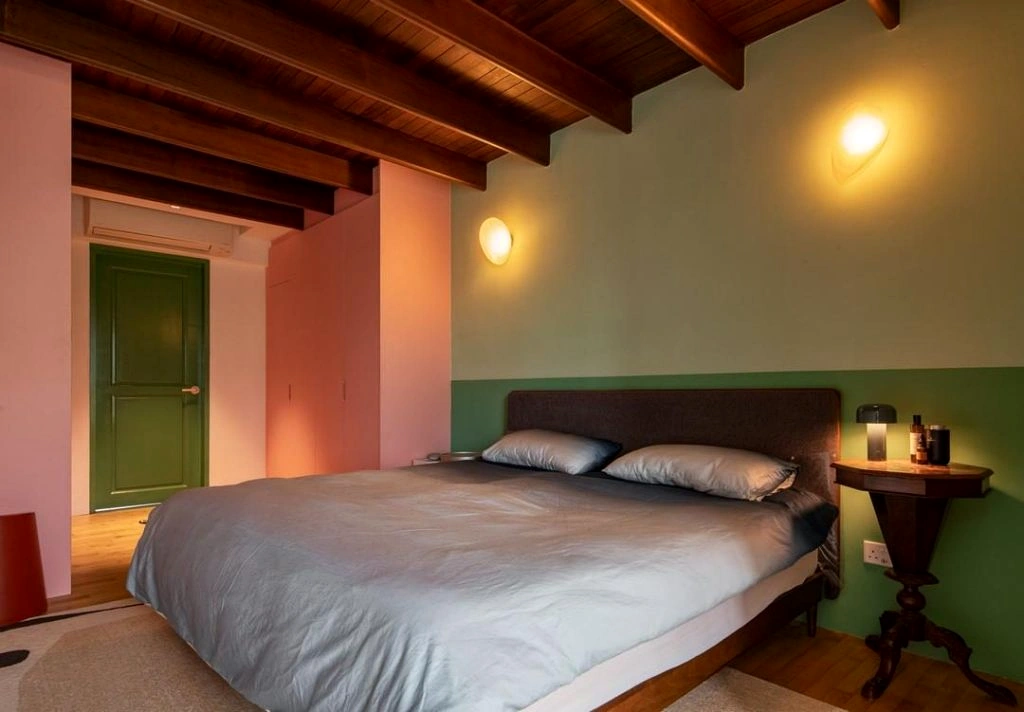
Compass Directions
One common belief is that your home’s orientation determines your fate. I’ve heard people say, “Your home influences 70% of your luck and wealth.”
Honestly, most of us don’t get to choose orientation freely. Apartments aren’t collectible cards you can trade for better stats.
If your home feels comfortable and functional, that matters far more than compass degrees.
The Stove and Sink “Clash”
Another classic rule: never place the stove next to the sink because fire and water “conflict.”
In small apartments, this is often unavoidable. Yes, water meets fire — but unless your kitchen is malfunctioning, it’s steam, not disaster.
Sometimes design constraints require practicality over symbolism.
“Poison Arrows”
Sharp corners or exposed beams are said to direct negative energy toward you.
Of course, I wouldn’t sit directly under a low beam — that’s uncomfortable. But not every sharp corner is plotting your misfortune. Sometimes it’s just poor architecture.
Numerology
Avoiding the number 4. Seeking the number 8. Numerology can make house hunting feel like a math exam.
I’d rather prioritize natural light and ventilation. Those are the factors that truly influence how a home feels.
Feng Shui, Without the Fear
Thoughtful Feng Shui can guide layout and design. But rigid, fear-based rule-following only adds unnecessary stress.
Balance is key.
Energy principles should make life easier — not more anxious.
Feng Shui as Practical Design
Feng Shui is often misunderstood as mystical. At its core, it’s about flow, order, and harmony — the same things modern designers discuss under terms like “wellness design” or “healthy homes.”
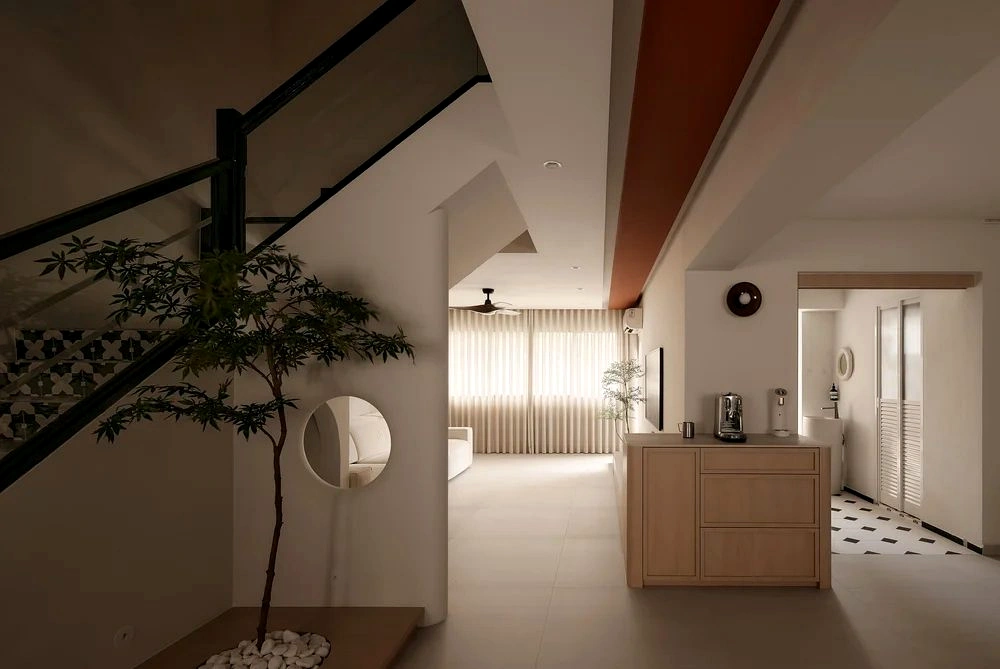
Feng Shui & Minimalism
Clear pathways reduce friction — both physical and emotional.
A well-planned layout allows people to move comfortably. Shared spaces function more smoothly. Life feels less chaotic.
Function Creates Calm
Good Feng Shui often aligns with functional design:
- Proper lighting improves mood
- Well-placed mirrors enhance light and airflow
- Thoughtful furniture placement supports focus or relaxation
Even skeptics practice Feng Shui without realizing it.
When you shift a sofa slightly and suddenly the room feels better — that’s Feng Shui in action. Not mystical. Just spatial awareness.
Why Feng Shui Works in Small Apartments
Feng Shui isn’t only for large houses. In fact, it may be even more useful in small homes.
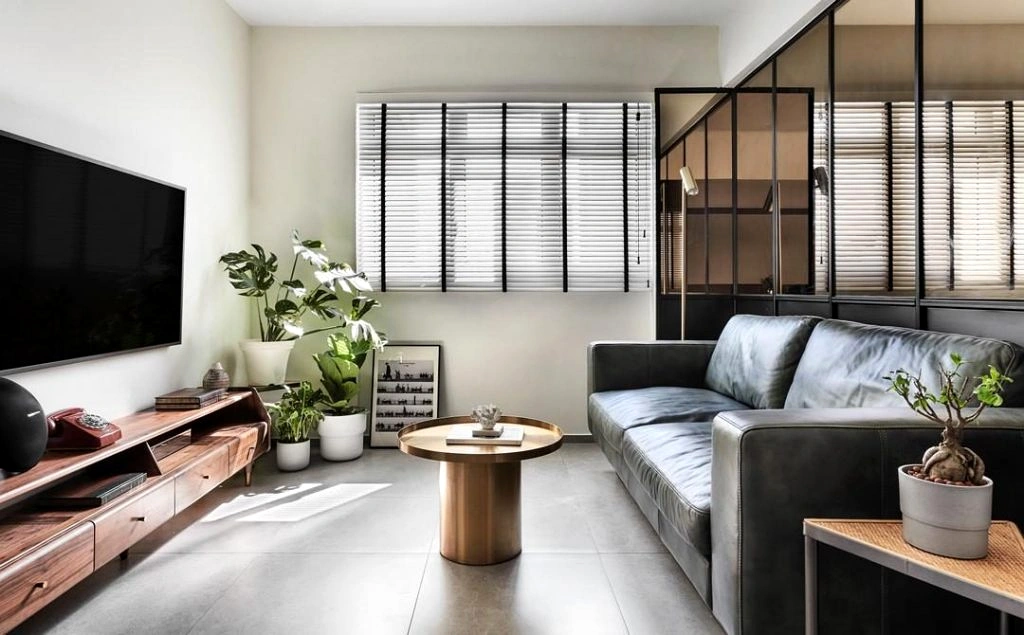
In compact spaces, flow and organization matter more.
- Clutter blocks movement
- Narrow walkways increase stress
- Poor lighting makes rooms feel cramped
Simple changes — clearing main pathways, using mirrors to reflect light, allowing airflow — are practical solutions that make small spaces feel breathable and balanced.
In small apartments, Feng Shui blends naturally with modern living.
Feng Shui Without Superstition
At its core, Feng Shui isn’t about luck. It’s about how your environment shapes your behavior and emotions.
Clear pathways make cleaning easier.
Less clutter reduces mental stress.
Natural light improves mood.
Mindful living isn’t just meditation — it’s also how you arrange your furniture.
When you thoughtfully design your layout, you’re practicing spatial awareness — noticing how movement, light, and placement influence your daily experience.
Over time, Feng Shui stopped feeling mystical to me. It became something cultural and intuitive.
When I imagine my future home, I don’t think about unlucky numbers. I think about airflow, comfort, and ease of movement.
Maybe that’s what modern Feng Shui truly is:
Practical design rooted in tradition.
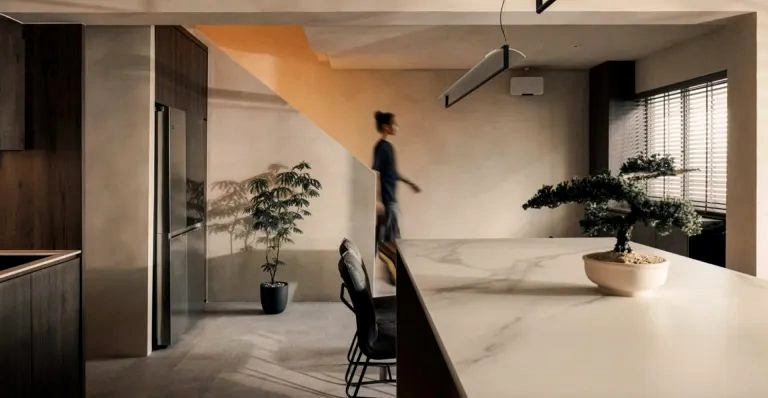
A Quiet Connection to Culture
At its heart, Feng Shui connects me to my cultural roots — a quiet thread linking me to my upbringing and ancestors.
Even if I don’t follow every rule, that connection brings comfort.
If I had to offer advice, it would be this:
Take what makes sense. Leave what doesn’t.
Use Feng Shui to guide harmony, clarity, and comfort — not fear.
Call it superstition, cultural habit, or subconscious comfort.
In its quiet ways, Feng Shui continues to shape how I live.