NEW JOURNAL NOTES ON SPACE, OBJECTS, AND EVERYDAY ATMOSPHERE
Visit Shop
Back to All Articles

Bedroom Energy Guide: Four Principles for Better Sleep

In this article
1. It’s Not Really About the Bed Facing the Door — It’s About Feeling Undisturbed 2. Storing Things Under the Bed Isn’t “Bad Luck” — But It Can Affect Sleep 3. A Mirror Near the Bed Can Be More Stimulating Than You Think 4. Sometimes the Problem Isn’t the Mattress — It’s Where the Bed Sits 5. A Small Tip: What You Keep on the Nightstand Matters Too

Introduction: Your Bedroom Is Where You Recharge — But Is It Really Helping You Rest?

We spend about a third of our lives in bed. So a bedroom is never just a place to sleep — it’s where we let go of the outside world, relax, and return to ourselves.

And yet, many bedrooms are arranged in ways that quietly work against rest instead of supporting it.

In Eastern traditions, the bedroom is seen as a place where energy settles, restores, and renews. In modern environmental psychology, it’s considered a deeply restorative space — an environment that helps the body and mind recover from the pressure of the day.

Different traditions, same truth: the way your bedroom is arranged affects the way you sleep — and the way you sleep affects the way you live.

So today, let’s leave mysticism aside and focus on what you can actually feel: ease, comfort, and the sense of being undisturbed. These four common bedroom details may affect your sleep more than you realize.

1. It’s Not Really About the Bed Facing the Door — It’s About Feeling Undisturbed

The traditional idea

“Don’t place the bed directly facing the door” is one of the most common bedroom rules in feng shui. Many people dismiss it as superstition without really understanding why it exists.

The real issue isn’t the door itself — it’s the feeling of being interrupted.

Imagine lying in bed with your head facing the doorway. Every time someone passes by, your peripheral vision picks up movement. Even when the door is closed, part of your mind still registers it as an opening that could change at any moment.

That isn’t superstition. It’s instinct.

Sleep is one of the body’s most vulnerable states. Even at rest, the brain keeps a certain level of awareness of the surrounding environment. When the bed is placed directly in line with the door, part of your mind may stay subtly alert, as if it still needs to monitor the entrance.

A psychological perspective

In environmental psychology, there is a concept often described as “prospect and refuge.” People tend to relax most deeply in spaces where they can sense their surroundings without feeling overly exposed.

When your bed directly faces the door, it can create the opposite effect: you can see the room’s main point of entry, but you don’t quite feel protected from it.
What usually works better

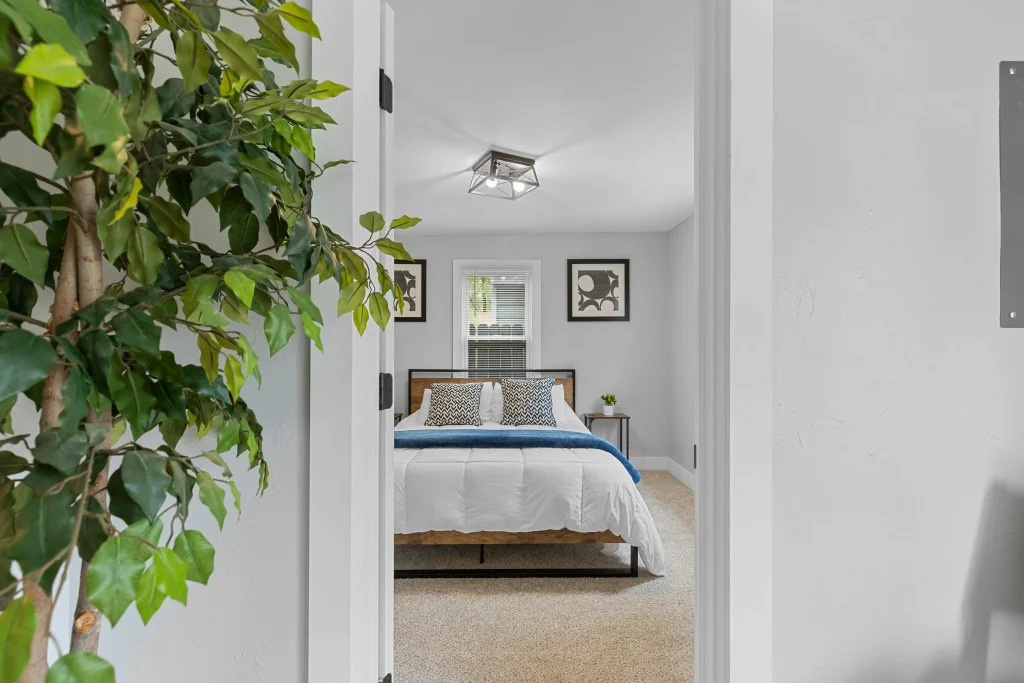
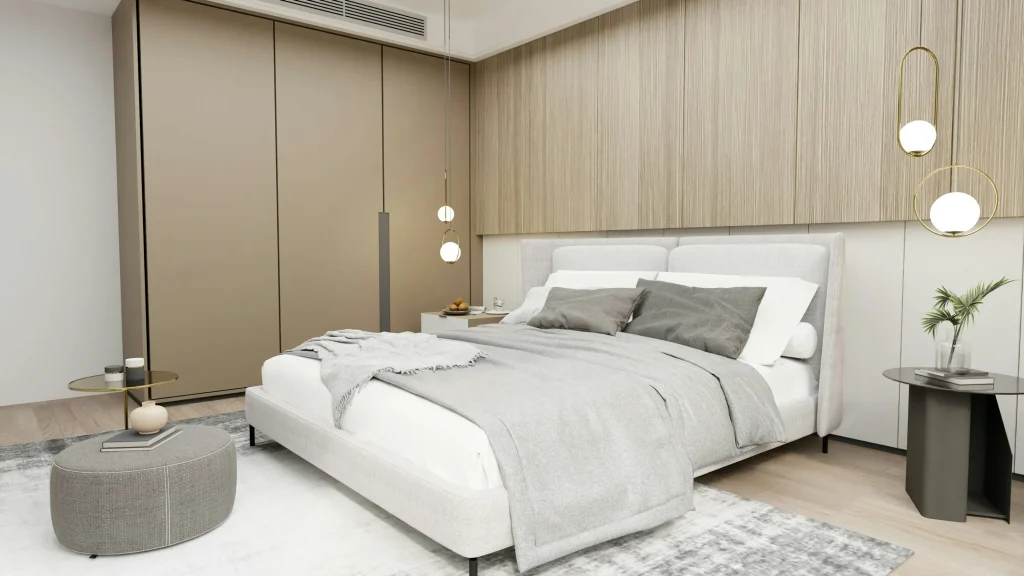
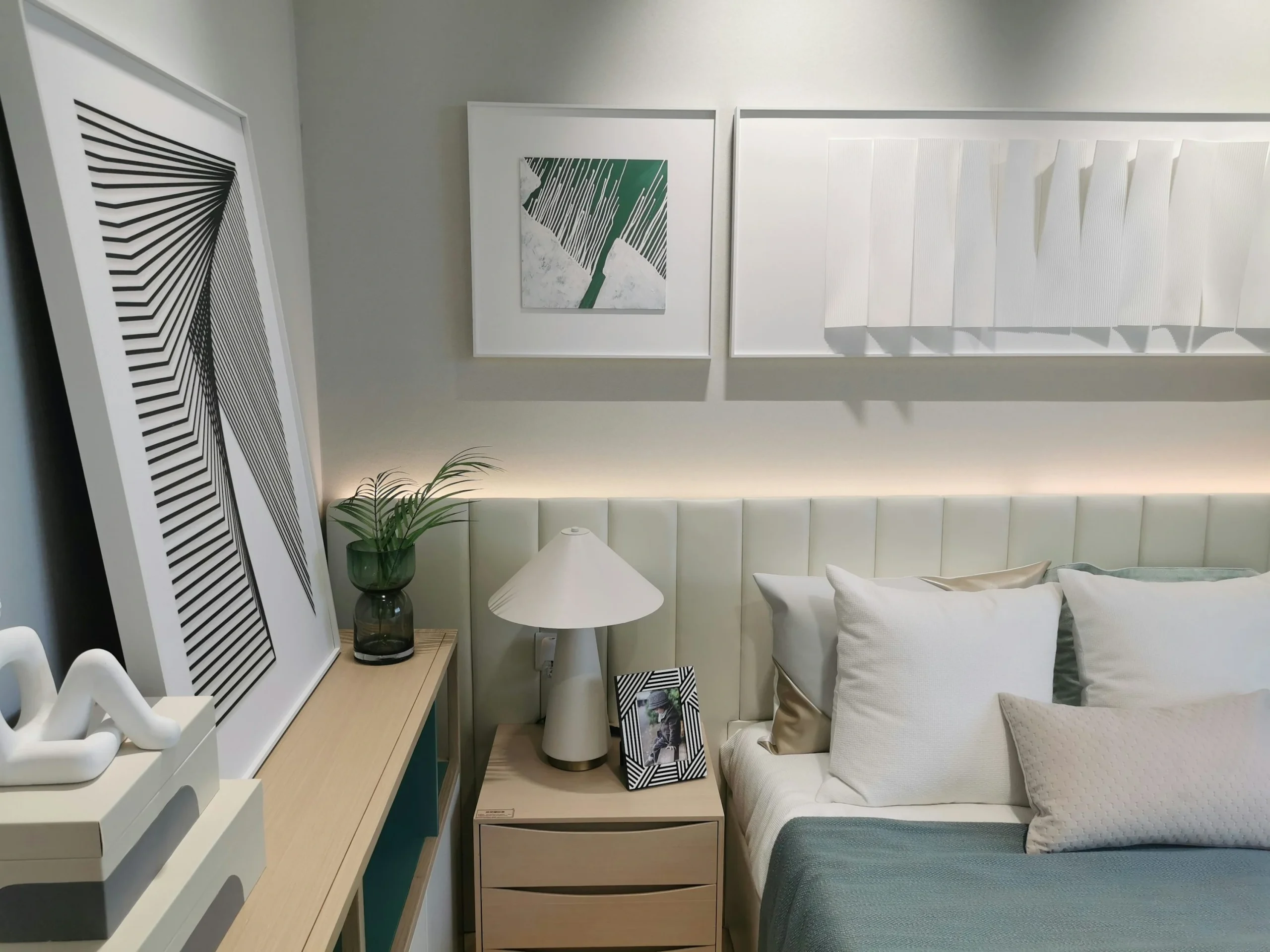
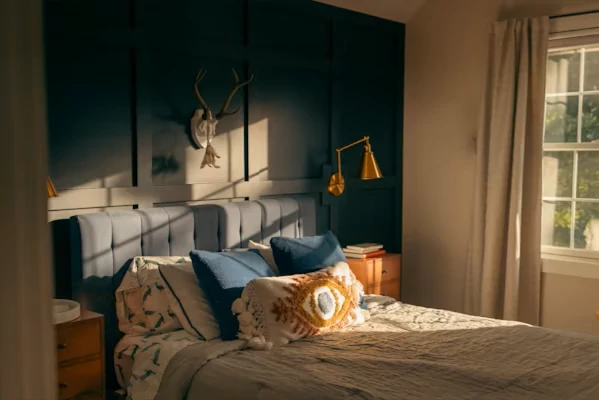
Ideally, the bed should have a solid wall behind it and sit out of the direct line of the door. From bed, you can still see the entrance, but it isn’t positioned straight in front of you like a target.

If the layout doesn’t offer many choices, even a small visual buffer can help — a screen, curtain, tall plant, or even the soft glow of a bedside lamp can create a greater sense of boundary.

If the room is large enough, another good option is to place the bed at a slight angle to the door rather than directly facing it. That way, you still feel aware of the entrance without feeling exposed to it.

2. Storing Things Under the Bed Isn’t “Bad Luck” — But It Can Affect Sleep

The traditional idea

In many traditions, people say that storing things under the bed affects luck or energy. But today, under-bed storage is also a practical solution for smaller homes, so the question becomes: is it really a problem?

The answer is simple: your bedroom still needs room to breathe.

The space under the bed matters more than it seems. It allows air to circulate.

At night, the body releases heat, moisture, and tiny particles through skin and fabric. If the area under the bed is packed full, airflow is reduced, which can create a warmer, damper micro-environment around the mattress.

That’s nothing mystical — it’s simply basic indoor comfort.

There’s also a psychological side to it.

Hidden things don’t always feel invisible to the mind.

When the bed is filled with boxes, old belongings, or things you keep meaning to deal with later, they may be out of sight, but they’re not fully out of awareness. On some level, your mind still registers them as unfinished business. And that subtle sense of clutter can make it harder to fully relax.

A more balanced approach

If you do need to use the space under the bed, closed storage boxes are usually better than loose items. Keeping things contained feels neater visually and also helps reduce dust.

It also helps to clear the area regularly so it doesn’t turn into permanent overflow storage.

And if you’re choosing a bed frame from scratch, one with a little more clearance underneath often feels lighter and fresher overall.

3. A Mirror Near the Bed Can Be More Stimulating Than You Think

The traditional idea

“Don’t let a mirror face the bed” is another well-known feng shui principle that is often brushed off as superstition.

But like many old rules, it has a surprisingly practical reason behind it.

The real issue is this: what do you see when you’re only half awake?

Imagine waking up in the middle of the night, not fully conscious, and catching sight of a vague human shape reflected in the room. Even if you realize a second later that it’s only your own reflection, that first moment can still jolt your nervous system.

That has nothing to do with spirits — it’s simply how the brain responds.

From a sleep science perspective

At night, we naturally move through lighter sleep stages and brief waking moments. During those transitions, the visual system can wake up faster than rational thinking does.

So if you suddenly notice movement or a blurry figure in a mirror, the brain may react first as if something needs attention, before calmly identifying it as your own reflection. Even tiny moments like that can interrupt the continuity of sleep.

What helps

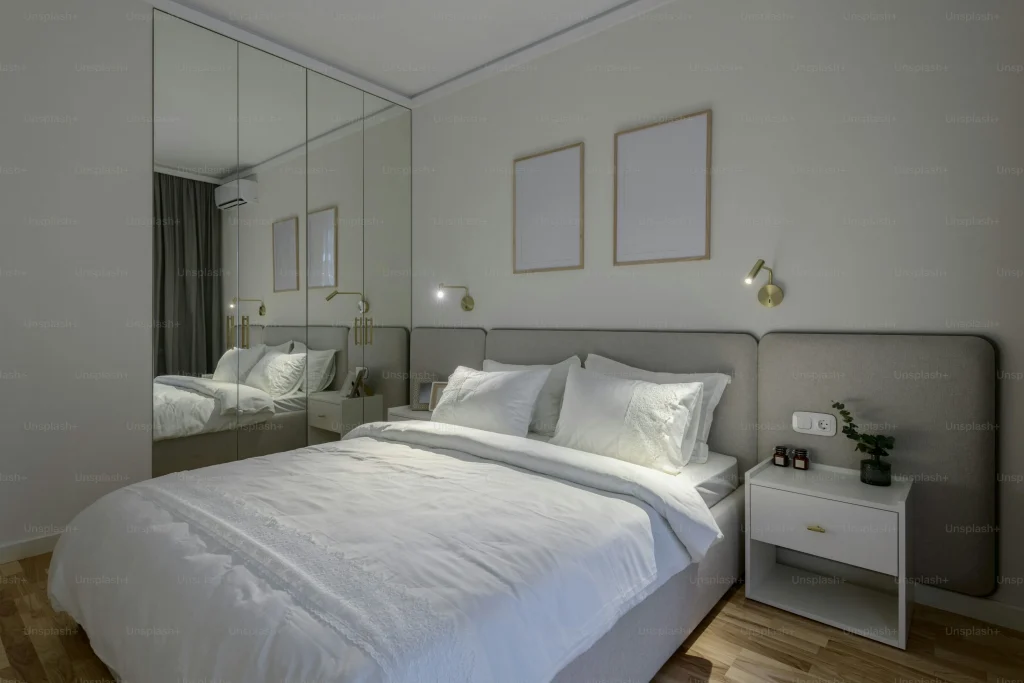
The easiest solution is to adjust the mirror so it doesn’t directly reflect the bed.

If moving it isn’t possible, covering it at night or using a wardrobe mirror that can be closed is also a good option.

Another approach is to keep mirrors inside a closet, behind a door, or in a dressing area rather than in the sleep zone itself.

For bedrooms with a walk-in closet or en-suite bathroom

If your bedroom connects to a dressing room or bathroom, it often helps to keep the sleep area visually separate. Mirrors can work perfectly well in a dressing space, while the bedroom itself usually feels better when it stays quieter and simpler.

4. Sometimes the Problem Isn’t the Mattress — It’s Where the Bed Sits

A familiar experience

Some people invest in an expensive mattress and still don’t sleep any better. And sometimes, an ordinary guest room or a quiet little hotel feels unexpectedly restful.

Why?

Because bed placement often matters more than people expect.

A lot of attention goes to the mattress itself, but the position of the bed within the room can influence sleep just as much — and sometimes even more.

The following three placement issues often have a real impact:

The headboard is under or right next to a window

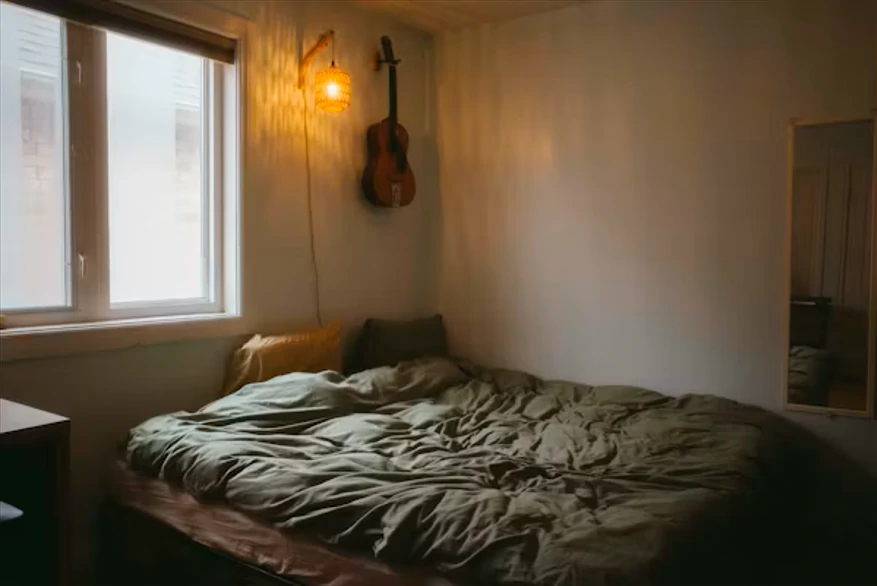
The window is the most active part of the room. Light changes there first. Temperature shifts happen there. Outdoor sounds enter from there.

When your head is placed right by the window, you may be more exposed to those subtle changes throughout the night.

This can show up as lighter sleep, more waking, or feeling alert too early in the morning.

A solid wall behind the bed usually feels more grounding. If the bed has to sit under a window, blackout curtains and good insulation can help a lot.

The bed sits directly under an AC vent or airflow source

When air blows directly over the bed, it can keep stimulating the body while you sleep — especially the face, neck, or shoulders.

That may leave you waking up with dry skin, muscle tension, congestion, or just a vague sense of tiredness.

If possible, redirect the airflow or create a softer buffer between the vent and the bed.

There’s no breathing room around the bed

When one side of the bed is pressed tightly against the wall — especially for a shared bed — the person sleeping on the inside may unconsciously feel restricted.

It’s a small detail, but freedom of movement matters. Even a little space on both sides can make the bed feel more accessible, balanced, and comfortable.

When the room is small, even leaving a modest walkway can improve the overall feeling of the space.

5. A Small Tip: What You Keep on the Nightstand Matters Too

This is one of the easiest things to overlook, but it shapes the mood of the bedroom more than people think.

A nightstand doesn’t need to hold much. In fact, less is usually better.

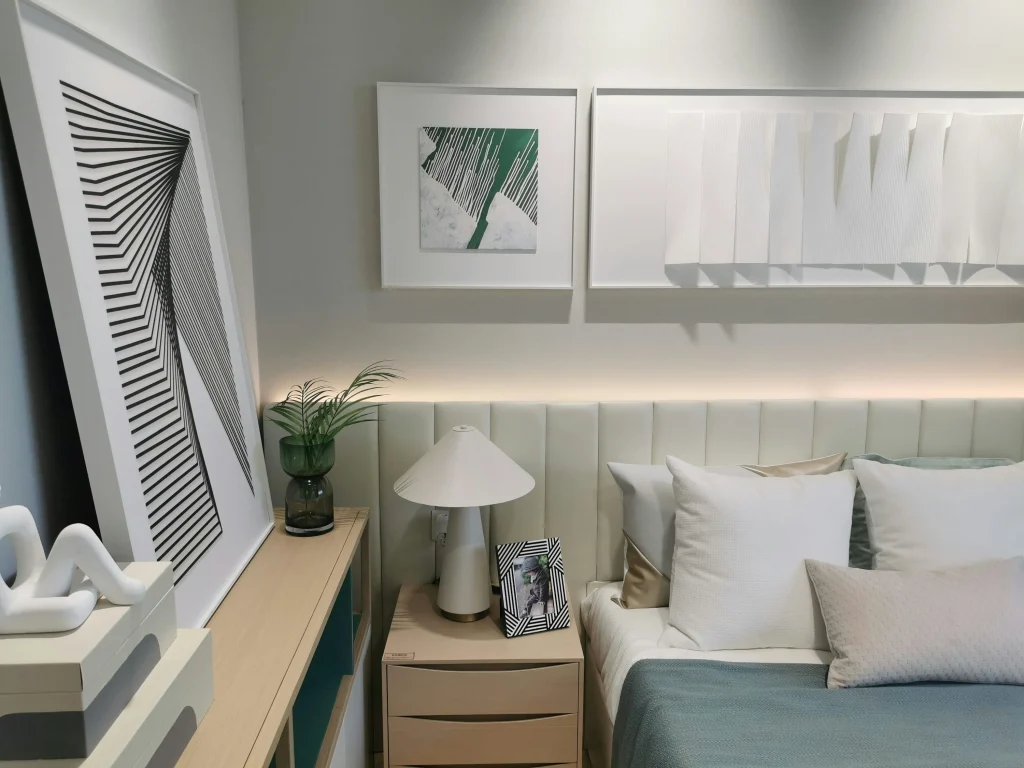
A warm lamp, a paper book, or a glass of water can all support a calmer bedtime routine without asking much from your attention.

What tends to work less well? Too many random objects, piles of clutter, or devices that keep your mind tied to work, messages, or endless scrolling.

A bedroom usually feels better when it creates a gentle boundary between the outside world and rest. A simple nightstand helps reinforce that feeling.

And while decorative water features may seem soothing in some spaces, movement and sound are often a little too active for a room meant for deep sleep.

Conclusion: The Bedroom Reflects How Safe You Feel Letting Go

In the end, bedroom design comes back to one question:

Where, and under what conditions, do you truly allow yourself to rest?

Those old bedroom “rules” — the bed facing the door, storage under the bed, mirrors reflecting the bed — all point toward the same basic idea:

Good sleep needs a space that feels safe, quiet, and undisturbed.

That isn’t superstition. It’s a deeply human need.

So tonight, walk into your bedroom and look at it with fresh eyes.

When you lie in bed, can you see the door without feeling uneasy?
What’s under the bed?
What does the mirror reflect?
Does the placement of the bed make you feel settled — or slightly on edge?

Then make one small change. Move an object. Clear a surface. Adjust an angle. Remove one thing that doesn’t need to be there.

You may find that better sleep doesn’t always come from spending more.

Sometimes, it simply comes from making the room feel a little more supportive.

Wishing you a restful night.

Same category navigation

More to read next

From reading to action

Keep thoughtful guides close as you shape a calmer home.

Save ideas for later, explore room-based guidance, or share what you would like us to write about next.

Explore Room Guides Use room-based guides when you want a calmer way to choose placement, materials, and daily-use pieces.
Share A Future Topic Tell us what spaces, objects, or topics you'd like us to explore next. We’re always open to new ideas and inspiration.
Journal Dispatch

A quiet letter for spatial living.

Receive calm notes on placement, materials, and living with more spatial clarity.