Traditional Chinese Herbal Bracelets: The Scent on Your Wrist Isn’t Medicine
Recently, a rather unusual kind of bracelet has been quietly gaining attention.
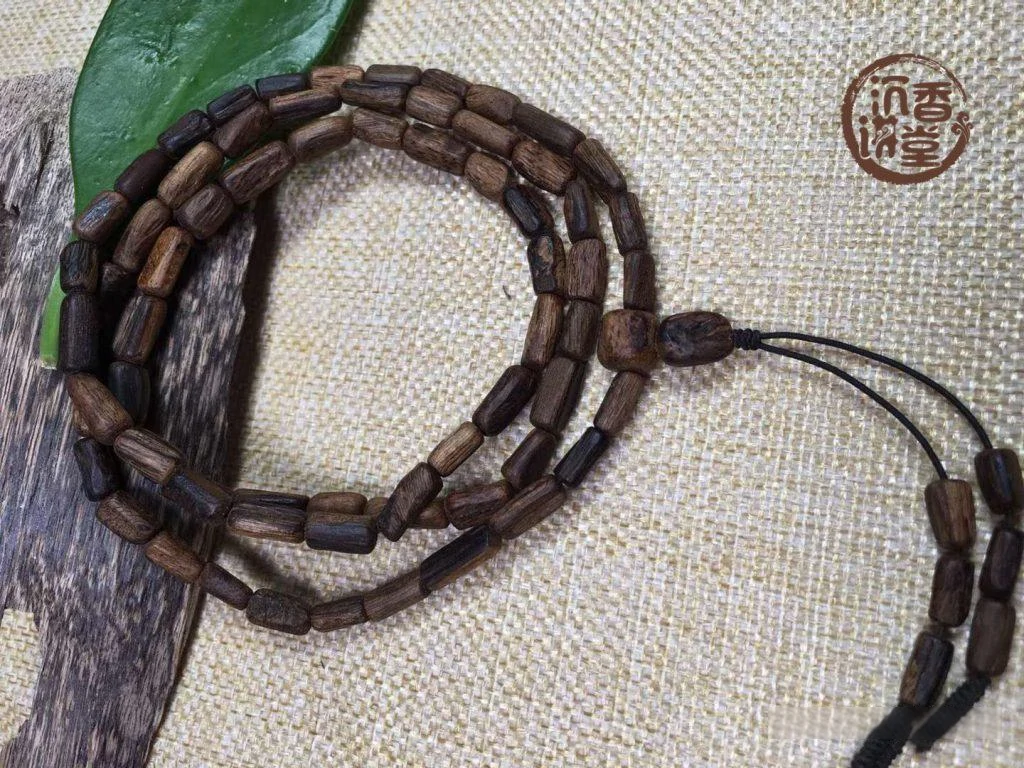
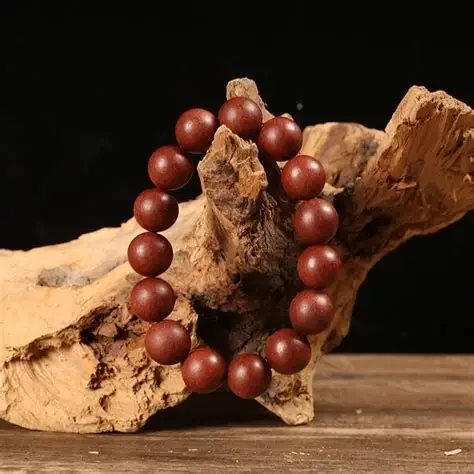
It’s not made of wood. It’s not crystal. It’s made from traditional Chinese herbs.
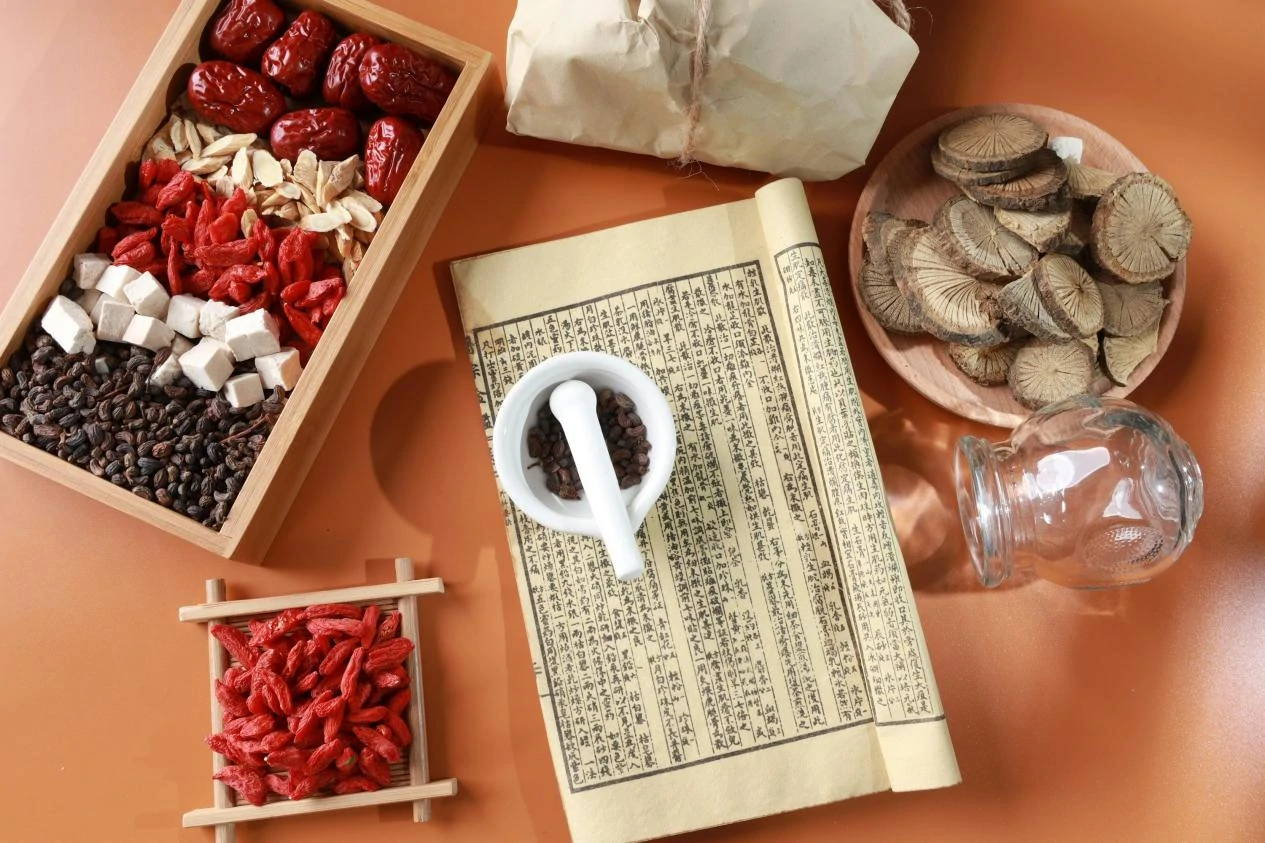
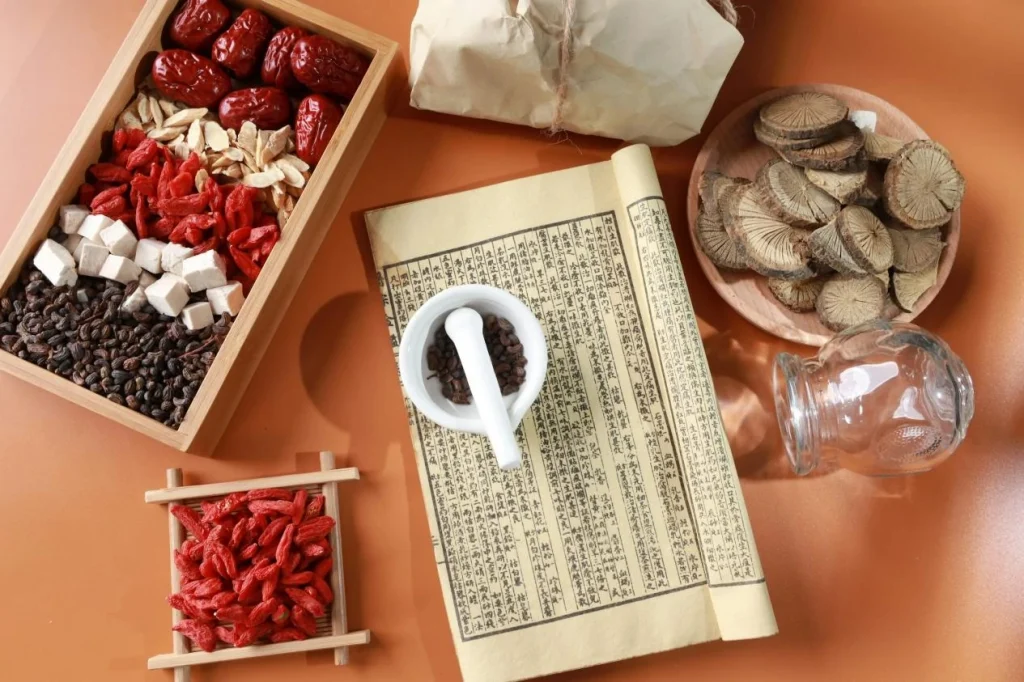
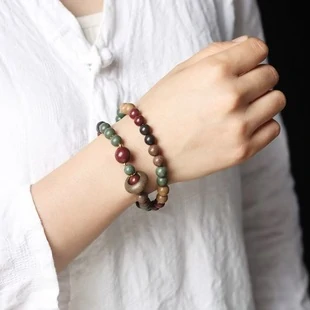
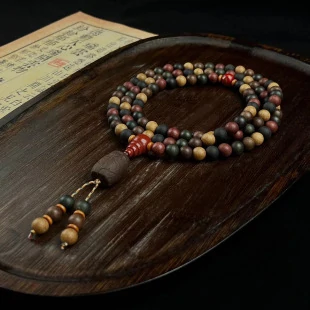
Patchouli, sandalwood, angelica, dahurian angelica — ingredients you would normally expect to find in a herbal cabinet are ground into fine powder, mixed into a paste, shaped into smooth round beads, and worn on the wrist.
More and more people on social media are sharing their own herbal bracelets. Some say they help them relax. Some say they make sleep feel a little easier. Others simply think they look beautiful and smell good.
So the question is: are they actually worth it?
They’re not medicine — but they do have their own logic
Let’s start with the simple answer: herbal bracelets are not miracle cures, but they’re not meaningless gimmicks either.
The idea behind them is actually not mysterious at all. It’s closely related to what traditional Chinese medicine often describes as aromatic herbal practice.
Many herbs naturally carry volatile fragrance compounds. Patchouli has a fresh, cooling scent. Sandalwood feels calm and grounded. Mint feels clear and awakening. When those scents are released and picked up by the sense of smell, they can have subtle effects on how a person feels.
If something smells comforting, the body often softens a little.
If the scent feels quiet and soothing, sleep may feel slightly easier.
And yes, some herbal aromas really are less appealing to mosquitoes.
None of that is magical. It’s simply what plants can do.
That said, if you see sellers claiming these bracelets can “improve circulation,” “deeply nourish the body,” or “strengthen health” in a medical sense, that’s the moment to scroll away. A bracelet can’t do that.
Rooted in an older fragrance tradition
Strictly speaking, these are closer to what would traditionally be called blended incense bead bracelets.
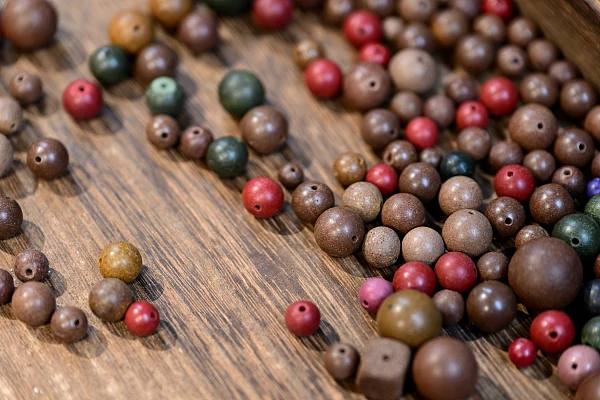
They’re not a modern invention. As early as the Song Dynasty, there was already a tradition of he xiang — blending different fragrant materials in specific proportions, shaping them into beads or scented ornaments, and wearing them on the body. People didn’t use them only for decoration, but also for the subtle scent they carried throughout the day.
Making one of these beads is not a rushed process.
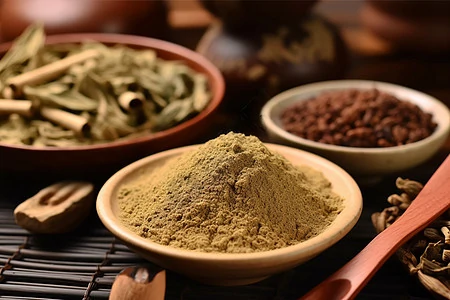
The herbs are selected, ground, sifted, blended, kneaded, pounded, rested, rolled into shape, and then slowly air-dried. Each step takes patience.
The powder often has to be ground fine enough to pass through an extremely delicate sieve. The paste has to be worked until it holds together without sticking or crumbling. The material may be pounded thousands of times to remove air and help the particles bind tightly together. Then the beads are left to dry naturally — sometimes for days, sometimes much longer — while the scent gradually settles.
That kind of craftsmanship carries its own quiet beauty.
Why younger people are drawn to them
The sudden popularity of herbal bracelets isn’t only about wellness.
They have a very particular kind of charm. They’re understated, but memorable. The colors come from the herbs themselves — soft browns, pale yellows, muted off-whites — never too loud or flashy. The fragrance isn’t aggressive either. It stays close to the skin, subtle enough that you usually have to lean in to notice it.
Some people are drawn to the scent.
Some like the tactile, handmade texture.
Some are moved by the slowness behind them.
In a time when everything is expected to be fast, efficient, and immediate, there’s something surprisingly touching about a bead that may have taken days or even weeks to dry properly.
And then there are the herb names themselves — patchouli, angelica, sweetgrass, sandalwood. They carry a kind of poetry. Wearing them can feel a little like carrying a small piece of an older, quieter world with you.
A few things to keep in mind
Of course, herbal bracelets are not for everyone.
Some herbs have properties that may not be suitable for pregnant people or those with sensitive skin or allergies. And if a seller uses ingredients such as cinnabar or realgar, extra caution is needed — those are not materials I’d recommend for long-term skin contact.
Also, if you’re dealing with real insomnia, anxiety, or physical discomfort, a bracelet should not be treated as the answer.
At most, it can be a gentle companion — not a treatment.
If you need medical care, see a doctor. If you need medication, take medication. Let the bracelet stay what it is: a bracelet.
As a small object, it’s already enough
In the end, a traditional Chinese herbal bracelet doesn’t need to be more than it is.
It’s not a secret formula.
It’s not a cure-all.
It’s not some mystical object that will change your life overnight.
It’s simply a small handmade piece.
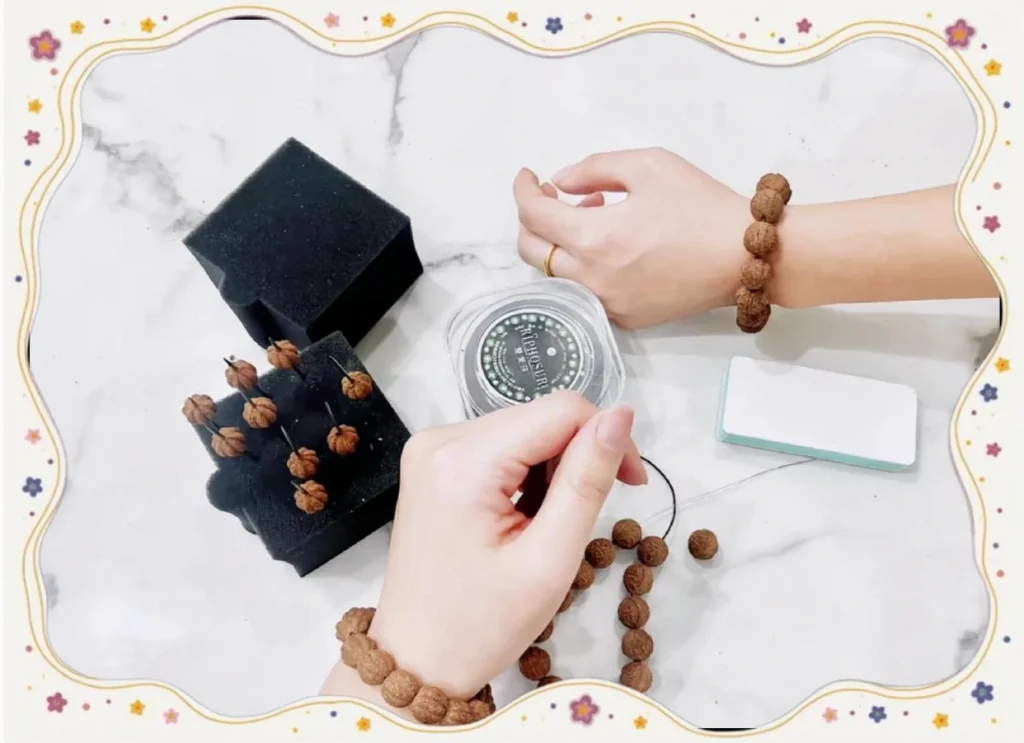
Using an older incense-making tradition, it turns the fragrance of plants into little beads you can wear on your wrist. When you lower your head, you catch a trace of herbal scent — not strong, not sharp, just enough to make you pause for a moment.
And maybe that’s already enough.
If you like how it looks, how it smells, or the quiet patience behind it, then wear it.
Let it be a small companion. A tiny ritual you can carry with you.
Beyond that, there’s no need to ask too much of it.