No Matter How Big Your Home Is, Don’t Place Plants Randomly
A Simple Guide to Choosing the Right Plant for the Right Space
A lot of people love keeping plants at home. It makes perfect sense: houseplants can soften a room, add life to an empty corner, and make a home feel more relaxed and welcoming. Many people also associate indoor plants with cleaner air and better wellbeing. But when it comes to where plants should go—and how many you should have—more is not always better. Research suggests that noticeable indoor-air improvements often require large numbers of plants under specific conditions, which is not how most homes are actually set up. That means placement matters just as much as the plant itself.
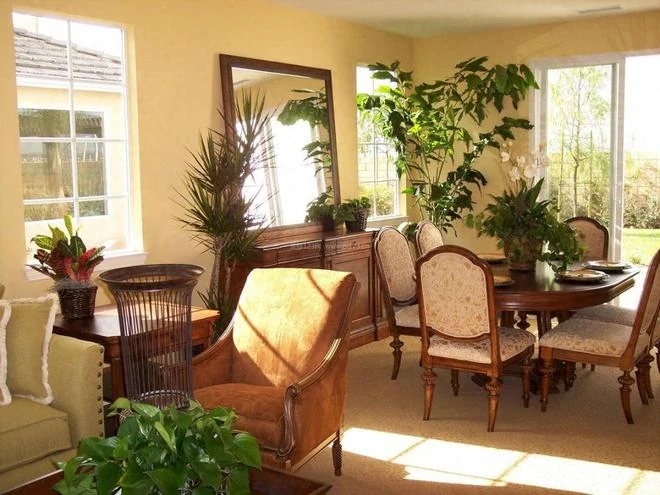
So no, this is not really about superstition. It is about a mix of plant care, comfort, safety, and common sense. A well-placed plant can make a room feel calmer and more alive. A badly placed one can create extra mess, maintenance, or even safety issues—especially if you have pets or young children.
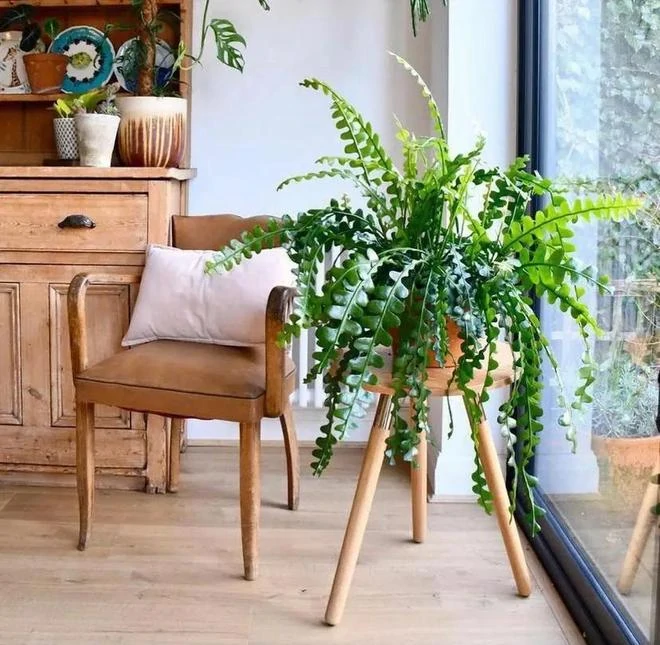
Why you should not place plants just anywhere
1. More plants do not automatically mean better air
It is true that plants use photosynthesis to take in carbon dioxide and release oxygen. But that does not mean filling a room with plants will suddenly turn your home into a mini rainforest. The Royal Horticultural Society notes that meaningful air-quality improvements may require large numbers of plants under conditions that are often unrealistic for ordinary homes. In other words, one or two healthy plants can absolutely improve the feeling of a room, but simply buying more and more plants is not a magic shortcut.
2. Bedrooms do not need to become indoor jungles
A common claim is that you should never keep plants in a bedroom because they “steal oxygen” at night. That is an overstatement. The RHS says night-time carbon dioxide release from houseplants is unlikely to be a problem, because emission levels are very low. So the real issue is usually not oxygen depletion. The real issue is overcrowding, poor ventilation, and turning a rest space into a high-maintenance plant zone. A few well-chosen plants are generally fine; a packed bedroom full of oversized pots is another story.
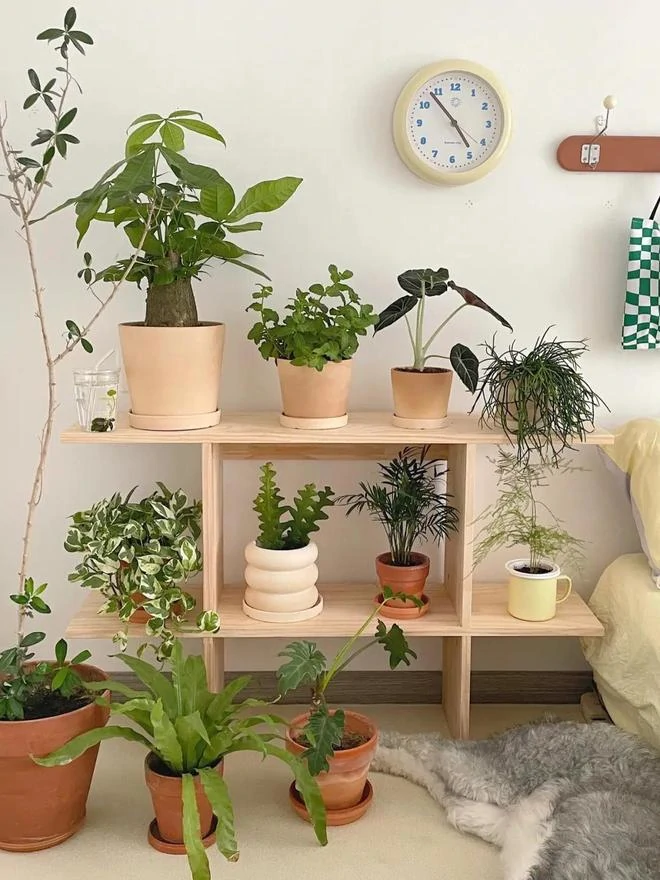
3. Dusty, high-traffic spots are not ideal for many plants
Some people place plants right by doors, busy windows, or dusty corners and assume they will thrive anywhere. But plants still need light and healthy leaves to do their job. Dust buildup on leaves can block sunlight and reduce a plant’s ability to photosynthesize, which is one reason indoor plants can start looking tired when they are neglected. So if you do place plants near windows or entryways, they may need more cleaning and a little more attention than you think.
4. Some popular houseplants are not a great match for every home
This is the part people often overlook. Some common houseplants are irritating or toxic if chewed. Golden pothos contains insoluble calcium oxalates and is toxic to cats and dogs, and similar caution applies to plants like heartleaf philodendron. Clivia is also listed as toxic to pets, and North Carolina State Extension notes low-level toxicity in humans as well if ingested. So if you live with curious pets or small children, plant choice matters just as much as plant placement.
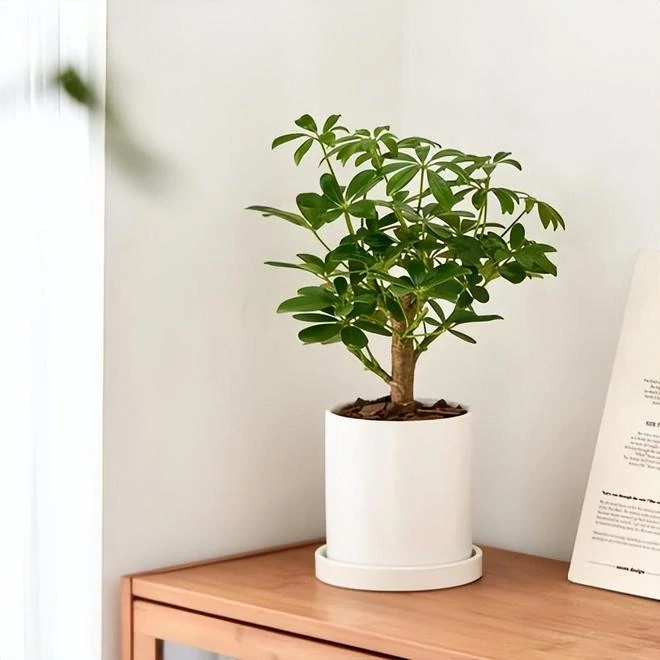
Good plant choices for home—if you place them wisely
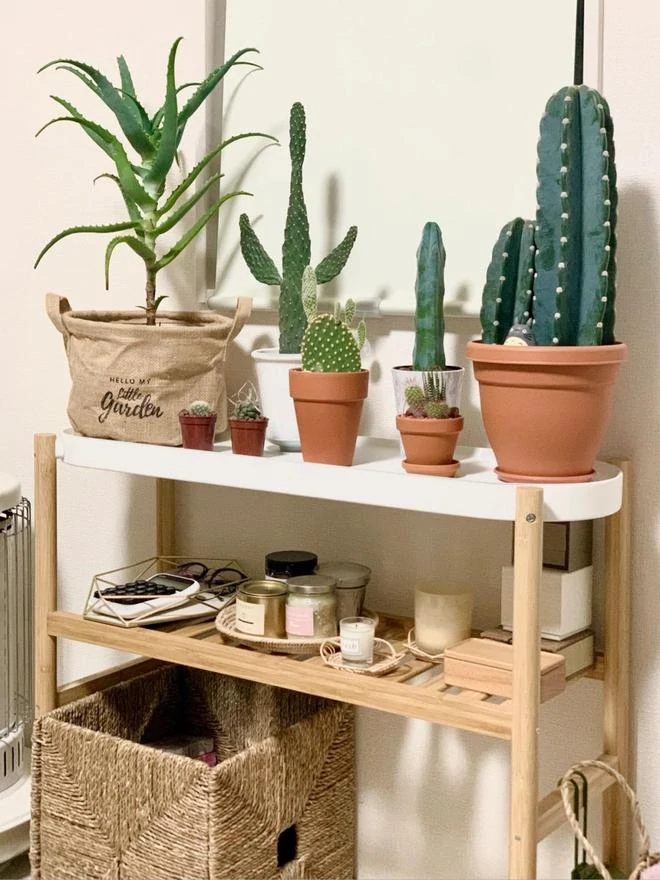
Cacti and succulents
If you want something low-maintenance, houseplant cacti and succulents are a strong choice. The RHS describes them as easy to grow, low maintenance, and drought resistant. They work especially well in bright rooms where you do not want to water constantly. That said, not every succulent is pet-safe, so in homes with cats or dogs, safer options such as Haworthia or Christmas cactus are often a better choice than randomly buying whatever looks cute at the garden center. Also, classic spiky cacti may not be ideal in tight spaces or homes with children.
Spider plant
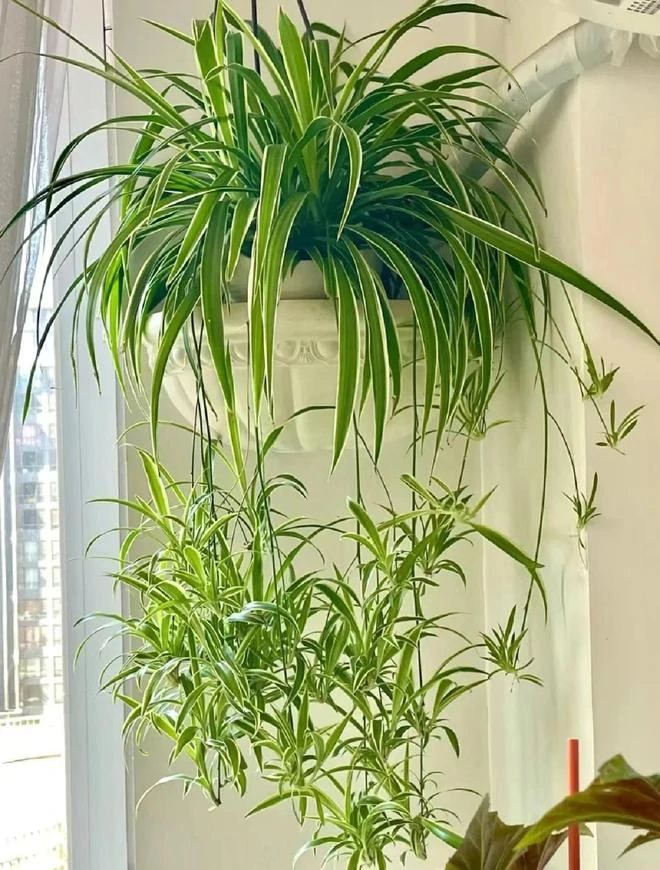
The spider plant is one of the easiest houseplants to live with. The RHS says it prefers bright, indirect light but can also tolerate lower light levels, which makes it beginner-friendly. It is also widely loved because it is forgiving and grows well in ordinary homes. For pet households, the ASPCA plant entry lists spider plant as non-toxic to cats and dogs.
Clivia
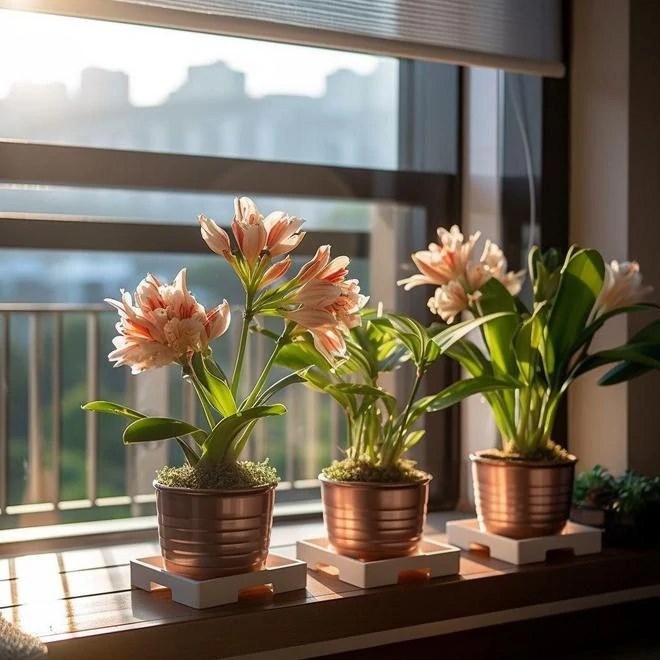
Clivia is a beautiful flowering houseplant, and the RHS describes it as robust and easy to grow in bright, indirect light. So yes, it can be a lovely indoor plant. But this is where a little caution matters: ASPCA lists clivia lily as toxic to cats and dogs, and NC State notes that ingestion can also be a low-level poisoning risk for humans. So I would not call it the best all-purpose recommendation for every household. If you love it, keep it out of reach and skip it entirely if you have pets that like to chew leaves.
So what is the smarter way to place plants?
Instead of asking, “How many plants can I fit in here?”, a better question is: What does this room actually need?
A sunny windowsill may suit a cactus or succulent. A bright corner with indirect light may be perfect for a spider plant. A bedroom may do better with one or two easy-care plants rather than a full shelf of high-maintenance greenery. And if your home includes pets or small children, safety should always come before aesthetics. The best plant setup is not the fullest one—it is the one that fits the room, the light, and the people living there.
Final thought
So no matter how large your home is, it is still not a great idea to place plants randomly.
Houseplants can absolutely make a home feel better. They can bring softness, color, and a sense of life into a space. But they work best when you choose them with intention: the right plant, in the right place, in the right amount.
A few well-placed plants can make a room feel calm and healthy.
Too many badly placed plants can make it feel crowded, dusty, and harder to manage.
That is not bad luck.
That is just bad placement.