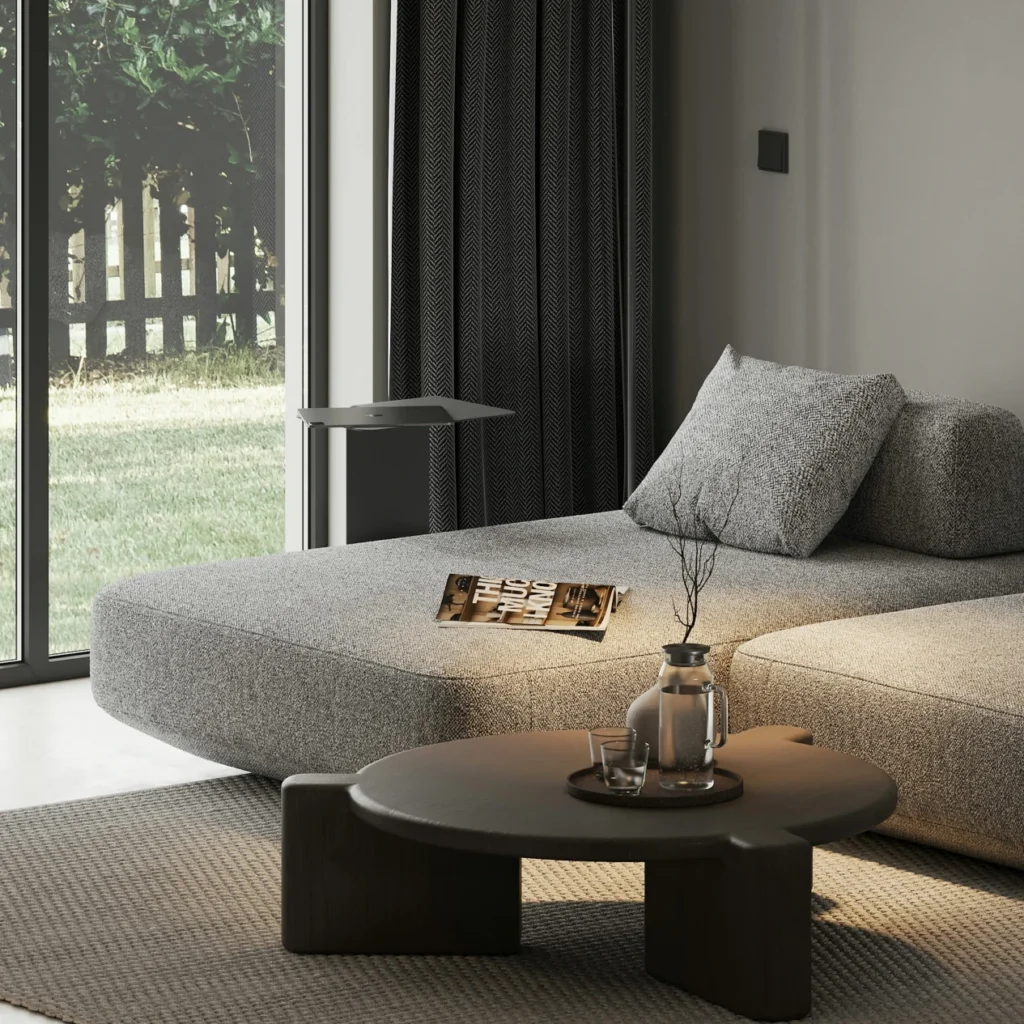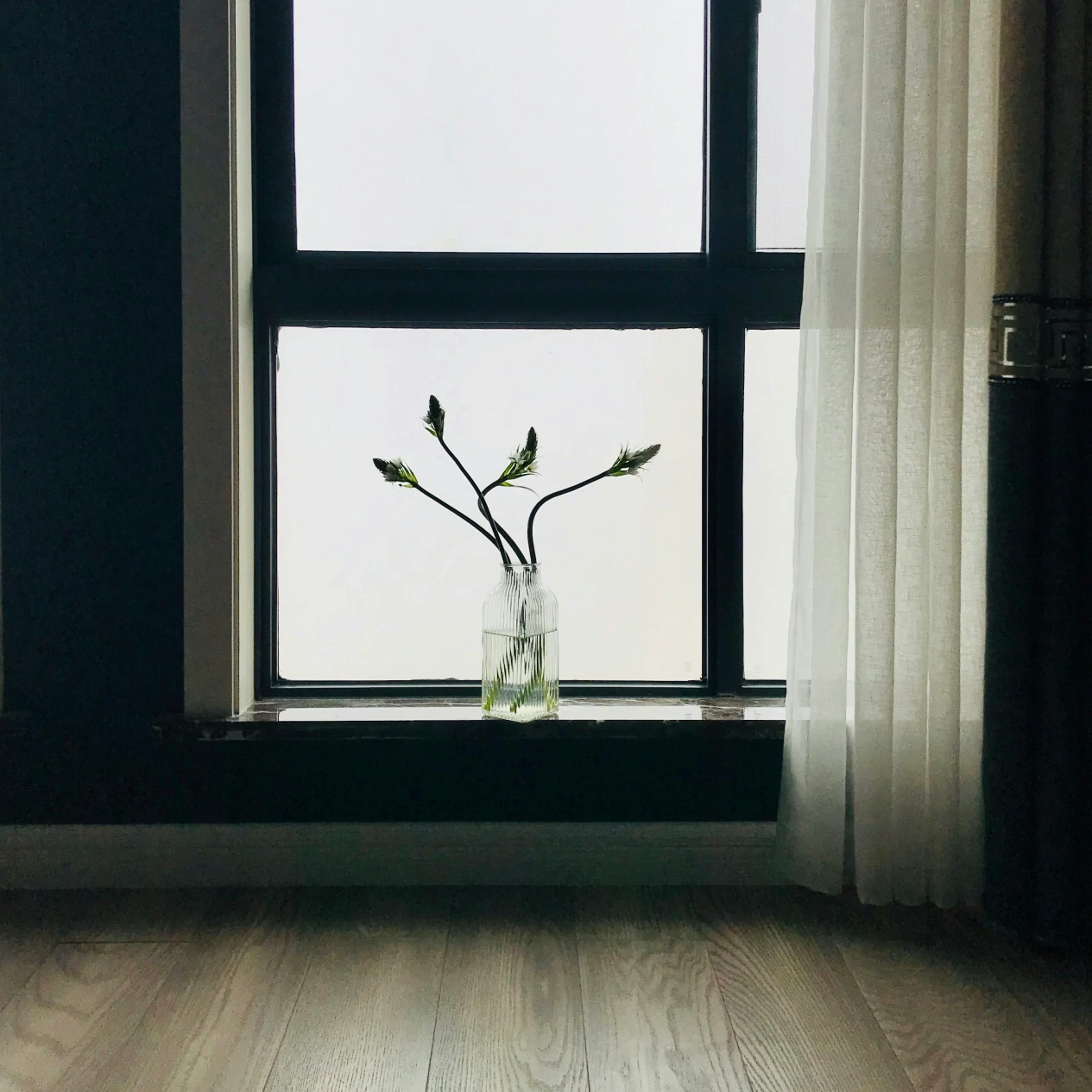
NEW JOURNAL NOTES ON SPACE, OBJECTS, AND EVERYDAY ATMOSPHERE
Visit Shop
Back to All Articles

Five Small Things to Do in Your First Week After Moving

In this article
A low-cost way to help your new home feel calmer, lighter, and more like yours 1. Clear the entry first, so the home has an easy beginning 2. Let air and light move first — don’t rush to fill every corner 3. Take care of the corner you use most, instead of trying to finish the whole home at once 4. Use subtraction instead of shopping — many problems are caused by “too much,” not “not enough” Final thought: live into the home before you fill it
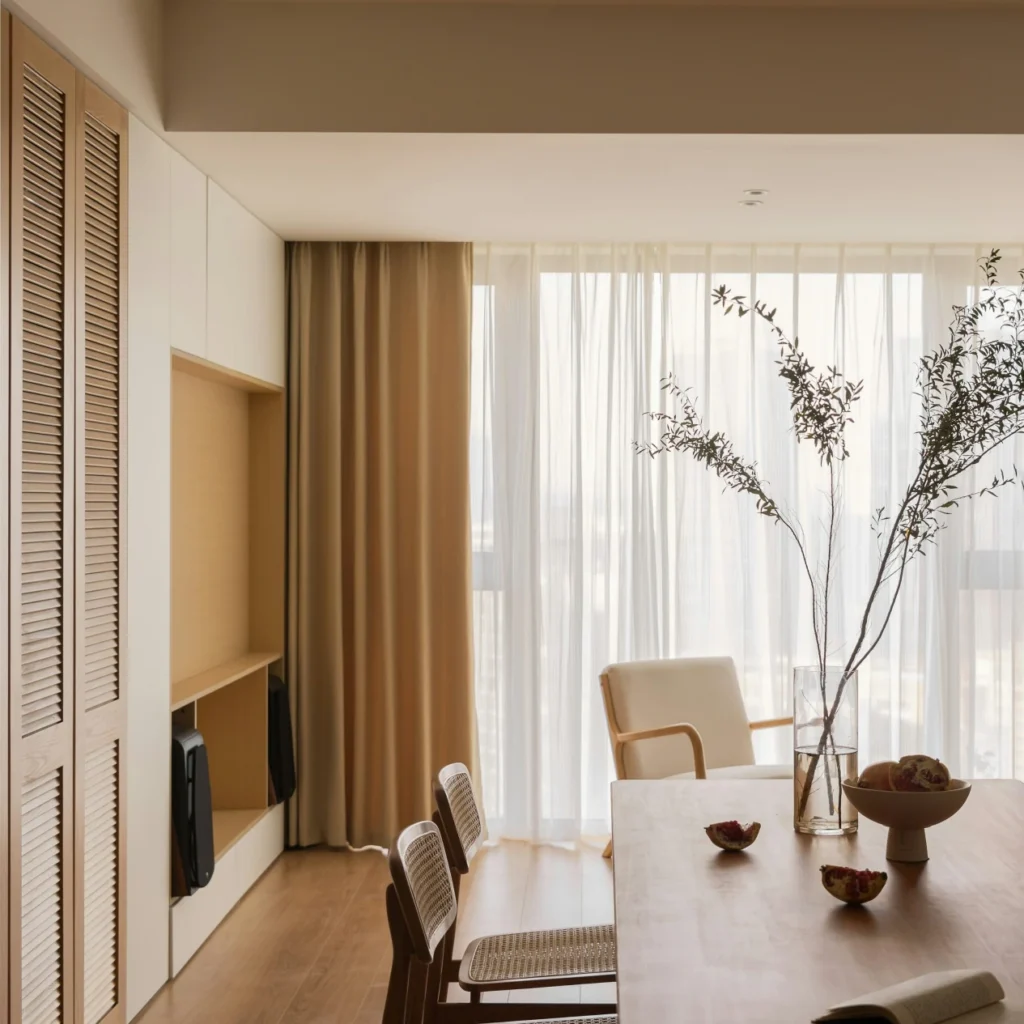
A low-cost way to help your new home feel calmer, lighter, and more like yours

When people move into a new home, the first instinct is usually the same: buy furniture, unpack everything, and fill the space as quickly as possible.

But what often determines whether a place actually feels good to live in is not the big makeover. It is the small things you do in the first few days.

From a feng shui point of view, the first week matters because this is when a new space starts building a relationship with you. Your pathways, object placement, light, smell, and daily rhythm begin shaping how “home” feels. Feng shui is traditionally concerned with arranging spaces in harmony with the flow of qi, while light and air also play a real role in indoor comfort and wellbeing.

You do not need to buy a lot of decor right away, and you do not need a big budget. Very often, if you do a few simple things well, a new home starts to feel smoother, steadier, and more like it actually belongs to you.

These five things are all easy to do in the first week, and they cost almost nothing.

1. Clear the entry first, so the home has an easy beginning

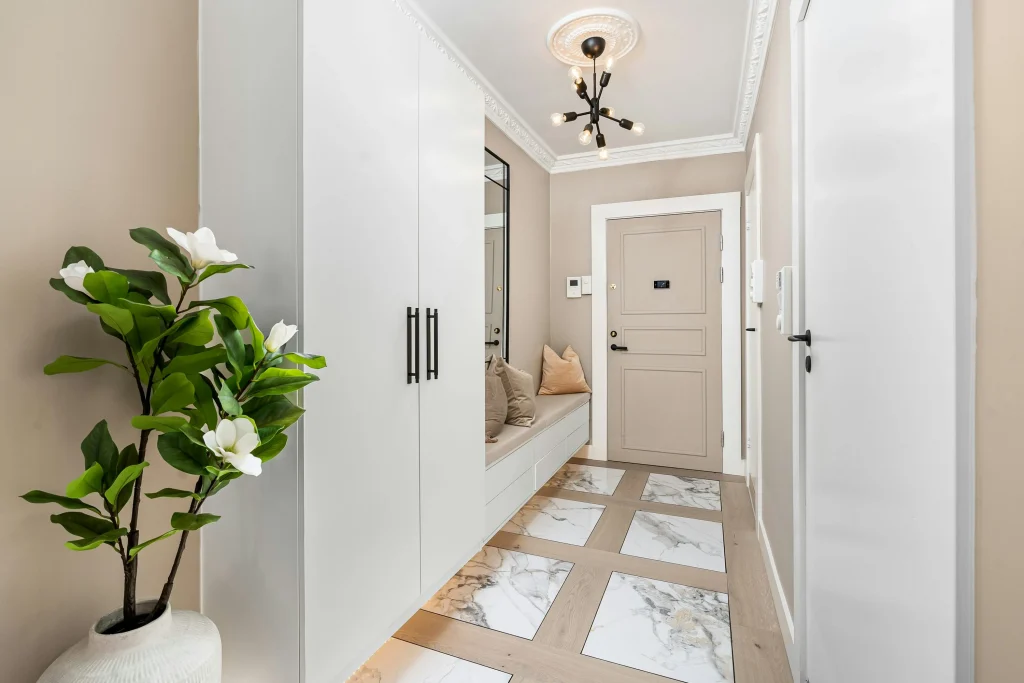
No matter how big or small the place is, the entryway is usually the best place to start.

In feng shui, the entrance is not just for coming and going. It is often treated as the home’s first point of contact with outside energy. In everyday terms, it is also the first emotional impression you get every time you come home.

If the first thing you see is cardboard boxes, shoes, random bags, and packaging, the whole home can feel blocked before you have even stepped inside properly. You may not consciously think, this is stressing me out, but cluttered visual environments do compete for attention and can add mental fatigue.

During your first week, you do not need to finish the whole house. Just clean up the small zone around the front door.

A few easy things help right away:

  • Clear the floor near the entrance.
  • Keep shoes in one place instead of scattering them everywhere.
  • Move unused boxes out of the first line of sight.
  • If it suits the space, add a small mat, a slim side table, or a simple storage basket.

This does more than make the home look tidy. It makes the house feel like it is welcoming you in, rather than giving you one more thing to deal with.

2. Let air and light move first — don’t rush to fill every corner

A lot of people move in and immediately start filling every empty space.

But from both a feng shui perspective and a comfort perspective, filling a home too fast can make it lose its breathing room.

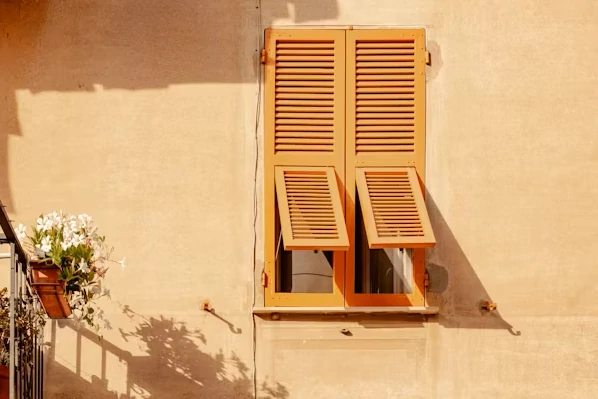
One of the best things to do in the first week is very simple: open the windows, let the air change, and pull back the curtains so natural light can come in. New homes often hold dust, packing-material smells, furniture odors, and sometimes just a stale feeling from being closed up. The U.S. EPA notes that natural ventilation through open windows and doors can improve indoor air quality when conditions allow, and the National Institute of General Medical Sciences notes that light and dark strongly influence circadian rhythms, which shape physical, mental, and behavioral changes over a 24-hour cycle.

So instead of chasing the feeling of “finished,” try first to make the home feel lighter, brighter, and more open.

You can start with this:

  • Open the windows at a regular time each day.
  • Let daylight into the main living areas whenever possible.
  • Do not immediately block windows or main pathways with large furniture.
  • Notice where the best natural light falls before deciding where you want to spend the most time.

Very often, a home feels more alive not because the furniture is expensive, but because light and air can move through it easily.

3. Take care of the corner you use most, instead of trying to finish the whole home at once

There is a very common pressure that shows up right after moving:

I need to make the whole house look done immediately.

In reality, trying to fix the entire home at once usually makes people tired, overwhelmed, and less focused.

A more practical approach is to start with the one small area you know you will use the most.

That could be:

  • the little table where you eat breakfast
  • the chair you sit in most often
  • your bedside area
  • one corner of your desk
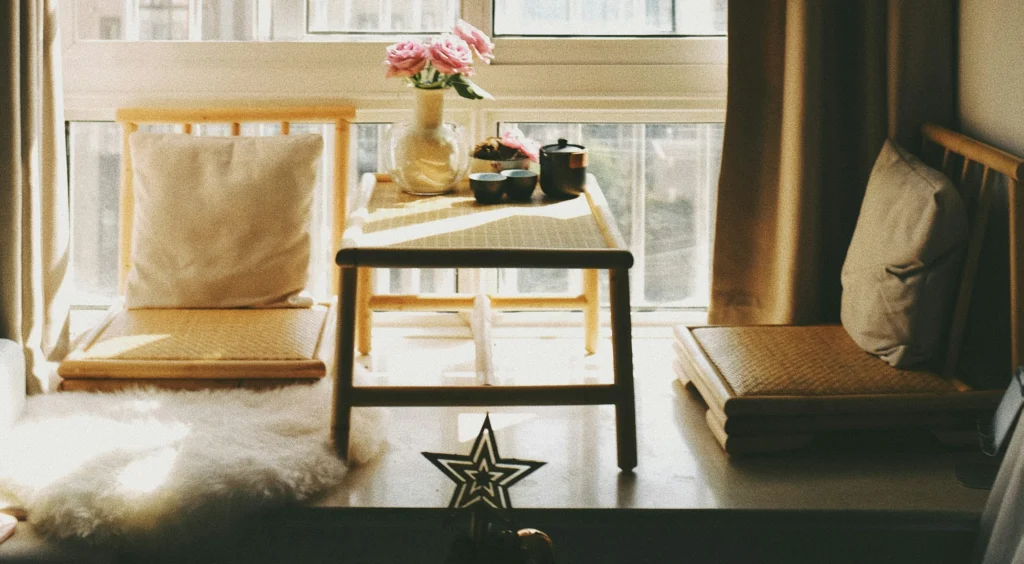
  • the sunny spot by the window

Feng shui does not only pay attention to the whole layout. It also cares about the places where daily life actually happens. That makes sense, because the spaces that influence your mood most are usually the ones you keep returning to.

During the first week, ask yourself one simple question:

What do I most want this home to help me feel first?

Calmer? More focused? More rested? More settled?

Then adjust one small zone around that answer.

For example:

  • If you want more calm, start by clearing the area beside the bed.
  • If you want more focus, make your desk surface simple and usable.
  • If you want more relaxation, reduce the visual clutter around the sofa.
  • If you want more sense of everyday life, make the dining area feel inviting first.

When one corner starts working well, the whole home often begins to feel more stable, faster.

4. Use subtraction instead of shopping — many problems are caused by “too much,” not “not enough”

Moving often triggers impulse buying.

You think the room needs a decorative object here, another shelf there, then maybe a diffuser, a print, three baskets, and a lamp. It starts to feel like the home will only become beautiful if you keep adding.

But many space problems are not caused by what is missing. They are caused by what is already there.

From a feng shui point of view, the biggest problem is usually not simplicity. It is crowding, blockage, and disorder. When there are too many objects, visual information becomes dense, the eye has less room to rest, and movement through the room gets interrupted. Research on visual clutter and attention helps explain why this feels tiring: too many competing stimuli make it harder to focus and more mentally effortful to process the environment.

So during your first week, try this:

Before you buy anything, remove a few things.

Look at:

  • counters crowded with temporary items
  • pathways narrowed by boxes or small furniture
  • the areas around the sofa, bed, or desk where things have landed “for now”
  • decorative items that are making the room feel busier instead of better

Sometimes removing three unnecessary things does more for the room than buying one new so-called “energy object.”

A strong atmosphere often comes from having enough space left over.

A little emptier does not mean empty.
It means the home has room to settle — and so do you.

Final thought: live into the home before you fill it
Your first week in a new place does not need to be perfect.

It matters more to make the home feel smoother, lighter, and easier than to make it feel full.

Clear the entrance first.
Let in air and daylight.
Take care of the corner you use most.
Subtract before you shop.
Then let daily life slowly bring the home to life.

That is one of the most practical parts of modern feng shui thinking: it is not about creating anxiety, and it is not about constantly buying something new. It is about helping you build a more stable, breathable relationship with a space, more quickly.

Because a truly good home is not always the most expensive, the fullest, or the most styled.

It is the one where, the moment you walk in,
you can begin to relax.

Same category navigation

More to read next

From reading to action

Keep thoughtful guides close as you shape a calmer home.

Save ideas for later, explore room-based guidance, or share what you would like us to write about next.

Explore Room Guides Use room-based guides when you want a calmer way to choose placement, materials, and daily-use pieces.
Share A Future Topic Tell us what spaces, objects, or topics you'd like us to explore next. We’re always open to new ideas and inspiration.
Journal Dispatch

A quiet letter for spatial living.

Receive calm notes on placement, materials, and living with more spatial clarity.