NEW JOURNAL NOTES ON SPACE, OBJECTS, AND EVERYDAY ATMOSPHERE
Visit Shop
Back to All Articles

The Hidden Stress of Clutter: How It Impacts Your Brain and Mood

In this article
The Attention Heist: How Clutter Hijacks Your Brain The Cortisol Creep: When Your Home Becomes a Stress Source The Decision Debt: Why Clutter Feels So Heavy The Procrastination Loop: Why Clutter Gets Worse The Hidden Cost of Clutter From Chaos to Calm: A Smarter Way to Declutter Why Empty Space Matters Final Thought: Your Brain Lives in Your Environment
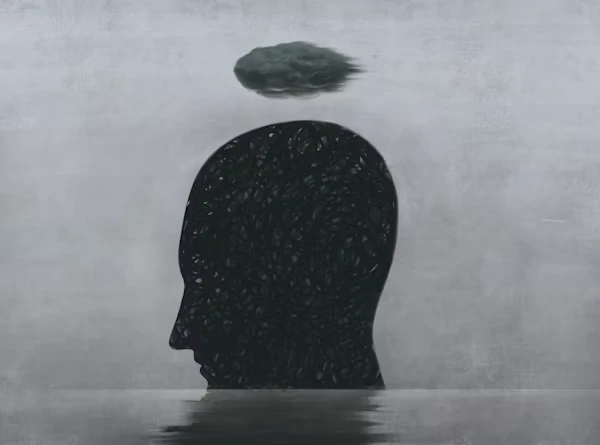
Have you ever walked into your home after a long day, collapsed onto the couch, and wondered why you still feel completely wiped out?

You didn’t run a marathon.
You didn’t even do that much.

And yet, there’s this low-grade heaviness—like your brain is running a background app that’s quietly draining 80% of your battery.

Here’s the twist:
it might not be you. It might be your stuff.

The Attention Heist: How Clutter Hijacks Your Brain

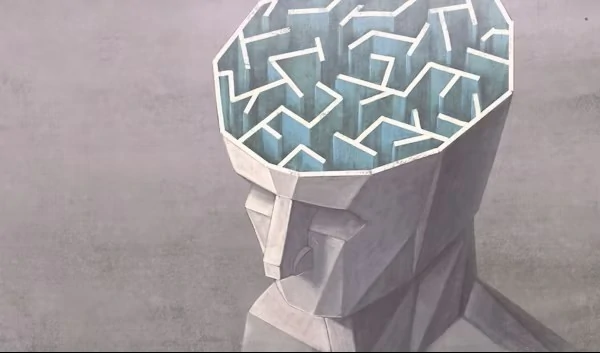
Your brain is constantly scanning your environment.

Every second, it’s filtering what matters and what doesn’t—so you can focus on what’s important.

At least, that’s how it’s supposed to work.

In reality, visual clutter doesn’t just sit there quietly. Research from Princeton University’s Neuroscience Institute shows that every object in your visual field competes for attention.

Your brain doesn’t ignore that stack of magazines or those random cables.

It processes them.
Subconsciously. Continuously. And at a cost.

Think of your working memory like a small desk.

  • In a clear space → you can focus on one task
  • In a cluttered space → the desk is already full

Before you even begin, your brain is already pushing things aside.

This is exactly what Cognitive Load Theory describes: your working memory has strict limits (usually around 4–7 items), and clutter quietly fills those slots.

The result isn’t just distraction.

It’s neurological overload.

Studies show that cluttered environments force your brain’s control centers to work harder just to maintain focus—and unlike a computer, you can’t upgrade your RAM.

The Cortisol Creep: When Your Home Becomes a Stress Source

So clutter affects focus—but what about mood?

Why does a messy space make you feel anxious, irritable, or just… off?

The answer lies in cortisol—your body’s primary stress hormone.

Research from UCLA’s Center on Everyday Lives of Families found that people who describe their homes as cluttered often show elevated, less flexible cortisol patterns throughout the day.

Normally, cortisol rises in the morning and gradually declines.

But in cluttered environments, it tends to stay elevated—creating a constant background level of stress.

Even when you’re not thinking about the mess.

Your brain interprets visual chaos as unfinished business.

That triggers your internal alert system, including the amygdala—the part of your brain responsible for detecting threats.

And here’s the catch:

Your brain doesn’t distinguish between a cluttered room and a situation that requires vigilance.

It just reacts.

Over time, this becomes your baseline.

You don’t think, “my environment is stressing me out.”
You think, “I’m just a stressed person.”

The Decision Debt: Why Clutter Feels So Heavy

Clutter isn’t just objects—it’s decisions waiting to happen.

Every item asks a silent question:

  • Do I need this?
  • Where should it go?
  • Should I deal with this now?

Multiply that by dozens—or hundreds—of items.

Now your brain is constantly making micro-decisions.

This leads to decision fatigue—a decline in decision quality after repeated choices.

And it goes even deeper.

Because of the Zeigarnik Effect, your brain tends to hold onto unfinished tasks.

So every “I’ll deal with it later” item stays mentally active.

Like a notification you never clear.

That’s why even “semi-organized” spaces can feel stressful.

Because your brain knows: it’s not done.

The Procrastination Loop: Why Clutter Gets Worse

Here’s the frustrating cycle:

  • Clutter creates overwhelm
  • Overwhelm reduces action
  • Lack of action creates more clutter

This is known as the procrastination–clutter cycle.

And it’s not about laziness.

It’s about capacity.

When your brain is already overloaded, it doesn’t have the energy to organize.

So you delay.

And the longer you wait, the heavier everything feels.

The Hidden Cost of Clutter

When you zoom out, the effects are bigger than expected:

  • Reduced working memory
  • Shorter attention span
  • Increased stress hormones
  • Emotional reactivity
  • Poorer sleep quality
  • Strained relationships

Clutter doesn’t just affect your space.

It affects how you think, feel, and interact.

From Chaos to Calm: A Smarter Way to Declutter

You don’t need a full reset.

You need a smarter approach.

1. Create One Calm Surface

Start small. One clean space can reduce visual load instantly.

2. Close Open Loops

Make decisions. Don’t leave items in “temporary” status.

3. Reduce Visual Competition

Group items instead of scattering them.

4. Declutter Digitally

Your brain processes screens the same way—clean your digital space too.

5. Work in Short Sessions

20 minutes is enough. Consistency beats intensity.

Why Empty Space Matters

Empty space isn’t “missing something.”

It’s functional.

It allows your brain to pause, reset, and stop processing.

That’s why minimalism and mental clarity are often linked.

You don’t need less for the sake of less.

You need space for your mind to rest.

Final Thought: Your Brain Lives in Your Environment
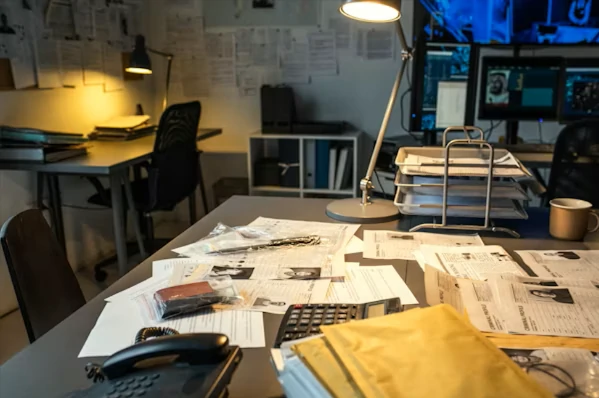
Your home is either supporting your mind—or quietly draining it.

There’s no neutral.

The connection between clutter and mental health is clear.

When you reduce clutter, you’re not just organizing.

You’re reclaiming:

  • attention
  • clarity
  • emotional balance

You don’t need perfection.

You just need intention.

Because the most valuable space you own…
isn’t your home.

It’s your mind.

Start with one drawer. That’s enough.


Same category navigation

More to read next

From reading to action

Keep thoughtful guides close as you shape a calmer home.

Save ideas for later, explore room-based guidance, or share what you would like us to write about next.

Explore Room Guides Use room-based guides when you want a calmer way to choose placement, materials, and daily-use pieces.
Share A Future Topic Tell us what spaces, objects, or topics you'd like us to explore next. We’re always open to new ideas and inspiration.
Journal Dispatch

A quiet letter for spatial living.

Receive calm notes on placement, materials, and living with more spatial clarity.