NEW JOURNAL NOTES ON SPACE, OBJECTS, AND EVERYDAY ATMOSPHERE
Visit Shop
Back to All Articles

The Forbidden City: China’s Greatest Palace and the Civilization Hidden Within Its Walls

In this article
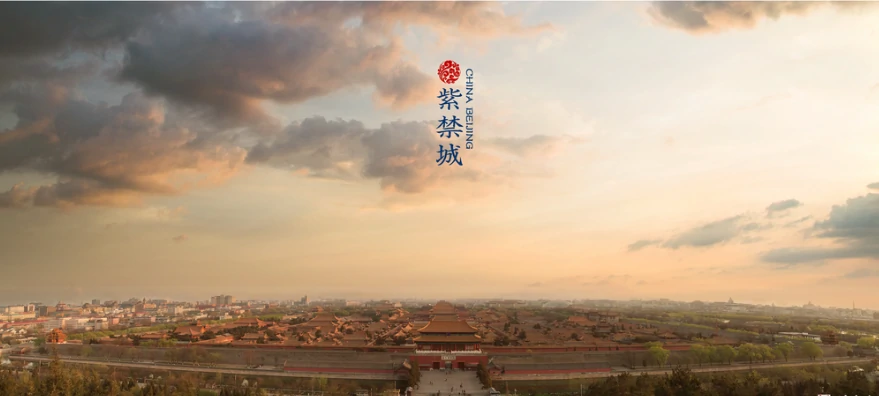
A Palace Built for an Empire Architecture as Cosmic Order The Meaning Hidden in Color and Number The Wooden Engineering Wonder A Palace Designed Around Human Experience More Than a Museum What the Forbidden City Still Teaches the Modern World

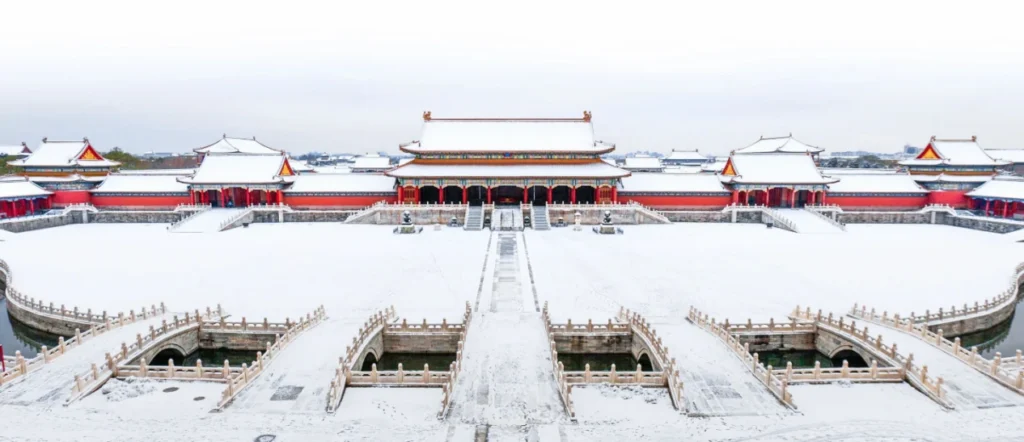
For nearly 600 years, at the heart of Beijing stood a city within a city — a world closed to ordinary people, wrapped in crimson walls and golden roofs.

Today, we know it as the Forbidden City.

But the Forbidden City is far more than an imperial palace.

It is one of the largest and most sophisticated architectural masterpieces ever built by human civilization — a place where politics, philosophy, astronomy, ritual, art, and daily life were woven into a single spatial universe.

To walk through the Forbidden City is not simply to enter an old palace.

It is to step inside the worldview of traditional China.

A Palace Built for an Empire

Construction of the Forbidden City began in 1406 during the Ming Dynasty and took 14 years to complete.

Built under the Yongle Emperor, the palace became the political and ceremonial center of China for almost five centuries, serving 24 emperors across the Ming and Qing dynasties.

At its peak, the complex contained:

  • nearly 1,000 surviving buildings
  • more than 8,000 rooms
  • vast ceremonial courtyards
  • imperial gardens
  • libraries, halls, temples, and residences

Everything was designed on a monumental scale.

Yet despite its size, the Forbidden City was not built merely to impress.

Every gate, roofline, pathway, and courtyard followed a carefully ordered system rooted in Chinese philosophy.

Architecture as Cosmic Order

The Forbidden City was designed according to ancient Chinese concepts of harmony between Heaven, Earth, and human society.

Nothing was random.

The Central Axis

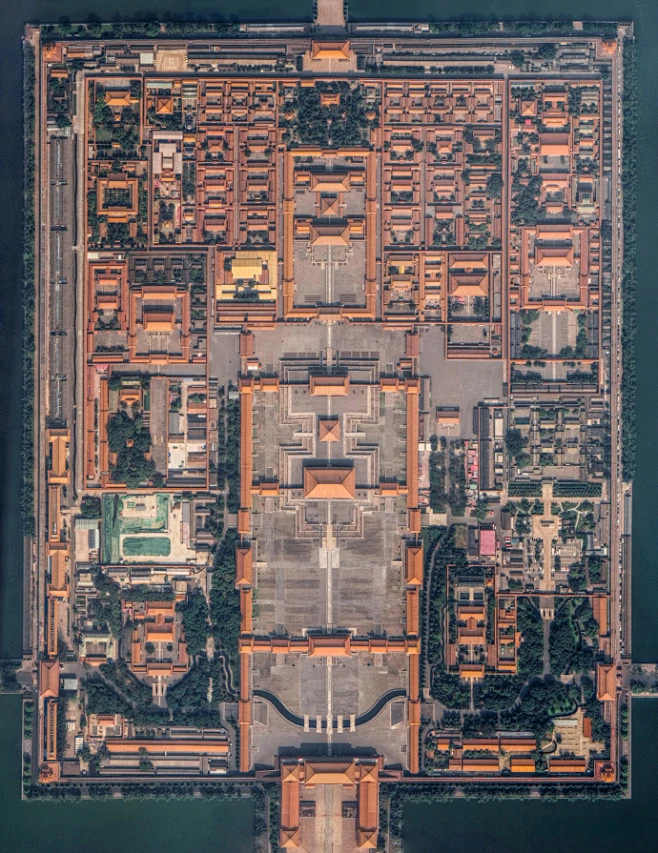
The entire palace complex is organized along a strict north-south central axis.

This axis symbolized political legitimacy and cosmic balance.

The emperor — known historically as the “Son of Heaven” — occupied the symbolic center between the earthly and celestial worlds.

As visitors move through the palace, spaces gradually unfold in a carefully controlled sequence:

  • outer ceremonial courts
  • administrative halls
  • inner residential quarters
  • private gardens

The architecture guides movement almost like ritual theater.

Space itself becomes a language of power, hierarchy, and order.

The Philosophy of Symmetry

Symmetry dominates the Forbidden City.

Buildings mirror one another with extraordinary precision, creating a sense of stability and balance.

But this symmetry was not only aesthetic.

In traditional Chinese thought, balance represented harmony:
between yin and yang,
between humanity and nature,
between authority and responsibility.

The palace embodied the ideal structure of the universe itself.

The Meaning Hidden in Color and Number

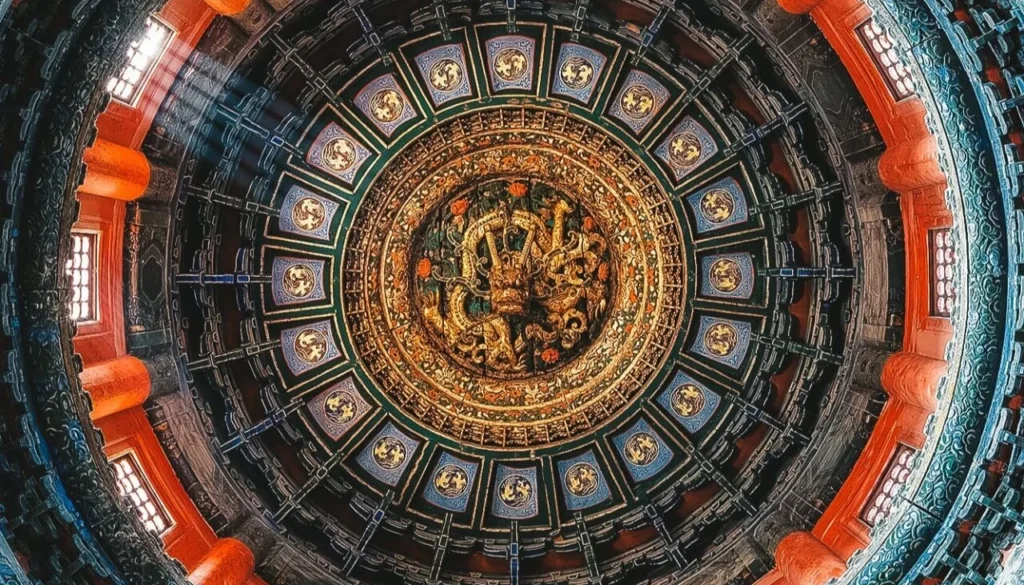
The Forbidden City communicates through symbols.

Its colors, materials, and numbers all carry cultural meaning.

Yellow Roofs and Red Walls

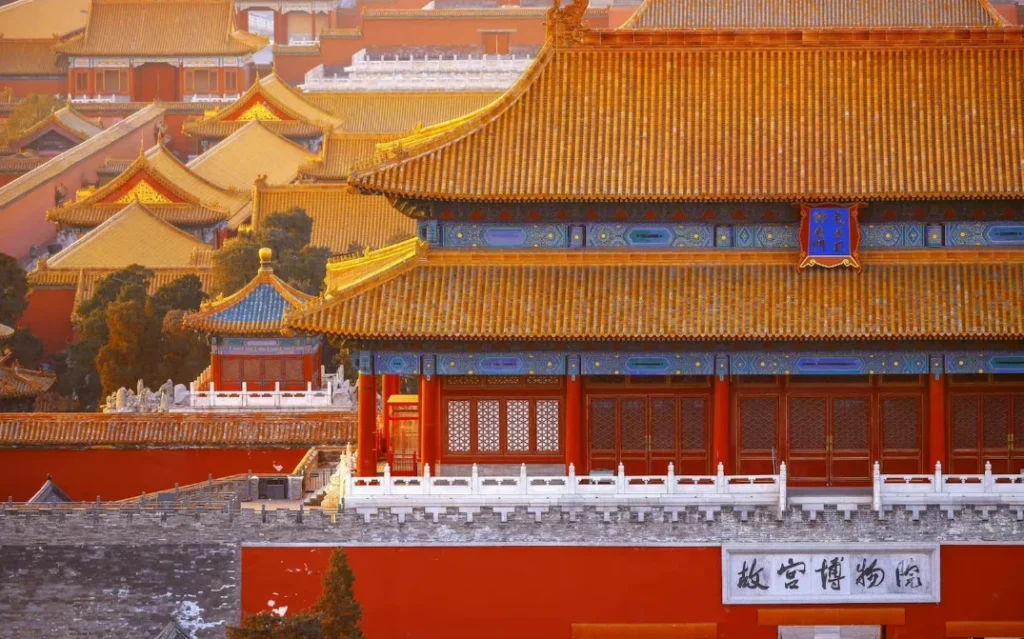
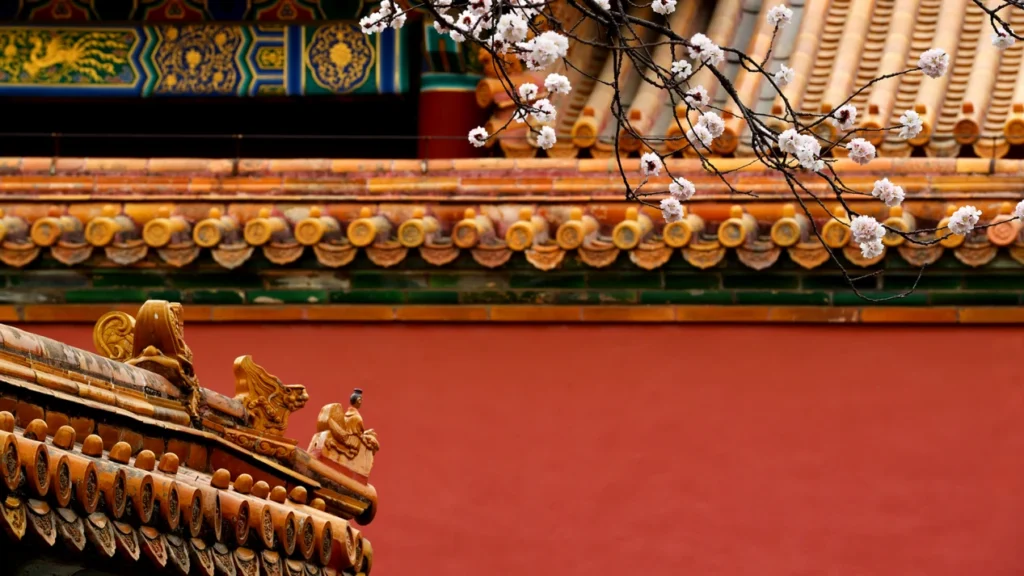
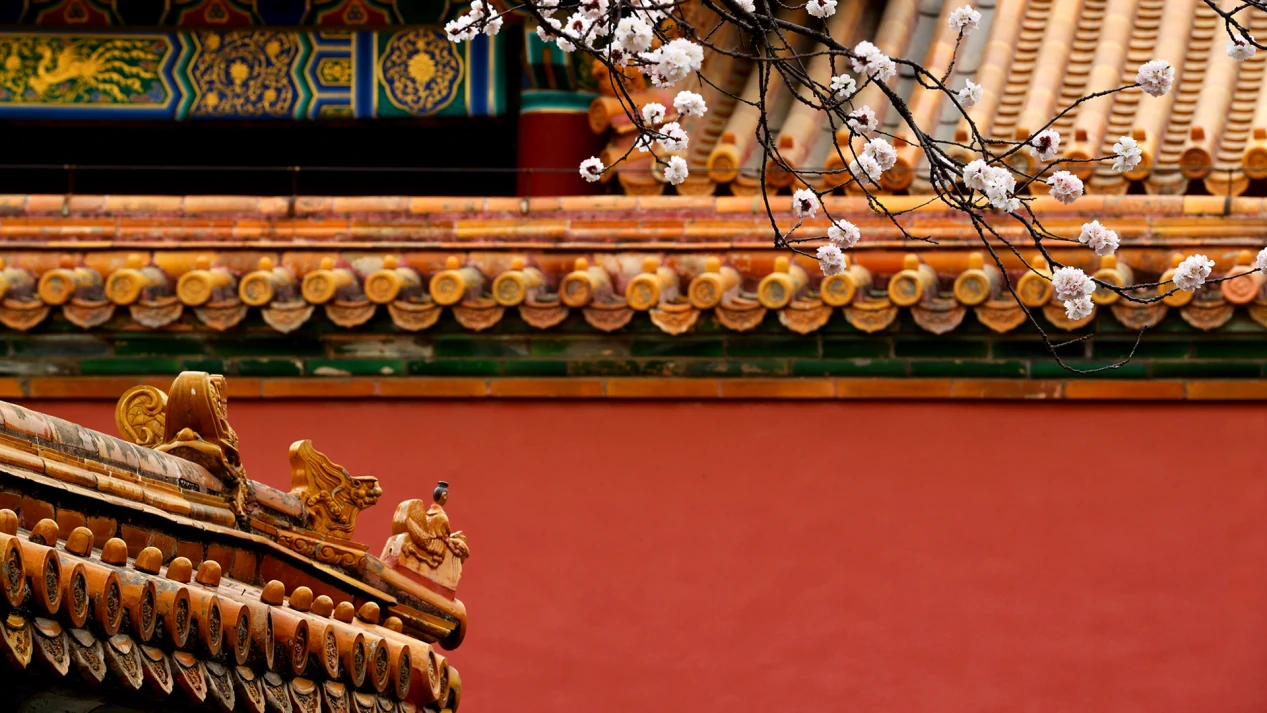
The iconic golden-yellow roofs represented imperial authority and earth in traditional Chinese cosmology.

Red walls symbolized:

  • prosperity
  • happiness
  • protection
  • vitality

Together, these colors created a visual identity that became inseparable from Chinese imperial culture.

The Power of Nine

Ancient Chinese architecture frequently used symbolic numbers, and nowhere is this more visible than in the Forbidden City.

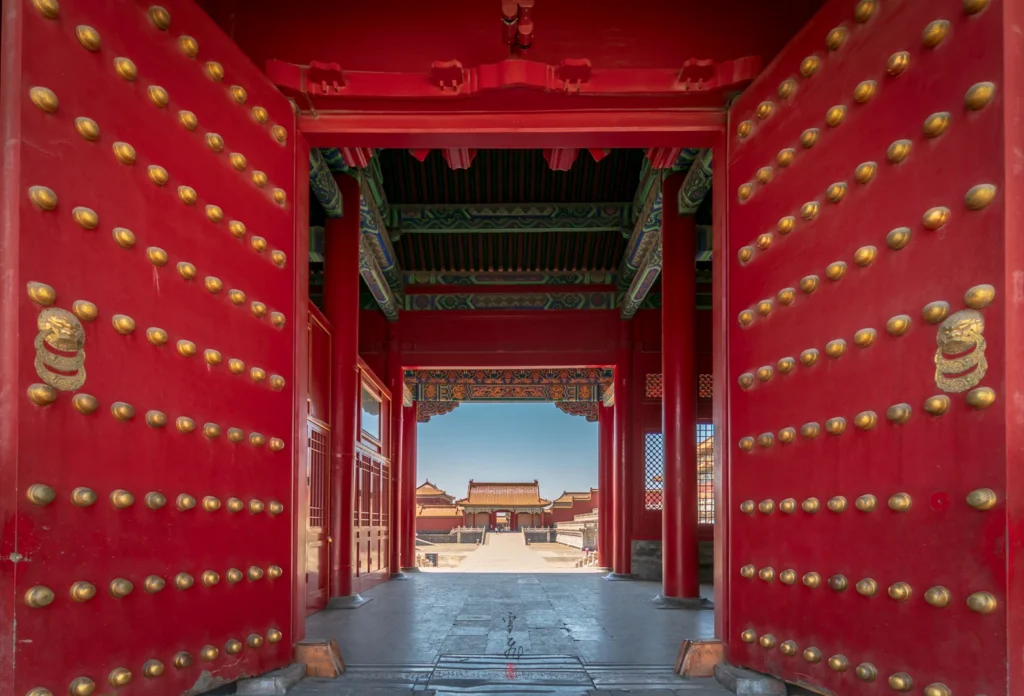
The number nine — associated with supreme yang energy and imperial power — appears repeatedly:

  • rows of door studs
  • decorative carvings
  • spatial arrangements
  • ceremonial details

Even the famous Nine-Dragon Walls reflect this symbolic tradition.

The palace was designed not just as a residence, but as a coded architectural expression of cosmic authority.

The Wooden Engineering Wonder

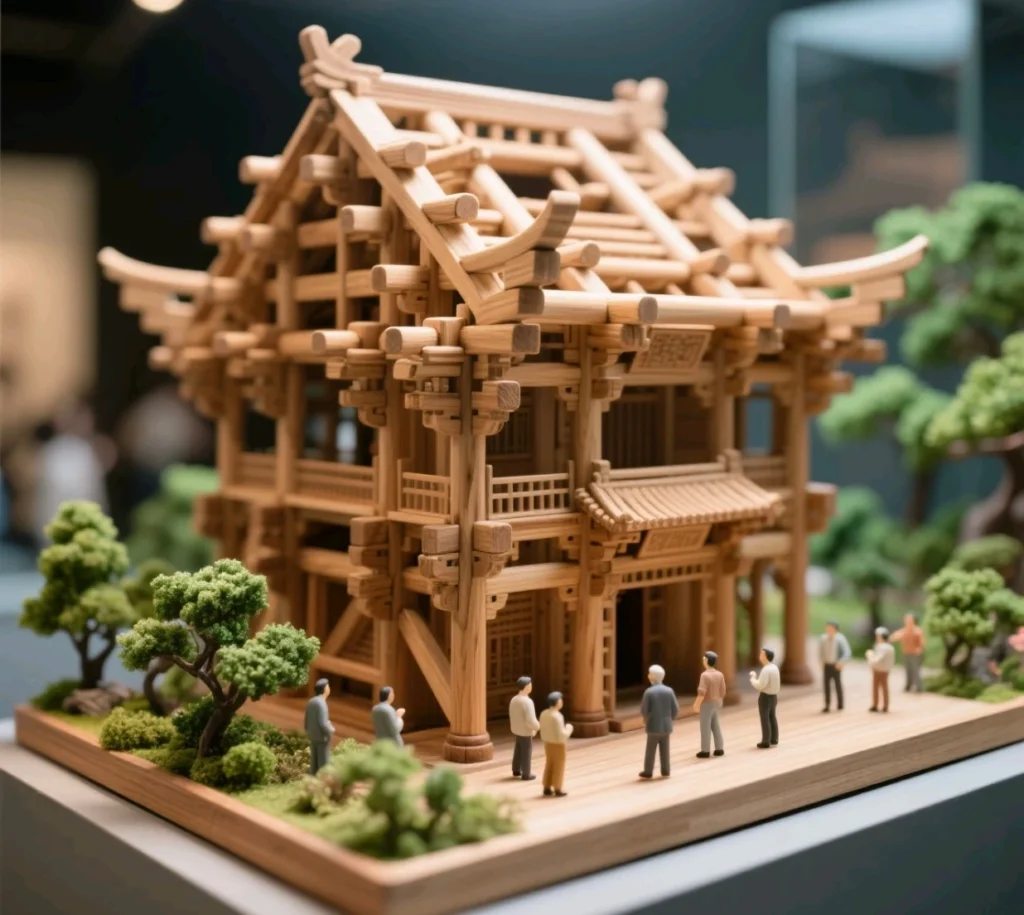
One of the most astonishing facts about the Forbidden City is that it is primarily made of wood.

Despite earthquakes, storms, fires, and six centuries of aging, many of its major structures still stand today.

How?

The answer lies in ancient Chinese timber engineering.

The Intelligence of Mortise-and-Tenon Construction

The palace was built using sophisticated interlocking wooden joints known as mortise-and-tenon structures.

No modern steel framework was needed.

These joints allowed buildings to:

  • flex during earthquakes
  • distribute structural pressure naturally
  • expand and contract with humidity and temperature

Instead of rigid resistance, the structures achieved resilience through controlled movement.

Modern architects and engineers still study these techniques for insights into sustainable and earthquake-resistant design.

A Palace Designed Around Human Experience

Although the Forbidden City represents imperial power, it is also deeply human in scale and rhythm.

Unlike many stone palaces that overwhelm visitors through sheer mass, Chinese palace architecture creates experience through progression:

  • entering gates
  • crossing courtyards
  • ascending terraces
  • revealing spaces gradually

The emotional impact comes from sequence, proportion, and atmosphere.

Even light and shadow were part of the design language.

The result is architecture that feels ceremonial yet alive.

More Than a Museum

Today, the Forbidden City is officially known as the Palace Museum and is one of the most visited cultural sites in the world.

But reducing it to a tourist destination misses its deeper significance.

The Forbidden City preserves something larger than architecture:
it preserves a civilizational way of thinking.

Inside its walls lives an understanding of:

  • harmony over excess
  • order balanced with beauty
  • symbolism integrated into daily life
  • humanity’s relationship with nature and the cosmos

It reflects a culture that believed architecture should not merely occupy space, but express meaning.

What the Forbidden City Still Teaches the Modern World

In the modern age, cities grow taller, faster, and more technologically complex every year.

Yet the Forbidden City continues to captivate millions of people across cultures and generations.

Why?

Because beyond its grandeur lies something timeless:
a search for balance.

The palace reminds us that great architecture is not only about engineering or visual spectacle.

It is about creating spaces that communicate identity, memory, philosophy, and emotion.

The Forbidden City endures because it was built not only with wood and stone, but with ideas.

And six hundred years later, those ideas still speak to the world.


Same category navigation

More to read next

From reading to action

Keep thoughtful guides close as you shape a calmer home.

Save ideas for later, explore room-based guidance, or share what you would like us to write about next.

Explore Room Guides Use room-based guides when you want a calmer way to choose placement, materials, and daily-use pieces.
Share A Future Topic Tell us what spaces, objects, or topics you'd like us to explore next. We’re always open to new ideas and inspiration.
Journal Dispatch

A quiet letter for spatial living.

Receive calm notes on placement, materials, and living with more spatial clarity.