NEW JOURNAL NOTES ON SPACE, OBJECTS, AND EVERYDAY ATMOSPHERE
Visit Shop
Back to All Articles

Creating a Neuro-Sensory Calm Home

In this article
What Neurodiversity Means in Interior Design Sensory Foundations: The Basics Visual Thinkers & Tactile Thinkers Nature as a Regulator A Home That Supports the Nervous System

Designing Spaces That Support the Nervous System

Walk into certain homes and you feel it immediately — sound bouncing off hard surfaces, harsh lighting, visual clutter competing for attention.

For some, this simply feels “busy.”

For neurodivergent individuals — including those with ADHD, autism, sensory processing differences, anxiety, or highly sensitive nervous systems — the same environment can feel overwhelming and exhausting.

As awareness of neurodiversity grows, more homeowners are asking a powerful question:

How can my home support my brain, rather than work against it?

What Neurodiversity Means in Interior Design

People experience and process the world differently — including how they experience space. Light, sound, texture, scent, movement — all of these affect the nervous system.

Designing for neurodiversity is not about clinical labels. It is about recognizing that brains are wired differently — and creating homes that help their inhabitants feel focused, calm, and socially at ease.

Spaces that balance rest and connection, visual clarity and softness, nature and structure.

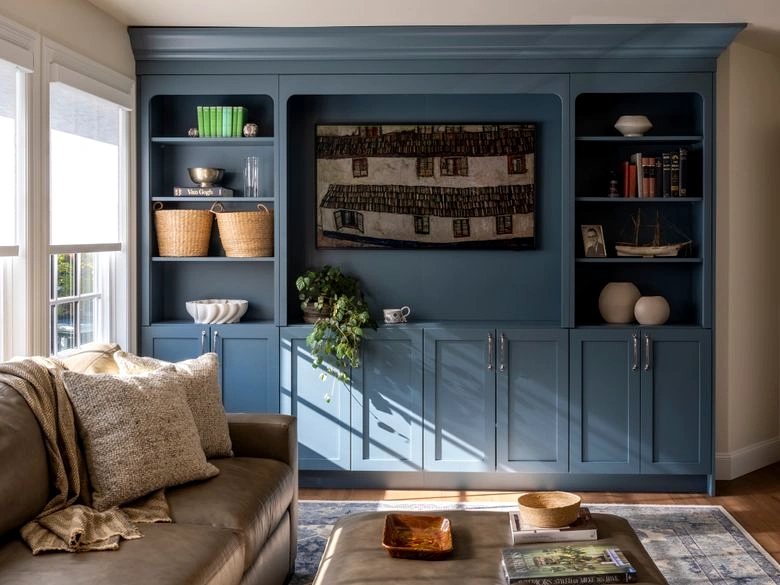
Soft neutrals, layered textures, and gentle curves create sensory ease. Subtle wall textures add warmth. Deep navy and muted contrasts can ground a space without overstimulating it.

Sensory Foundations: The Basics

Most people underestimate how strongly sensory input affects stress levels. For neurodivergent individuals, sensory experience is often central to emotional regulation.

Light & Glare

Harsh overhead lighting, exposed bulbs, and glare can trigger overstimulation. Indirect lighting, dimmers, and task-specific lamps offer greater control.

  • Cooler, brighter light supports daytime focus.
  • Warmer, softer light supports evening relaxation.

 Simple changes — adjusting bulb temperature, adding diffusers, installing dimmers — can dramatically shift how a space feels.

Sound & Acoustics

Hard surfaces amplify noise. Soft materials absorb it.

Rugs, upholstered furniture, curtains, acoustic panels, and even bookshelves can reduce echo and soften sound.

For some, gentle background noise (like white noise or a fan) improves focus. For others, true silence is essential.

For sensitive nervous systems, having at least one genuinely quiet room is a gift.

Texture & Tactile Comfort

Certain materials soothe. Others irritate.

A sensory-sensitive child may reject coarse wool but prefer smooth wood floors and soft cotton blankets. In refined interiors, selecting materials that feel controlled and comfortable — polished stone, soft natural fibers, crafted wood — creates grounded calm rather than distraction.

Visual Thinkers & Tactile Thinkers

Many neurodivergent individuals are strong visual or tactile learners.

For Visual Thinkers:

Clutter increases cognitive load. They thrive in environments with:

  • Clear visual zoning
  • Concealed storage
  • Thoughtful color coding (e.g., one color for work, another for children’s items)

 When rooms communicate purpose at a glance, the brain can rest.

For Tactile / Kinesthetic Thinkers:

Physical cues help orientation:

  • Floor texture changes at thresholds
  • Handrails marking transitions
  • Defined drop zones for keys, bags, and devices

Well-designed storage systems — built-ins, labeled areas, consistent object placement — reduce executive-function strain.

A sensory-calm home is almost always an organized one.

Predictability, Retreat & The Power of Choice

Many neurodivergent individuals cope better when they know:

  • Where they can retreat
  • How quickly they can access that retreat

Two core needs emerge: predictability and choice.

Clear layouts and defined room functions reduce anxiety.

Homes benefit from offering multiple spatial modes:

  • A shared family area for activity
  • A small nook for reading or decompressing
  • A workspace protected visually and acoustically

This might look like:

  • A lively family room with an adjacent quiet reading corner
  • A primary bedroom with a subtly separated rest zone

Choice creates safety.

Nature as a Regulator

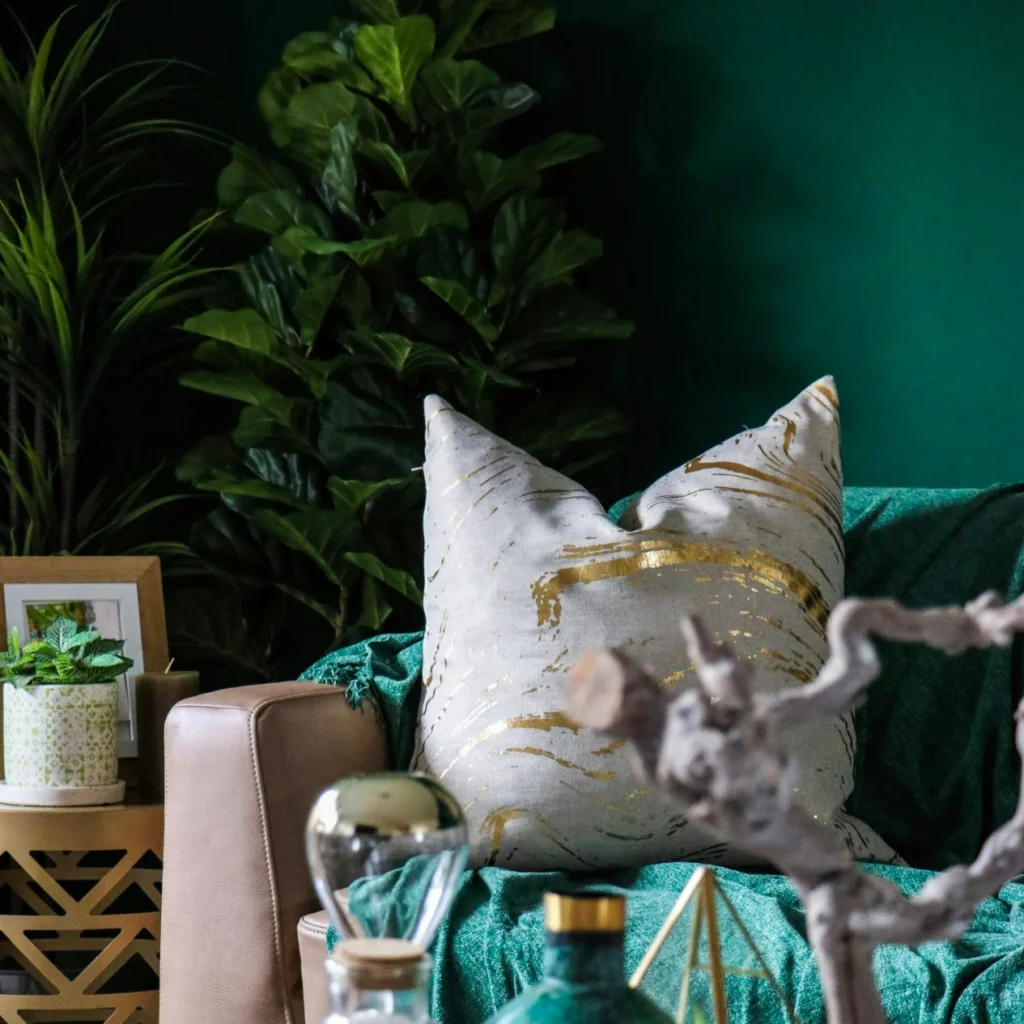
Biophilic design — intentionally integrating natural elements — is one of the most effective tools for sensory calm.

Plants, water features, wood, stone, fresh air, and daylight are all linked to reduced stress and improved concentration.

In Feng Shui philosophy, nature supports the balanced flow of Qi — grounding excess energy and restoring harmony.

Even in compact homes, incorporating greenery or natural materials introduces subtle emotional stability.

A Home That Supports the Nervous System

A neuro-sensory calm home is not sterile or minimal for its own sake. It is intentional.

It:

  • Reduces unnecessary sensory load
  • Provides clear spatial cues
  • Offers both connection and retreat
  • Honors how different brains process space

When design supports the nervous system, the home becomes more than a shelter.

It becomes a regulator.

A sanctuary.

A space where the body can exhale.

Same category navigation

More to read next

From reading to action

Keep thoughtful guides close as you shape a calmer home.

Save ideas for later, explore room-based guidance, or share what you would like us to write about next.

Explore Room Guides Use room-based guides when you want a calmer way to choose placement, materials, and daily-use pieces.
Share A Future Topic Tell us what spaces, objects, or topics you'd like us to explore next. We’re always open to new ideas and inspiration.
Journal Dispatch

A quiet letter for spatial living.

Receive calm notes on placement, materials, and living with more spatial clarity.