Feng Shui and Modern Environmental Psychology
In this article
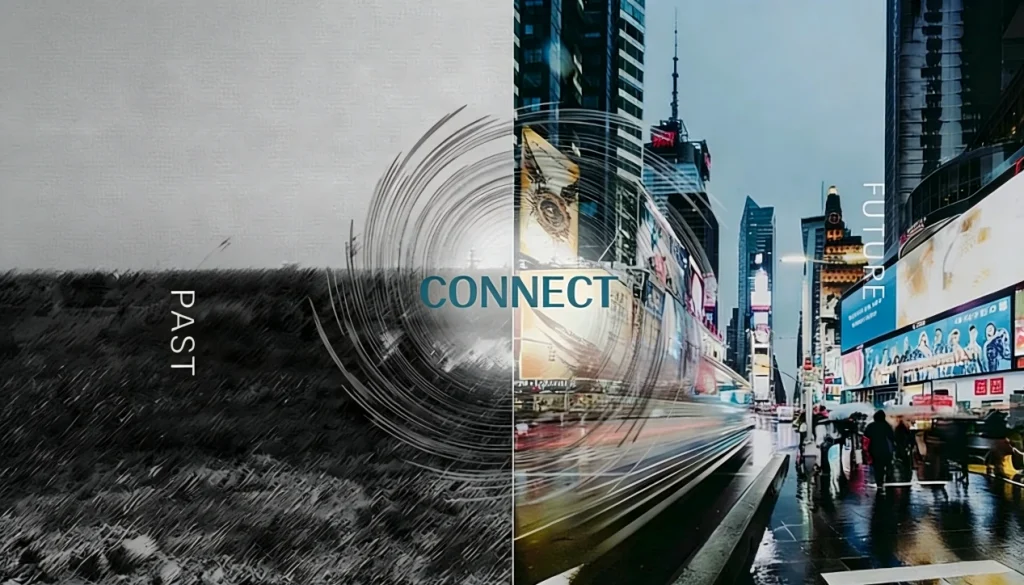
A Conversation Across Centuries
Have you ever wondered why some rooms feel instantly comforting, while others make you want to leave almost as soon as you enter?
Traditional feng shui might say the space has good energy—or poor energy.
Modern psychology might say the layout is affecting your mood and nervous system.
In many ways, they are describing the same experience.
They are simply using different language.
One comes from ancient observation.
The other comes from modern research.
But both ask the same fundamental question:
What kind of environment helps human beings feel safe, calm, and well?

How Traditional Feng Shui Understands Space
The word feng shui may sound mysterious, but its original meaning is surprisingly grounded.
“Feng” means wind.
“Shui” means water.
In early Chinese settlement thinking, these were two of the most important environmental conditions for life. If the wind was too harsh, a place felt exposed and uncomfortable. If the water was stagnant or unclean, it threatened health and survival.
At the heart of feng shui is a broader worldview often described through the idea of unity between humans and nature. The belief is simple: people are not separate from their environment. The place you live in affects how you feel, think, rest, and live.
This is why traditional feng shui placed so much importance on shelter, orientation, airflow, sunlight, and surrounding landforms. A home backed by higher ground and facing open space or water was often considered ideal—not only symbolically, but because it could offer protection, climate comfort, and access to resources.
Another central concept in feng shui is qi, often translated as energy. While qi cannot be measured in the way modern science measures air pressure or light levels, it often points to something people can clearly feel: whether a space feels stagnant, oppressive, open, or refreshing.
When traditional feng shui says that qi is blocked, modern readers might interpret that as poor ventilation, lack of daylight, constrained movement, or a layout that creates tension rather than ease.

What Modern Environmental Psychology Says
Interestingly, many conclusions in modern environmental psychology echo these traditional observations.
Environmental psychology studies how built spaces influence mood, stress, attention, behavior, and wellbeing. Over time, researchers have found that airflow, daylight, spatial proportion, privacy, and exposure to natural elements all have measurable effects on how people feel.
A room with poor ventilation may increase fatigue and reduce concentration.
A dark interior can affect mood over time.
A cramped or visually chaotic space may create subtle stress.
A bright, balanced, and well-organized room is more likely to feel supportive and calming.
What feng shui once described in terms of flowing or blocked qi can often be reinterpreted today through the language of environmental comfort, sensory input, and human perception.
The same is true of the traditional preference for supportive landscapes. Feng shui’s emphasis on shelter behind and openness in front can be understood in modern terms as an intuitive response to protection, visibility, climate moderation, and psychological ease.
In architecture and environmental design, these ideas are no longer unusual. They are part of how we understand livability.
Place Attachment: Why Some Spaces Feel Like They Belong to You
One of the most useful ideas in environmental psychology is place attachment—the emotional bond people develop with certain places.
This helps explain why a home does not need to be large or luxurious to feel deeply comforting. A place can feel meaningful simply because it supports you, holds memories, and allows you to settle.
Traditional feng shui has long been concerned with what makes a home feel “good” over time. In a modern sense, that may be less about mystical luck and more about how well a space supports emotional ease, daily rhythm, and long-term belonging.
When a space feels safe, balanced, and restorative, people naturally want to stay. Over time, they build familiarity, trust, and affection toward it. That emotional bond can change how the home is experienced.
What feng shui may call an auspicious home, environmental psychology might describe as a place that supports attachment, stability, and wellbeing.
Different Words, Similar Insights
Traditional feng shui and modern environmental psychology often sound very different on the surface. But many of their observations point toward the same human needs.
Feng Shui Says | Environmental Psychology Says | What It Really Points To |
A door should not directly face another door, or energy rushes through too quickly | Long, exposed sightlines can reduce privacy and increase tension | People need a sense of security and protected transition |
A mirror should not face the bed, or it may disturb rest | Reflections in low light can trigger alertness and interrupt relaxation | People need visual calm in spaces meant for sleep |
A bed should have a solid wall behind it, not a window | Greater thermal fluctuation, noise, and exposure can reduce comfort | People sleep better when they feel supported and protected |
A home should “gather energy” rather than let it disperse | Good airflow, natural light, and coherent layout improve wellbeing | People feel better in spaces that are healthy, bright, and balanced |
A site backed by land and facing water is favorable | Shelter, access to resources, and moderated climate improve livability | People respond well to environments that combine protection and openness |
The terminology is different.
The worldview is different.
But the underlying concern is often the same:
What kind of environment allows people to live comfortably and feel at ease?
Why This Conversation Still Matters Today
For many people today, feng shui and science are treated as opposites. One is seen as traditional and symbolic; the other as modern and evidence-based.
But that division can be too simplistic.
Not every idea in feng shui can be scientifically verified in literal terms. At the same time, not every traditional observation should be dismissed simply because it uses symbolic language.
Ancient people did not have environmental psychology labs or building performance software. What they did have was close observation of land, weather, comfort, illness, rest, and daily life. Over generations, these observations became a language of pattern and meaning.
Modern science often arrives at similar conclusions—but through data, measurement, and theory rather than metaphor.
This is why feng shui and environmental psychology can be seen not as enemies, but as two different ways of talking about the relationship between space and human experience.
And in the end, what matters most is simple:
a good space is one that helps you feel at ease.