NEW JOURNAL NOTES ON SPACE, OBJECTS, AND EVERYDAY ATMOSPHERE
Visit Shop
Back to All Articles

How Your Living Space Affects Your Mental Health and Emotions

In this article
Introduction: Your Home Is Not Neutral 1. The Constant Effect: Why Your Home Shapes You Every Day 2. Clutter and Cognitive Load: Why Mess Drains Your Mind 3. Emotional Impact: Why Certain Rooms Feel Heavy 4. Layout Matters More Than Decoration 5. The Nervous System Connection: Why You Feel “Tired at Home” 6. Light, Sound, and Scent: The Invisible Emotional Layers 7. When “Home” Feels Like Work: Emotional Friction Explained 8. Designing a Mentally Supportive Home 9. The Calm Effect: What Happens When Your Space Works With You Conclusion: Your Home Is a Daily Conversation With Your Mind
(A Psychology-Informed Guide to a Healthier Home Environment)

Introduction: Your Home Is Not Neutral

Most people think of their home as a passive background—just a place to eat, sleep, and repeat daily routines.

But psychology suggests something very different.

Your home is not neutral. It is constantly interacting with your mind.

From lighting to layout, from clutter to silence, every detail quietly influences how you feel, think, and behave throughout the day.

This idea is deeply rooted in environmental psychology, a field that studies how physical surroundings shape human emotions and behavior.

In simple terms:

Your home is not just where you live—it is something you live inside emotionally.

1. The Constant Effect: Why Your Home Shapes You Every Day

Unlike offices or public spaces, your home is where your brain spends the most uninterrupted time.

That means:

  • You wake up in it
  • You reset in it
  • You recover in it
  • You think in it

Because of this, even small environmental signals accumulate over time.

A cluttered counter, a dark corner, or a noisy layout may not feel dramatic in the moment—but your brain processes them continuously in the background.

This is why psychologists often refer to “environmental exposure” as a silent but powerful factor in mental well-being.

2. Clutter and Cognitive Load: Why Mess Drains Your Mind

One of the strongest links between home environment and mental health is clutter.

Clutter is not just visual—it is cognitive.

According to Cognitive Load Theory, the brain has a limited capacity for processing information. When your environment contains too many visual elements, your attention becomes fragmented.

What this feels like in daily life:

  • You feel “tired” without doing much
  • You lose focus easily
  • You feel mentally scattered
  • You procrastinate more often

Even if the space is technically “clean,” too many objects competing for attention can still create stress.

This is often called visual noise.

3. Emotional Impact: Why Certain Rooms Feel Heavy

Have you ever walked into a room and immediately felt:

  • calm
  • tense
  • distracted
  • or even slightly uncomfortable

That reaction is not random.

Spaces carry emotional associations based on:

  • lighting
  • density of objects
  • colors
  • spatial openness

A room filled with tight spacing and heavy visual input can trigger subtle stress responses, while open, well-balanced spaces promote relaxation.

In Feng Shui, this is often described as the flow of qi (energy).
In psychology, it is understood as emotional environmental conditioning.

Different languages, same idea:

Your environment shapes your emotional baseline.

4. Layout Matters More Than Decoration

Many people try to improve how their home feels by adding decoration.

But layout has a much stronger impact than decoration.

Poor layout creates:

  • unnecessary movement
  • blocked pathways
  • constant micro-friction

For example:

  • walking around furniture repeatedly
  • squeezing through narrow spaces
  • reaching awkwardly for frequently used items

These small actions add up and create a sense of daily resistance.

This connects to principles in space planning, where efficient layout reduces physical and mental friction.

5. The Nervous System Connection: Why You Feel “Tired at Home”

Your home directly interacts with your nervous system.

When a space is:

  • visually crowded
  • noisy
  • poorly lit
  • or overly stimulating

Your body can remain in a low-level alert state without you realizing it.

This is known as sensory overload, a concept widely studied in neuroscience and sensory processing research.

Common signs:

  • difficulty relaxing
  • feeling “wired but tired”
  • irritability at home
  • mental fatigue after being indoors

A calming home does the opposite—it signals safety, allowing your nervous system to downshift into rest mode.

6. Light, Sound, and Scent: The Invisible Emotional Layers

Not all environmental stress comes from objects.

Some of the strongest influences are invisible:

Lighting

Harsh or uneven lighting increases tension. Soft, layered lighting promotes relaxation.

Sound

Constant background noise (traffic, appliances, echoing rooms) increases cognitive fatigue.

Smell

Strong or mixed scents can overstimulate emotional processing.

Together, these elements create what researchers call sensory environment design—the foundation of how comfortable a space feels.

7. When “Home” Feels Like Work: Emotional Friction Explained

A home should reduce effort, not increase it.

But in many cases, poor design creates emotional friction:

  • things are hard to find
  • cleaning feels overwhelming
  • movement feels inefficient
  • spaces don’t match your habits

Over time, this creates a subtle emotional burden.

You may not consciously notice it—but your brain does.

This is why some homes feel like “work” instead of rest.

8. Designing a Mentally Supportive Home

You don’t need a perfect or minimalist home.

You need a supportive one.

Here are simple principles:

1. Reduce visual competition

Give your eyes places to rest.

2. Improve flow

Make movement intuitive and natural.

3. Control stimulation

Balance light, sound, and objects.

4. Align with your real lifestyle

Design for how you live—not how you imagine living.

These principles align closely with modern environmental psychology and restorative design theory.

9. The Calm Effect: What Happens When Your Space Works With You

When your home environment is supportive, something subtle changes:

  • You feel more grounded
  • You recover faster from stress
  • You think more clearly
  • You feel less emotionally reactive

This is not about aesthetics.

It is about nervous system regulation and cognitive ease.

A well-designed space doesn’t just look better—it feels lighter to exist in.

Conclusion: Your Home Is a Daily Conversation With Your Mind
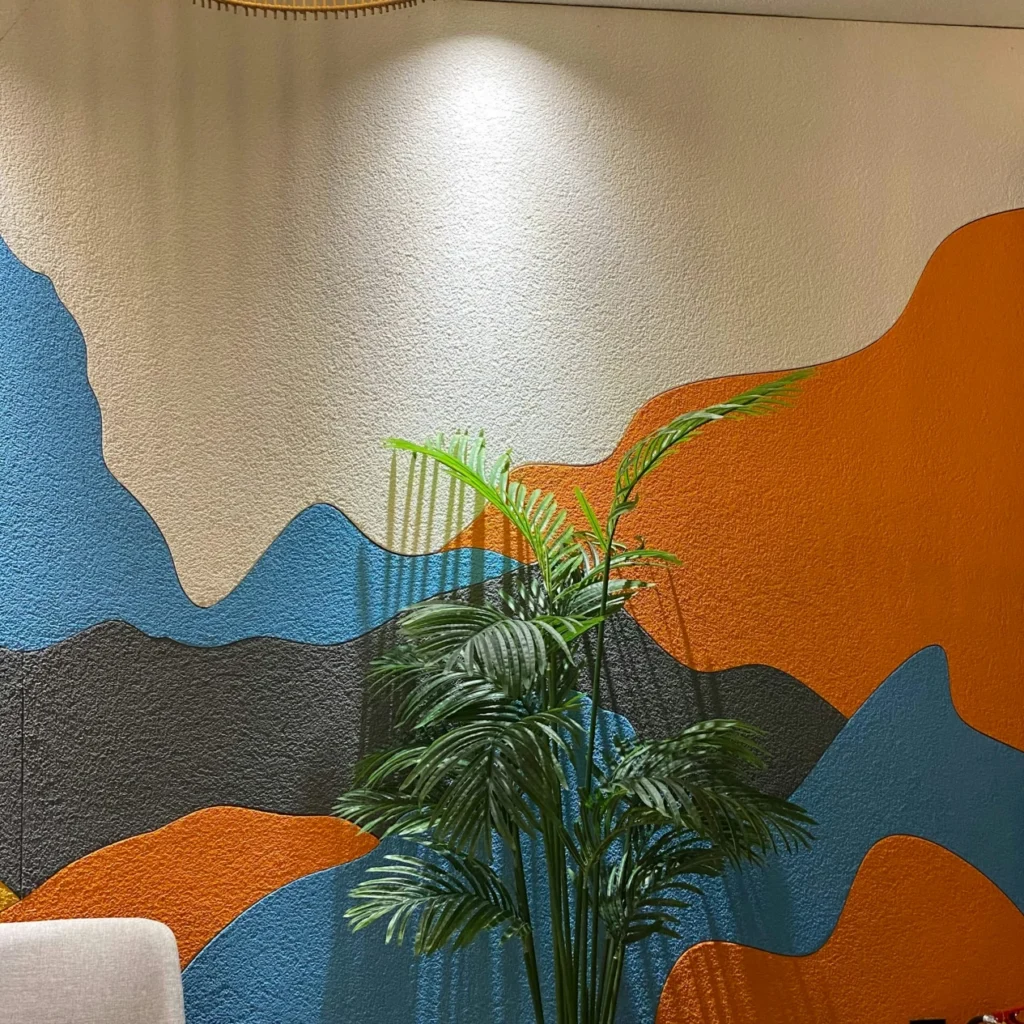
Your living space is not just physical—it is psychological.

Every object, every corner, every pathway is part of a silent dialogue between your environment and your emotional state.

When your home is chaotic, your mind absorbs that chaos.

When your home is calm, your mind learns to rest.

You don’t need a perfect house.

You need a space that quietly supports you.

Because in the end:

A good home doesn’t demand your attention—it gives you back your peace.


Same category navigation

More to read next

From reading to action

Keep thoughtful guides close as you shape a calmer home.

Save ideas for later, explore room-based guidance, or share what you would like us to write about next.

Explore Room Guides Use room-based guides when you want a calmer way to choose placement, materials, and daily-use pieces.
Share A Future Topic Tell us what spaces, objects, or topics you'd like us to explore next. We’re always open to new ideas and inspiration.
Journal Dispatch

A quiet letter for spatial living.

Receive calm notes on placement, materials, and living with more spatial clarity.