NEW JOURNAL NOTES ON SPACE, OBJECTS, AND EVERYDAY ATMOSPHERE
Visit Shop
Back to All Articles

Natural Light: The Foundation of Warm, Energetic, and Harmonious Spaces

In this article
Understanding Natural Light The Psychology of Natural Light Architectural Considerations Window Treatments Reflective Surfaces Glass and Translucent Materials Open Floor Plans Brightening Color Schemes Furniture Placement Maximizing Light in Limited Spaces Balancing Natural and Artificial Light Energy Efficiency and Comfort Conclusion: Light as Living Energy

Natural light is one of the most essential elements in creating a warm, comfortable, and energy-efficient environment. Whether you are designing a cozy living room or a modern office, natural light dramatically enhances atmosphere, improves mood, supports well-being, and elevates overall comfort.

In both contemporary interior design and traditional Feng Shui philosophy, light is more than illumination—it represents vitality, clarity, and life force. In this guide, we explore practical design strategies to maximize natural light while explaining why it plays such a vital role in creating vibrant, livable spaces.

Understanding Natural Light

Natural light can be categorized into three types:

  • Direct light– Strong, bright sunlight entering directly through windows

  • Diffused light– Softened light filtered through clouds, curtains, or translucent surfaces

  • Reflected light– Light that bounces off walls, floors, or ceilings, creating a gentle glow

The quality and intensity of natural light shift throughout the day and across seasons. Geographic location, orientation, and the sun’s position all influence how light enters a space. Understanding these patterns allows designers to optimize both energy flow and visual comfort.

In Feng Shui, natural light is closely associated with Yang energy—the active, uplifting force that balances the calming Yin qualities within a home.

The Psychology of Natural Light

Natural light has profound effects on human psychology and physiology. It regulates the circadian rhythm, influencing sleep cycles, mood stability, and cognitive performance.

Research consistently shows that exposure to daylight improves focus, reduces stress, and increases overall well-being. This aligns with biophilic design principles, which emphasize the human need for connection with nature.

From an energetic perspective, natural light helps maintain vitality within a space, preventing stagnation and supporting emotional balance.

Architectural Considerations

Maximizing natural light begins with thoughtful architectural planning.

The orientation of a building—whether windows face north, south, east, or west—determines how much sunlight a space receives throughout the day.

In the Northern Hemisphere:

  • South-facing windowsprovide the most consistent daylight.
  • Skylightsare ideal when wall space is limited.
  • Clerestory windowsallow light to enter while maintaining privacy.

In Feng Shui terms, proper orientation ensures that a home receives balanced and nourishing energy.

Window Treatments

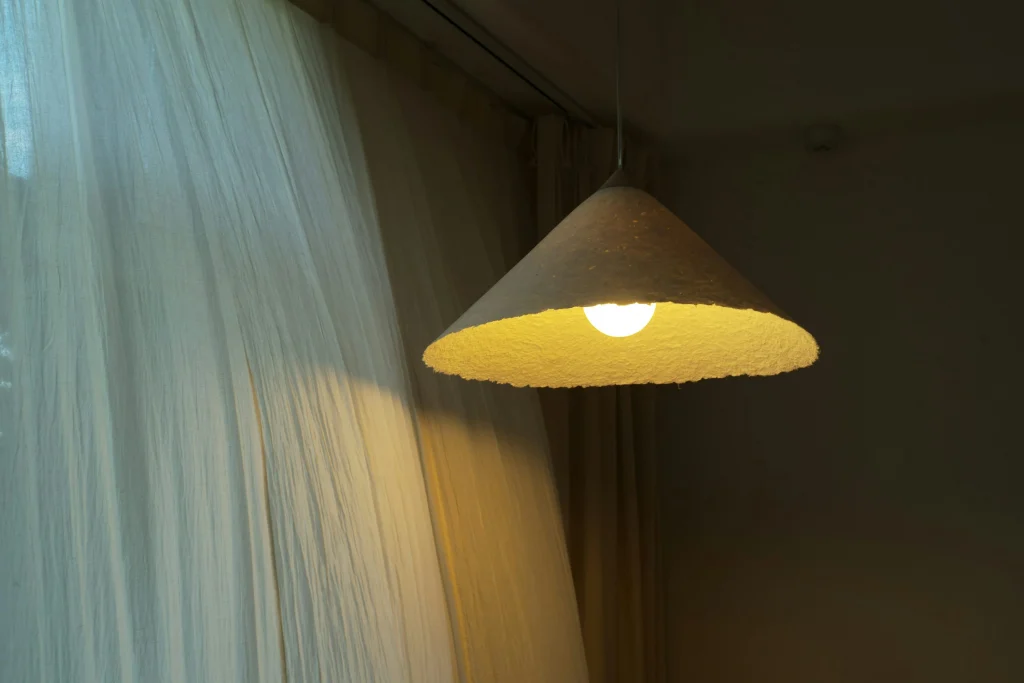
The right window treatments filter light without blocking it entirely.

  • Sheer curtains soften direct sunlight while preserving brightness.
  • Adjustable blinds allow precise control over light levels.
  • Motorized systems provide effortless regulation throughout the day.
  • Top-down shades offer privacy while still welcoming light.

Soft, diffused light encourages calmness and emotional ease.

Reflective Surfaces

Reflective surfaces enhance the distribution of natural light.

  • Mirrors can redirect sunlight into darker corners.
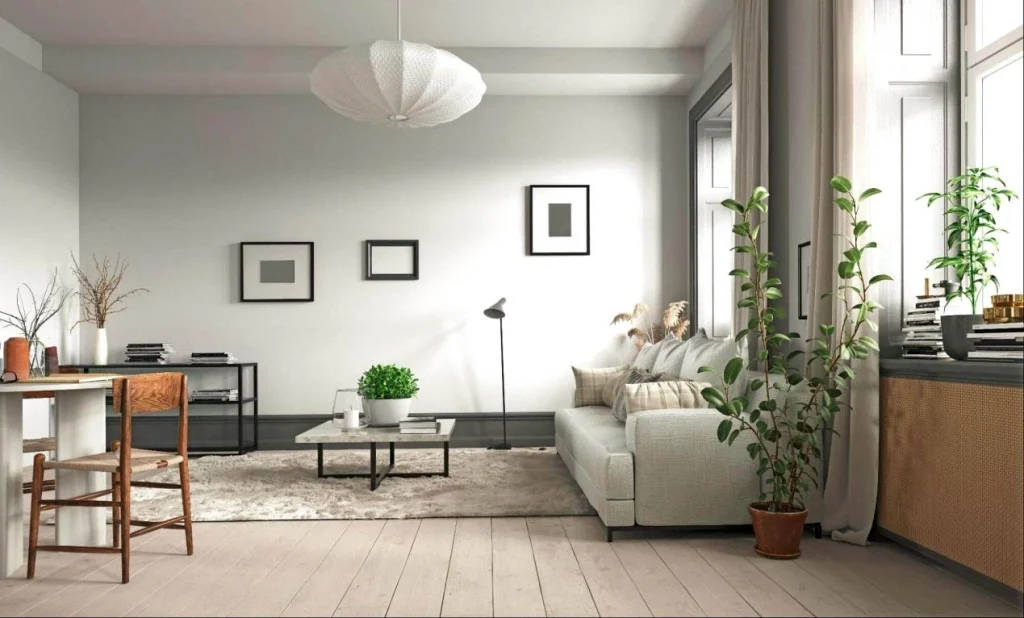
  • Light-colored walls and ceilings increase brightness.
  • Gloss finishes and metallic accents—such as silver or gold décor—add elegance while amplifying illumination.

In energy design, reflection symbolizes expansion and openness.

Glass and Translucent Materials

Interior glass walls, frosted partitions, and translucent dividers allow light to flow between rooms while maintaining a sense of privacy.

Glass backsplashes and tiles in kitchens or bathrooms can further enhance brightness and create a modern, airy aesthetic.

These materials encourage the smooth circulation of light—paralleling the smooth flow of energy.

Open Floor Plans

Open layouts allow light to travel freely across spaces. Reducing full-height walls increases brightness and creates a sense of spaciousness.

Partial partitions, columns, or translucent dividers can maintain structure without blocking light.

For those sensitive to overstimulation, subtle zoning ensures both openness and comfort.

Brightening Color Schemes

Color strongly influences how light behaves within a space.

  • Light tones such as white, beige, and soft pastels reflect more light and create an expansive feel.
  • Darker accents introduce depth and contrast.

Balanced color schemes enhance both visual harmony and emotional atmosphere. In Feng Shui, certain tones can support calmness, vitality, or creativity depending on intention.

Furniture Placement

Furniture placement can either enhance or obstruct natural light.

Avoid placing bulky items directly in front of windows. Instead, choose lighter materials or glass elements near light sources to preserve openness.

Creating reading corners or relaxation areas in naturally lit spaces encourages grounding and restoration.

Maximizing Light in Limited Spaces

Basements, north-facing rooms, or dense urban environments may have limited daylight.

To increase brightness:

  • Install light wells or solar tubes to channel sunlight indoors.
  • Use reflective finishes and light color palettes.
  • Incorporate mirrors strategically to amplify existing light.

Even subtle enhancements can significantly improve atmosphere.

Balancing Natural and Artificial Light

While natural light is ideal, artificial lighting remains essential.

Layered lighting—ambient, task, and accent—creates balanced illumination. Dimmers and smart systems allow adjustments throughout the day to complement natural rhythms.

The goal is harmony, not excess.

Energy Efficiency and Comfort

Energy-efficient solutions such as double or triple glazing and Low-E glass maximize daylight while maintaining temperature control.

These features reduce heat loss in winter and limit overheating in summer, improving comfort while lowering energy costs.

Sustainable design supports both environmental responsibility and energetic balance.

Conclusion: Light as Living Energy

Natural light is not merely decorative—it is living energy within a space.

A well-lit home feels open, uplifting, and aligned. It supports mental clarity, emotional stability, and physical well-being.

You do not need large windows or dramatic renovations. Often, small adjustments—softening curtains, rearranging furniture, choosing reflective surfaces—can transform the atmosphere.

In Feng Shui, light represents vitality.

When light flows well, life flows well.

Same category navigation

More to read next

From reading to action

Keep thoughtful guides close as you shape a calmer home.

Save ideas for later, explore room-based guidance, or share what you would like us to write about next.

Explore Room Guides Use room-based guides when you want a calmer way to choose placement, materials, and daily-use pieces.
Share A Future Topic Tell us what spaces, objects, or topics you'd like us to explore next. We’re always open to new ideas and inspiration.
Journal Dispatch

A quiet letter for spatial living.

Receive calm notes on placement, materials, and living with more spatial clarity.