NEW JOURNAL NOTES ON SPACE, OBJECTS, AND EVERYDAY ATMOSPHERE
Visit Shop
Back to All Articles

The Classical Wisdom Embedded in Chinese Architecture

In this article
Architecture as a Reflection of Civilization A Civilization Built Through Diversity The Wisdom of “Building with the Land” Symbolism and the Language of Form Harmony Between Humanity and Nature The Human Scale of Chinese Architecture A Living Architectural Philosophy

For more than three thousand years, Chinese architecture has carried not only techniques of construction, but also an entire worldview. Across mountains, deserts, river valleys, grasslands, and coastal regions, generations of builders shaped homes, temples, palaces, bridges, and cities that reflected how people understood nature, society, ritual, and life itself.

Unlike many ancient architectural traditions that were interrupted or lost, the Chinese architectural system developed continuously through dynasties, migrations, cultural exchanges, and regional adaptations. What emerged was not a single style, but a vast living civilization of building wisdom — one that balanced practicality with philosophy, craftsmanship with symbolism, and humanity with the natural world.

Today, this wisdom still offers profound lessons for contemporary living.

Architecture as a Reflection of Civilization

Chinese architecture was never merely about shelter. Buildings were understood as extensions of cosmic order, social ethics, and emotional life.

Traditional architectural culture emphasized harmony between:

  • Heaven and Earth
  • Human beings and nature
  • Family and society
  • Ritual and daily life
  • Material function and spiritual meaning

This philosophy can be seen in the planning of imperial capitals, the quiet intimacy of courtyard houses, the openness of southern bamboo dwellings, and the adaptability of nomadic tents across the grasslands.

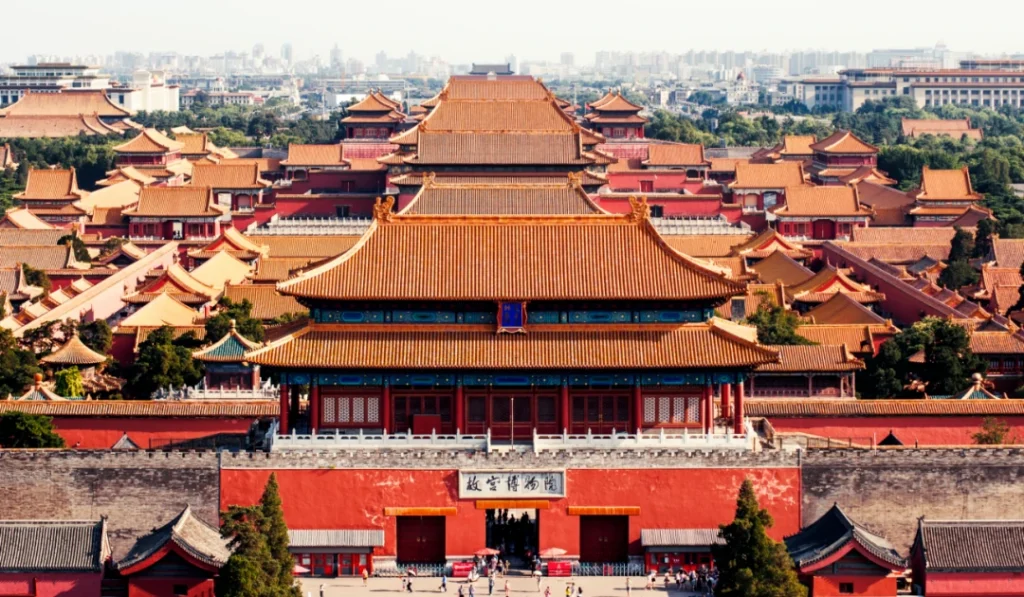
From the monumental scale of the Forbidden City to the modest warmth of rural homes, Chinese architecture pursued balance rather than domination.

A Civilization Built Through Diversity

The architectural culture of China was shaped through centuries of exchange among many ethnic groups and regions.

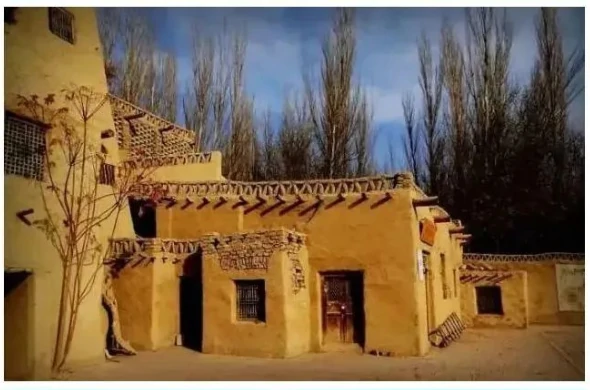
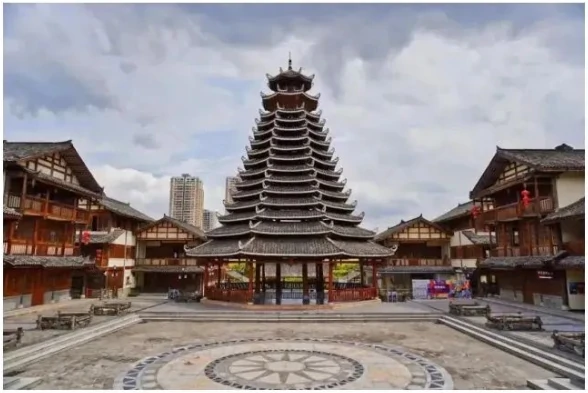
Han courtyard compounds, Tibetan stone towers, Uyghur Ayiwang houses, Mongolian yurts, Dong drum towers, Dai bamboo houses, and cave dwellings of the Loess Plateau all represent distinct responses to geography, climate, and ways of life.

Yet despite their differences, these forms share common principles:

  • respect for local materials
  • adaptation to landscape
  • spatial harmony
  • collective living
  • symbolic meaning

This coexistence of diversity and continuity is one of the defining characteristics of Chinese architecture.

The Wisdom of “Building with the Land”

One of the deepest ideas in Chinese architectural tradition is building according to the conditions of nature.

Ancient builders believed that architecture should not oppose the environment, but emerge from it naturally.

Local Materials, Local Identity

China’s vast geography produced different architectural systems based on climate and available resources.

In the north, thick earth walls and cave dwellings provided insulation against harsh winters and dry winds. In the humid south, raised wooden structures improved ventilation and protected against moisture and flooding.

Builders used what the land offered:

  • earth in the northwest
  • timber in forested regions
  • bamboo in subtropical areas
  • stone in mountainous terrain
  • grass and felt among nomadic communities

This practice created architecture deeply rooted in place.

Rather than imposing a universal style, traditional Chinese construction embraced regional identity.

Earth and Timber in Balance

Chinese architecture developed through the integration of two major traditions:

  • earth-based construction from the Yellow River region
  • timber construction from the Yangtze River basin

Over time, these systems merged into a sophisticated structural culture combining rammed earth foundations, wooden frameworks, tiled roofs, and flexible spatial layouts.

The timber frame became especially important. Unlike stone architecture that emphasized permanence through mass, Chinese wooden architecture emphasized rhythm, adaptability, proportion, and living structure.

Buildings were assembled almost like organisms — interconnected, resilient, and responsive.

Symbolism and the Language of Form

Chinese architecture is filled with symbolic thinking.

Ancient craftsmen believed that form carried meaning, and that buildings should embody invisible principles through visible structure.

“Making Objects According to Images”

An important traditional concept states:

“First comes the image, then comes the object.”

Builders observed patterns in nature and transformed them into architecture.

Examples include:

  • rooflines inspired by the wings of birds
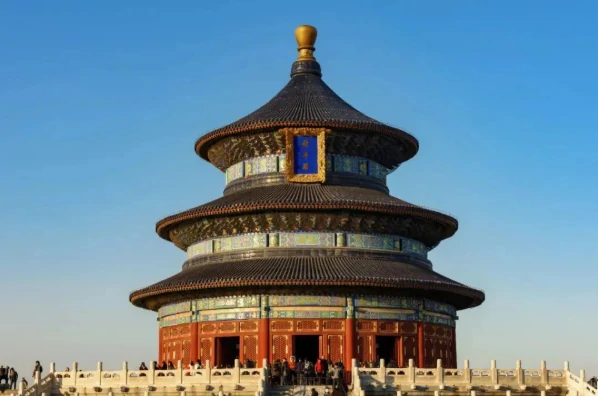
  • circular and square forms symbolizing heaven and earth
  • odd-numbered spatial divisions associated with yang energy
  • axial symmetry representing order and balance

Architecture became a language of cosmology.

The famous flying eaves of classical roofs were not only functional against rainwater — they also created the impression of upward movement and spiritual lightness.

Space as Ritual

Chinese buildings were designed through sequences rather than isolated objects.

Courtyards, gates, corridors, halls, and gardens created transitions between openness and enclosure, movement and stillness.

This spatial rhythm reflected traditional concepts of propriety, hierarchy, and emotional experience.

Even ordinary homes expressed this order:

  • the central hall symbolized family unity
  • courtyards connected human life with seasonal change
  • thresholds marked transitions between public and private realms

Architecture shaped behavior as much as it shaped space.

Harmony Between Humanity and Nature

Perhaps the most enduring idea in Chinese architectural philosophy is the unity of humanity and nature.

Rather than conquering the environment, traditional builders sought coexistence.

Living Within the Landscape

Ancient settlement practices carefully considered:

  • mountain formations
  • sunlight orientation
  • water systems
  • wind patterns
  • soil conditions

Villages and cities were positioned to work with natural energy flows instead of against them.

Chinese gardens represent the highest expression of this thinking.

Classical gardens aimed to create landscapes that felt untouched, even though they were carefully designed. Rocks, water, plants, pavilions, and pathways were composed to evoke natural harmony and emotional contemplation.

The ideal was:

“Though made by human hands, it appears born from nature.”

Sustainability Before Modern Sustainability

Long before modern environmental discourse, traditional Chinese architecture already embodied sustainable principles:

  • passive climate adaptation
  • local sourcing
  • natural ventilation
  • thermal efficiency
  • renewable materials
  • long-term repairability

Many traditional dwellings remain environmentally intelligent even by contemporary standards.

Their wisdom lies not in technological complexity, but in deep observation of natural systems.

The Human Scale of Chinese Architecture

Unlike many monumental traditions that overwhelm the individual, Chinese architecture often prioritizes human experience.

Even grand palace complexes are organized through courtyards, layered transitions, and measured spatial rhythms that maintain emotional intimacy.

Traditional spaces encourage:

  • gathering
  • reflection
  • family continuity
  • seasonal awareness
  • connection with daily life

Architecture was understood not as spectacle alone, but as a framework for living well.

A Living Architectural Philosophy

Chinese architecture is not simply a historical style preserved in museums. It is a continuous cultural philosophy shaped by thousands of years of adaptation, exchange, and craftsmanship.

Its wisdom reminds us that architecture can be:

  • rooted without being rigid
  • symbolic without losing practicality
  • diverse without losing continuity
  • grand without abandoning humanity

In an age increasingly dominated by speed, standardization, and technological excess, traditional Chinese architectural thought offers an alternative vision — one grounded in balance, restraint, ecological awareness, and meaningful living.

The true achievement of Chinese architecture is not only what it built, but the worldview it preserved:
a belief that human life flourishes best when it exists in harmony with nature, community, and time itself.


Same category navigation

More to read next

From reading to action

Keep thoughtful guides close as you shape a calmer home.

Save ideas for later, explore room-based guidance, or share what you would like us to write about next.


Explore Room Guides Use room-based guides when you want a calmer way to choose placement, materials, and daily-use pieces.
Share A Future Topic Tell us what spaces, objects, or topics you'd like us to explore next. We’re always open to new ideas and inspiration.
Journal Dispatch

A quiet letter for spatial living.

Receive calm notes on placement, materials, and living with more spatial clarity.