The Emotional Burden of “Too Much”: Rethinking Overflowing Spaces with Feng Shui Wisdom
In this article
Have you ever had one of those moments: staring at a closet bursting with clothes, a desk piled high with paperwork, or a jam-packed schedule, only to feel a sudden wave of suffocation? It feels like life is a cup filled to the brim—just one more drop, and everything will spill over into a complete mess.
This state of being “too full to fit anything else” is becoming the most hidden yet heaviest emotional burden for modern people. Today, let’s combine ancient Feng Shui wisdom with modern psychology to rethink “overflowing spaces” and explore how to leave breathing room for both our minds and our physical environments.
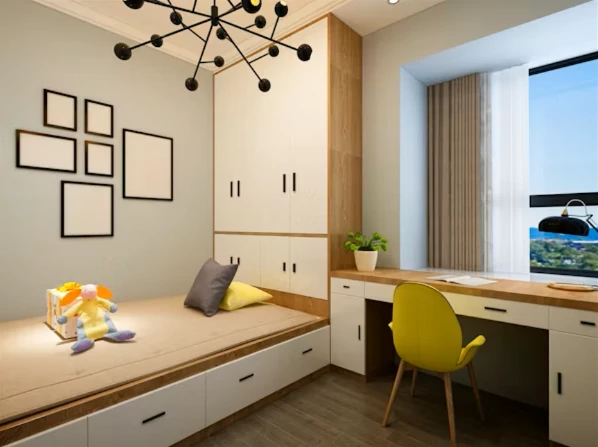
When Life “Overflows”: Why Do We Feel Squeezed?
On the journey of life, we often feel squeezed from the inside out. Whether it’s work, studies, or relationships, when everything clamors for space in our lives, a sense of powerlessness washes over us—leaving no room for new experiences or emotions. From the perspective of environmental psychology, physical clutter directly maps to psychological claustrophobia.
Feng Shui has a core concept: “Chi” (Qi), or life force energy. Chi needs to flow, circulate, and renew. When a space is jammed with clutter, or a schedule is packed with meaningless socializing, Chi stagnates, creating what is known as negative or dead energy. This isn’t just physical crowding; it’s emotional debt. We feel anxious over unfinished tasks and guilty over unused items. This “too much” is silently devouring our vitality.
Breaking the “Overflow”: 4 Rules for Negative Space in Mind and Home
Facing overflowing spaces and emotions, we need a systematic approach to clear and rebuild. Combining Feng Shui layout with psychological adjustment, here are four key steps:
1. Stop & Reflect: Start with the “Bright Hall” (Living Room)
Our busy lives make us ignore our inner voices. The first thing we must do is stop and ask ourselves: What is truly important? What am I willing to invest my energy in?
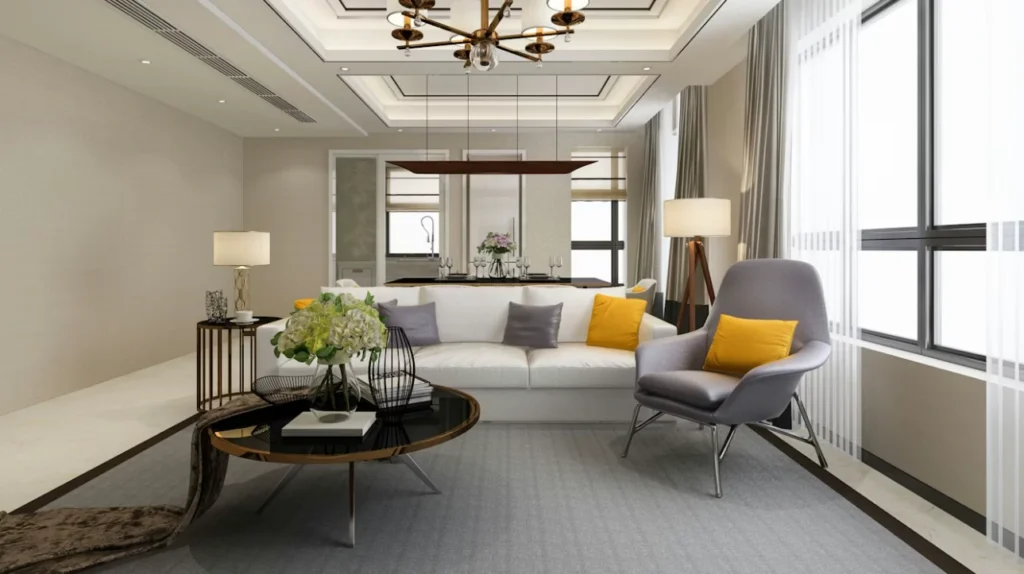
In Feng Shui, the living room is called the “Bright Hall” (Ming Tang). It’s the core area for gathering, receiving guests, and most importantly, accumulating the home’s energy. A Bright Hall values “spaciousness and brightness” because an open space gathers and holds good fortune. If your living room is bogged down with excessive furniture and clutter, not only does the airflow stagnate, but your thinking becomes restricted too.
Action Guide:
- Clear the line of sight: Remove unnecessary clutter from the center of the living room to keep the flow of movement smooth.
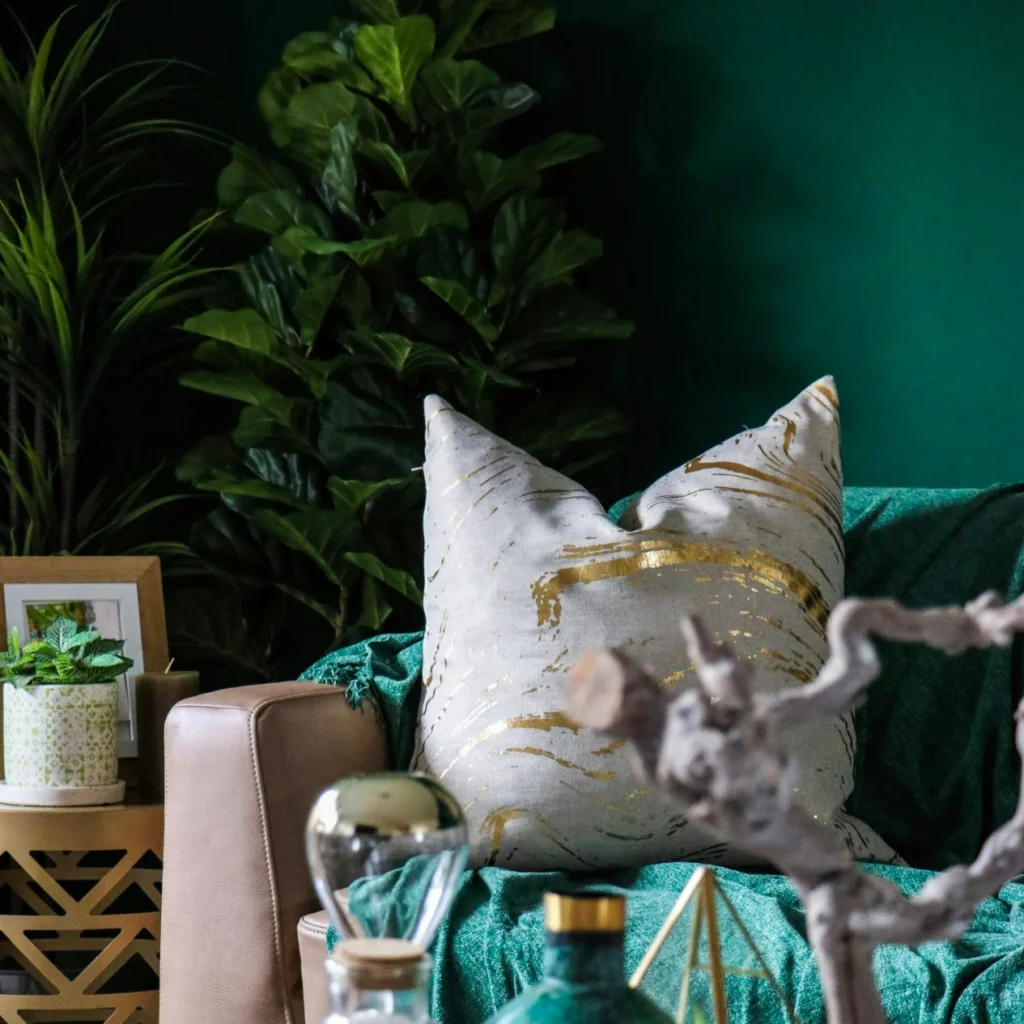
- Add vitality: Place broad-leafed green plants or a small water feature in the corner. Using natural elements breaks the dullness and injects fresh life into your living space. It improves the energy field and brings psychological inspiration.
2. Clear the “Full Cup”: Bedroom Decluttering & Saying “No”
We must learn to gradually shed unnecessary burdens. Clearing isn’t just about time; it’s about thoughts and emotions. Try communicating with friends and family so they understand your current state and can offer support.
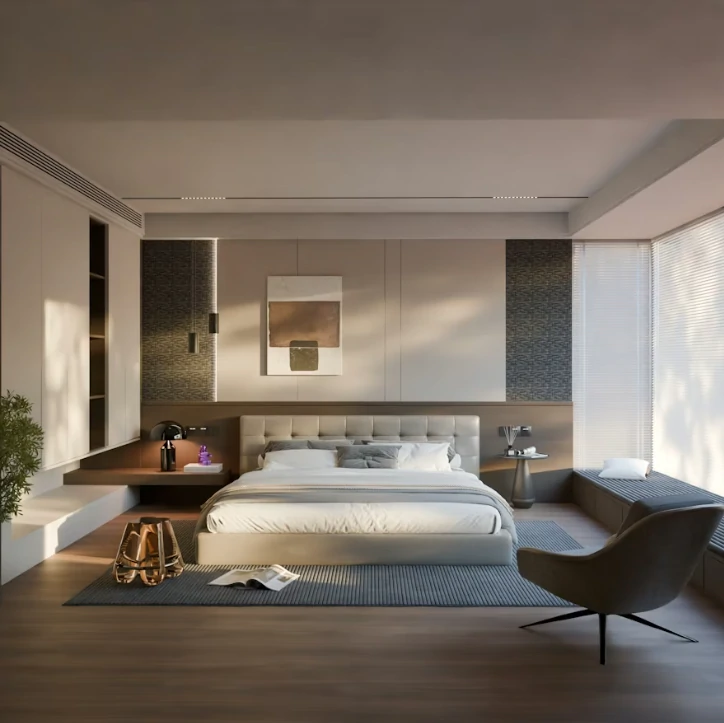
The bedroom is our private sanctuary for rest. Feng Shui demands it be “quiet and cozy,” avoiding harsh colors and complex decor. A cluttered bedroom, with old items stuffed under the bed, a headboard not against a solid wall, or a bed directly facing the door, causes energy to rush at you, creating a lack of security and disrupting sleep.
Action Guide:
- Physical decluttering: Organize your wardrobe, donate or toss clothes you haven’t worn in a year. Keep the space under the bed empty for stable energy circulation.
- Stabilize the energy: Ensure the headboard is against a wall; this symbolizes a “backing” or support system in life. Avoid the bed facing the door directly to minimize the impact of rushing energy.
- Emotional decluttering: Just like organizing your closet, organize your schedule. Cut down on pointless social events and learn to say “no” gently but firmly. Carve out time and space for yourself to make life more focused and fulfilling.
3. Find New Inspiration: The “Fire” of the Kitchen & New Hobbies
Fresh elements in life can help us break fixed thinking patterns and open new horizons. Set aside time to try painting, music, travel, or that hobby you’ve always wanted to start but never had time for.
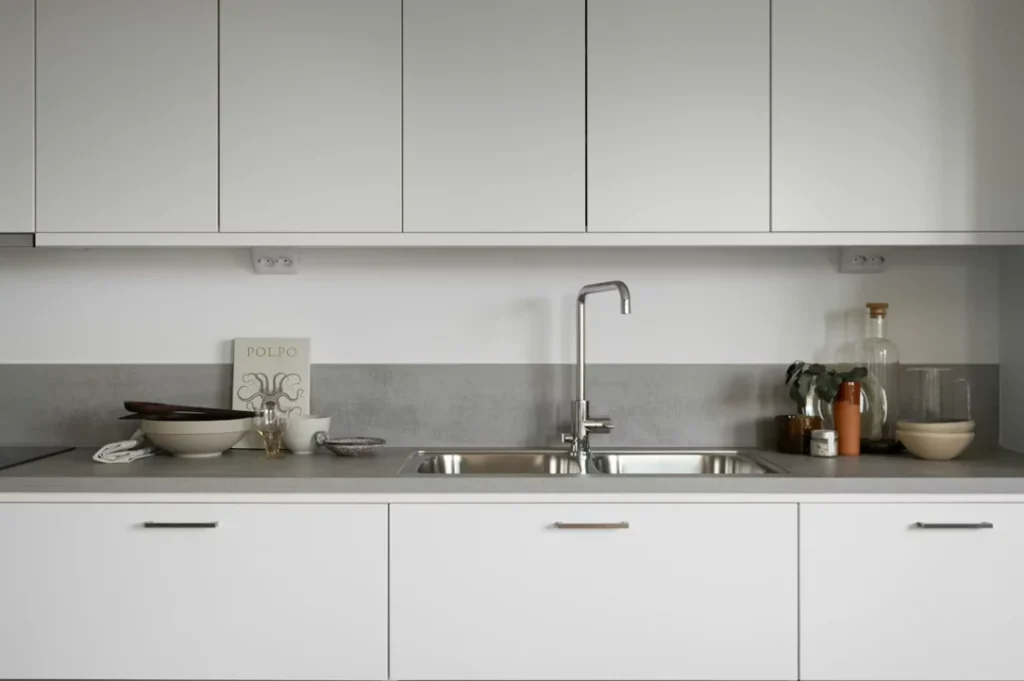
In Feng Shui’s Five Elements theory, the kitchen belongs to Fire, representing family wealth and vitality. A kitchen layered with grease and clutter not only affects health but suppresses the “fire” and passion of the home. A clean kitchen cooks food that nourishes body and soul, symbolizing abundance and family harmony.
Action Guide:
- Clear the stove: Keep the stove clean and tidy. It should ideally be positioned against a wall and not directly facing the door or window, symbolizing a grounded, not drifting, life.
- Auspicious symbolism: Place items symbolizing abundance in the kitchen (like a full jar of grains or a bowl of fresh fruits), hinting at a rich life.
- Ignite passion: Extend the ritual of cleaning the kitchen into your life. Use a newly learned recipe or a short weekend trip to add “fire” back into your routine, rediscovering momentum and inspiration.
4. Let Energy Flow: Doors/Windows as “Qi Mouths” & The Power of Community
Finally, don’t ignore the people around you. Gathering and communicating with like-minded friends, sharing experiences and feelings, provides emotional support and helps us rediscover our direction. The power of community often helps us better face feelings of being squeezed.
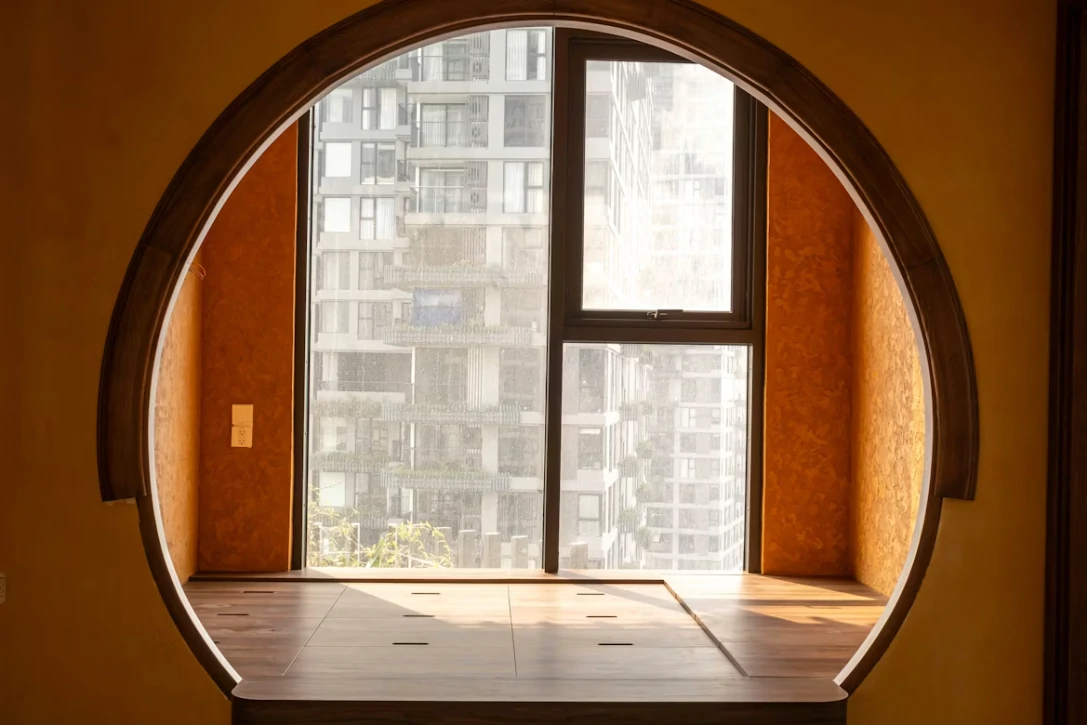
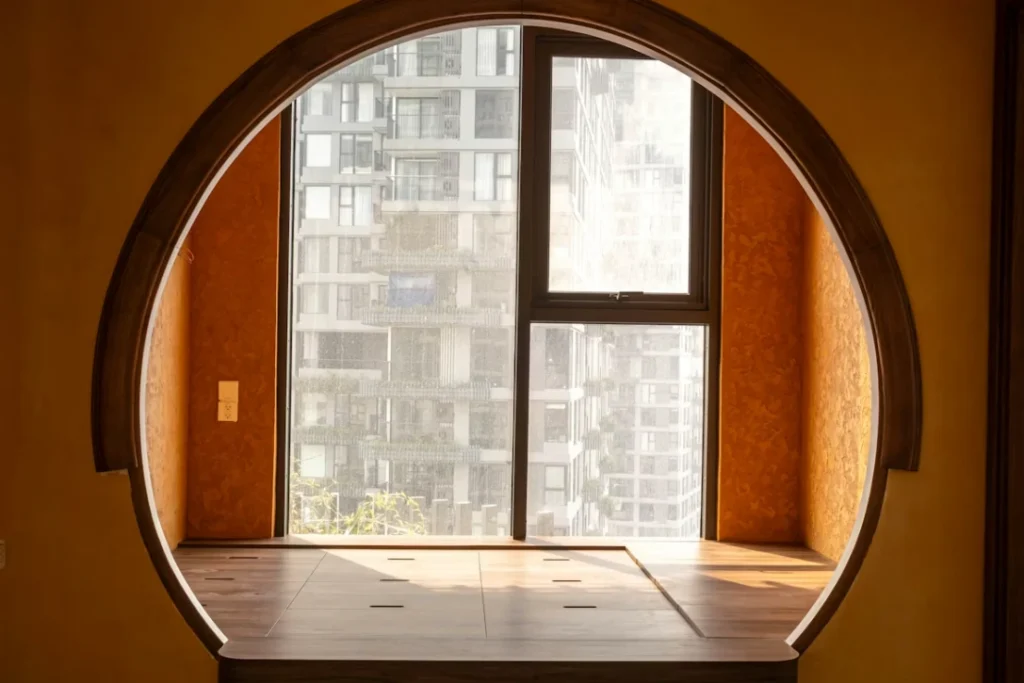
In Feng Shui, doors and windows are called the “Qi Mouths” (Chi Kou) of a home—they are the channels for releasing stale energy and taking in the new. If doors and windows are closed year-round or blocked by large objects, the interior lacks fresh air, and the energy field becomes heavy. Similarly, if a person isolates themselves and refuses to communicate, their mental space becomes stagnant water.
Action Guide:
- Open the Qi Mouths: Open windows daily for ventilation to ensure smooth airflow and good fortune. Let sunlight and fresh air flow freely.
- Color harmony: Choose appropriate colors based on the room’s function, using color frequencies to adjust the spatial energy and elevate emotional vibrations.
- Open your heart’s door: Just like opening a window, open your heart. Join a book club or a hobby group, and connect with people on the same frequency. Let external positive energy flow into your life through the “Qi Mouths” of human interaction.
Conclusion: Negative Space is for Better Blooming
The emotional burden of “too much” is essentially a loss of boundaries in our physical and psychological spaces. The ultimate principle of Feng Shui is “harmonious coexistence between humans and their environment.” It’s not superstitious dogma, but a profound insight into natural laws and human psychology.
Next time you feel “too full to breathe,” look at your room and examine your heart. Clear away the items and relationships that no longer serve you. Open the windows. Leave some blank space. Remember, a cup is useful because of its emptiness. The art of life lies in knowing when to empty out, so you can gracefully bloom.
Ready to redesign your living space? Starting today, discard one useless item a day, say no to one meaningless social event, and feel the freedom that comes with “negative space”!