Unveiling the Psychology of Entryways and Door Design
The Psychology of Entryways: How Door Design Shapes the Feeling of Home
A door is more than a functional object.
It is the first conversation between you and your home.
Before we notice furniture, colours, or décor, we pass through an entryway. This small moment — opening a door, stepping inside — quietly sets the emotional tone for everything that follows. The design of an entrance can influence mood, comfort, and even how connected we feel to the space we live in.
Let’s take a closer look at why entryways matter more than we think.
First Impressions Begin at the Door
Your front door is the first visual and emotional cue — for guests and for yourself. A thoughtfully designed entrance can create an instant sense of warmth and welcome. It doesn’t need to be extravagant. Sometimes a fresh coat of paint, subtle detailing, or a style that reflects your personality is enough to change the entire mood.
A beautiful entrance doesn’t just impress visitors.
It changes how you feel every time you return home.
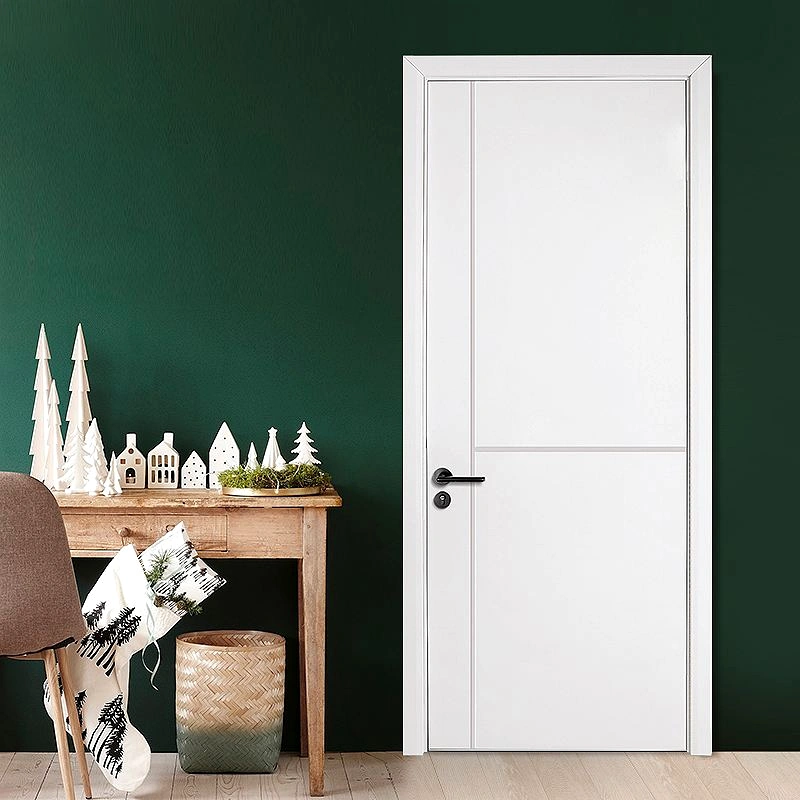
Door Styles and the Feeling They Create
Different door materials and styles naturally evoke different emotions:
- Modern, Minimal Doors – Clean lines and simple forms often feel calm, orderly, and contemporary.
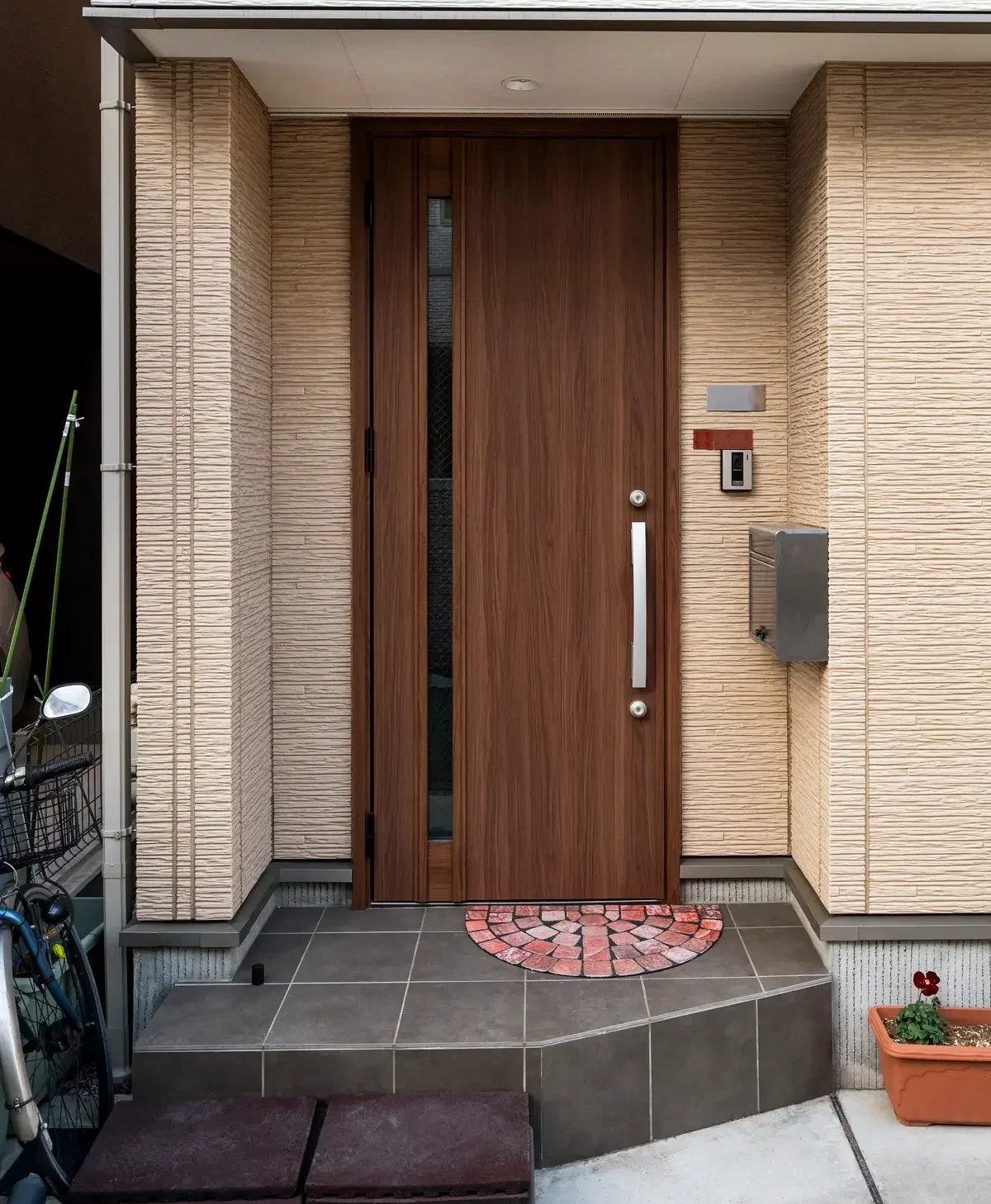
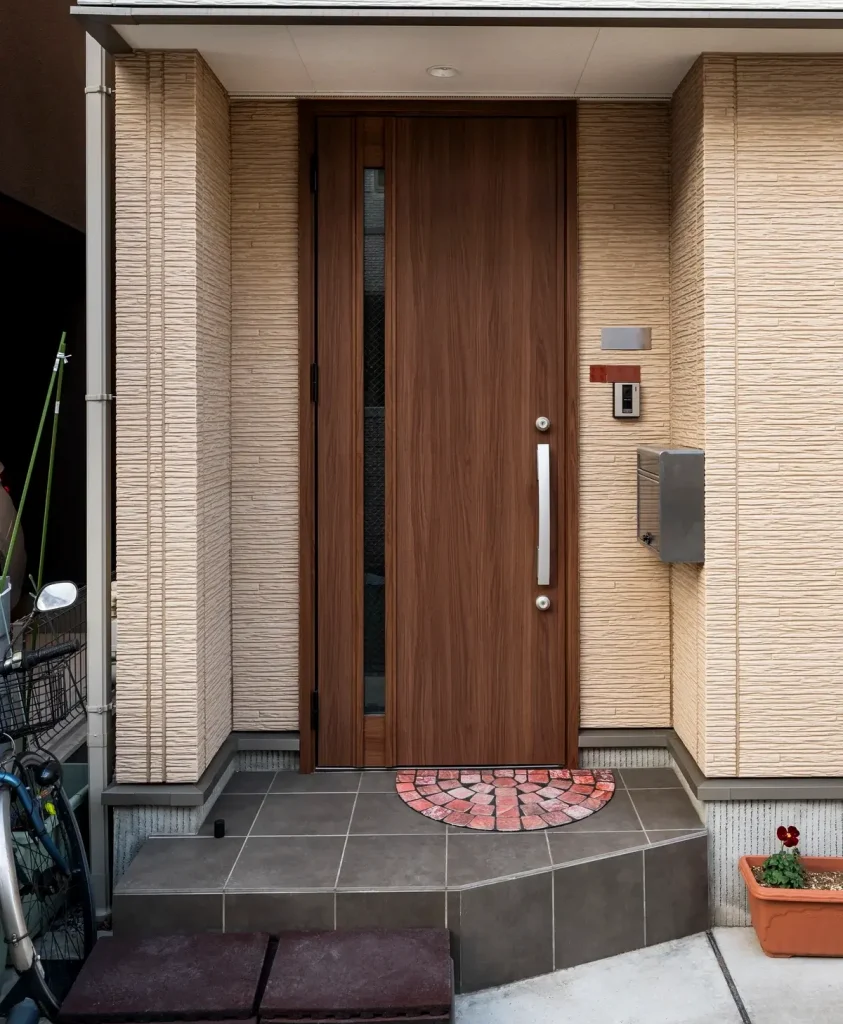
- Wooden Doors– Natural textures bring warmth and a sense of comfort, making a home feel grounded and inviting.
- Glass or Frosted Doors– These create openness and allow light to pass through, connecting indoor and outdoor environments.
There is no universal “best” choice — only what aligns with the atmosphere you want your home to express.
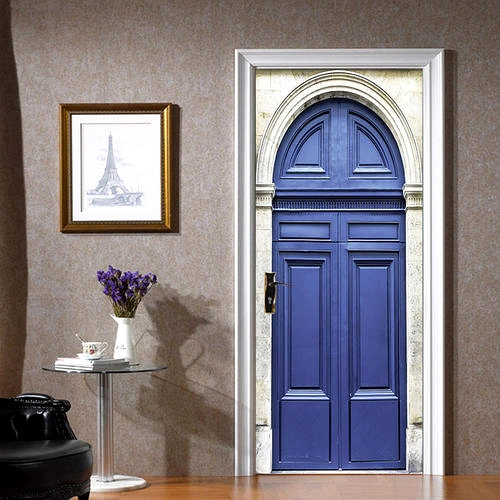
Colour and Emotional Impact
Colour is one of the most immediate psychological signals in design. Even subtle shifts can change how an entrance feels.
- Red – Energetic, bold, and welcoming. It creates warmth and confidence.
- Blue – Calm and serene. Ideal for creating a peaceful, stable impression.
- Yellow – Bright and optimistic. It adds cheerfulness and positivity to the entryway.
The key isn’t intensity — it’s intention. A colour should feel natural to you, not overwhelming.
Personal Touches Build Emotional Connection
Entryways are also an opportunity for storytelling. Small personalised details create familiarity and emotional attachment:
- A custom doormat or house number
- Family initials or meaningful symbols
- Plants or fresh flowers that bring life and movement
These elements don’t just decorate the space — they make it feel lived-in and uniquely yours.
Lighting: The Invisible Mood Setter
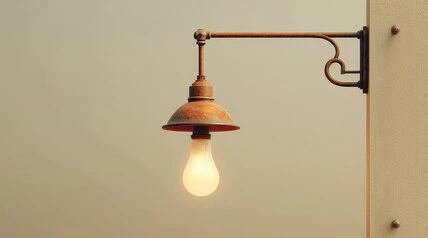
Lighting often goes unnoticed until it feels wrong. A harsh overhead bulb can make an entrance feel cold, while warm, layered lighting creates softness and comfort.
If possible, allow natural light to enter through side windows or glass panels. In the evening, warm-toned fixtures or wall sconces can gently guide the transition from outside brightness to indoor calm.
Light doesn’t only help us see — it helps us arrive emotionally.
Security and Peace of Mind
A door also represents protection. Heavier, solid doors tend to create a stronger sense of safety and privacy, while partial glass elements can balance openness with reassurance. When we feel secure, we relax more easily — and that feeling starts right at the entrance.
Entryways as Emotional Transitions
Perhaps the most overlooked role of an entryway is its psychological function. It is the space where we shift from the outside world into our private one. A well-designed entrance acts like a gentle pause — a moment to leave stress behind and step into comfort.
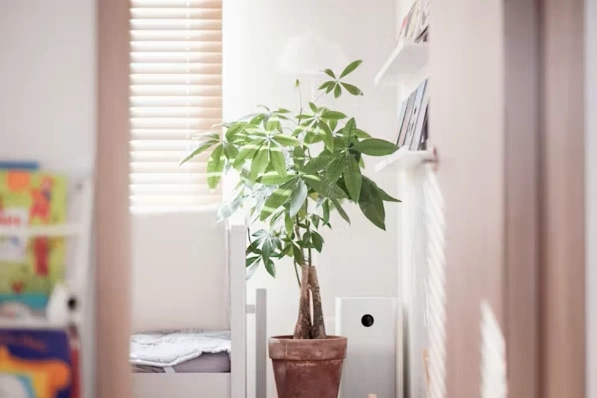
This transition can be supported through simple design choices: a small bench, soft lighting, a plant, or a calm colour palette. These details quietly signal that you’ve moved from “outside mode” into “home mode.”
A Doorway Is More Than an Opening
In the end, an entryway is not just an architectural feature.
It is an emotional threshold.
When designed with care, it sets the tone for balance, calm, and belonging before we even take our shoes off. The doorway becomes less about entering a building and more about entering a feeling — one that welcomes, protects, and gently reminds us that we are home.