When Space Gets Too Full, the Mind Gets Noisy
What feng shui can teach us about modern clutter habits
A lot of people think clutter is just a storage problem.
You bought too much. Your shelves are too small. Your apartment has bad closets. End of story.
But anyone who has ever walked into an overfilled room and immediately felt tired knows it is not that simple.
Sometimes the room is not just full of objects.
It is full of unfinished decisions, delayed emotions, and low-grade mental noise.
Traditional feng shui would say the space is too blocked for qi to move well. Modern environmental psychology would say the built environment shapes how we think, feel, and function. Different language, very similar idea: when a space gets too crowded, people often do too.
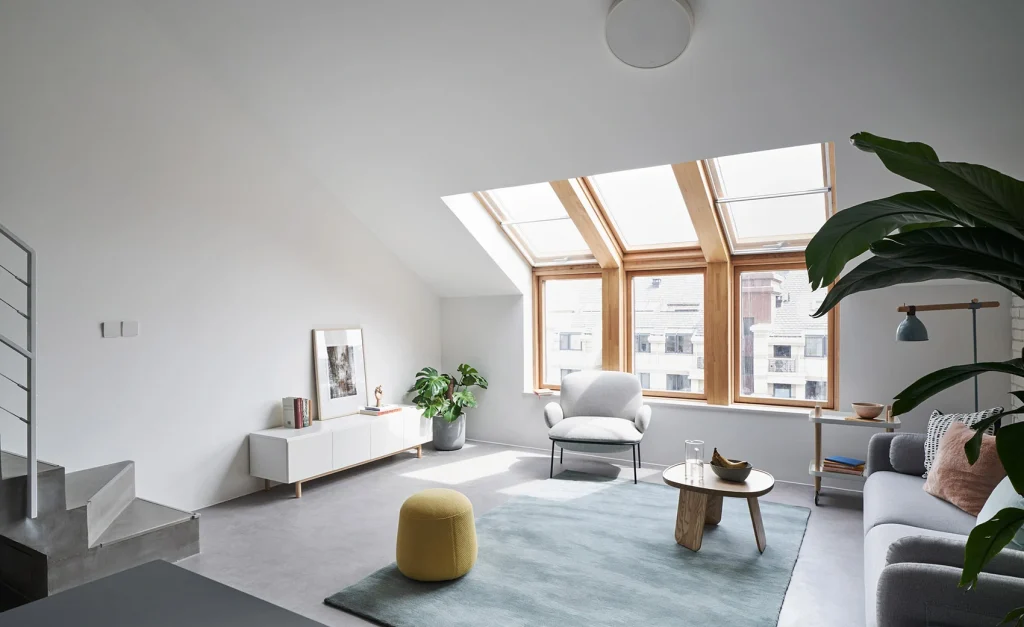
Why clutter feels heavier than it looks
Most people do not wake up and think, Today I would like to live inside visual pressure.
It happens slowly.
A chair becomes a drop zone.
A corner becomes “temporary” storage.
The coffee table becomes a small museum of half-finished life.
Then one day the room is still technically usable, but it never quite lets you relax.
This is where feng shui is surprisingly practical. It pays close attention to flow: how you enter a room, how you move through it, what interrupts the eye, and whether the space feels open enough to support life instead of quietly resisting it. In feng shui terms, too much blockage means poor flow. In plain English, it means the room keeps asking your brain to work.
Research helps explain why. Visual clutter competes for attention, and when too many things are present in the visual field at once, they compete for neural representation. That makes it harder to focus and more mentally tiring over time. So yes, that overloaded sideboard may be decorating your room, but it may also be quietly exhausting you.
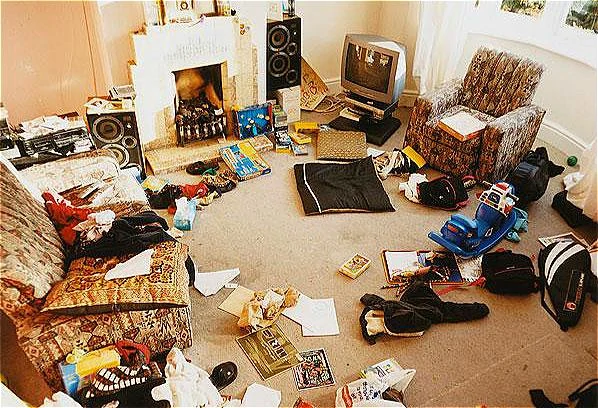
Feng shui is not really about “more stuff”
One of the biggest misunderstandings about feng shui is that it is mainly about adding things.
A mirror here.
A crystal there.
A lucky object in the corner.
A special cure for every life problem.
But traditional feng shui is not just about what you add. It is also about what you remove.
A room that is too crowded, too blocked, or too visually noisy is rarely helped by adding even more objects. The first move is often subtraction: open the pathway, clear the surfaces, let the room breathe.
That is why feng shui often overlaps with a very modern truth: a good space is not the one with the most things in it. It is the one that lets you settle.
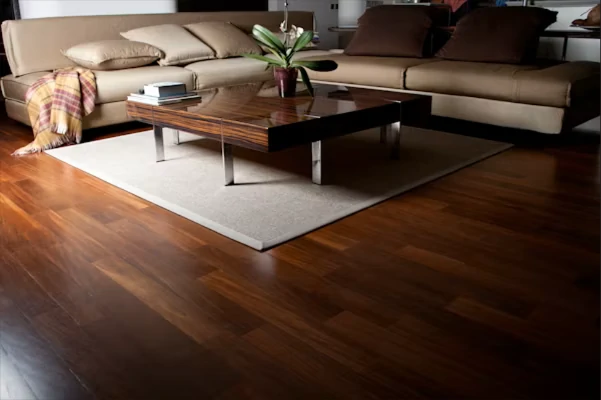
When clutter becomes emotional
Here is where things get more interesting.
People do not only keep objects because they are useful. They also keep them because objects can hold memory, identity, guilt, fantasy, and comfort.
That sweater is not just a sweater.
It is the version of you who might wear it someday.
That stack of magazines is not just paper.
It is the version of you who will eventually have time to read them.
That random drawer of cables is not just junk.
It is protection against making the wrong decision and needing something later.
This is why clutter can feel emotionally sticky. It is often less about the object and more about what letting go of it seems to mean. The American Psychological Association notes that clutter and hoarding are tied to psychology, and that severe hoarding can become a genuine mental health condition rather than a simple organizational issue.
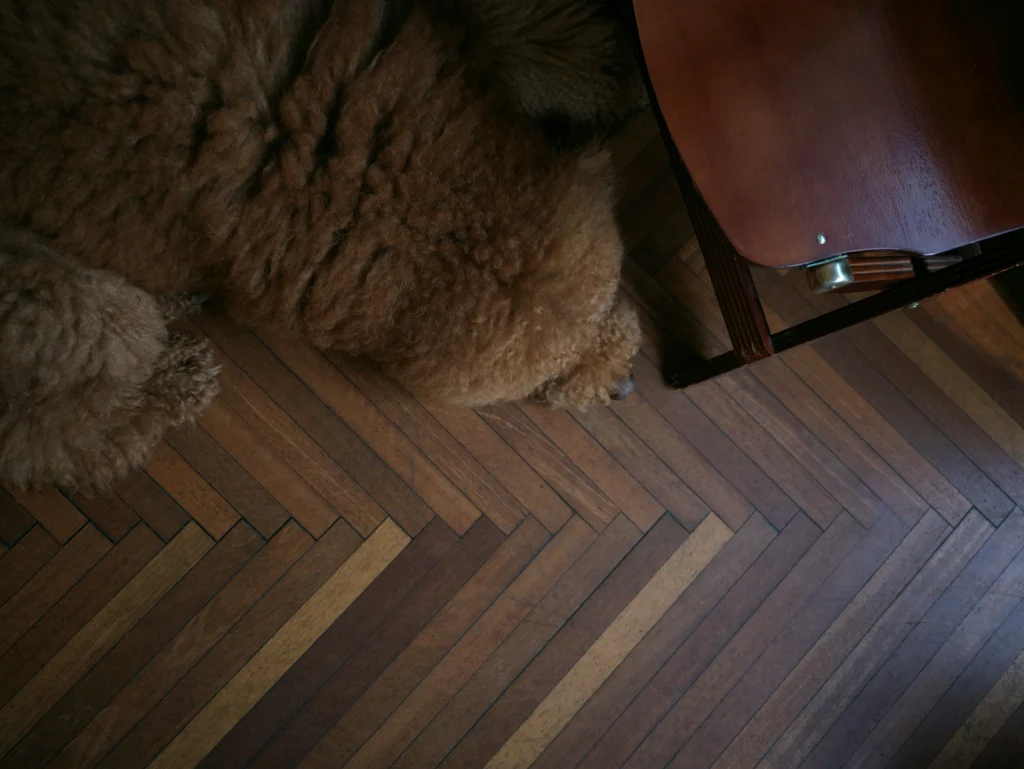
Everyday clutter is not always clinical hoarding
It is worth saying this clearly: having a crowded closet does not automatically mean someone has hoarding disorder.
Clinical hoarding is a recognized mental health condition that involves persistent difficulty discarding possessions, distress, and impairment. That is different from everyday modern accumulation, which is much more common and much less severe. Still, the two can overlap in one important way: both can make the home feel emotionally harder to live in.
So the useful question is not, Am I a hoarder?
It is more like: Is my space supporting me, or is it quietly overwhelming me?
That question is gentler, and usually more helpful.
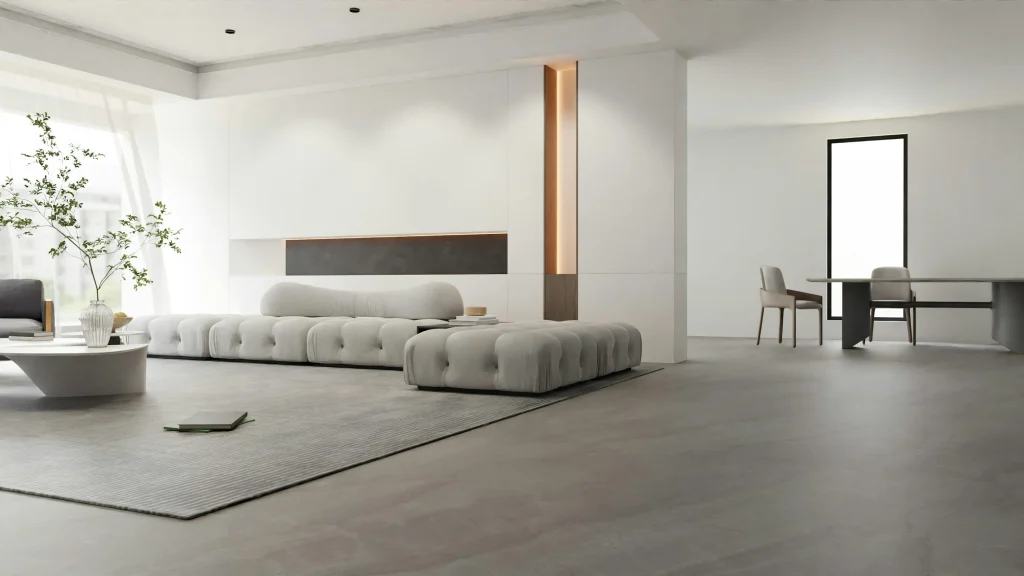
The modern version of feng shui might just be this: less friction
If you strip away the mystery, one very modern reading of feng shui is simple:
A good space reduces friction.
It should be easier to walk through, easier to rest in, easier to read visually, and easier to return to at the end of the day.
That is why clutter feels so draining. It adds friction to everything.
You do not just walk across the room. You navigate.
You do not just sit down. You negotiate with the pile on the chair.
You do not just relax. You keep noticing what you still need to deal with.
No wonder your thoughts feel crowded.
A final thought
Modern life makes accumulation easy.
Online shopping is easy.
Saving things “just in case” is easy.
Building a home full of deferred decisions is very easy.
What is harder is leaving enough room for yourself inside your own life.
That is where feng shui still has something useful to say.
Not because every object has magical power.
But because rooms affect people, and flow matters.
When space gets too full, the mind often follows.
And sometimes the first step out of a mental dead end is not a new planner, a new candle, or a new storage box.
Sometimes it is just this:
take one thing away,
clear one path,
and let the room breathe again.