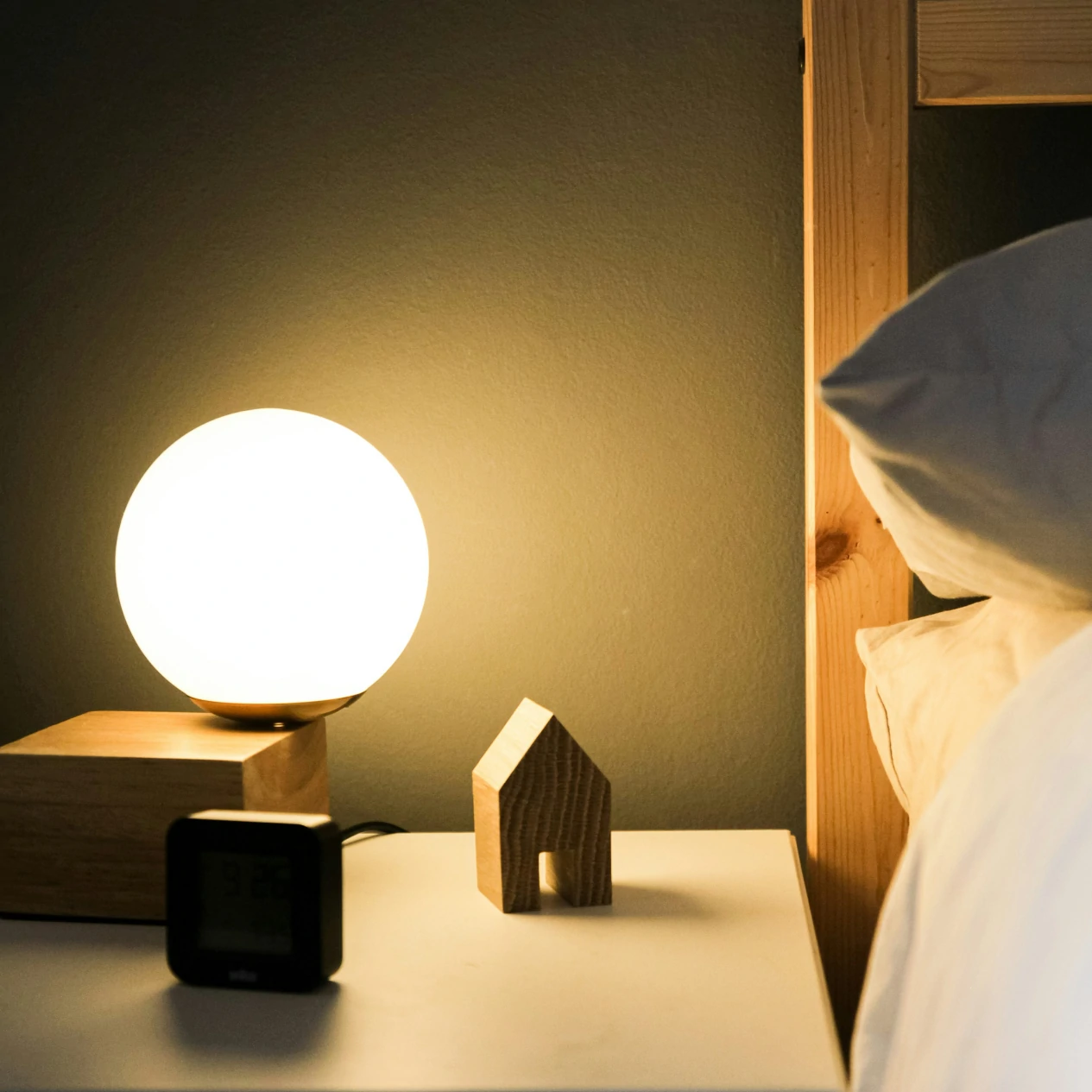
Why a Bed Feels Better Against a Solid Wall
A simple feng shui rule with surprisingly practical logic
If you have ever heard the advice that the head of the bed should rest against a solid wall, you are not alone.
It is one of the most common ideas in feng shui, and it tends to show up in almost every conversation about bedroom layout. In feng shui terms, the home is arranged in harmony with the flow of qi, and the bed is one of the most important pieces in that whole picture. But even if you are not especially into feng shui, this rule is still easy to understand from a practical point of view: a bed usually feels better when it has something solid behind it.

1. It often makes people feel safer
The most immediate reason is simple: a solid wall tends to create a stronger sense of support.
Sleep is one of the most physically and psychologically vulnerable parts of the day. When the head of the bed is backed by a wall, many people feel more protected and more settled. There is less of a sense of exposure, and the whole setup can feel more grounded. That feeling matters, because a sleep-friendly bedroom is not just about the mattress—it is also about whether the room feels calm, comfortable, and supportive. The Sleep Foundation notes that people generally sleep better when the bedroom is optimized for comfort, light, noise, and overall relaxation.
In everyday life, this also makes intuitive sense. If your bed is positioned in a way that feels exposed, unstable, or visually unsettled, your body may not fully relax even when you are tired. A wall behind the bed does not magically fix all sleep issues, of course—but it often helps the room feel quieter and more anchored.
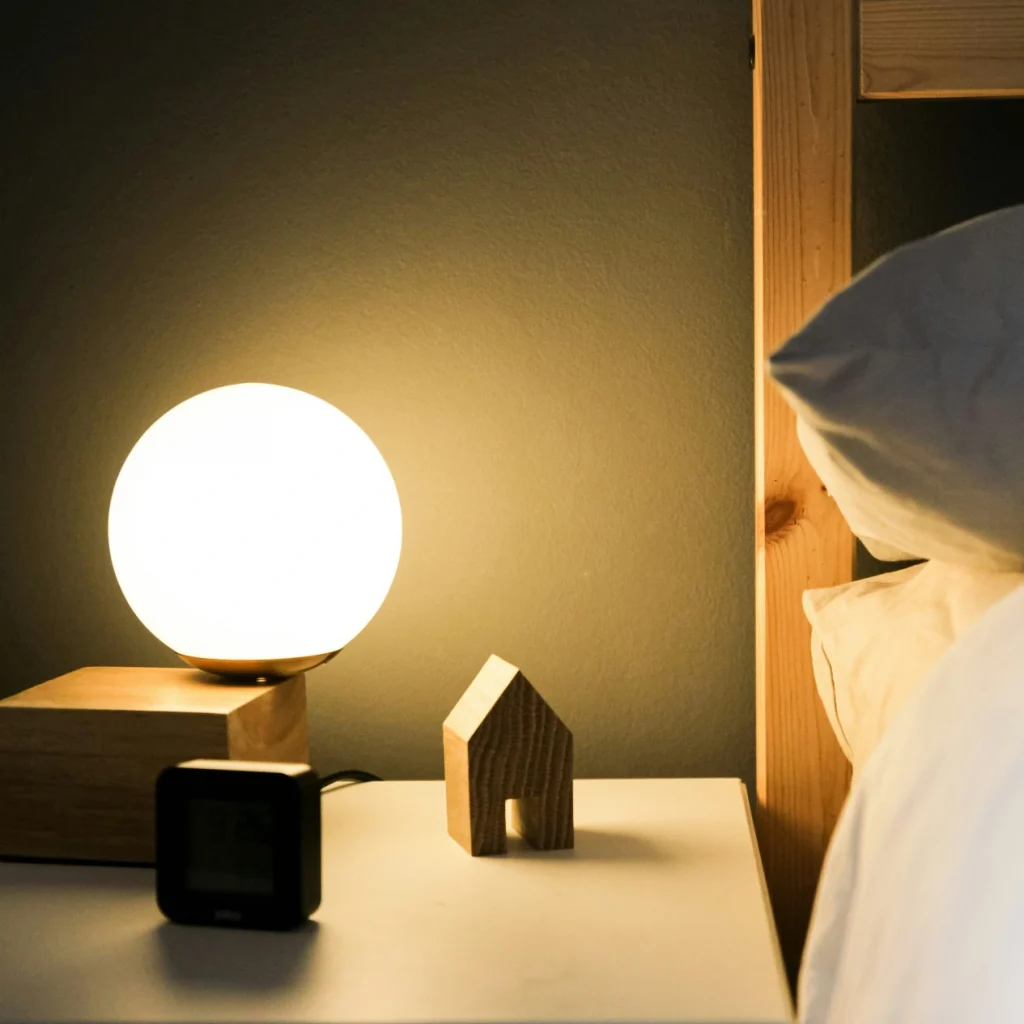
2. In feng shui, it is associated with support and stability
From a feng shui point of view, a bed against a solid wall is usually seen as a basic sign of support, stability, and a more settled flow of qi. The idea is not just about furniture placement for the sake of appearance. It reflects a broader preference for spaces that feel backed, protected, and less exposed. In traditional feng shui language, that kind of setup is often linked to a calmer home atmosphere and a stronger sense of security.
From a modern point of view, it is helpful to interpret this a little more lightly. There is no strong scientific body of evidence proving that a bed against a solid wall directly improves luck, wealth, or career outcomes. But there is a reasonable psychological logic behind why many people still prefer this arrangement: it feels stable. And for people who care about symbolic comfort, that stability can be meaningful in itself. A room that feels emotionally supportive is often a room people rest better in.

3. It usually works better in real life
There is also a very practical reason this layout is so common: it tends to make the room easier to use.
When the bed sits against a wall, it is often easier to organize the rest of the bedroom around it. You can place side tables more naturally, keep circulation clearer, and make better use of the remaining floor space. The room usually feels more intentional and less awkward. That matters, because a bedroom works best when it is not only beautiful, but also easy to move through and easy to live in.
There is also a sleep-quality angle here. Bedrooms that feel comfortable, quiet, and visually settled are more likely to support rest. Research on the physical home environment and sleep has found that poorer home environments are associated with worse sleep patterns and lower sleep quality. That does not mean “wall equals perfect sleep,” but it does suggest that the physical setup of a room is not trivial.

Final thought
At the end of the day, the best bedroom layout is the one that helps you feel calm, supported, and able to sleep well.
A bed against a solid wall is not magic. But it often works because it combines emotional comfort, practical layout, and the kind of visual stability that both feng shui and modern sleep advice value in different ways. The Sleep Foundation emphasizes that a relaxing bedroom environment supports better sleep, and feng shui has been saying something similar in its own language for a very long time.
So if you are adjusting your bedroom and wondering where to start, this is not a bad place:
give your bed something solid behind it, and see how the room feels.