The Impact of Plants on Mental Health and Productivity
In busy modern life, it’s easy to underestimate how much our surroundings influence our mood and focus. One of the simplest — and most natural — ways to improve both is by adding plants to our living or working spaces. A small touch of greenery can quietly shift the atmosphere from tense to calm, from dull to refreshing.
Why Plants Make Us Feel Better
Less Stress, More Calm
Research consistently shows that being around plants can help lower stress levels. Even small interactions — watering a plant, trimming leaves, or simply noticing new growth — can create a sense of calm. Caring for greenery gives us a gentle pause in the day and a small feeling of responsibility and connection to nature.
Better Mood
Green spaces and indoor plants are often linked to improved emotional wellbeing. Offices and homes with greenery tend to feel warmer and more welcoming. Plants also provide a natural visual break from screens, helping the mind reset and reducing negative thought cycles.
Natural elements can support concentration. Studies have found that people often perform better on attention-based tasks after spending time around nature or greenery. In a workspace, even one small plant can soften visual fatigue and help the brain stay engaged for longer periods.
A Boost of Creativity
Plants don’t just calm the mind — they can also stimulate it. Environments with greenery are often described as more inspiring and less rigid, which can encourage fresh thinking and creative problem-solving.
Easy Ways to Add Plants to Your Space
You don’t need a full indoor jungle to feel the benefits. A few thoughtful additions can already make a difference.
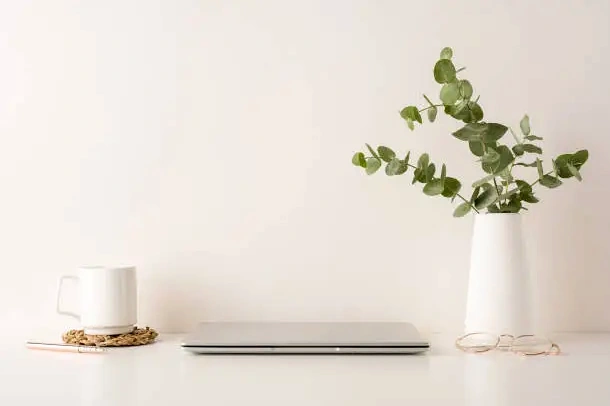
Small, low-maintenance plants like succulents or snake plants are perfect for workspaces. They take up little room but add life and color to a desk.
Herb Corners
Growing herbs such as mint, basil, or rosemary brings greenery and practicality together. They’re easy to maintain and add a pleasant scent to kitchens or balconies.
Indoor Statement Plants
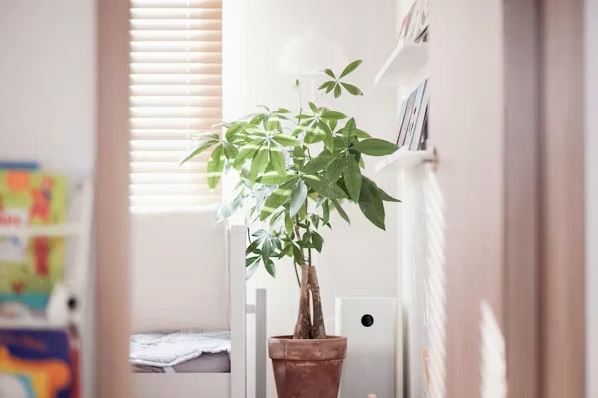
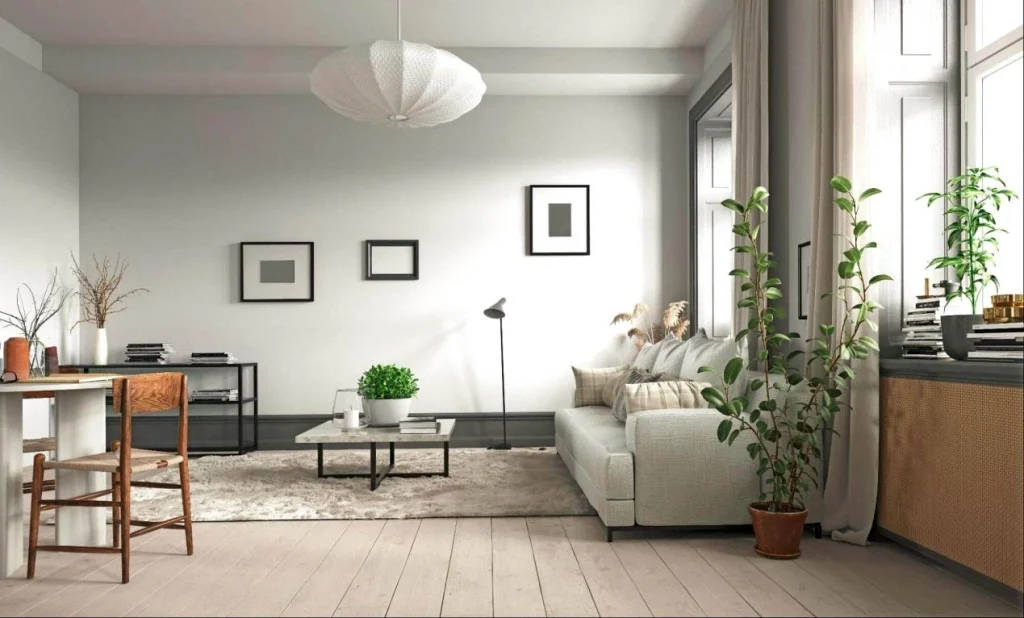
Larger plants — like rubber plants or fiddle-leaf figs — can transform a room instantly, making it feel more vibrant and welcoming.
Nature-Inspired Décor
If live plants aren’t practical, artwork or photography featuring landscapes and greenery can still introduce a sense of calm and openness.
Simple Tips for Getting Started
Start Small: Choose easy-care plants if you’re new to plant care.
Create a Routine: Watering once or twice a week can become a relaxing ritual.
Mix Sizes: Combine a small desk plant with a larger floor plant for balance.
Bring the Outside In: Position plants near windows where they can receive natural light.
Spend Time Outdoors: Visits to parks or gardens can amplify the same mental benefits.
A Small Change With Lasting Impact
Plants don’t demand much, yet they give a lot in return.
They soften spaces, improve mood, support focus, and add a quiet sense of life to everyday environments. Whether it’s a single pot on a desk or a leafy corner in the living room, greenery reminds us to slow down, breathe, and reconnect — even during the busiest days.