Modern Feng Shui: Simple Ways to Create a Happier, Healthier Space
Modern Feng Shui isn’t about superstition or strict rules.
At its heart, it’s about using space more thoughtfully — no matter how small the room is, whether you rent or own, or how unusual the layout might be.
The term Feng Shui literally means “wind and water,” originally referring to the ideal placement of ancient cities — near rivers, backed by hills, safe from floods. Today, the same principles are used in a practical way to improve everyday interiors and create better flow in any room.
You don’t need mountains or rivers.
You just need awareness of how your environment affects how you feel.
A balanced, beautiful space doesn’t guarantee wealth or success — just like attending a good school doesn’t guarantee a perfect career. But it creates supportive conditions, and those conditions influence mood, clarity, and wellbeing. And mood often shapes outcomes more than we realize.
Below are eight simple, modern Feng Shui ideas you can easily adapt at home.
The Entrance: First Energy In
Your main door sets the emotional tone of your home — for guests and for yourself.
It doesn’t have to be the original front door; it’s the one you use most often.
Keep the entrance clean and visible.
Add plants or a small pathway if it faces a side alley.
Choose solid doors for a sense of safety.
Let the door open inward to invite flow.
Avoid stepping on symbols you admire (like logo doormats).
Color can also influence mood: darker tones for north-facing doors, warmer tones for sunny south-facing ones.

Hallways & Transitional Spaces
Hallways shouldn’t feel like leftover space — they guide energy and movement.
Use lighting or artwork to soften long corridors.
Place mirrors on side walls to widen the feel, but avoid mirrors at the very end.
Keep clutter minimal.
If the entrance opens directly into a living room, a screen or console table can create a gentle transition.
Think of these areas as emotional “pause points” between outside life and home comfort.

The Living Room: A Place to Gather
This is the social heart of the home, so comfort and connection matter most.
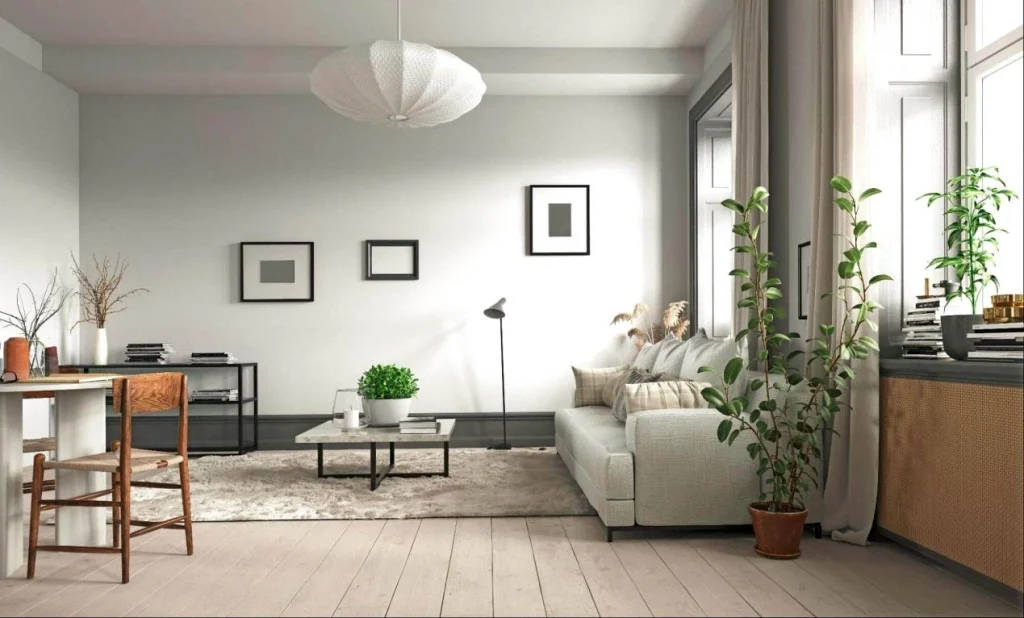
Position the main sofa with a wall behind it and a clear view of the entrance.
Arrange seating to face each other to encourage conversation.
Use a coffee table or side table as a visual anchor.
Avoid placing the TV too high or making it the room’s main focus.
Layer lighting instead of relying on a single overhead light.
Plants, art, and mirrors are welcome — just reflect pleasant views, not the door.

The Bedroom: A Restful Retreat
The bedroom should feel like a sanctuary, not a workspace.
Place the bed against a solid wall with a headboard.
Keep electronics to a minimum.
Use soft, calming colors and gentle lighting.
Avoid heavy objects or shelves directly above the bed.
If possible, avoid pointing your feet directly at the door; if unavoidable, place a bench or cabinet at the foot of the bed.
The goal is psychological safety and calm, not rigid perfection.

Kitchen & Bathroom Balance
These functional rooms still influence daily mood.
Kitchen Tips:
Avoid placing the stove and sink directly side by side if possible.
Hide knives and trash bins to reduce visual tension.
Use rounded furniture or plants to soften sharp lines.

Bathroom Tips:
Focus on ventilation and cleanliness.
Choose calm, neutral colors instead of intense reds.
Good airflow matters more than decoration.

Working From Home
Your workspace affects productivity more than you think.
Avoid working in bed whenever possible.
Face the room, not a blank wall.
Choose natural light over dark corners.
Even a small desk can work if it’s intentional and uncluttered.
At the end of the day, close your laptop to create a mental “finish line.”
Clear boundaries between rest and work help the mind reset.
Personal Objects & Décor
Personality is what turns a house into a home.
Choose décor with meaning, not just trend appeal.
Group colorful items together instead of scattering them.
Use odd numbers and varied heights for visual balance.
Place imagery thoughtfully — calming art in bedrooms, food imagery in kitchens, social photos in living areas.
Even minimalist spaces can display a few cherished items.
It’s not about quantity — it’s about emotional resonance.

Final Thought:
Modern Feng Shui isn’t about fear or rigid rules.
It’s about awareness, balance, and intention.
Your space doesn’t need to be perfect — it just needs to support how you live, rest, and grow. Small adjustments often make the biggest difference. When a space feels aligned, daily life flows more smoothly — and that quiet sense of ease is the real goal.