NEW JOURNAL NOTES ON SPACE, OBJECTS, AND EVERYDAY ATMOSPHERE
Visit Shop
Back to All Articles

Let’s Talk About Those “Feng Shui Taboos”: Don’t Be Scared

In this article
1. In Feng Shui, What People Call “Sha” Often Just Means “Something That Feels Uncomfortable” A simple way to think about it 2. Don’t Let the “Taboos” Scare You — Most Problems Have a Fix Reason one: every household lives differently 4. Many So-Called Feng Shui Taboos Are Really Just Modern Home Wisdom 5. A More Relaxed Way to Think About Feng Shui Final Thoughts: You Own the Space — You Don’t Serve It Quick Reference: Common Problems and Easy Fixes

We’ve All Heard the “Don’ts”, Don’t Be Scared —They’re Really Just Everyday Common Sense.

“Don’t place the bed facing the door.”
“Don’t let a mirror face the bed.”
“Don’t leave the back of the sofa unsupported.”

You’ve probably heard these from older family members, or maybe seen them in a home design post online. And after hearing them, it’s easy to wonder: Is this actually true? My home is set up like that — is that a problem?

Today, I want to talk about that.

Not to make you anxious — quite the opposite. I want to show you that these ideas aren’t as mysterious as they sound. In many cases, they’re really just simple observations about what feels comfortable and what doesn’t.

1. In Feng Shui, What People Call “Sha” Often Just Means “Something That Feels Uncomfortable”

The word sounds scarier than it really is

The word sha can sound a little dramatic. When people see phrases online like “sharp-corner sha” or other ominous-sounding labels, the first reaction is often: Oh no — does that mean my home has bad energy?

But it usually isn’t that complicated.

In more modern language, you can often translate it as: something in the space that feels uncomfortable, awkward, or mildly stressful.

A door lined up directly with a window, creating a strong draft? That may simply mean the air moves too fast and the room feels chilly.

A sharp corner pointing toward where you sit? That often just means it looks harsh, feels irritating, or makes it easier to bump into something.

A large beam overhead? That can create a subtle sense of heaviness or pressure.

Once you put it that way, it starts to sound a lot less mysterious.

A simple way to think about it

When you hear a feng shui rule, try asking yourself one question:

If I take away all the cultural language, would this setup actually make me feel uncomfortable?

If the bed faces the door, would you feel slightly on edge while sleeping because of movement near the entrance?

If a mirror faces the bed, would it startle you if you woke up in the middle of the night and caught your reflection?

If the toilet faces the bathroom door, would that feel awkward or overly exposed?

If the answer is yes, then the so-called “taboo” may just be pointing to a layout that doesn’t feel especially comfortable.

And if your answer is no — if you genuinely feel fine with it — then you don’t need to force the issue. Your own experience matters more than any rulebook.

2. Don’t Let the “Taboos” Scare You — Most Problems Have a Fix

Behind most “don’ts,” there’s usually a “here’s what you can try instead”

A lot of feng shui advice online sounds very absolute:

“Never do this.”
“Absolutely avoid that.”

But in real life, most of these so-called problems have flexible solutions.

Feng shui doesn’t have to be a rigid list of rules. It can simply be a way of noticing where something feels off — and then adjusting it.

Let’s look at a few common examples.

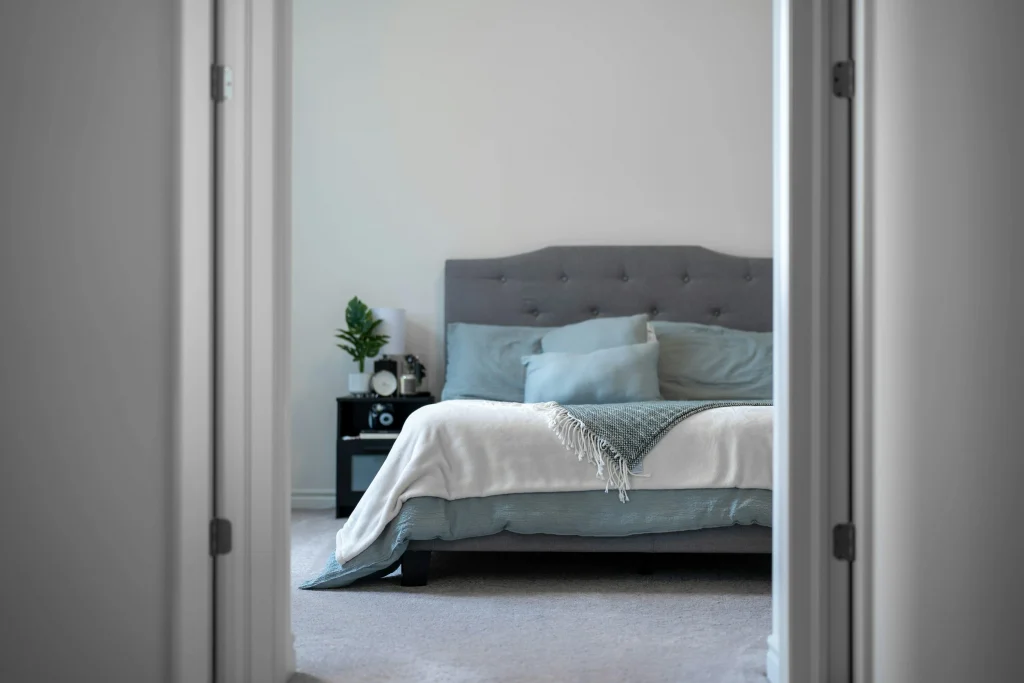
Example 1: What if the bed faces the door?

The traditional version says this is a major no. The practical version is much simpler: when you lie in bed facing the doorway, part of you may feel like someone could enter at any moment, and that can make it harder to fully relax.

So what can you do?

You can move the bed so it’s no longer directly in line with the door.

If that’s not possible, a small screen or a curtain between the bed and the doorway can help soften the feeling.

If that still doesn’t work, simply keeping the door closed at night already makes a difference.

Even a bedside lamp can help by creating a subtle sense of boundary around the sleeping area.

So it’s not really “you must never do this.”
It’s more like, “if this feels uncomfortable, here are a few ways to make it better.”

Example 2: What if the mirror faces the bed?

The traditional version says mirrors facing the bed can bring bad luck. The practical version is much more relatable: if you wake up half-asleep and suddenly see a vague human shape in the mirror, it can genuinely be startling.

That isn’t superstition. That’s just the nervous system doing what it does.

The fix can be very simple.

You can move the mirror, change its angle, place it inside a wardrobe door, or use a mirrored cabinet that closes.

Some people simply cover the mirror at night, which works perfectly well.

Even something as simple as turning on a light briefly before bed so the room feels familiar and settled can help more than you’d expect.

The general pattern

Most feng shui fixes fall into three very ordinary categories:

physical separation, like a screen, a curtain, or a plant
visual softening, like lighting, artwork, or furniture placement
habit changes, like closing a door, putting the toilet lid down, or clearing clutter regularly

In other words: most problems are workable.

3. Why the Same Layout Feels Fine in One Home and Awkward in Another

This part matters a lot

Have you ever noticed that one person says a layout feels great, while another says the exact same setup feels strange?

Some people love open kitchens because they feel bright and social. Others find them messy, smoky, and lacking boundaries.

Who’s right? Honestly, both can be.

Reason one: every household lives differently

At the center of all this is one simple principle:

people come first.

A layout only works if it works for the people living there.

If your home is simple and social, an open kitchen may be perfect for you.

If you cook every day and make strong-smelling meals, a closed kitchen may feel more practical.

If you’re a light sleeper, a quiet bedroom may matter more than almost anything else.

If you have children or frequent guests, an open and flexible living room may matter more than strict layout rules.

So feng shui isn’t really one formula that works for everyone. It’s more like a way of adjusting space around real life.

Reason two: every home has its own character

Every home has its own traits — light, direction, ventilation, ceiling height, and floor plan all shape how it feels.

A south-facing home may feel bright and warm in winter. That’s a built-in advantage.

A darker space may need lighter walls and better lighting to feel balanced.

A high ceiling can handle stronger vertical elements. A lower ceiling may need a lighter touch to avoid feeling oppressive.

So good design isn’t about forcing a rule onto a space. It’s about understanding the space you actually have and helping it work better.

Reason three: you and the space need time to adjust to each other

This part is easy to forget.

When you first move into a new place, it often feels a little strange. The sofa never seems quite right, the corners feel unfamiliar, and nothing settles immediately.

Then after a few months, you start noticing things:

where the sunlight lands in the afternoon
which wall feels warmer in winter
which corner is best for reading
which sleeping position feels most restful

That process matters.

Sometimes older homes feel comfortable not because they are perfectly designed, but because the people living there have slowly built a relationship with the space.

So if you’ve just moved into a new home and everything feels slightly off, don’t panic. Give yourself time. Give the space time too.

A lot of comfort comes from living in a place long enough to truly understand it.

4. Many So-Called Feng Shui Taboos Are Really Just Modern Home Wisdom

Try translating them

Once you translate many of these sayings into modern language, they stop sounding mystical and start sounding very familiar.

“Don’t place the bed facing the door” becomes:
your sleeping area should feel safe and quiet.

“Don’t let a mirror face the bed” becomes:
don’t startle yourself in the middle of the night.

“Don’t let the bathroom face the bedroom” becomes:
sound, humidity, and visual exposure can affect rest.

“Don’t let a beam hang over the bed or sofa” becomes:
heavy things overhead can feel psychologically uncomfortable.

“Don’t let clutter pile up” becomes:
messy spaces can feel mentally exhausting.

“Don’t let wind rush straight through the home” becomes:
strong drafts feel uncomfortable and make a space feel unsettled.

“Don’t place the kitchen in the center of the home” becomes:
heat, smell, and smoke spread more easily when cooking sits at the center of everything.

When you put it that way, a lot of feng shui sounds less like superstition and more like a long-standing language for describing comfort.

Why these ideas lasted so long

There’s a reason these ideas have been passed down for generations.

Not because people were trying to be mysterious, but because they were observing real life.

Long before environmental psychology, ergonomics, or modern interior design theory existed, people still knew when a space felt easy to live in and when it didn’t.

They simply used the language of feng shui to describe it.

So when someone says, “This layout has bad feng shui,” a useful question is:

What exactly feels uncomfortable about it?

Very often, the answer turns out to be something you already understand perfectly well.

5. A More Relaxed Way to Think About Feng Shui

Think of it as a home check-in

I have a friend who treats feng shui less like a set of rules and more like a kind of home check-up.

Every so often, she walks through her home as if she were a guest and asks herself a few simple things:

Which corner feels too dark?
Where has clutter started building up?
Which path feels awkward to walk through?
Which seat doesn’t feel especially settled?

Then she makes one or two small changes — moves a plant, clears a surface, adds a lamp.

She says that helps far more than worrying about taboos ever did.

Three easy questions to ask yourself

You can do the same thing, even if you know nothing about feng shui.

Just ask yourself:

Do I feel comfortable in this space?
Does it feel calm? Is the lighting pleasant? Does the air move well?

Does this space support what I’m trying to do?
Can I cook easily here? Work clearly here? Rest properly here?

Do I actually want to spend time here?
Do I want to sit in this living room? Stay in this kitchen? Fall asleep in this bedroom?

If the answer is yes, then that space is already working well.

If the answer is no, then that simply means there’s something worth adjusting.

Final Thoughts: You Own the Space — You Don’t Serve It

After all of this, the main thing I really want to say is simple:

Don’t let rules intimidate you.

The point of feng shui isn’t to trap you inside restrictions. At its best, it’s just a tool for helping you create a home that feels better to live in.

Those ideas that have been passed down for generations can be treated as useful references — not strict commandments.

So when someone tells you, “That layout has bad feng shui,” you can smile and ask:

“What would make it feel more comfortable?”

Because in the end, there’s really only one meaningful test for whether a space works:

Do you feel good living there?

May your home always feel comfortable to you.

Quick Reference: Common Problems and Easy Fixes

If you’re dealing with a specific layout issue, here are a few simple directions to start with:

If the bed faces the door, try moving it, adding a screen, hanging a curtain, or sleeping with the door closed.

If a mirror faces the bed, move it, change the angle, cover it, or switch to a mirrored cabinet.

If the stove faces the sink, create prep space between them, add a splash guard, or stagger how the zones are used.

If the bathroom faces the bedroom, keep the door closed, add a light curtain, or soften the line of sight with a plant.

If a beam sits above the bed, adjust the bed position if possible, visually soften the area, or use furniture and lighting to reduce the pressure.

If there’s too much clutter, clear regularly, use storage boxes, and keep more tucked away than out on display.

If there’s a strong draft running straight through the home, try a screen, curtains, or plants to soften the airflow.

If you see the toilet right when entering, keep the door closed, add a curtain, or place something soft in the line of sight

If the kitchen sits in the center of the home, focus on strong ventilation, a good range hood, and a lighter visual palette.

And the most important thing to remember is this:

There’s usually no such thing as an unsolvable layout problem — only a solution you haven’t found yet.

Same category navigation

More to read next

From reading to action

Keep thoughtful guides close as you shape a calmer home.

Save ideas for later, explore room-based guidance, or share what you would like us to write about next.

Explore Room Guides Use room-based guides when you want a calmer way to choose placement, materials, and daily-use pieces.
Share A Future Topic Tell us what spaces, objects, or topics you'd like us to explore next. We’re always open to new ideas and inspiration.
Journal Dispatch

A quiet letter for spatial living.

Receive calm notes on placement, materials, and living with more spatial clarity.