NEW JOURNAL NOTES ON SPACE, OBJECTS, AND EVERYDAY ATMOSPHERE
Visit Shop
Back to All Articles

How Water and Land Quietly Shape a Person

In this article
Water: Movement and Stillness Land: Openness and Shelter Climate: Rhythm and Boundaries Light: Brightness and Depth The Scale of Space: Vastness and Containment These Influences Are Real — But They Are Not Fate In the End

Have you ever noticed that people who grow up by the sea often feel a little different from people who grow up in the mountains?

Coastal people can seem more easygoing. Mountain people often feel steadier. In southern regions, people may speak faster; in northern regions, more slowly. Of course, culture plays a role in all of this. But there is something even more basic that often gets overlooked:

the environment itself.

Water and land are not just geography. They are the air we breathe, the water we drink, the ground beneath our feet, and the view outside the window. Over time, they quietly shape our rhythm, our temperament, and even the way we think.

Water: Movement and Stillness

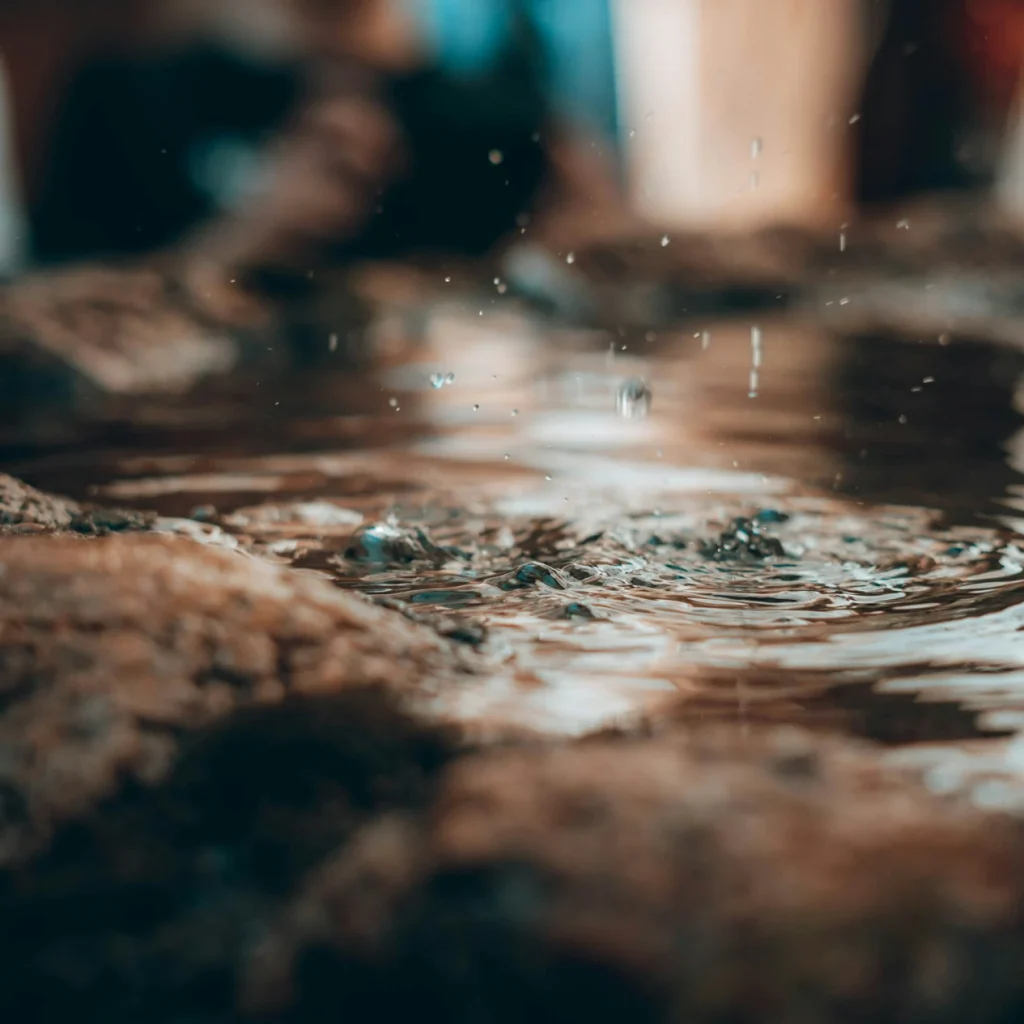
Water has two very different personalities: movement and stillness.

People who live by rivers or the sea grow up watching water come and go, tides rise and fall. Water is always moving. It doesn’t stop, and it doesn’t look back. Living around that kind of environment may make people more comfortable with change, a little looser, a little less attached to the idea that everything must go exactly as planned.

Not because they were born that way, but because the river outside the window has been teaching the same lesson every day: things flow on, and life keeps going.

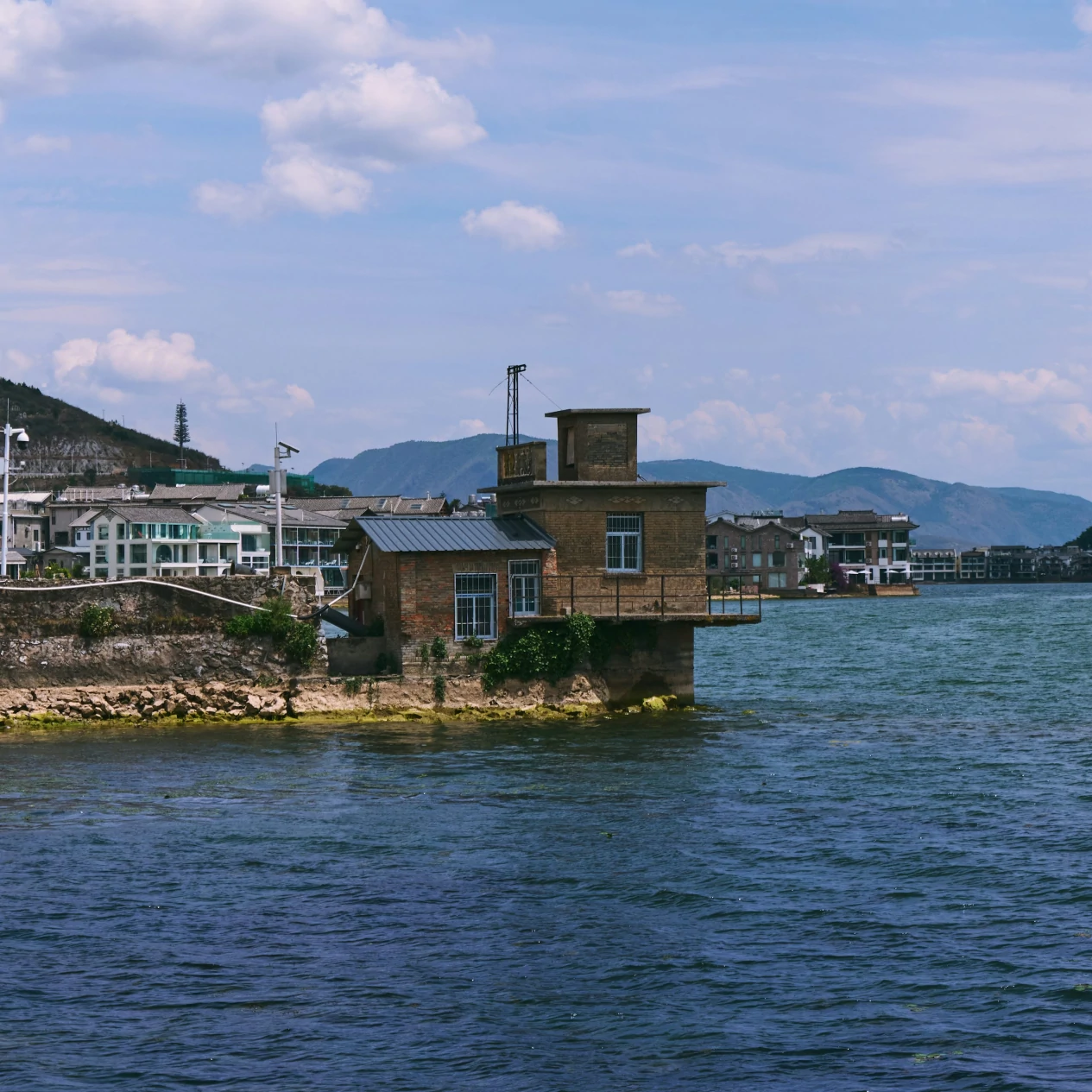
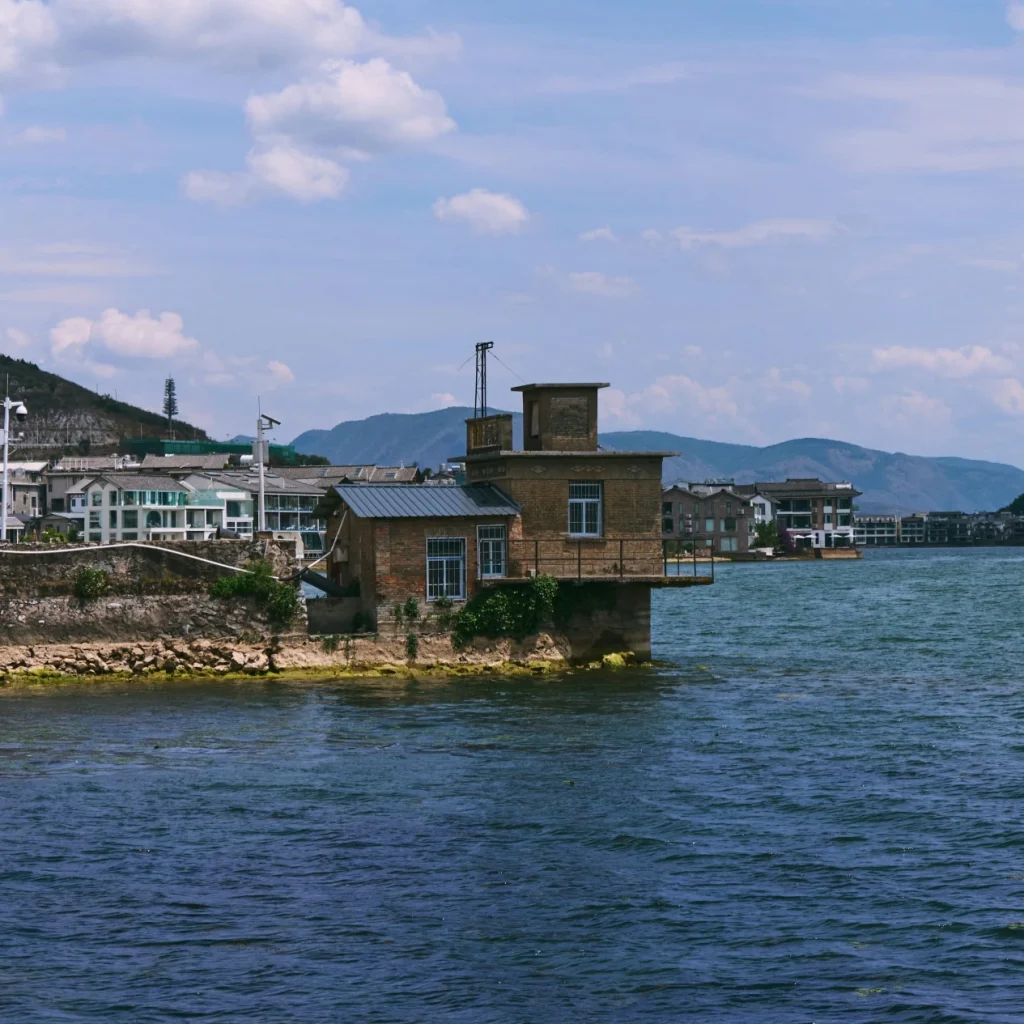
People who live near lakes or reservoirs may feel a little different. Lake water stays. It is still for long stretches of time. The surface reflects the sky and changes very slowly. That kind of environment can give a different message: life can move more gently, more steadily, without always rushing somewhere.

People near lakes often seem quieter, and sometimes better at sitting with stillness.

Even the sound of water matters.

A fast river is loud and energetic. It creates a quick rhythm, and the people living beside it may begin to move with that rhythm too.

A slow stream is softer and calmer. It gently slows the body and the mind.

There is an old Chinese saying: “The wise delight in water; the good delight in mountains.” There is something deeply true in that. Water encourages movement. Mountains encourage stability.

Land: Openness and Shelter

Land has its own personality too.

On a plain, the land stretches far and wide. The sky feels large. The horizon feels open. People who grow up in those places often develop a broader sense of space. Their thinking may feel more open too.

Not because they are naturally more broad-minded, but because every day they see long distances, wide fields, and a very big sky. That openness enters the subconscious. It quietly teaches: the world is large, there is room to breathe, not everything needs to feel so tight.

Mountain regions feel different.

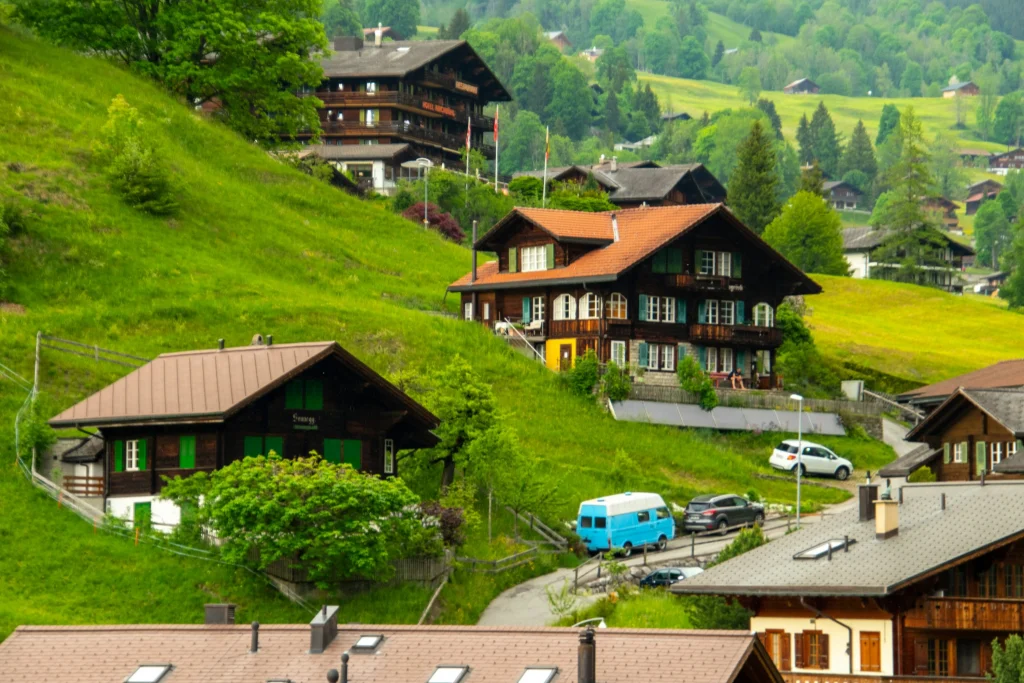
Mountains block the distance. They narrow the view. People living there often grow up paying more attention to what is near: the trees, the slope across the way, the small patch of sky overhead.

That kind of environment can encourage practicality, caution, and attention to detail. It is not that mountain people see less. It is that their attention is naturally drawn toward the close, the concrete, and the immediate.

Even the soil itself may matter.

Red soil, black soil, yellow soil — they are not just different in color. Fertile land creates a sense of trust: what you plant will grow. That kind of security can become confidence in a person’s character.

Harder, poorer land can create a different feeling. It pushes people to adapt, improvise, and find new ways forward. Over time, that can become resilience.

Climate: Rhythm and Boundaries

Water and land also shape climate. And climate shapes human rhythm.

In warm, humid places, people sweat more easily and tire more quickly. So they often learn to pause, rest, and slow down. It is not laziness. It is the body responding intelligently to the environment.

In that kind of climate, people often develop a rhythm that knows when to move and when to stop.

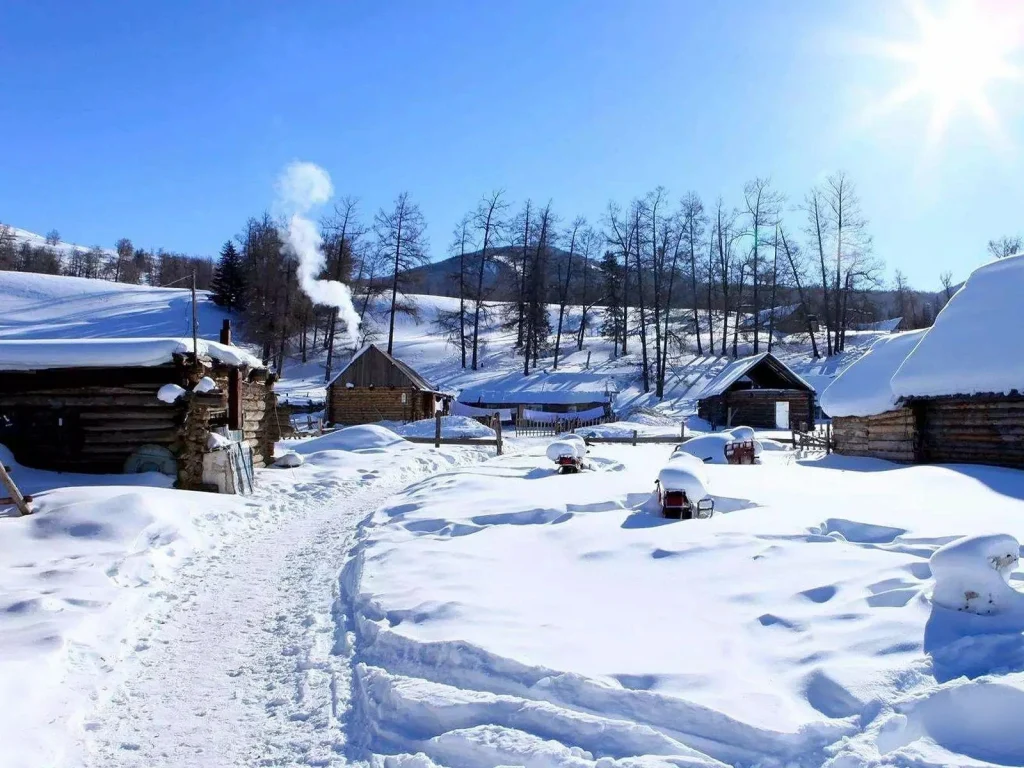
In colder, drier places, people often need more movement just to stay warm. Cold weather can make people sharper, quicker, and more direct. It also creates a stronger sense of boundary.

Sometimes the straightforward style often associated with colder northern cultures may have less to do with personality alone, and more to do with climate. When the wind is biting, people tend to speak more directly and move on.

Humidity matters too.

In humid places, the air feels thick, and movement often becomes softer, slower, more fluid.

In dry places, the air feels clearer, and people’s movements can seem quicker and more crisp.

Light: Brightness and Depth

Water and land also affect light.

Near the sea, the air is often more open and transparent, and the sunlight can feel strong and direct. That kind of brightness tends to energize people. It makes the body want to go outward, to move, to engage.

But very bright environments can also reduce shadow. And when there is less shadow, there is sometimes less inwardness too. Everything is visible. Everything is exposed.

In foggy or rainy places, the light is softer, dimmer, sometimes almost melancholy. That kind of light often encourages people to turn inward. It makes staying home feel natural. It creates a mood that invites reflection.

This is not necessarily sadness. It is simply that the environment encourages a deeper, quieter kind of attention.

Some researchers have long discussed how long winters and limited sunlight affect mental health in northern Europe. It may not all come down to genetics. Sometimes, it is also the sheer weight of too little light.

When people live for long periods without enough brightness, the mind can gradually sink with it.

The Scale of Space: Vastness and Containment

Water and land also shape the scale of space.

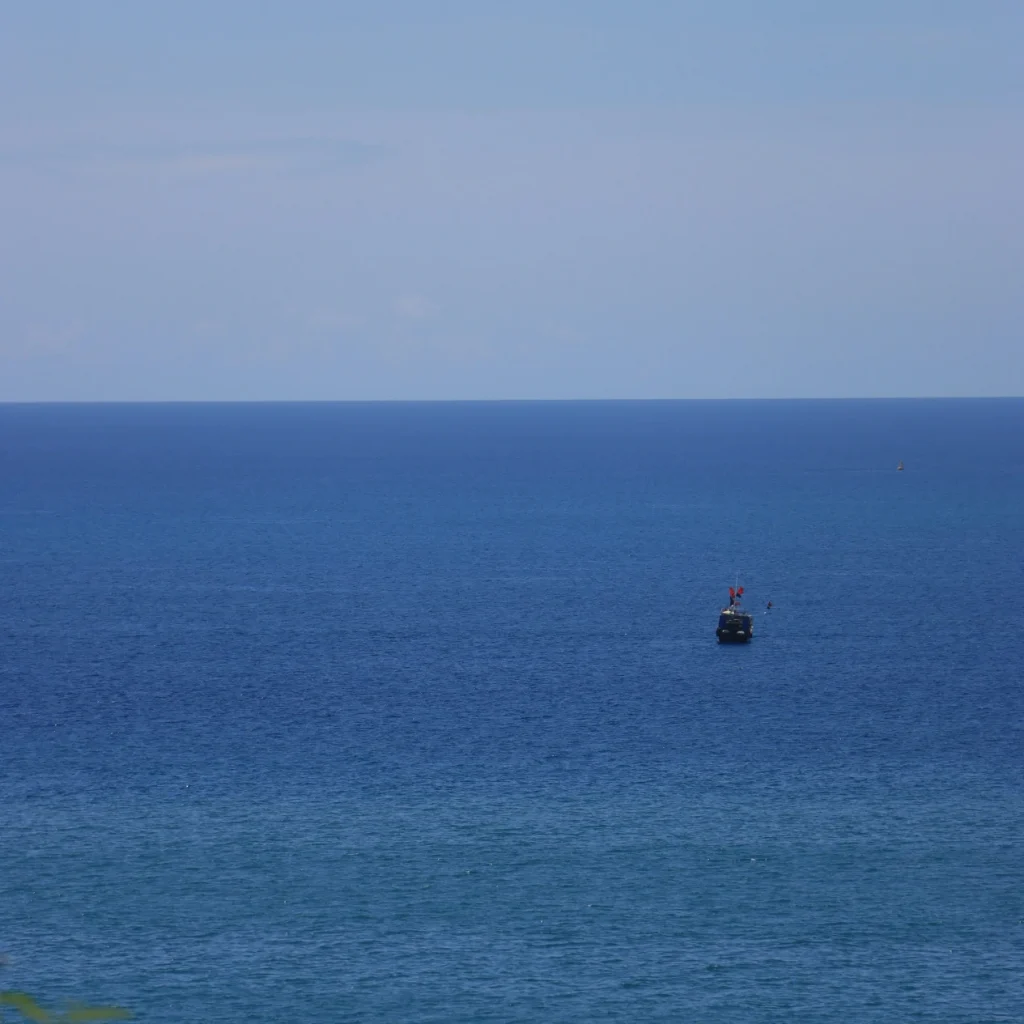
In places with more water and wider horizons, the world feels open. That openness can make people feel free. But it can also make them feel small.

Standing before the ocean often brings that feeling immediately. A person may feel humbled, or sometimes lonely, in the face of something so vast.

In mountainous places, space feels more enclosed. The view is broken into smaller pieces. That kind of enclosure can feel protective, but it can also feel limiting.

Being surrounded by mountains can create a strong sense of shelter. It can also create the feeling of being held in place.

Plains often sit somewhere in between. There is openness, but also enough continuity and structure to feel balanced.
These Influences Are Real — But They Are Not Fate

None of this means that where you live completely determines who you are.

The influence of water and land is real, but it is not destiny.

It is more like a background tone. A starting atmosphere. A slow, quiet force working in the background.

You can move with it, or you can push against it.

And perhaps more importantly, we now have more ability than ever to reshape the “water and land” around us.

If you live in a dry place and feel that your personality has become too hard or rigid, you can add softness to your space — perhaps through a small fountain, flowing forms, or materials that create a greater sense of movement.

If you live somewhere damp and heavy and feel emotionally weighed down, you can open windows more often, bring in sunlight, and make the space brighter and clearer.

If you live somewhere very open and feel too scattered, you can create a smaller corner within your home — a place that feels contained, where you can gather yourself.

If you live in a tight, crowded place and feel mentally boxed in, you can use a wide landscape image, a mirror, or a more open layout to give the room a sense of breath.

In the End

Water and land shape people. But people also reshape water and land.

We may not get to choose where we were born, but we can choose how we shape the spaces we live in now.

We can use color to shift mood.
We can use light to change rhythm.
We can bring in water to create softness and movement.
We can use plants to add life.

Your home is the “water and land” of your daily life.

It is quietly shaping you.
And you are quietly shaping it in return.

The moment you become aware of that, you are no longer just living passively inside a space.

You are, little by little, turning your environment into soil that helps you grow.

Same category navigation

More to read next

From reading to action

Keep thoughtful guides close as you shape a calmer home.

Save ideas for later, explore room-based guidance, or share what you would like us to write about next.

Explore Room Guides Use room-based guides when you want a calmer way to choose placement, materials, and daily-use pieces.
Share A Future Topic Tell us what spaces, objects, or topics you'd like us to explore next. We’re always open to new ideas and inspiration.
Journal Dispatch

A quiet letter for spatial living.

Receive calm notes on placement, materials, and living with more spatial clarity.