NEW JOURNAL NOTES ON SPACE, OBJECTS, AND EVERYDAY ATMOSPHERE
Visit Shop
Back to All Articles

Earth Qi: The Breath of the Ground

In this article
What Is Earth Qi? How People Once “Listened” to the Earth Earth Qi and Everyday Life How Earth Qi Changes Through the Seasons Modern Life and the Loss of Earth Qi Finding Earth Qi Again in Modern Space In the End

Have you ever noticed that the same room can feel completely different in winter and summer?

Not just because of temperature. There’s something harder to explain. In winter, a room can feel as if it’s drawing inward. In summer, it feels more open. The texture of the air changes. The walls feel different. Even the way light falls into the room seems to shift.

In old China, people had a name for this:

earth qi.

Not as superstition, but as observation — a way of noticing something that people living close to the land had been feeling for thousands of years:

the earth breathes.

What Is Earth Qi?

The phrase earth qi can sound mysterious today. But if you break it down, the idea is actually quite simple.

Earth means the ground beneath our feet.
Qi here does not just mean air. It refers to a subtler kind of condition or energy — the state of the land itself.

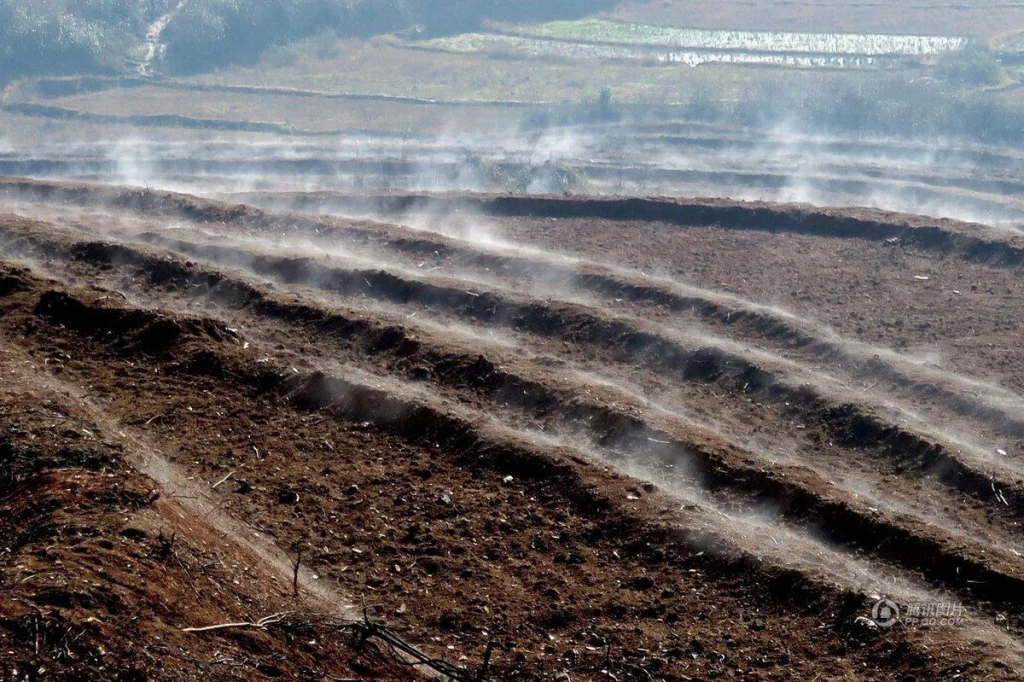
In winter, the ground feels tightened and drawn in.
In spring, it loosens.
In summer, it seems to expand outward.
In autumn, it begins to settle and sink.

That cycle of tightening, opening, spreading, and descending is what older people were describing when they spoke of earth qi.

They didn’t have thermometers or humidity meters. But they had another way of understanding the land.

They walked barefoot on paths and fields. They touched the soil with their hands. They knew when the earth felt awake and when it felt asleep.

That was earth qi:

the breathing rhythm of the land.

How People Once “Listened” to the Earth

One of the most fascinating things is how ancient people tried to sense these changes.

They had a method called hou qi, which roughly means “observing the qi” or “waiting for the breath.”

How did it work?

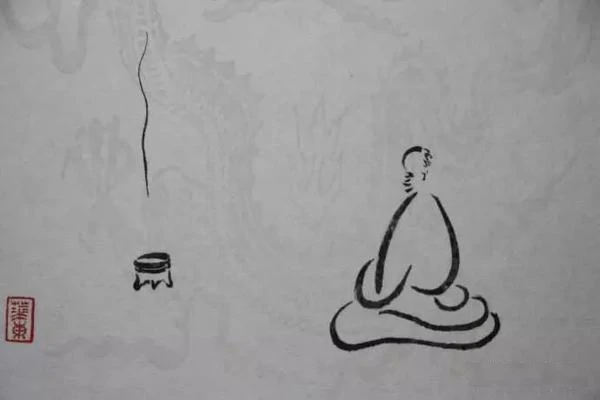
In a quiet room, they would place twelve bamboo tubes, one for each month of the year. Each tube was filled with very fine reed ash — light enough to move at the slightest shift. The setup would be carefully covered so no outside wind could disturb it.

Then they waited.

At certain moments of the year, the ash in one of the tubes was said to stir or rise on its own. This was understood as a sign that the qi of the earth had shifted.

Today, this may sound like legend. But it was part of a real ancient Chinese system linked to calendars, astronomy, and musical pitch theory, sometimes known as the pitch-pipe method of observing qi.

Of course, today we might explain the movement of the ash in terms of air pressure, temperature, or humidity.

But the larger point remains the same:

ancient people believed the earth had rhythm, timing, and movement — just like the sky.

And if you could sense that rhythm, you could better understand when to plant, when to harvest, and how to live in step with the seasons.

In that sense, the lesson still feels very modern:

the land is alive, and it moves in cycles.

Earth Qi and Everyday Life

Earth qi was never only about farming. It was also deeply connected to daily life.

When people chose where to live, they didn’t start with the house. They started with the land.

They looked at the quality of the soil, the direction of water, the movement of wind, and the amount of sunlight. They believed that good earth qi made a place feel settled, healthy, and easy to stay in.

That may sound old-fashioned, but the logic is easy to understand.

A damp, dark place with poor airflow feels very different from a bright, dry place with moving air and sunlight. Your body reacts differently. Your mood reacts differently.

Older generations used the language of earth qi to describe those differences.

A place with good earth qi was one where the soil felt loose and alive, the water moved well, the wind was gentle, and the light felt warm.

A place with poor earth qi was one where the ground felt hard, the water seemed stagnant, the wind felt harsh, and the light was cold or weak.

That is not magic. It is accumulated human experience.

How Earth Qi Changes Through the Seasons

One of the clearest ways to understand earth qi is through the seasons.

In spring, earth qi rises.
The ground softens. Seeds begin to open. Everything starts pushing upward. People often feel this too — more restless, more active, more ready to begin something new.

In summer, earth qi comes closer to the surface.
The earth feels warm, the air feels fuller, and life grows quickly. People often feel hotter, more restless, and more in need of shade, breeze, and water.

In autumn, earth qi begins to descend.
The land starts pulling inward. Leaves fall. Things begin to gather back toward themselves. People often feel this as a wish to finish things, to settle matters, to bring life into order.

In winter, earth qi retreats underground.
The soil hardens. Growth slows. Many living things go still. People often want to stay inside, move less, and withdraw a little.

This is not just poetry. It reflects something many people can feel in their own bodies.

When the earth rises, we often want to go outward.
When the earth settles, we often turn inward.

We may think we are only following mood. But in many ways, we are also following the rhythm beneath our feet.

Modern Life and the Loss of Earth Qi

Today, many of us live much farther from earth qi than people once did.

We live in tall buildings.
We stand on concrete.
We don’t touch the soil very often.
We keep windows shut and air-conditioning running.
Inside many modern rooms, every season feels almost the same — the same temperature, the same humidity, the same artificial light.

We call that comfort.

And in some ways, it is.

But something is also lost: our direct connection with the land.

Have you ever noticed that after spending too long in a city, people can start to feel a little ungrounded? Not literally floating, of course — just slightly disconnected, as if something underneath them is missing.

Then they spend a few days in the countryside, walk on dirt, feel real wind, sit in sunlight — and somehow they feel steadier again.

Why?

Because the body recognizes that rhythm.

The earth has its own timing. Our bodies also have their own timing. When the two move together, people often feel more at ease. When that connection is broken, something can feel subtly off.
Finding Earth Qi Again in Modern Space

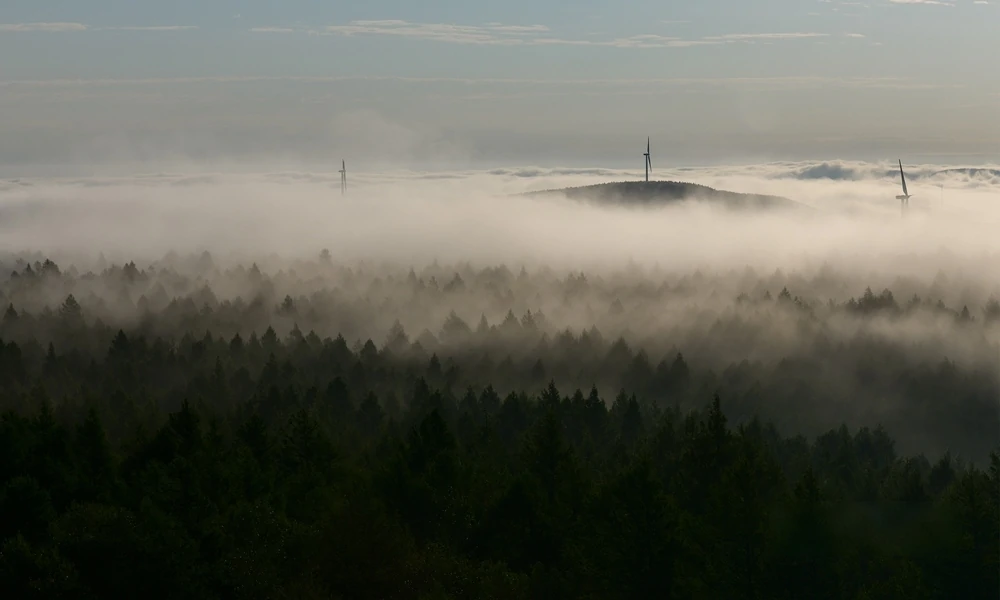
We may not return to living directly on the land, but we can still bring some of that feeling back into our spaces.

One way is through materials.

Let the room include things that feel grounded: wood floors, linen rugs, clay pots, stone objects, natural textures. They bring a sense of weight, simplicity, and earthiness.

Another way is through air.

Open the windows. Let the room breathe. Earth qi is not something static. It needs movement. A room that is never aired out can start to feel blocked, and people often feel blocked in it too.

Then there is light.

Let it change. Let daytime feel brighter and evening feel softer. Open the curtains. Let sunlight enter the room. People move with light more than they realize.

And then there are plants.

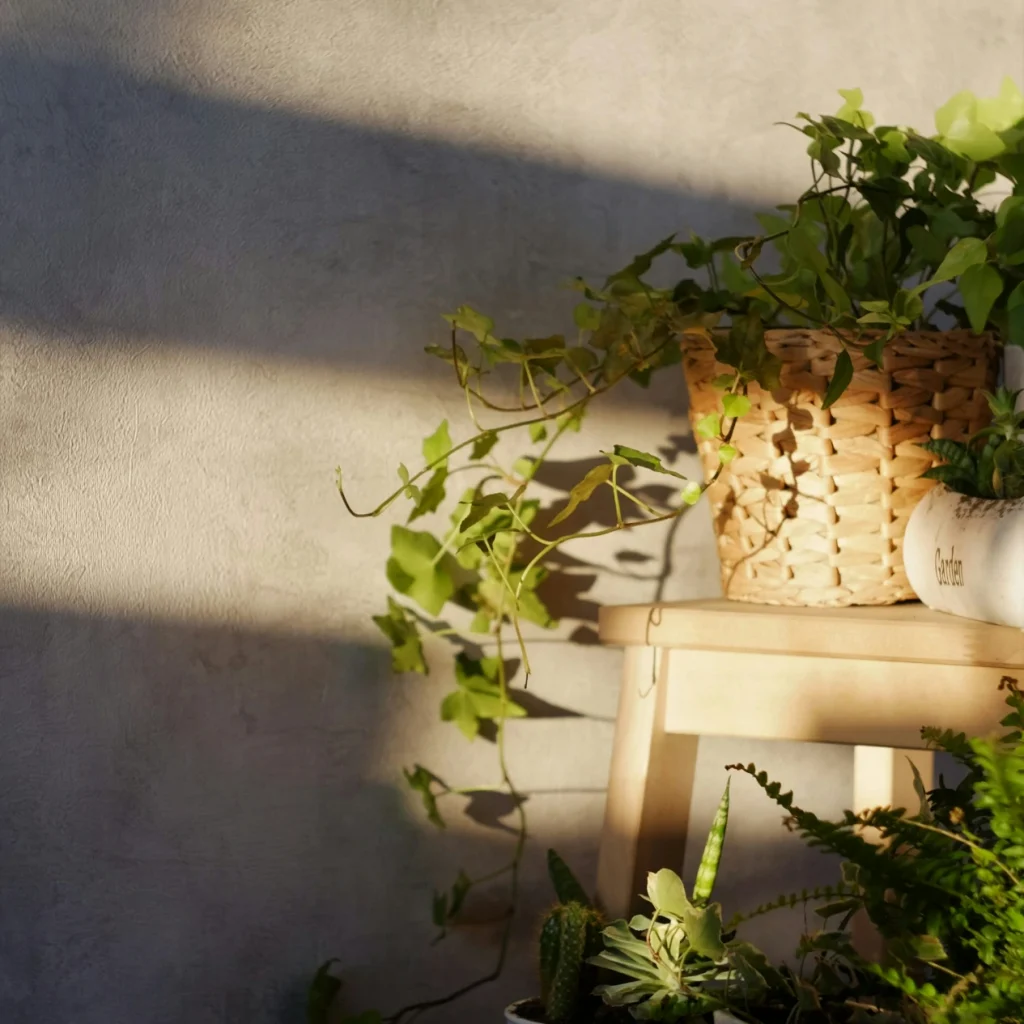
Plants carry the feeling of the earth into the home. A green plant in the corner is not just decoration. It adds a layer of life and breathing to the room.

And perhaps most simply of all:

go outside once in a while and touch the ground.

Walk in a park. Stand barefoot on grass. Step onto real soil.

It is not sentimental. It is just a way of letting the body remember what the earth feels like.

In the End

Earth qi is not a mystical idea.

It is the breathing rhythm of the land, the pulse of the seasons, and the force that supports growth.

People in the past spent thousands of years watching it, living with it, and trying to understand it.

We do not need to return to ancient life. But we can relearn one simple thing:

the ground beneath us is always speaking.

In spring, it tells you to begin moving again.
In summer, it tells you to find coolness and space.
In autumn, it tells you to gather things in.
In winter, it tells you to rest.

If we can hear that a little more clearly, we may also know a little better when to move forward and when to pause.

Earth qi is not superstition.

It is the voice of the earth.

We may simply have gone too long without listening.

Same category navigation

More to read next

From reading to action

Keep thoughtful guides close as you shape a calmer home.

Save ideas for later, explore room-based guidance, or share what you would like us to write about next.

Explore Room Guides Use room-based guides when you want a calmer way to choose placement, materials, and daily-use pieces.
Share A Future Topic Tell us what spaces, objects, or topics you'd like us to explore next. We’re always open to new ideas and inspiration.
Journal Dispatch

A quiet letter for spatial living.

Receive calm notes on placement, materials, and living with more spatial clarity.