A Window Opens More Than Air
What feng shui and environmental psychology both understand about windows
Some rooms feel heavier than they should.
Nothing dramatic happened. The furniture did not move. The walls are still where they were yesterday. And yet the space feels dull, close, and strangely hard to breathe in.
Then you open a window.
The air shifts. The light changes. The room softens.
And somehow, so do you.
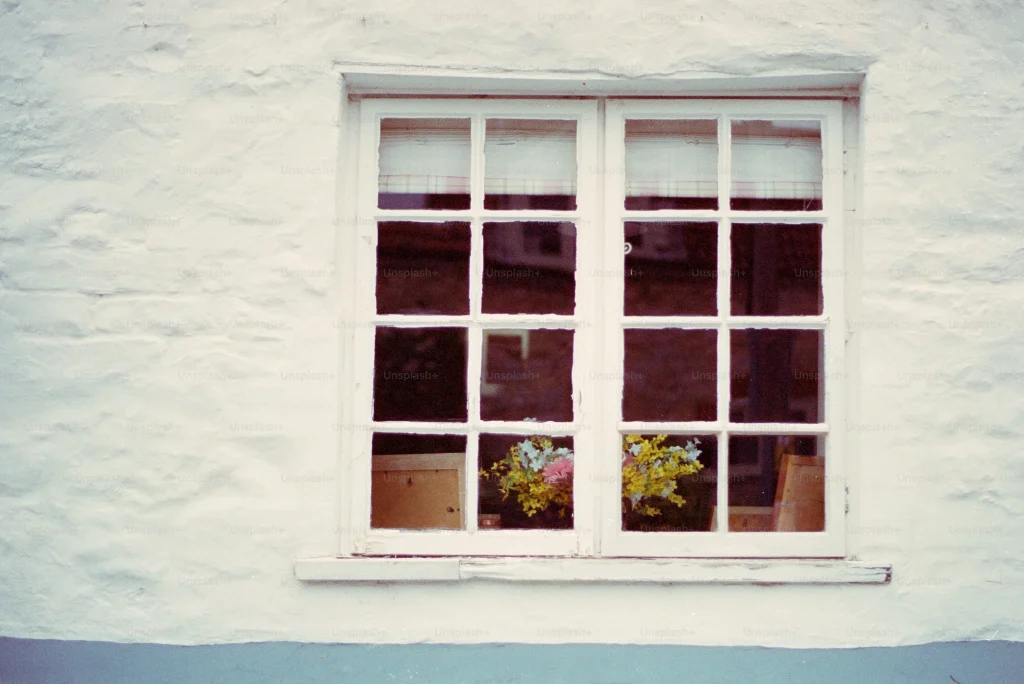
In traditional feng shui, a window is not just an architectural detail. It is part of how a home “breathes,” how qi moves, and how the inside of a house stays connected to the world beyond it. In environmental psychology, windows matter for many of the same reasons: they influence light, airflow, attention, mood, and our sense of connection to the outside world. Different language, same intuition. A window does not just let wind in. Sometimes, it helps release what has been building up inside you too.
Why closed rooms can feel emotionally heavy
Most people think of stress as purely mental: work, deadlines, messages, family, news. But stress is often spatial too.
A room with stale air, weak daylight, blocked views, and no sense of movement can quietly add pressure to the body. You may not walk in and think, this room is increasing my mental load. You just feel flatter there. A little less patient. A little less clear.
Feng shui would say the flow has become stagnant. A psychologist might say the space is less restorative and more mentally fatiguing. Either way, the result is familiar: when a room feels closed, people often do too. Reviews of nature exposure consistently find benefits for mental health and cognitive function, and studies on window views suggest that natural views can support restoration and wellbeing.
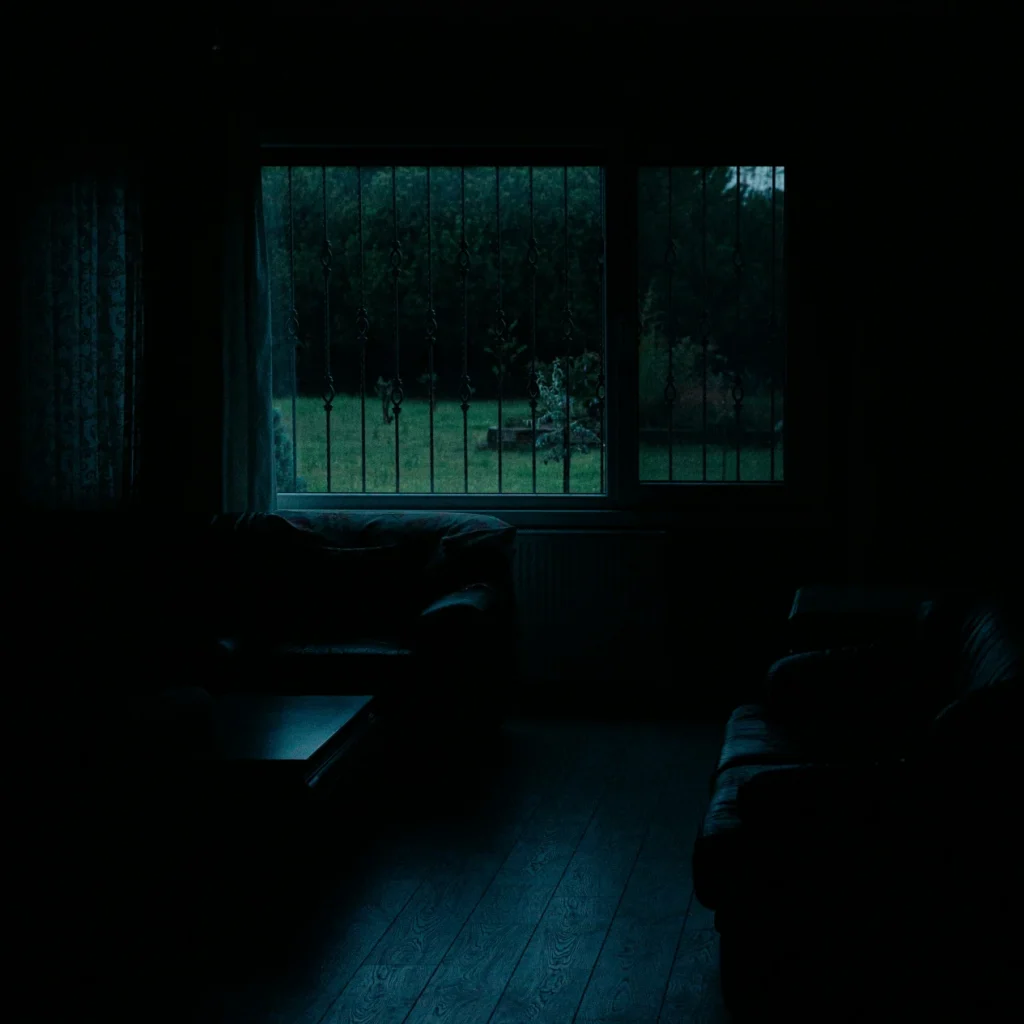
In feng shui, windows help a home breathe
Feng shui cares a lot about flow. Not just where the sofa goes, but how light enters, how air moves, and how the home exchanges energy with what is outside. A space that is too sealed off can feel stagnant. A space that is too exposed can feel unsettled. The goal is not to leave every window wide open all day. The goal is balance.
That is why a well-placed, well-used window matters so much. It brings in light, movement, and a sense that the room is in dialogue with the world around it. In feng shui terms, that supports smoother qi. In ordinary life, it just makes the room feel fresher, clearer, and less emotionally stuck. The U.S. EPA notes that natural ventilation—including opening windows and doors—can improve indoor air quality by reducing indoor pollutants, when outdoor conditions are suitable.

Environmental psychology says something very similar
Modern spatial psychology arrives at many of the same conclusions from a different direction.
People usually feel better in rooms with natural light, visual openness, and at least some contact with nature or distance. A window offers more than ventilation. It gives the brain things it likes: horizon, weather, movement, depth, changing light, and signs of life. That matters more than it sounds. When you stare at the same closed surfaces for too long, attention can tighten. A window gives the mind somewhere to go that is not another wall, another object, or another task.
Even a small window can do this. It sends a quiet message: this room is not the whole world. That can be especially powerful when you are stressed. Research on daylight exposure has linked window access and daylight to subjective wellbeing and sleep quality, while broader reviews of the effects of light on wellbeing report a positive overall effect.
A window creates more than airflow — it creates perspective
One of the quiet gifts of a window is perspective.
At first, not metaphorical perspective. Literal perspective.
A tree moving.
Clouds shifting.
Rain on glass.
A rooftop across the street.
Even just a small piece of sky.
That slight outward extension can reduce the feeling of being boxed in. Feng shui values this because a home should not feel blocked or suffocating. Environmental psychology values it because people tend to respond well to visual depth, natural variation, and soft sensory change. Reviews of nature and mental health and physiological benefits of viewing nature both point in this direction. In a very practical way, a window can remind you that your current mood is not the whole climate of your life. Outside, weather is moving. Time is passing. Things are changing. And that means movement is possible inside, too.

A window should support the room, not overwhelm it
Of course, feng shui is not saying every window should always stay open.
Balance still matters.
A room that is too exposed, too windy, too glaring, or too hot can feel just as uncomfortable as one that is sealed shut. The goal is not to turn every home into a glass box. It is to let the room breathe without losing its sense of shelter. Architecture and orientation matter here too: even Britannica’s overview of orientation in architecture notes that good orientation takes into account light, heat, humidity, and wind. In psychological terms, people tend to relax best in spaces that offer both openness and protection. Too closed feels trapped. Too exposed feels vulnerable. The best rooms do both: they let in light and air, while still feeling held.
If you want a room to feel lighter, start here
If a room has been feeling emotionally heavy, you do not always need to redesign it.
Start smaller.
Open the window for a few minutes in the morning.
Pull the curtain all the way back.
Clear the clutter from the sill.
Let the light actually enter.
Let the air actually move.
If the view is beautiful, let it do its job. If the view is ordinary, let the light matter anyway. The EPA also notes that opening more than one window can increase ventilation through cross-ventilation, as long as it is safe and outdoor conditions allow it. Sometimes that small act is enough to make a room feel less sealed, and often, to make you feel a little less sealed too.
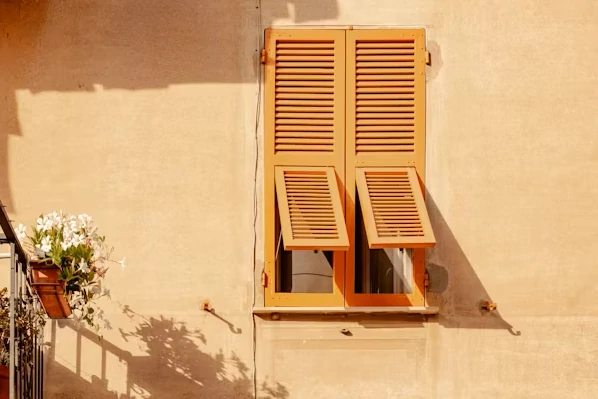
Final thought
People usually think windows are for ventilation.
But sometimes they do something gentler and more important than that.
They loosen the room.
They interrupt stagnation.
They widen attention.
They remind the body that the world is still moving.
Feng shui might call that better flow. Environmental psychology might call it restoration or spatial relief. You do not really have to choose between them.
Because both are pointing to the same truth:
A home should not trap you.
It should help you exhale.