NEW JOURNAL NOTES ON SPACE, OBJECTS, AND EVERYDAY ATMOSPHERE
Visit Shop
Back to All Articles

Why Some Homes Feel Calm—and Others Feel Chaotic

In this article
Introduction: It’s Not Just the Space—It’s How It Feels 1. Calm vs. Chaos: What’s Really Happening? 2. Visual Overload: When Everything Competes for Attention 3. Movement Flow: The Hidden Source of Daily Stress 📷 Suggested Image 4. Sensory Overload: When Your Brain Can’t Relax 5. Lack of Zoning: When Everything Blends Together 6. Emotional Clutter: The Invisible Weight 7. The Role of Predictability: Why Order Feels Safe 8. From Chaos to Calm: Where to Start 9. What a Calm Home Actually Feels Like Conclusion: Calm Is Designed, Not Accidental
(A Psychology-Informed Guide to Creating a Peaceful Living Space)

Introduction: It’s Not Just the Space—It’s How It Feels

Have you ever walked into a home and instantly felt at ease…
and stepped into another that made you feel slightly tense, distracted, or overwhelmed?

Same size. Similar furniture. Maybe even similar decor.

Yet the experience is completely different.

That difference isn’t random.

It’s the result of how a space interacts with your brain, your senses, and your daily behavior.

This idea is central to environmental psychology—the study of how physical environments influence human emotions and actions.

In simple terms:

A calm home isn’t defined by style—it’s defined by how your body responds to it.

Let’s explore why some homes naturally feel peaceful, while others feel chaotic—and how you can shift your own space in the right direction.

1. Calm vs. Chaos: What’s Really Happening?

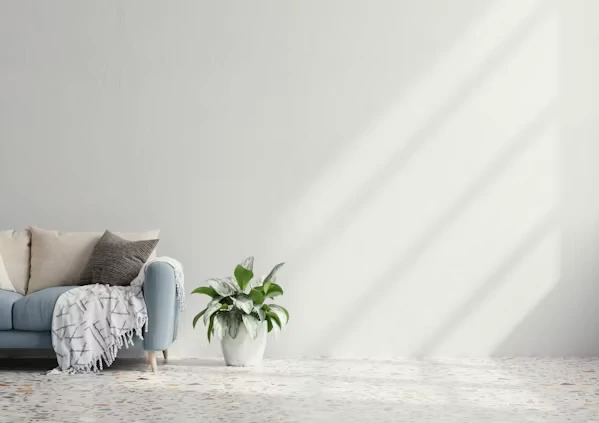
A calm home is not necessarily minimalist.
A chaotic home is not necessarily messy.

The real difference lies in how much information your brain has to process when you enter the space.

Calm homes:

  • Have visual balance
  • Allow easy movement
  • Feel predictable
  • Support your daily habits

Chaotic homes:

  • Overload your senses
  • Interrupt movement
  • Feel inconsistent
  • Require constant adjustment

This difference connects closely to Cognitive Load Theory, which explains that the brain has a limited capacity for processing information.

When your environment demands too much attention, your mental system becomes strained—even if you’re not consciously aware of it.

2. Visual Overload: When Everything Competes for Attention

One of the biggest contributors to a chaotic feeling is visual density.

This doesn’t always mean clutter in the traditional sense.

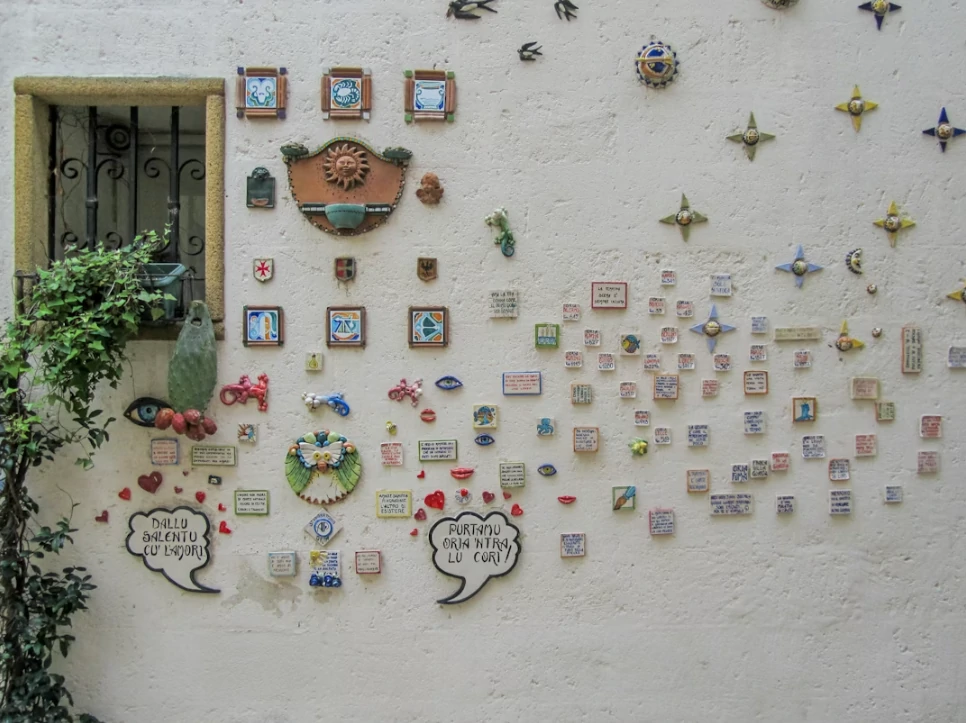
A space can be “clean” but still overwhelming if:

  • every surface is filled
  • decor is overly layered
  • there are too many colors or patterns
  • nothing visually stands out as “restful”

Your eyes don’t just look—they constantly scan, process, and prioritize.

When everything demands attention, nothing feels calm.

How to fix it:

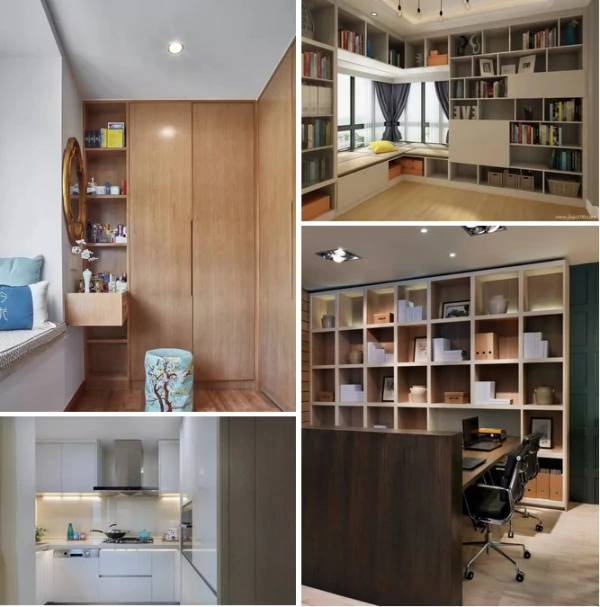
  • Leave intentional empty space
  • Group objects instead of scattering them
  • Reduce competing visual elements
  • Create one “quiet zone” in each room

Think of it like this:

Calm comes from contrast—not from removing everything, but from giving your eyes a place to rest.

3. Movement Flow: The Hidden Source of Daily Stress

Another major factor is how you move through your space.

Have you ever noticed yourself:

  • squeezing between furniture
  • walking around obstacles
  • constantly shifting things just to use a surface

That’s not just inconvenience—it’s friction.

And friction creates stress.

In both Feng Shui and modern design, smooth movement is essential. In contemporary terms, this aligns with space planning, which focuses on optimizing layout for usability.

📷 Suggested Image

A simple floor plan showing blocked vs. open pathways.

Signs your layout is causing stress:

  • pathways feel narrow or interrupted
  • frequently used items are hard to access
  • daily tasks require extra steps

How to improve flow:

  • clear main walking paths
  • reposition frequently used items
  • reduce oversized furniture
  • design around real habits (not ideal ones)

A calm home doesn’t slow you down—it moves with you.

4. Sensory Overload: When Your Brain Can’t Relax

Not all chaos is visible.

Sometimes it’s sensory.

A home can feel overwhelming because of:

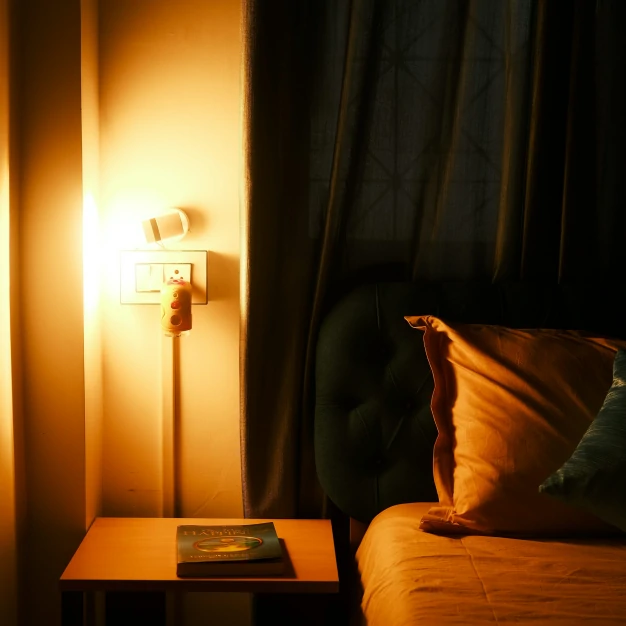
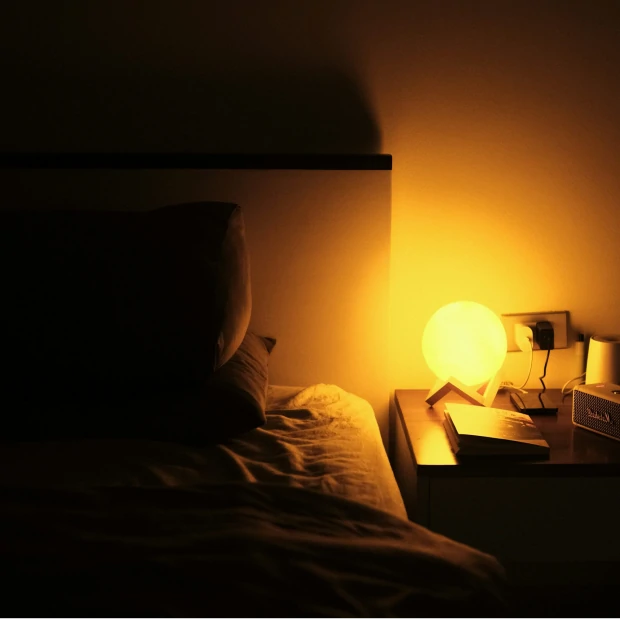
  • harsh lighting
  • constant background noise
  • too many colors
  • strong or mixed scents

These elements combine to create what researchers call sensory load, a key concept in sensory processing.

How to reduce it:

  • use softer, layered lighting
  • limit competing colors and patterns
  • reduce background noise
  • simplify scent sources

Your home should not constantly stimulate you—it should occasionally let you rest.

5. Lack of Zoning: When Everything Blends Together

Another reason homes feel chaotic is unclear functional zones.

When a space tries to serve too many purposes at once, your brain struggles to categorize it.

For example:

  • working at the dining table
  • relaxing in a space filled with work items
  • mixing storage, decor, and daily-use items

This creates cognitive confusion.

Why zoning matters:

Humans naturally rely on environmental cues.

When spaces are clearly defined, your brain knows:

  • where to focus
  • where to relax
  • where to transition

This reduces mental effort.

How to create better zones:

  • assign clear purposes to each area
  • visually separate zones (rugs, lighting, furniture)
  • avoid mixing too many functions in one spot

Clarity in space leads to clarity in mind.

6. Emotional Clutter: The Invisible Weight

Not all clutter is physical.

Some of it is emotional.

This includes:

  • items you feel guilty throwing away
  • unfinished projects
  • “I’ll deal with this later” piles

These create mental tension loops.

Even when you’re not actively thinking about them, they occupy background attention.

How this affects you:

  • subtle stress
  • reduced focus
  • avoidance behavior

What helps:

  • make small decisions quickly
  • finish or remove incomplete tasks
  • let go of items that no longer fit your life

A calm home isn’t just organized—it feels emotionally resolved.

7. The Role of Predictability: Why Order Feels Safe

A calm home feels predictable.

You know:

  • where things are
  • how to move through the space
  • what to expect

This predictability allows your nervous system to relax.

In contrast, chaotic homes feel inconsistent:

  • things change constantly
  • items don’t have clear places
  • routines feel disrupted

This keeps your brain in a mild alert state.

8. From Chaos to Calm: Where to Start

You don’t need to redesign your entire home.

Start small.

Step 1: Clear one surface

Create one visually calm area.

Step 2: Fix one pathway

Make movement easier in one part of your home.

Step 3: Reduce one source of sensory overload

Lighting, noise, or visual clutter.

Step 4: Complete one unfinished task

Close one mental loop.

Small changes compound quickly.

9. What a Calm Home Actually Feels Like

When your space shifts, you’ll notice:

  • your body relaxes faster
  • your mind feels clearer
  • your energy stabilizes
  • your home feels supportive—not demanding

This is not about perfection.

It’s about reducing friction and restoring balance.

Conclusion: Calm Is Designed, Not Accidental
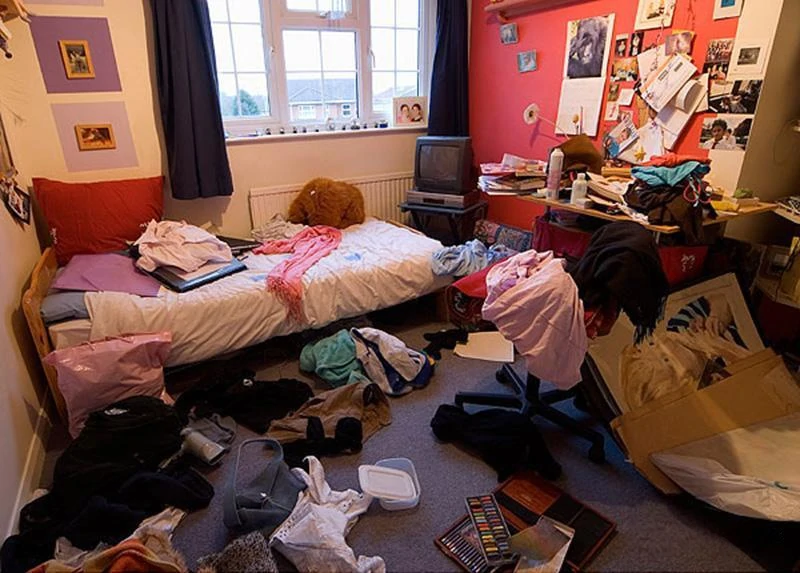
Some homes feel calm. Others feel chaotic.

But this isn’t luck—it’s structure.

When a space:

  • reduces cognitive load
  • supports movement
  • balances sensory input
  • aligns with your life

…it naturally becomes a place of ease.

You don’t need to remove everything.

You just need to remove what overwhelms you.

Because in the end:

A peaceful home isn’t empty—it’s intentional.


Same category navigation

More to read next

From reading to action

Keep thoughtful guides close as you shape a calmer home.

Save ideas for later, explore room-based guidance, or share what you would like us to write about next.

Explore Room Guides Use room-based guides when you want a calmer way to choose placement, materials, and daily-use pieces.
Share A Future Topic Tell us what spaces, objects, or topics you'd like us to explore next. We’re always open to new ideas and inspiration.
Journal Dispatch

A quiet letter for spatial living.

Receive calm notes on placement, materials, and living with more spatial clarity.