NEW JOURNAL NOTES ON SPACE, OBJECTS, AND EVERYDAY ATMOSPHERE
Visit Shop
Back to All Articles

How Your Home Layout Secretly Drains Your Energy (And How to Fix It)

In this article
Why Do Homes with the Same Size Feel So Different? The Mystery of the “Lazy Sunday” The Invisible Tax: Cognitive Load at Home Why Layout Matters: Enter Space Syntax The Evolutionary Layer: Prospect–Refuge Theory Mental Recharge: Attention Restoration Theory Energy Flow Guide: 5 Simple Adjustments Final Thought: Your Home Should Power You
Why Do Homes with the Same Size Feel So Different?

Why do some homes feel light, effortless, and energizing—while others, with the exact same square footage, leave you feeling constantly drained?

The answer often has nothing to do with size or style.

It’s about how your space works with your brain—or against it.

The Mystery of the “Lazy Sunday”

It’s 2 p.m. on a Saturday. You’ve slept eight hours, had your morning coffee, and your schedule is completely clear—perfect, right?

And yet, after two hours of mindless scrolling on the couch, you feel exhausted.

Not because you’ve done too much—but because of a vague, hard-to-explain mental fatigue.

So you blame your discipline. Your habits. Maybe even the algorithm.

But here’s the blind spot most people miss:
What if your home is what’s draining you?

We tend to see home design as purely visual—minimalist or cozy, modern or vintage. But beneath aesthetics, your layout is running a quiet psychological system.

Every doorway, every corner, every piece of furniture is doing one thing:
either consuming your mental energy—or helping restore it.

Let’s break down why.

The Invisible Tax: Cognitive Load at Home

Your brain has a limited amount of energy each day.

According to Cognitive Load Theory, mental effort is divided into three types:

  • Intrinsic load— the difficulty of the task itself
  • Germane load— effort used for learning and processing
  • Extraneous load— unnecessary distractions

The goal? Reduce extraneous load so your brain has room for what matters.

But here’s the problem:
your home is constantly generating extra load.

Every open cabinet.
Every cluttered surface.
Every awkward furniture placement.

These create tiny, continuous decisions—even if you don’t consciously notice them.

Research shows that visual clutter activates brain regions associated with problem-solving. In other words, your brain treats clutter like unfinished tasks.

  • A narrow kitchen forces constant repositioning
  • No storage zone makes placing keys or mail a daily friction point

This isn’t a habit problem.
It’s a layout problem quietly draining your cognitive energy.

Why Layout Matters: Enter Space Syntax

If cognitive load explains what your brain is processing, Space Syntax explains how your home controls your movement.

Developed by Bill Hillier, this framework analyzes spatial relationships:

  • How rooms connect
  • How many steps it takes to move between areas
  • How people naturally navi

Two key concepts:

  • Integrated spaces→ easy to access, centrally connected
  • Deep spaces→ hidden, requiring multiple transitions

Every unnecessary step creates friction.
And friction = energy loss.

If your home forces you to:

  • take detours
  • avoid obstacles
  • constantly adjust your path

your brain stays in a low-level “problem-solving mode” all day—quietly draining your energy and focus.

The Evolutionary Layer: Prospect–Refuge Theory

Now let’s go deeper—into human instinct.

The Prospect-Refuge Theory, proposed by Jay Appleton, explains a core human need:

We want both:

  • Prospect— the ability to see clearly into our surroundings
  • Refuge— a sense of safety and enclosure

In modern homes:

Prospect looks like:

  • open sightlines
  • visible entrances
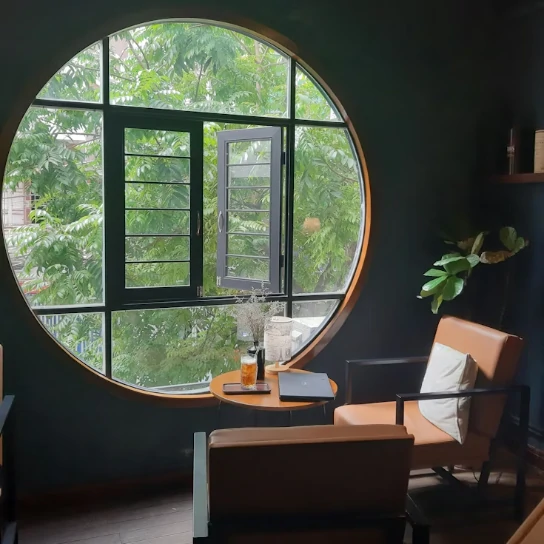
  • windows with views

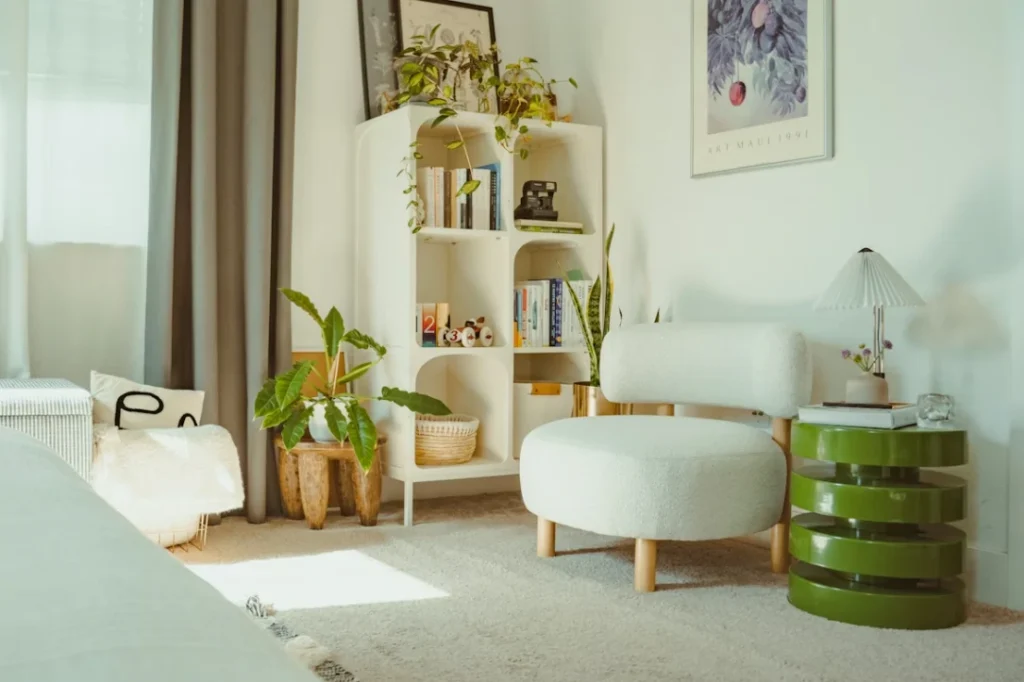
Refuge looks like:

  • cozy corners
  • backed seating
  • semi-enclosed spaces

Too open → overstimulation, lack of security
Too enclosed → isolation, pressure

Balance is the key to comfort.

The good news? You don’t need a full renovation.

Sometimes it’s as simple as:

  • rotating a chair
  • adding a plant
  • placing a shelf to create partial enclosure

Mental Recharge: Attention Restoration Theory

Your home doesn’t just affect energy—it can restore it too.

The Attention Restoration Theory, developed by Stephen Kaplan and Rachel Kaplan, explains how.

Your brain operates in two modes:

  • Directed attention— effortful, focused, draining
  • Involuntary attention— effortless, restorative

Focused attention gets depleted.
But soft, natural stimuli help replenish it.

This is why nature feels calming:

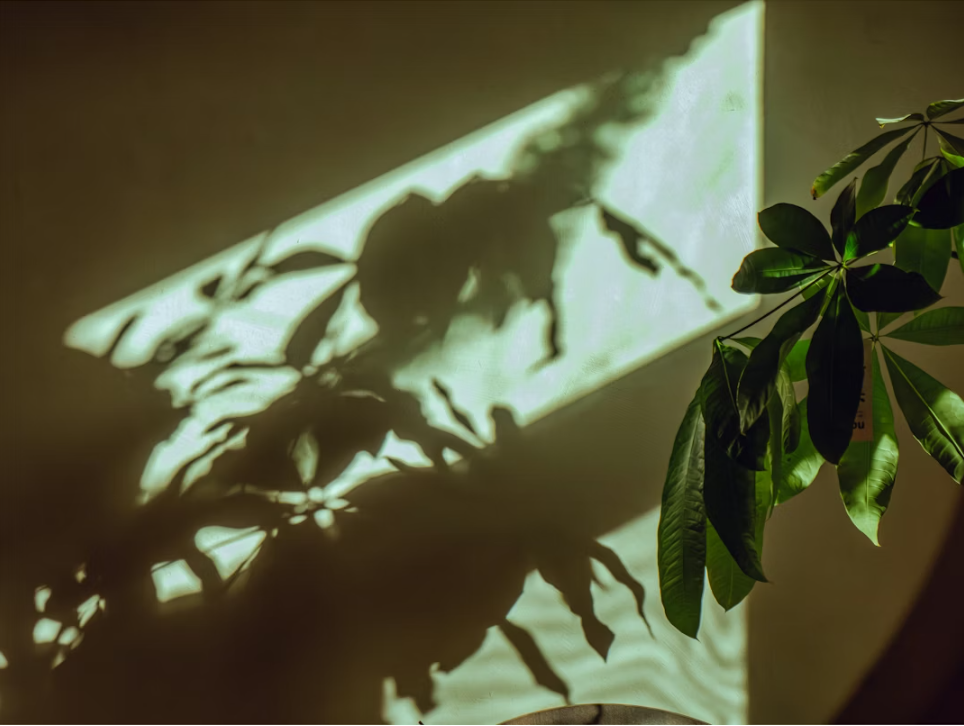
  • moving leaves
  • soft daylight
  • water, sky, or greenery

Even small elements in your home can trigger this effect.

Key ideas to remember:

  • Windows are not decoration—they’re psychological tools
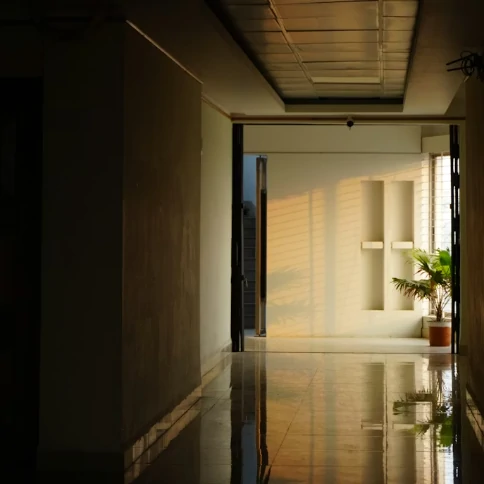
  • Transitional spaces act like mental reset buttons

Energy Flow Guide: 5 Simple Adjustments

You don’t need to renovate—just adjust smarter:

  1. Create Prospect
    Position seating toward open views or windows.
  2. Build Refuge
    Use corners or high-back furniture to create protected spaces.
  3. Optimize Movement
    Clear pathways to reduce friction and improve flow.
  4. Add Soft Fascination
    Introduce plants, natural light, or subtle motion.
  5. Define Zones
    Use lighting, rugs, and layout to separate functions.

Final Thought: Your Home Should Power You
We spend so much time optimizing productivity, routines, and habits—
but often ignore the physical space supporting it all.

If your home increases cognitive load, disrupts movement, and lacks psychological balance, it will quietly drain your energy every day.

But with a bit of insight from environmental psychology, it can become something else entirely:

A space that reduces mental friction, enhances focus, and continuously recharges you.

You don’t need perfection—just awareness.

Move one chair.
Clear one pathway.
Create one calm corner.

Your nervous system will notice.

Because your home isn’t just where you live—
it’s where your energy flows.

Same category navigation

More to read next

From reading to action

Keep thoughtful guides close as you shape a calmer home.

Save ideas for later, explore room-based guidance, or share what you would like us to write about next.

Explore Room Guides Use room-based guides when you want a calmer way to choose placement, materials, and daily-use pieces.
Share A Future Topic Tell us what spaces, objects, or topics you'd like us to explore next. We’re always open to new ideas and inspiration.
Journal Dispatch

A quiet letter for spatial living.

Receive calm notes on placement, materials, and living with more spatial clarity.