NEW JOURNAL NOTES ON SPACE, OBJECTS, AND EVERYDAY ATMOSPHERE
Visit Shop
Back to All Articles

A Home That Works With You: The Psychology of Effortless Living

In this article
1. Lightening the Mental Load: Visual Noise & Cognitive Ease 2. Effortless Flow: Layout, Behavior & Subtle Nudges 3. The Body Speaks: Comfort Through the Senses 4. Protecting Your Energy: Boundaries & Emotional Space Final Thoughts

Have you ever had this experience? You come home after a long day, push open the door—and instantly feel heavier. Clothes piled on the sofa, a dining table buried in clutter… your fatigue doesn’t fade, it doubles.

Or the opposite: a home that looks luxurious and perfectly designed, yet you feel an urge to escape the living room and hide in your bedroom.

We often think interior design is about making a home look beautiful. In reality, its ultimate goal is much simpler—and more powerful: to make life feel easier.

1. Lightening the Mental Load: Visual Noise & Cognitive Ease

Why does clutter feel so exhausting?

The answer lies in Cognitive Load Theory. Your brain is constantly processing visual input, and every object in your field of view consumes attention—even if you’re not aware of it.

When visual noise is too high, your brain shifts into overload, triggering fatigue and low-level stress.

The 80/20 Visibility Rule

A completely empty space can feel sterile. What you need is order, not emptiness.

  • Hide 80% of everyday clutter in closed storage
  • Keep 20% visible—items that are either useful or meaningful

This balance preserves warmth while dramatically reducing cognitive strain.

Create Visual Anchors

Give your eyes a place to rest.

A clean wooden table.
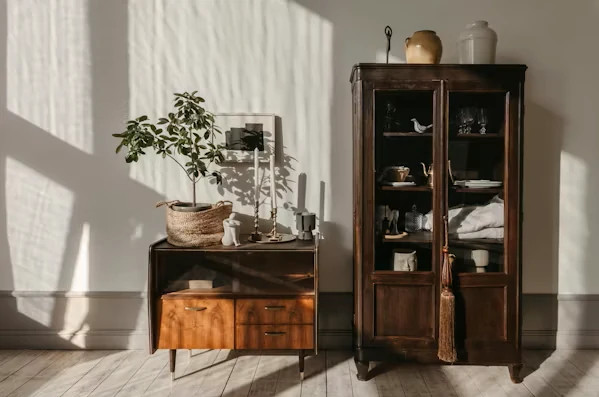
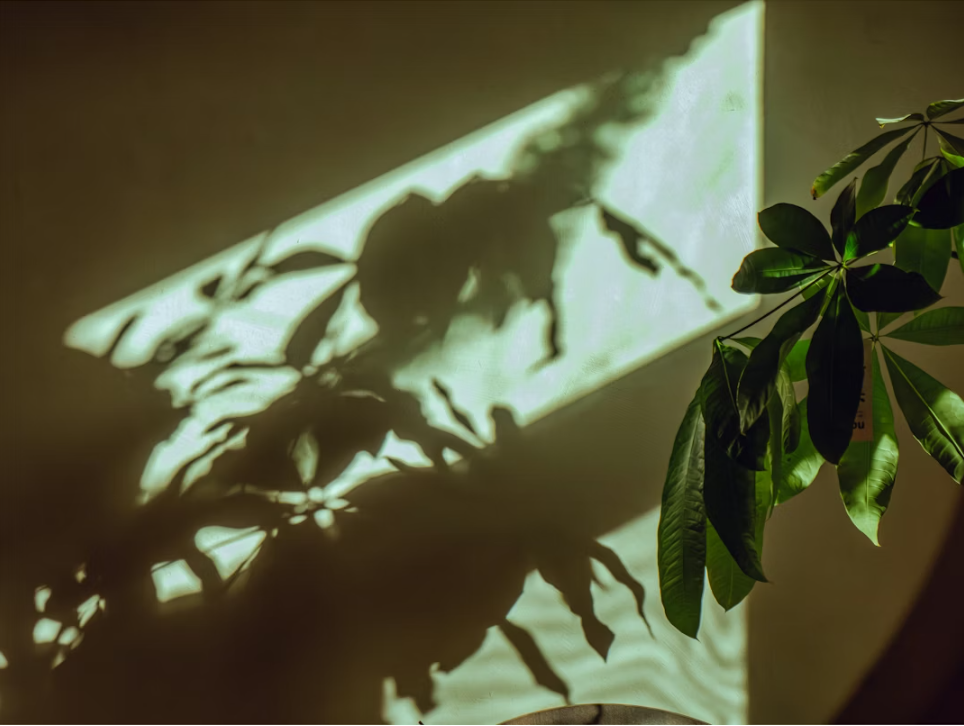
A blank wall with soft natural light.

These “quiet zones” act like a mental reset—tiny moments where your brain can breathe.

Use Calming Color Psychology

According to Environmental Psychology, color directly affects emotional states.

  • High-saturation colors → stimulating, sometimes overwhelming
  • Muted, natural tones → calming and restorative

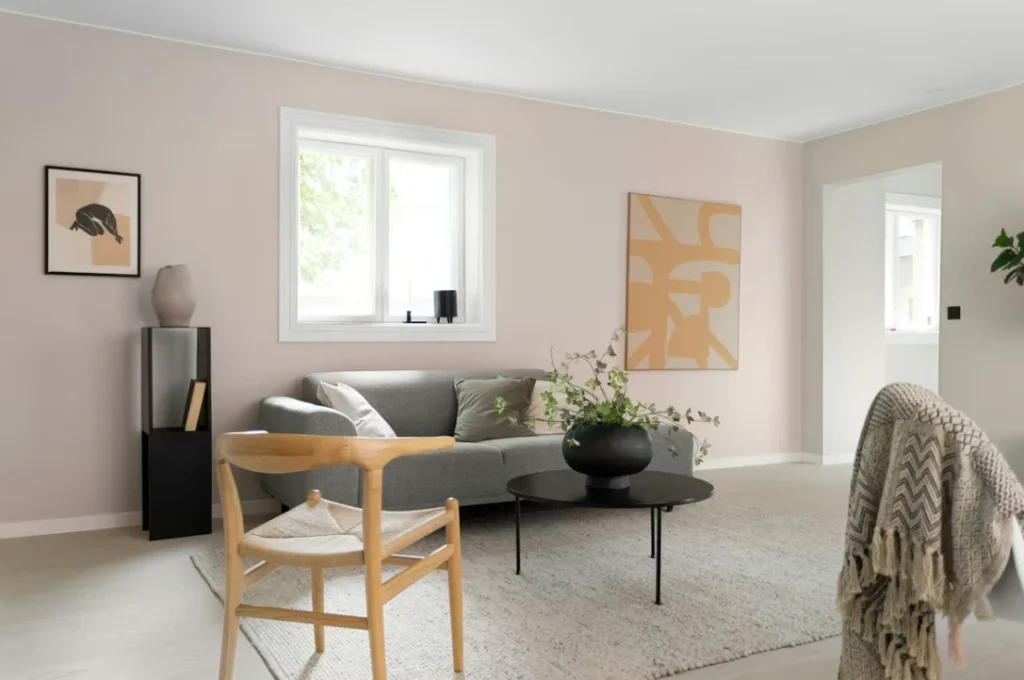
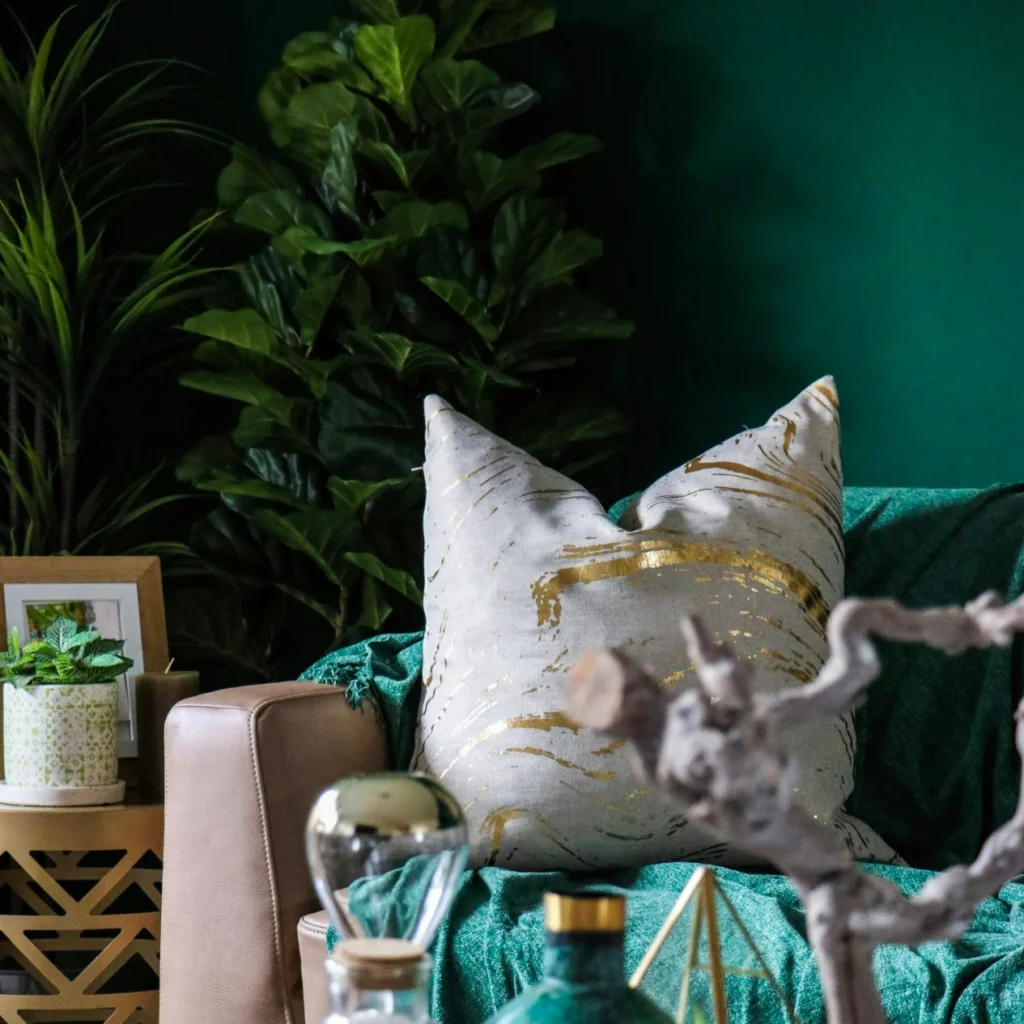
Think warm neutrals, soft greens, and dusty blues—colors that lower the energy cost of being in a space.

2. Effortless Flow: Layout, Behavior & Subtle Nudges

Ever been in a home where everything feels… awkward?

That’s not you—it’s the layout.

Behavioral science offers a useful concept: Nudge Theory. Small environmental tweaks can guide behavior without force.

Applied to your home, this means designing spaces where good habits happen naturally.

Reduce Friction for Good Habits

Want to read more? Put a book within arm’s reach of your sofa—not on a high shelf.
Want to drink more water? Place a glass or bottle where you already spend time.

Make the right action the easiest action.

Design a “Landing Zone”

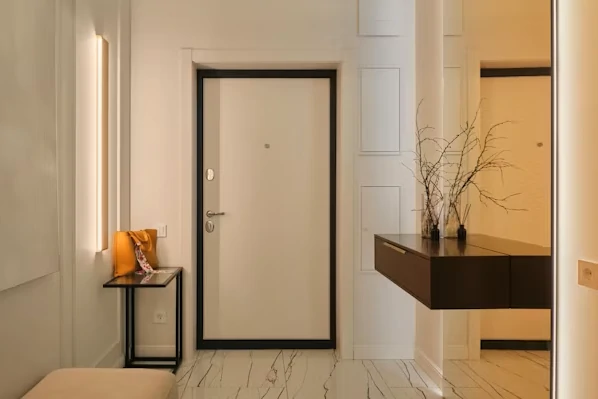
Your entryway sets the tone for your entire home.

Create a simple flow:

  • Drop keys in a tray
  • Hang your bag
  • Store shoes immediately

This small ritual signals a psychological shift: you’re home now.

Optimize Movement: The Kitchen Triangle

In ergonomic design, the sink, stove, and refrigerator should form an efficient triangle.

When these points are well-positioned, cooking feels smooth instead of chaotic.
Less friction = less fatigue.

3. The Body Speaks: Comfort Through the Senses

We often overlook how deeply our bodies respond to our surroundings.

Embodied Cognition suggests that physical sensations directly shape mental states.

A relaxing home isn’t just seen—it’s felt.

Touch: Softness Signals Safety

Swap harsh materials for tactile comfort:

  • Linen
  • Cotton
  • Natural wood

A soft environment encourages your muscles—and mind—to relax.

Lighting: Your Emotional Dimmer Switch

Overhead lighting can feel harsh and clinical.

Instead:

  • Use warm light (2700K–3000K)
  • Layer lighting with lamps and indirect sources

Light isn’t just illumination—it’s mood regulation.

Sound & Scent: Invisible Stress Regulators

Soft materials like curtains absorb noise, reducing background stress.

Natural scents—lavender, wood, subtle herbal notes—can calm the brain’s emotional center and lower stress responses.

4. Protecting Your Energy: Boundaries & Emotional Space

The true power of a home lies in one thing: psychological safety.

A home that works with you protects your energy, not drains it.

Create a Personal Recharge Corner

No matter the size of your home, carve out a small space just for you.

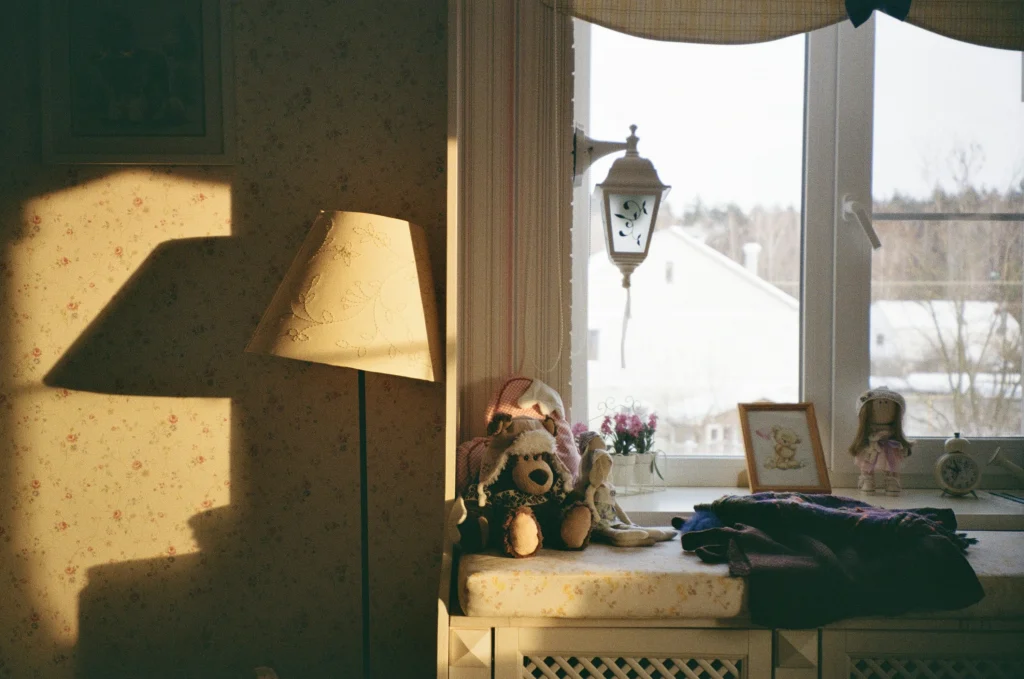
A chair by the window.
A quiet corner with cushions.

This is your personal reset zone—a place with no expectations.

Separate Work and Rest

With remote work, boundaries blur easily.

Even a simple divider, a dedicated desk, or closing a door at the end of the day can help your brain switch modes.

Out of sight = out of mind.

Allow “Healthy Mess”

Here’s the part most people resist:

A perfectly spotless home isn’t always a happy one.

A few signs of life—a book left open, a coffee cup, scattered creativity—are not failures. They’re proof that life is happening.

Let go of perfection. Aim for livability.

Final Thoughts

A home that truly supports you isn’t a magazine replica. It’s a reflection of how you live, think, and feel.

It reduces your mental load.
It aligns with your habits.
It softens your stress.

When your space stops fighting you and starts supporting you, something shifts.

Coming home no longer feels like the end of a long day.
It feels like recovery.

And that’s not just design.

That’s psychology, working quietly in your favor.

Same category navigation

More to read next

From reading to action

Keep thoughtful guides close as you shape a calmer home.

Save ideas for later, explore room-based guidance, or share what you would like us to write about next.
Explore Room Guides Use room-based guides when you want a calmer way to choose placement, materials, and daily-use pieces.
Share A Future Topic Tell us what spaces, objects, or topics you'd like us to explore next. We’re always open to new ideas and inspiration.
Journal Dispatch

A quiet letter for spatial living.

Receive calm notes on placement, materials, and living with more spatial clarity.